Are you tired of struggling to hang shelves, pictures, or hooks that just won’t stay put? Drywall anchors can be your best friend when it comes to securing items to your walls, but only if you use them the right way.
If you’re unsure how to choose, install, or remove drywall anchors, you’re not alone—and that’s exactly why this guide is for you. By the end of this article, you’ll have the confidence and know-how to make your walls strong and reliable, no matter what you want to hang.
Ready to get started? Let’s dive into everything you need to know about how to drywall anchors the smart way.
Types Of Drywall Anchors
Drywall anchors come in different types for various needs. Each type holds weight differently and works best in certain situations. Choosing the right anchor helps secure items safely on your wall. Below are common types of drywall anchors and their uses.
Plastic Expansion Anchors
Plastic expansion anchors are simple and affordable. They fit into a drilled hole in the drywall. When you insert a screw, the anchor expands. This expansion holds the anchor tightly in place. These anchors work well for light objects like picture frames.
Self-drilling Anchors
Self-drilling anchors do not need a pre-drilled hole. They have sharp threads that cut into the drywall as you twist them in. These anchors save time and effort. They hold medium-weight items like shelves or curtain rods securely.
Toggle Bolts
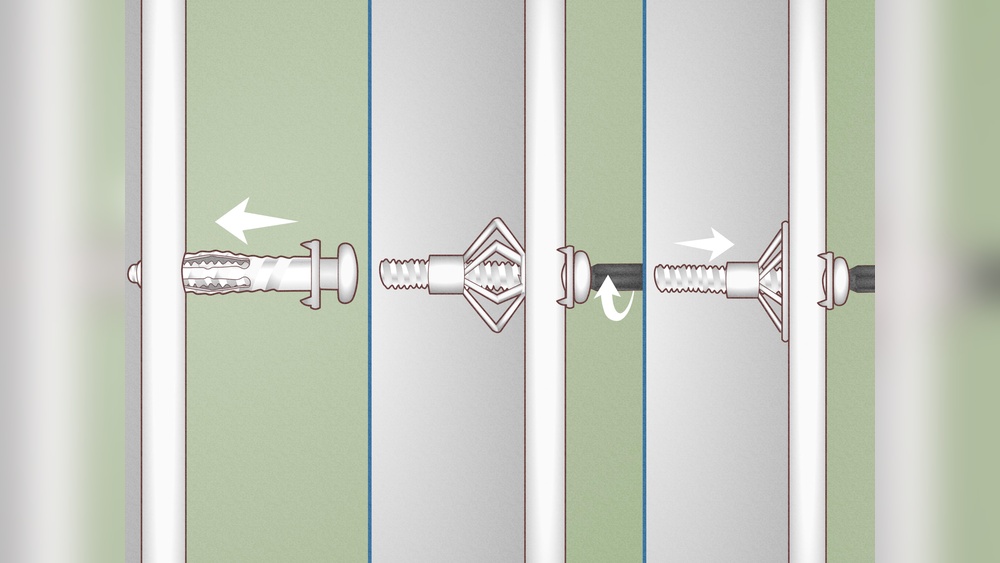
Toggle bolts have metal wings that open inside the wall. First, you drill a hole big enough for the closed wings. After insertion, the wings open behind the drywall. This spreads the load over a larger area. Toggle bolts are strong and good for heavy items like mirrors or cabinets.
Molly Bolts
Molly bolts are metal anchors with expandable legs. You insert them into a drilled hole and tighten the screw. The legs expand and grip the back of the drywall firmly. Molly bolts provide stable support and hold medium to heavy objects well.

Credit: www.concretefasteners.com
Tools Needed For Installation
Installing drywall anchors requires the right tools to make the process easy and accurate. Having the correct tools helps you avoid mistakes and ensures the anchors hold firmly. Each tool plays an important role in preparing the wall and securing the anchor.
Gather these tools before starting. They will help you measure, drill, and fasten anchors safely and quickly.
Drill And Drill Bits
A drill is essential for making holes in drywall. Use the correct drill bit size for the anchor type. The hole must be clean and the right diameter. Too large or small holes can cause anchors to fail. A cordless drill works well for easy handling.
Screwdrivers
Screwdrivers help to screw anchors or screws into the wall. Choose the right size and type, usually Phillips or flathead. Using the correct screwdriver prevents damage to the screw head. It also allows better control and tightness.
Measuring Tape
Measuring tape helps place anchors at the correct spots. Accurate measurement ensures the anchors align with what you want to hang. Mark the spots clearly before drilling. This avoids errors and saves time.
Level
A level ensures your anchors and items hang straight. Place the level on the wall or item to check alignment. A crooked installation looks unprofessional and may cause items to fall. Use the level after marking anchor points.
Preparing The Wall
Preparing the wall is the first step to successfully install drywall anchors. Proper preparation ensures the anchors hold firmly and the wall remains undamaged. It involves selecting the right spot, marking the exact points, and checking for any hidden obstacles inside the wall. Taking these steps carefully will save time and avoid mistakes.
Choosing The Right Location
Pick a flat area on the wall for your anchor. Avoid spots near corners or edges. These areas might not hold anchors well. Choose a place that can support the weight of what you want to hang. A strong, stable location helps keep things secure.
Marking Anchor Points
Use a pencil to mark where each anchor will go. Measure twice to ensure accuracy. Small marks help guide drilling and prevent mistakes. Keep the marks clear but light so they can be erased later if needed.
Checking For Studs And Wires
Use a stud finder to locate wood or metal studs inside the wall. Anchors work best near studs for extra support. Avoid drilling into electrical wires or plumbing. Check carefully with a wire detector to stay safe. Knowing what’s behind the wall prevents damage and hazards.
Installing Plastic Expansion Anchors
Installing plastic expansion anchors is a simple way to hang items on drywall securely. These anchors spread inside the wall to hold screws tightly. They work well for light to medium weight objects. Follow these steps to install them correctly and avoid damage to your wall.
Drilling The Hole
Choose a drill bit the same size as the anchor. Mark the spot on the drywall where you want to install the anchor. Drill a hole straight and steady. Make sure the hole is clean and free of dust. This helps the anchor fit snugly inside the wall.
Inserting The Anchor
Push the plastic anchor into the hole gently. Tap it lightly with a hammer if it is tight. The anchor should sit flush with the wall surface. Do not force it too hard to avoid breaking the anchor or wall. A good fit means better support for your screw.
Securing The Screw
Place the screw into the anchor carefully. Turn the screw slowly using a screwdriver. Stop when the screw feels tight and secure. Avoid over-tightening as it can damage the anchor or drywall. The screw should hold firmly and keep your item in place.
Using Self-drilling Anchors
Using self-drilling anchors is a simple way to hang items on drywall without extra tools. These anchors have a sharp tip that cuts into the drywall easily. They save time and provide strong support for light to medium loads.
The process involves three main steps: positioning the anchor, driving it into the drywall, and adding the screw. Following these steps ensures a secure hold and prevents damage to your wall.
Positioning The Anchor
Start by marking the exact spot where you want to place the anchor. Hold the anchor flat against the wall at this point. Make sure it is straight to avoid uneven holes or weak support. A small pencil mark helps keep your placement accurate.
Driving The Anchor Into Drywall
Use a screwdriver or a drill with a low speed setting. Turn the anchor clockwise to screw it into the drywall. The sharp tip will cut into the wall without the need for a pilot hole. Stop once the anchor is flush with the wall surface. Avoid over-tightening, which can damage the drywall.
Adding The Screw
Insert the screw into the anchor and begin turning it clockwise. Tighten the screw until it feels secure and the item you want to hang is held firmly. Do not overtighten, or the anchor may lose grip inside the wall. Check for stability before finishing your work.

Credit: www.picturehangsolutions.com
Installing Toggle Bolts
Installing toggle bolts is a strong way to hang heavy items on drywall. These bolts spread out behind the wall to hold weight firmly. This method works well where regular anchors might fail. Each step is simple and clear to follow.
Drilling The Hole
Start by choosing the right drill bit size. It should match the toggle bolt’s width. Drill a hole straight through the drywall. Make sure the hole is clean and free of dust. This hole allows the toggle to fit inside the wall.
Inserting The Toggle
Pinch the toggle wings closed around the bolt. Push the toggle through the drilled hole. Once inside, the wings open wide behind the drywall. This creates a strong grip against the back of the wall. Pull gently to check if it is secure.
Tightening The Bolt
Turn the bolt clockwise to tighten. The wings pull tight against the drywall’s back. Keep turning until the bolt feels firm. Do not overtighten as it may damage the drywall. A secure bolt holds your item safely in place.
Setting Molly Bolts
Setting molly bolts is a reliable way to hang heavy items on drywall. These anchors spread inside the wall for strong support. They work well for shelves, mirrors, and TV mounts. The process has three main steps. Follow them carefully for a secure hold.
Drilling The Hole
Start by marking the spot on the wall. Use a drill bit that matches the anchor size. Drill a clean hole through the drywall. Avoid pushing too hard to prevent damage. Clean out any dust from the hole.
Expanding The Anchor
Insert the molly bolt into the hole gently. Tap it lightly with a hammer if needed. Use a screwdriver to tighten the bolt screw slowly. This action expands the anchor’s legs behind the wall. Ensure the anchor fits snugly and does not spin.
Securing The Mount
Place the item or bracket over the molly bolt. Align the holes for screws. Use a screwdriver to fasten the screws tightly. Check the mount is firm and stable. The molly bolt now holds the weight securely.

Credit: www.lowes.com
Tips For Strong, Secure Mounts
Strong, secure mounts are essential for hanging items safely on drywall. Using the right techniques can prevent damage and keep your items stable. Small steps make a big difference in how well your anchors hold.
Choosing The Right Anchor Size
Select anchors that fit the weight of your item. Too small anchors can fail quickly. Bigger anchors spread the load better. Check the package for weight limits. Choose anchors that suit your wall thickness too.
Avoiding Over-tightening
Turn screws gently into the anchors. Over-tightening can break the anchor or damage the drywall. Stop tightening when the item feels firm. A snug fit is enough to hold securely. Too much force weakens the mount.
Distributing Weight Evenly
Use multiple anchors for heavy or large items. Spread anchors across the mounting area. This reduces stress on any one point. Balanced weight keeps mounts steady longer. Even distribution helps avoid wall damage.
Frequently Asked Questions
What Are Drywall Anchors Used For?
Drywall anchors provide extra support for hanging heavy items on drywall. They prevent damage and ensure stability. Anchors distribute weight evenly, avoiding wall cracks or holes. Using anchors is essential when screws alone can’t hold the load. They come in various types for different wall materials and weights.
How Do You Install Drywall Anchors Properly?
First, mark the spot on the drywall. Drill a hole matching the anchor size. Insert the anchor flush with the wall surface. Then, screw in the mounting screw or hook. Avoid over-tightening to prevent wall damage. Follow manufacturer instructions for best results and secure hold.
Can Drywall Anchors Hold Heavy Objects?
Yes, but it depends on the anchor type and wall condition. Toggle anchors and molly bolts hold heavier items than plastic anchors. Always check the weight rating on the anchor package. For very heavy loads, consider using wall studs instead of anchors.
Proper installation is key for maximum strength.
Why Is My Drywall Anchor Loose?
A loose drywall anchor may result from an oversized hole or weak drywall. Over-tightening the screw can also damage the anchor’s grip. Choose the correct anchor size for the wall and load. If loose, remove and replace with a stronger anchor or alternate fixing method.
Conclusion
Drywall anchors help hold items firmly on walls. Choose the right anchor for your wall type. Drill carefully and insert the anchor straight. Tighten screws without forcing them too much. This keeps your items secure and prevents damage. Practice makes the process easier and faster.
With simple steps, hanging becomes less stressful. Try these tips for a strong, safe hold. You can hang shelves, pictures, and more with confidence. Drywall anchors make wall projects simple and neat.