Have you ever wondered if simply doubling your fasteners will double the shear strength of your project? It sounds logical, right?
More fasteners should mean stronger joints. But the reality isn’t always that straightforward. Understanding how shear strength truly works can save you time, money, and avoid costly mistakes. You’ll discover the surprising facts about fasteners and shear strength, so you can make smarter, safer decisions for your builds.
Keep reading—you might be surprised by what you learn next.
Shear Strength Basics
Understanding shear strength is important when discussing fasteners and their performance. Shear strength shows how well a material or fastener resists forces that try to slide its parts apart. This knowledge helps us know if doubling fasteners really doubles the strength they provide.
Shear strength is a key factor in design and safety. It affects how structures hold together under stress. Let’s explore the basics of shear strength to build a clear picture.
What Is Shear Strength?
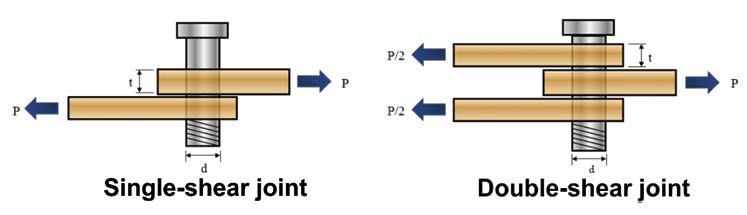
Shear strength measures a material’s ability to resist sliding forces. These forces act parallel to the surface. When a fastener or material fails in shear, it breaks or deforms along a plane.
This strength depends on the material’s internal bonds. Stronger bonds mean higher shear strength. Engineers use shear strength to choose the right fasteners and materials for projects.
Factors Affecting Shear Strength
Several factors influence shear strength in fasteners. Material type is the most important. Metals like steel have higher shear strength than plastics.
Fastener size also matters. Larger diameters usually provide more shear strength. The number of fasteners and how they are arranged impacts the total shear capacity too.
Surface conditions and temperature can affect strength. Rough or corroded surfaces weaken shear resistance. High heat can reduce material strength as well.
Credit: cirruspilots.org
Fasteners In Shear Applications
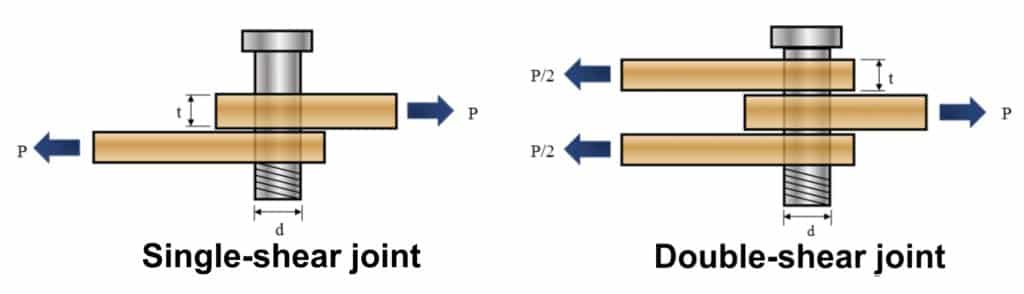
Fasteners play a key role in holding parts together under shear forces. Shear forces try to slide one part over another. Fasteners resist this sliding by bearing the load.
Choosing the right fastener type and understanding load distribution is essential. This ensures joints stay strong and safe under shear stress. Let’s explore the types of fasteners and how shear loads spread across them.
Types Of Fasteners Used
Bolts and screws are common for shear applications. They work well with metal and wood joints. Nails and rivets also handle shear forces but are less adjustable.
High-strength bolts offer better shear resistance than standard bolts. Threaded fasteners provide more grip but may weaken under extreme shear. Rivets create permanent joints that resist shear well.
Shear Load Distribution
Shear load divides among all fasteners in the joint. Equal load sharing depends on fastener placement and tightness. Uneven load can cause some fasteners to fail early.
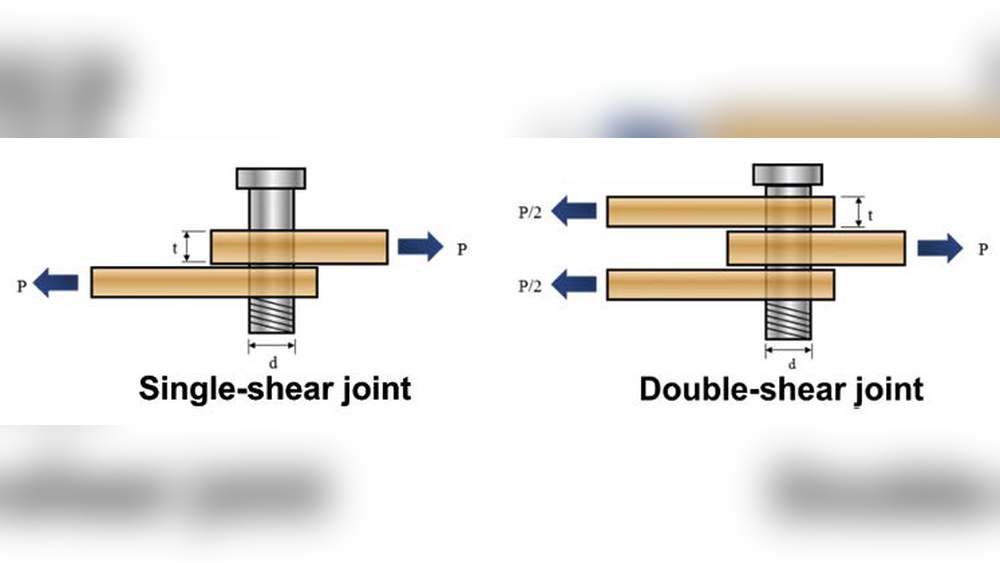
Doubling the number of fasteners can increase shear strength but not always double it. The load may not split evenly. Joint design and material properties affect load distribution.
Proper spacing and alignment help fasteners share the shear load better. This improves joint durability and safety under stress.
Effect Of Doubling Fasteners
Adding more fasteners to a joint might seem like it doubles the strength. The truth is more complex. Fasteners work together to hold materials in place. Their combined strength depends on many factors. Understanding these can help improve joint design.
Simply doubling fasteners does not always double shear strength. Load distribution and fastener interaction matter a lot. The way forces move through fasteners changes with more added. This affects the overall strength and performance.
Load Sharing Between Fasteners
Fasteners share the load applied to a joint. When one fastener takes more load, others take less. Proper spacing helps fasteners share load evenly. Uneven load sharing can cause some fasteners to fail early. Design and installation affect how well fasteners share load.
Material type also influences load distribution. Softer materials may cause fasteners to bear uneven stress. This reduces the benefit of adding more fasteners. Correct placement and tightness improve load sharing among fasteners.
Potential Gains In Shear Strength
Doubling fasteners can increase shear strength, but rarely by 100%. Gains depend on load sharing and joint design. If load is evenly shared, strength increases significantly. Poor load sharing limits strength improvement.
Joint stiffness and fastener quality also impact strength gains. Using better fasteners can boost performance. Still, expect less than double the strength with twice the fasteners. Careful engineering ensures the best use of extra fasteners.
Common Misconceptions
Many people believe that doubling the number of fasteners doubles the shear strength. This idea seems logical but is not always true. Several factors affect the actual strength gained from adding more fasteners. Misunderstanding these can lead to poor design choices and unsafe structures.
Understanding common misconceptions helps in making better decisions. It also improves the safety and reliability of your projects.
Myth Of Linear Strength Increase
Adding more fasteners does not always mean strength doubles. The load distribution among fasteners is rarely perfect. Some fasteners carry more load than others, while some carry less. Materials and joint design also affect how much strength is gained. Simply doubling fasteners often results in less than double strength.
Impact Of Installation And Alignment
Installation quality plays a big role in shear strength. Misaligned fasteners reduce joint effectiveness. Loose or unevenly tightened fasteners lower overall strength. Proper alignment and torque are crucial for optimal performance. Poor installation can cancel out the benefits of adding extra fasteners.
Engineering Perspectives
Engineers study how fasteners hold parts together. They want to know if adding more fasteners doubles the strength. This question is important for safety and cost. The answer is not always simple. It depends on design, materials, and how fasteners share the load.
Engineers use standards and tests to find out the real strength of fastened joints. These guidelines help make sure structures are safe and strong enough for use.
Standards And Guidelines
Engineering standards provide clear rules for fastener strength. They describe how to test fasteners under shear forces. These standards consider factors like fastener size and material. They do not simply say that doubling fasteners doubles strength. Instead, they show how load spreads across each fastener. Proper spacing and alignment affect the total shear strength. Standards help engineers design joints that meet safety and performance needs.
Real-world Testing Results
Tests reveal that doubling fasteners does not always double shear strength. Load may not divide evenly between fasteners. Some fasteners can carry more load than others. Surface contact and bolt tension influence results. Testing often shows less than double strength gain. Engineers use test data to improve joint designs. This helps avoid unexpected failures and ensures reliable performance.

Credit: www.youtube.com
Practical Recommendations
Practical recommendations help apply knowledge about fasteners effectively. Understanding when and how to use multiple fasteners improves joint strength. Simple steps can lead to safer and stronger connections. This section offers clear advice for better shear strength results.
When To Use Multiple Fasteners
Use multiple fasteners when the load is heavy. One fastener may not hold the weight or force. In critical joints, two or more fasteners share the load. Multiple fasteners also help if the material is weak. They reduce the chance of failure. Use extra fasteners for safety in important structures. Avoid using multiple fasteners just to increase strength without reason.
Best Practices For Maximizing Shear Strength
Place fasteners evenly to spread the load. Avoid placing them too close to edges. Tighten fasteners properly to prevent movement. Use the right size and type for the material. Check for corrosion or wear regularly. Replace damaged fasteners immediately. Consider using washers to distribute pressure. Follow manufacturer guidelines for installation. These steps help fasteners work at their best.
Credit: www.savvyaviation.com
Frequently Asked Questions
Does Doubling Fasteners Double The Shear Strength?
Doubling fasteners does not always double shear strength. Load sharing depends on fastener spacing, material, and joint design. Proper installation and alignment also affect total shear capacity.
How Does Fastener Arrangement Affect Shear Strength?
Fastener arrangement impacts load distribution and shear strength. Evenly spaced fasteners reduce stress concentration and increase joint durability. Incorrect spacing can cause uneven load and early failure.
Can Different Fastener Types Influence Shear Capacity?
Yes, fastener type affects shear capacity. Bolts, rivets, and screws have varied shear strengths due to material and design differences. Selecting the right fastener type is crucial for optimal performance.
What Role Does Material Quality Play In Shear Strength?
Material quality significantly influences shear strength. Stronger materials resist shear forces better and improve joint reliability. Using high-grade fasteners enhances overall structural integrity under shear loads.
Conclusion
Doubling fasteners does not always double shear strength. Many factors affect the strength, such as material quality and installation. Simply adding more fasteners may improve strength but not in a straight line. Proper design and spacing play key roles in performance.
Understanding these details helps make better choices for your projects. Keep testing and learning to get the best results. Strength comes from smart solutions, not just quantity.