Are you tired of your pictures, shelves, or decorations falling off the wall? Knowing how to put an anchor in the wall can make all the difference.
It’s a simple skill that gives your nails and screws the extra grip they need to hold heavy items securely. Whether you’re a beginner or just need a quick refresher, this guide will walk you through each step clearly and easily.
Keep reading, and you’ll gain the confidence to hang anything safely and neatly on your walls.
Choosing The Right Anchor
Choosing the right anchor is key to a strong hold in your wall. The right anchor depends on the wall type and the weight you want to support. Using the wrong anchor can cause damage or failure. Learn how to pick the best anchor for your project.
Types Of Wall Anchors
There are several types of wall anchors. Plastic expansion anchors are common and work well for light loads. Metal anchors offer more strength and grip. Toggle bolts spread inside the wall for heavy loads. Molly bolts expand behind the wall for extra support. Each type fits different needs.
Matching Anchor To Wall Material
Wall materials vary. Drywall, plaster, concrete, and brick each need different anchors. Plastic anchors suit drywall but not concrete. Metal anchors work well in masonry walls. Toggle bolts are best for hollow walls. Match the anchor to your wall for a secure fit and to avoid damage.
Weight Capacity Considerations
Every anchor has a weight limit. Check the packaging or product details. Use anchors rated for more weight than your item. Overloading anchors can cause falls and damage. For heavy items, use stronger anchors or multiple anchors. Always choose anchors that handle the load safely.
Gathering Required Tools
Gathering the right tools is the first step to put an anchor in the wall. Using proper tools makes the job easier and safer. It also helps to do the task correctly the first time.
Drill And Drill Bits
A drill is essential for making holes in the wall. Choose drill bits that match the anchor size. Use a drill with variable speed for better control. Make sure the drill bit is sharp and clean.
Screwdriver And Screws
A screwdriver helps to insert screws into the anchors. Pick a screwdriver that fits the screw head type. Manual or electric screwdrivers both work well. Use screws that are the right length and thickness.
Measuring And Marking Tools
Measure the spot where you will put the anchor. Use a tape measure or ruler for accuracy. Mark the point with a pencil or marker. Clear marks guide the drill for perfect placement.
Preparing The Wall
Preparing the wall is the first step to securely install an anchor. This step ensures the anchor holds firmly and avoids damage. Proper preparation makes your project safer and more durable.
Locating Studs And Avoiding Obstacles
Studs are wooden or metal beams behind drywall. Anchors placed near studs hold more weight. Use a stud finder to locate them. Scan the wall slowly and mark each stud’s edge.
Avoid electrical wires and pipes inside the wall. They can cause injury or damage your home. Use a wire detector or look for outlets and switches. Stay clear of these areas to stay safe.
Marking Anchor Points
Mark the exact spots for your anchors with a pencil. Measure carefully to keep your project level and balanced. Double-check measurements before drilling. Clear, visible marks help guide your drilling.
Drilling Pilot Holes
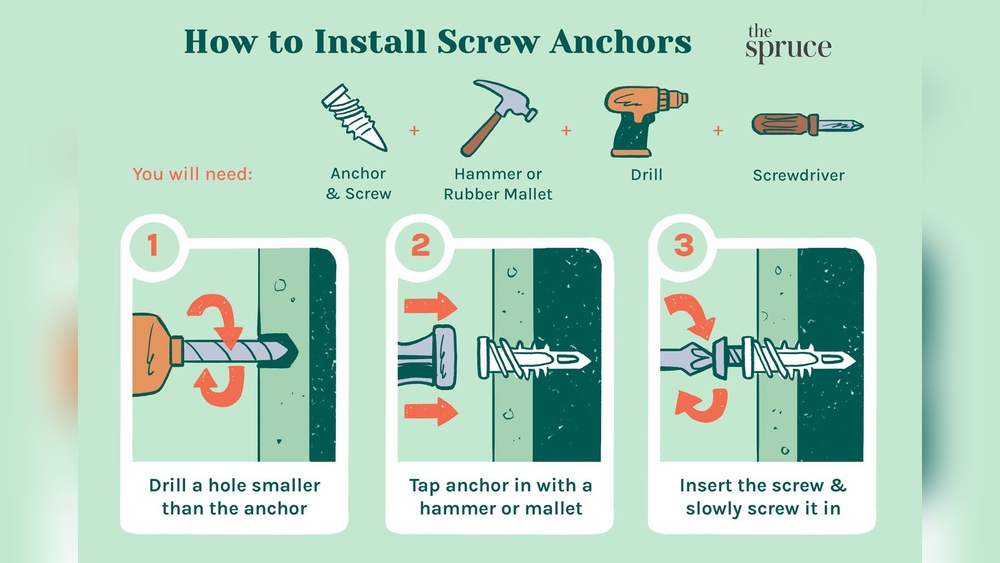
Use a drill bit smaller than your anchor size. Drill pilot holes at the marked points to guide the anchor. Keep the drill steady and straight to avoid wall damage. Clean out dust from holes before inserting anchors.

Credit: www.youtube.com
Installing Different Anchor Types
Different wall anchors serve different purposes. Choosing the right anchor depends on the wall type and the weight it must hold. Each anchor type requires a specific method for installation. Learning these methods helps ensure a secure hold.
Using Plastic Expansion Anchors
Plastic expansion anchors work well with drywall or plaster. Start by drilling a hole that matches the anchor size. Push the anchor gently into the hole until it is flush with the wall. Next, insert the screw into the anchor. As you tighten the screw, the anchor expands inside the wall. This expansion holds the anchor firmly in place.
Installing Toggle Bolts
Toggle bolts hold heavy items on hollow walls. Drill a hole large enough for the toggle wings to pass through. Thread the screw through the item you want to hang. Attach the toggle wings to the screw, folding them closed. Push the toggle through the hole until it opens inside the wall. Tighten the screw slowly. The wings spread and lock behind the wall, creating a strong hold.
Working With Molly Bolts
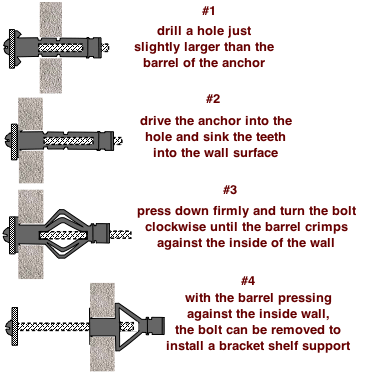
Molly bolts are ideal for medium-weight loads on drywall. Drill a hole slightly smaller than the molly bolt. Insert the bolt into the hole until the flange touches the wall. Use a screwdriver to turn the bolt. Turning expands the anchor inside the wall, gripping the drywall firmly. After expansion, remove the screw, attach your item, and screw it back in securely.
Securing The Mount
Securing the mount is a key step in putting an anchor in the wall. It holds the object firmly and keeps it safe. This part needs focus and care. A strong mount means your item will stay in place without falling. Follow simple steps to secure the mount well.
Inserting Screws Properly
Start by choosing the right screw size for the anchor. Insert the screw slowly into the anchor hole. Use a screwdriver or drill with low speed. Stop when the screw feels tight. Avoid over-tightening to prevent damage to the wall or anchor.
Ensuring Firm Attachment
Check that the mount touches the wall fully. The anchor should not move or wiggle. Tighten the screws just enough to hold the mount firmly. Make sure the mount sits flat against the surface. This creates a strong bond between mount and wall.
Testing Stability
Gently pull or push the mounted object to test it. The mount should not shift or loosen. Try applying light pressure to check strength. If it moves, tighten the screws a bit more. A stable mount means your anchor is secure and ready.
Credit: www.do-it-yourself-help.com
Troubleshooting Common Issues
Troubleshooting common problems with wall anchors helps keep your projects strong and safe. Simple fixes prevent damage and save time. Knowing how to handle issues makes hanging easier.
Loose Anchors
Loose anchors happen when the hole is too big. The anchor does not fit tightly and moves. To fix this, use a larger anchor or fill the hole with wood filler. Let it dry before inserting the anchor again. Tight anchors hold better and keep items secure.
Damaged Walls
Walls can get damaged if anchors are forced in. Cracks or crumbling happen from too much pressure. Use a drill with the right bit size for clean holes. If the wall is weak, try using anchors made for drywall or plaster. Repair cracks with spackle before adding anchors.
Anchor Pull-out Prevention
Pull-out happens when anchors do not grip the wall well. Choose anchors made for your wall type. Insert anchors fully and tighten screws slowly. Avoid overloading anchors with heavy items. Spread weight across multiple anchors for better hold.
Safety Tips For Wall Mounting
Safety is key when putting an anchor in the wall. It protects you and your home from damage. Following simple safety tips helps you work with confidence and avoid accidents. Always prepare before starting the job.
Protecting Yourself And The Wall
Wear safety glasses to protect your eyes from dust and debris. Use gloves to protect your hands from sharp tools. Keep your work area clean to avoid slips and falls. Place a cloth or cardboard under the spot to catch debris and protect the wall surface.
Using Proper Equipment
Choose the right drill bit for the anchor size. Use a drill with steady power to avoid slipping. Check that your tools are in good condition before starting. A level helps you place anchors straight and accurate. Use a stud finder to locate solid support in the wall.
Avoiding Electrical And Plumbing Hazards
Scan the wall for wires and pipes before drilling. Use a wire detector to avoid hitting electrical cables. Avoid areas near switches and outlets. Be cautious of plumbing pipes in kitchens and bathrooms. Drilling into wires or pipes can cause serious injury and costly repairs.

Credit: www.picturehangsolutions.com
Frequently Asked Questions
What Tools Do I Need To Put An Anchor In The Wall?
You need a drill, wall anchors, screws, a screwdriver, and a hammer. These tools help secure the anchor firmly in the wall.
How Do I Choose The Right Wall Anchor Type?
Select anchors based on wall material and weight load. Plastic anchors suit light loads, while metal anchors support heavier items.
Can I Put An Anchor In Drywall Without Studs?
Yes, use drywall anchors designed for hollow walls. They expand behind the drywall to hold weight securely.
How Deep Should I Drill Before Inserting An Anchor?
Drill a hole slightly deeper than the anchor length. This ensures the anchor fits fully and holds firmly.
Conclusion
Putting an anchor in the wall is simple with the right steps. Always choose the correct anchor for your wall type. Drill carefully and insert the anchor fully for a strong hold. Tighten screws gently to avoid damage. This method helps hang items safely and securely.
Practice makes the process easier each time. Now, you can hang pictures, shelves, or decorations with confidence. A small effort leads to a big difference in your home’s look. Try it yourself and see how neat your walls can be.