If you own a Racing 1.5 Ton Floor Jack, you already know how handy it can be for lifting your vehicle safely and quickly. But are you sure you’re using it the right way?
Using your floor jack properly is key to staying safe and getting the job done without any hassle. In this guide, you’ll discover simple, step-by-step instructions to help you use your Racing 1. 5 Ton Floor Jack like a pro.
By the end, you’ll feel confident handling your jack and ready to tackle any lifting task with ease. Keep reading—you don’t want to miss these essential tips that could save you time and keep you safe.
Choosing The Right Floor Jack
Choosing the right floor jack is key for safe and easy vehicle lifting. The right jack fits your car, your workspace, and your strength. It also ensures smooth and safe operation during repairs or tire changes. Below are important points to consider before buying a racing 1.5 ton floor jack.
Types Of Racing Floor Jacks
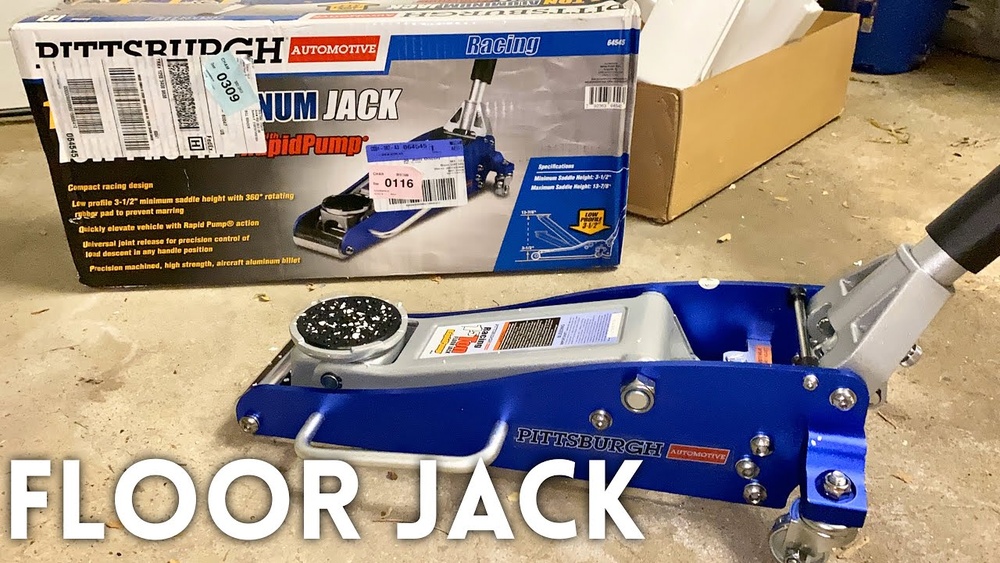
There are several types of floor jacks. Hydraulic jacks use fluid pressure to lift heavy loads. They are common and easy to use. Scissor jacks work by twisting a screw to lift the car. They are smaller but slower. Racing floor jacks are usually low profile and fast. They allow quick access under low cars.
Capacity And Size Considerations
Check the lifting capacity before buying. A 1.5 ton jack lifts up to 3,000 pounds. This suits most small cars and racing vehicles. Size matters too. A floor jack must fit under your car’s frame. Low profile jacks work best for sports cars with low clearance. Also, consider the jack’s weight for easy moving.
Material And Build Quality
Strong materials make a good floor jack last long. Steel jacks are heavy but very durable. Aluminum jacks are lighter and easier to carry. Look for a solid build with no loose parts. Check for smooth wheels and a sturdy handle. Good quality keeps you safe and makes the job easier.

Credit: yourpghlawyer.com
Preparing Your Vehicle
Preparing your vehicle is the first and most important step before using a Racing 1.5 Ton Floor Jack. Safety is key. Taking simple precautions helps prevent accidents and damage. Follow these steps to get your vehicle ready.
Selecting A Safe Work Area
Choose a flat, solid surface to work on. Avoid soft ground or slopes. Concrete or asphalt works best. Make sure there is enough light. Keep the area clear of tools and clutter. This reduces the risk of slipping or tripping.
Engaging Parking Brake And Wheel Chocks
Always set the parking brake firmly. This stops the vehicle from rolling. Place wheel chocks on the opposite wheels. Use sturdy blocks or rubber chocks. These add extra safety while lifting the car.
Locating Proper Jack Points
Find the correct lifting points under the vehicle. Check your owner’s manual for exact locations. These points are strong enough to support the car’s weight. Avoid lifting on weak parts like the bumper. Position the jack carefully to prevent damage.
Operating The Floor Jack
Operating a Racing 1.5 Ton Floor Jack requires care and attention. Using it correctly keeps you safe and protects your vehicle. Follow simple steps to lift your car smoothly and securely. Always focus on stability before starting any work under the vehicle.
Positioning The Jack Correctly
Place the floor jack near the vehicle’s lifting point. Check your car’s manual to find the exact spot. The jack must sit on a solid, flat surface. Align the jack saddle directly under the lifting point. This prevents slipping and damage to your car.
Lifting The Vehicle Smoothly
Use the handle to pump the jack slowly. Raise the car just enough to clear the ground. Avoid quick or jerky movements while lifting. Smooth lifting helps keep the vehicle steady. Stop pumping once the car reaches the needed height.
Checking Stability Before Work
After lifting, check the vehicle’s balance carefully. Make sure the car does not rock or shift. Use jack stands for extra support if possible. Never work under a car held only by the jack. Safety always comes first when using a floor jack.

Credit: www.harborfreight.com
Safety Practices During Use
Using a Racing 1.5 Ton Floor Jack requires careful attention to safety. This tool lifts heavy vehicles, so mistakes can cause injuries. Follow clear steps to protect yourself and others. Safety is not an option but a must during every use.
Avoiding Common Hazards
Place the jack on a flat, solid surface. Avoid soft or uneven ground that can make the jack tip. Check the jack for damage before use. Never work under a vehicle supported only by the jack. Keep hands and feet clear of moving parts. Avoid sudden movements or jerks while lifting.
Using Jack Stands For Support
Jack stands provide extra support and stability. After lifting the vehicle, place stands under strong points. Lower the vehicle slowly onto the stands. Do not rely on the jack alone to hold the weight. Use stands rated for the vehicle’s weight for safety.
Wearing Protective Gear
Wear gloves to protect your hands from cuts and grease. Use safety goggles to shield eyes from debris. Closed-toe shoes prevent foot injuries. Dress in clothes that fit well and do not catch on parts. Protective gear helps reduce risks during every task.
Maintaining Your Floor Jack
Maintaining your Racing 1.5 Ton Floor Jack helps it work safely and last longer. Regular care stops damage and keeps the jack ready for use. Small actions can prevent big problems.
Regular Inspection Tips
Check the floor jack for any cracks or dents. Look at the lifting arm and wheels for wear. Test the release valve to make sure it works well. Tighten loose bolts or nuts you find. Watch for leaks around the hydraulic system. Catch problems early to avoid accidents.
Lubrication And Cleaning
Keep moving parts smooth by adding grease or oil. Focus on the wheels, hinges, and lifting arm. Clean dirt and dust with a soft cloth after each use. Avoid water near the hydraulic system to prevent rust. Clean tools last longer and work better.
Storage Recommendations
Store the floor jack in a dry, clean place. Avoid areas with high moisture or dirt. Lower the jack fully before storing it. Keep it away from heavy objects that might damage it. Proper storage protects the jack from rust and damage.

Credit: www.harborfreight.com
Troubleshooting Common Issues
Troubleshooting common issues with your Racing 1.5 Ton Floor Jack helps keep it working well. Problems may stop the jack from lifting or make it unsafe to use. Knowing how to fix these can save time and money.
Jack Won’t Lift Properly
Check if the jack has enough hydraulic fluid. Low fluid can cause poor lifting power. Also, inspect for air trapped inside the system. Bleed the jack to release air. Make sure the release valve is fully closed. A loose valve stops the jack from building pressure.
Leaks And Hydraulic Problems
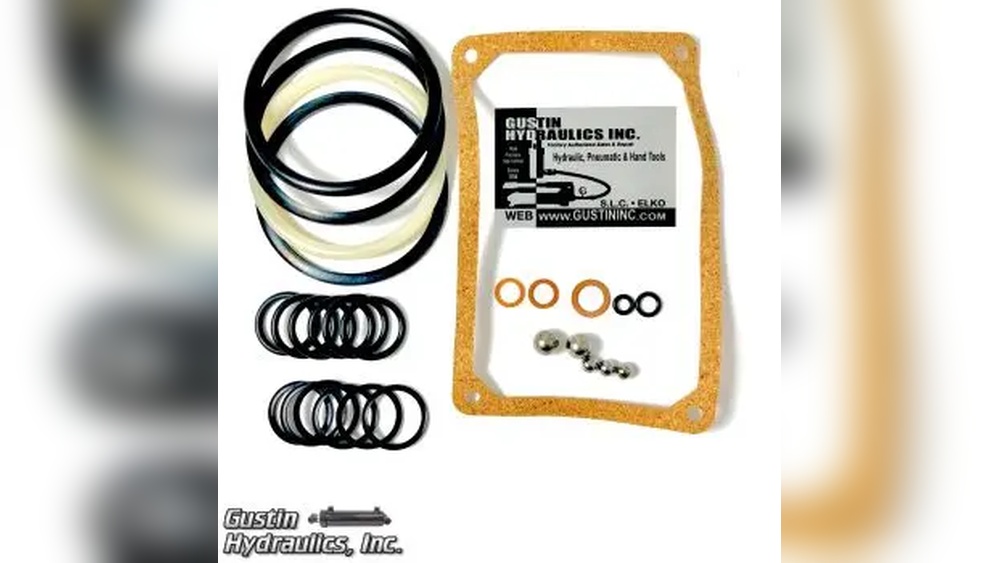
Look for oil spots under the jack. Leaks reduce hydraulic pressure and cause lifting issues. Tighten all bolts and seals carefully. Replace damaged seals or hoses immediately. Dirt or rust inside the hydraulic system can block fluid flow. Clean parts regularly to avoid this problem.
Unusual Noises Or Movements
Listen for squeaks, clicks, or grinding sounds during use. These noises suggest worn or dry parts. Apply lubricant to moving parts and joints. Check for loose bolts or damaged components. Wobbly movements may mean the jack is not stable. Always use the jack on a flat, solid surface.
Frequently Asked Questions
How Do I Safely Operate A Racing 1.5 Ton Floor Jack?
To operate safely, place the jack on a flat surface and engage the parking brake. Position the jack under the vehicle’s lifting point. Pump the handle slowly to lift. Never go under the vehicle without jack stands. Lower the jack gently after use.
What Vehicles Are Compatible With A 1.5 Ton Floor Jack?
A 1. 5 ton floor jack suits cars, small SUVs, and light trucks. It can lift vehicles weighing up to 3,000 pounds. Always check your vehicle’s weight before use to avoid damage or accidents.
How Do I Maintain My Racing 1.5 Ton Floor Jack?
Regularly check for oil leaks and keep the jack clean. Lubricate moving parts monthly to ensure smooth operation. Store it in a dry place to prevent rust. Inspect for damage before each use to maintain safety.
Can I Use A Racing 1.5 Ton Floor Jack On Uneven Surfaces?
No, always use the floor jack on a flat, stable surface. Uneven ground increases the risk of the jack slipping or collapsing. For safety, find a level area before lifting your vehicle.
Conclusion
Using a Racing 1. 5 Ton Floor Jack is safe and simple. Follow the steps carefully to lift your vehicle. Always check the jack’s condition before use. Place it on a flat, firm surface for stability. Remember to use jack stands for extra safety.
Regular maintenance keeps the jack working well. Practice these tips to handle your floor jack with confidence. Keep safety as your top priority every time. This tool makes vehicle lifting easier and safer. Trust the process and take your time.