Are you struggling to hang something heavy on your wall without worrying it might fall? Drywall anchors are the secret tool that can make your job easier and safer.
Whether you want to mount a shelf, hang a mirror, or secure a picture frame, knowing how to use drywall anchors correctly is a game-changer. You’ll discover simple, step-by-step instructions that anyone can follow. By the end, you’ll feel confident tackling your next wall project without fear of damage or failure.
Keep reading to unlock the easy way to secure your belongings and transform your space!
Choosing The Right Anchor
Choosing the right drywall anchor is important for a strong hold. Each anchor type fits different wall conditions and weights. Picking the best one keeps your items safe and secure. Understanding your options helps you avoid damage and extra work.
Types Of Drywall Anchors
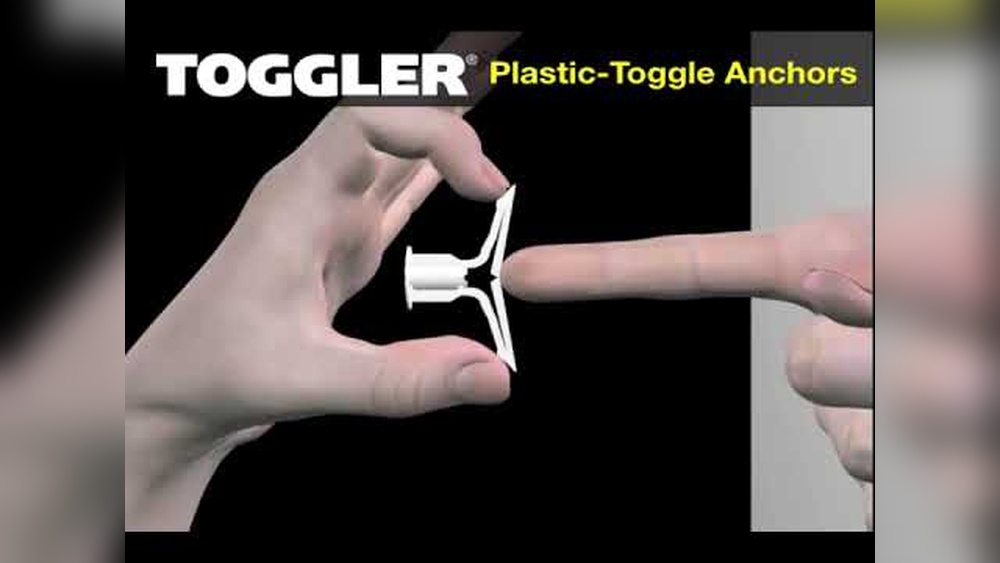
There are several types of drywall anchors. Plastic expansion anchors are common for light loads. They expand as you screw into them. Threaded anchors, also called self-drilling anchors, can be used without a drill. Toggle bolts have wings that open behind the wall for heavy loads. Molly bolts expand inside the wall for medium to heavy weight.
Matching Anchors To Wall Weight
Match the anchor to the weight of your item. Light items like small pictures need plastic anchors. Medium items like shelves require molly bolts. Heavy objects like large mirrors or TVs need toggle bolts. Using the wrong anchor risks falling and wall damage.
Tools Needed
Get the right tools before starting. A drill or screwdriver helps insert anchors. A drill bit may be needed for some anchors. A level keeps your item straight. A tape measure ensures correct placement. These tools make the job easier and safer.
:max_bytes(150000):strip_icc()/how-to-use-and-discard-anchor-screws-1822671-Final-ec8091ccf65241b1b1f888549f25003a.jpg)
Credit: www.thespruce.com
Preparing The Wall
Preparing the wall is the first step in using drywall anchors correctly. A well-prepared wall ensures the anchor holds firmly and supports the weight safely. Taking time to prepare helps avoid damage and keeps your project strong.
Locating Studs And Marking Spots
Find the studs in the wall using a stud finder or by tapping to hear solid areas. Mark the spots where you want to place the anchors. Avoid placing anchors directly in studs unless needed. Marking clearly helps guide your drilling and anchor placement.
Drilling Pilot Holes
Use a drill bit slightly smaller than the anchor size. Drill pilot holes at the marked spots slowly and straight. Pilot holes make it easier to insert anchors without cracking the drywall. Keep the drill steady to prevent damage.
Cleaning The Area
Remove dust and debris from the drilled holes and surrounding wall. Use a soft brush or vacuum cleaner for cleaning. A clean surface helps the anchor fit tightly and hold better. Dust-free holes prevent anchors from slipping out.
Installing The Anchor
Installing a drywall anchor is important for a strong hold. This step supports the weight of the item you hang. Different anchors need different methods for installation. Here are three common types and how to install each one.
Inserting Plastic Anchors
Start by drilling a hole in the drywall. Make sure the hole matches the anchor size. Push the plastic anchor into the hole. Tap it gently with a hammer until it is flush. Now, screw into the anchor to secure it tightly.
Using Toggle Bolts
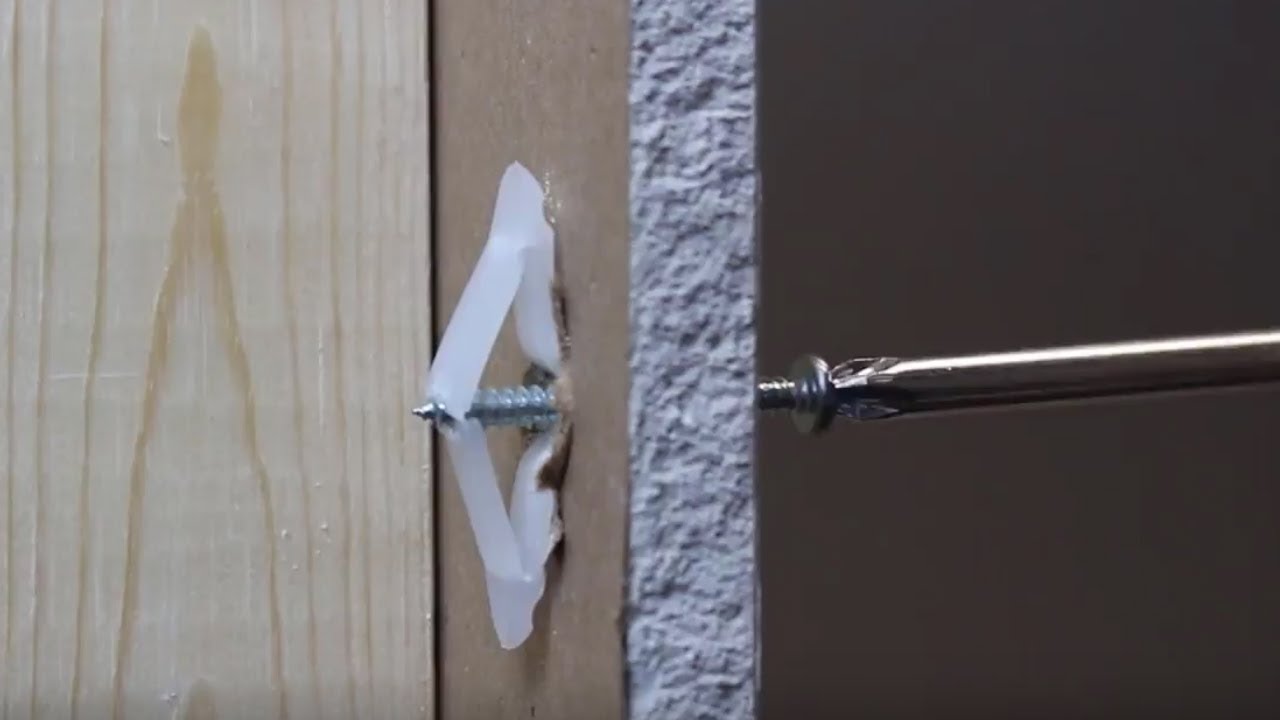
Drill a hole large enough for the toggle. Pinch the toggle wings closed and push it through. Once inside, the wings open behind the drywall. Pull back gently to lock it in place. Tighten the screw carefully to avoid damage.
Installing Molly Bolts
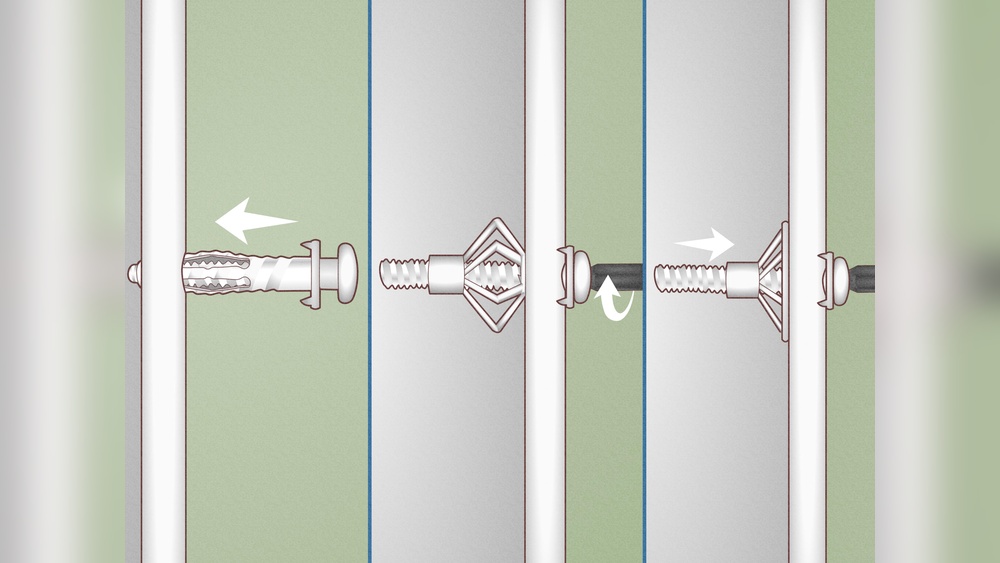
Drill a hole matching the molly bolt size. Insert the molly bolt into the hole. Use a screwdriver to turn the bolt. This action expands the sleeve behind the drywall. Tighten until the sleeve grips firmly.

Credit: www.picturehangsolutions.com
Mounting Your Item
Mounting your item on the wall with drywall anchors makes the job easy and secure. This process helps hold items safely without damaging the wall. Follow these steps to place your item perfectly and ensure it stays in place.
Aligning The Fixture
Start by holding your item against the wall. Check the position carefully. Use a level to keep it straight. Mark the spots where screws will go. This step helps avoid mistakes when drilling.
Securing Screws Properly
Insert the drywall anchors into the marked spots first. Then, place your item and line up the holes. Screw in slowly to avoid stripping the anchors. Tighten screws until the item feels firm but not loose.
Checking Stability
Gently shake the mounted item to test strength. It should not wobble or move. If it feels loose, tighten screws a bit more. Proper stability keeps your item safe on the wall.
Troubleshooting Common Issues
Troubleshooting drywall anchor issues helps keep your wall safe and strong. Problems may occur during or after installation. Knowing how to handle these problems avoids extra damage and saves time. This section guides you through common problems and fixes.
Dealing With Loose Anchors
Loose anchors do not hold items properly. Check if the anchor spins or moves in the hole. Tighten the screw carefully to avoid stripping the anchor. If the anchor remains loose, remove it and choose a larger size. Sometimes, switching to a different type of anchor works better.
Fixing Wall Damage
Wall damage happens if the anchor is too big or installed wrongly. Small holes can be filled with spackle or joint compound. For bigger holes, use a patch kit before repainting. Always smooth the surface after filling. Let the repair dry completely for a strong finish.
When To Use Alternative Supports
Drywall anchors are not for heavy items. Use wall studs or toggle bolts for heavy loads. Find studs with a stud finder for better support. When hanging shelves or TVs, studs provide safer support. Choose the right support based on the item’s weight and size.
Safety Tips And Best Practices
Using drywall anchors helps secure items to walls safely. Following safety tips keeps your walls strong and your tools safe. Best practices prevent damage and accidents during installation. Focus on these key areas for a successful project.
Avoiding Overloading
Check the weight limit of each drywall anchor. Never hang items heavier than the anchor’s rating. Spread weight evenly if using multiple anchors. Overloading can cause anchors to pull out or walls to crack. Choose anchors designed for the load you need to support.
Handling Tools Safely
Use the right tools for installing drywall anchors. Keep drills and screwdrivers steady and controlled. Wear safety glasses to protect your eyes from dust and debris. Keep your work area clean and free of hazards. Follow instructions carefully to avoid mistakes and injuries.
Maintaining Wall Integrity
Mark the wall before drilling to avoid errors. Drill slowly to prevent cracking the drywall. Use anchors suitable for your wall type. Avoid placing anchors too close to each other. Check for electrical wires or pipes behind the wall before drilling.
Credit: www.youtube.com
Frequently Asked Questions
What Is A Drywall Anchor Used For?
A drywall anchor secures heavy items to drywall without wall studs. It provides extra support and prevents damage. Anchors distribute weight evenly, ensuring your mounted objects stay in place safely.
How Do You Install A Drywall Anchor Properly?
First, drill a hole matching the anchor size. Insert the anchor flush with the wall. Then, screw in the screw until secure, avoiding overtightening to prevent wall damage.
Which Type Of Drywall Anchor Is Best?
Plastic expansion anchors are common for light loads. Metal anchors suit heavier items. Choose anchors based on item weight and wall thickness for optimal support.
Can Drywall Anchors Hold Heavy Objects Safely?
Yes, certain anchors like toggle bolts handle heavy loads. Always check the anchor’s weight rating before use. Proper installation is key to safely hanging heavy objects.
Conclusion
Drywall anchors help hang items safely and securely. Choose the right anchor for your wall type. Measure and mark carefully before drilling. Insert the anchor firmly without forcing it. Tighten screws just enough to hold weight. Small steps make the job easier and safer.
Practice patience and take your time. Soon, you will hang shelves, pictures, or mirrors with confidence. Drywall anchors make wall mounting simple and strong. Try these tips for your next project.