Are you tired of struggling to hang heavy items on your walls, only to have them fall unexpectedly? Butterfly wall anchors might be the simple solution you’ve been searching for.
These clever tools can hold strong in drywall and plaster, giving your shelves, mirrors, and decorations the support they need. In this guide, you’ll learn exactly how to use butterfly wall anchors step-by-step, so you can feel confident that your walls will hold steady.
Keep reading to discover the easy tricks that will make your next wall project a success.
Choosing The Right Butterfly Anchor
Choosing the right butterfly anchor is important for a secure hold. Different anchors fit different wall types and weights. Picking the wrong one can cause damage or failure. Learn how to select the best anchor for your project.
Types Of Butterfly Anchors
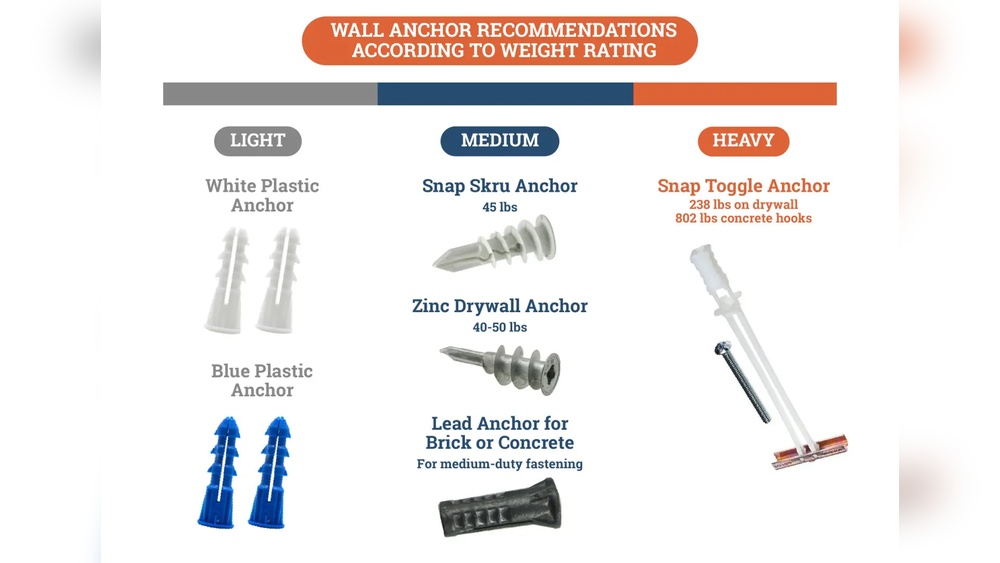
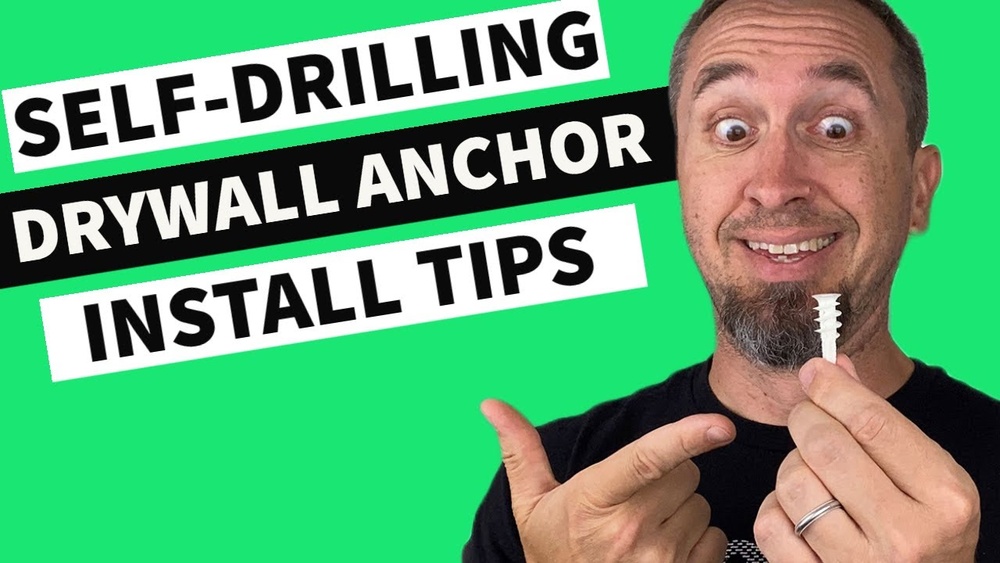
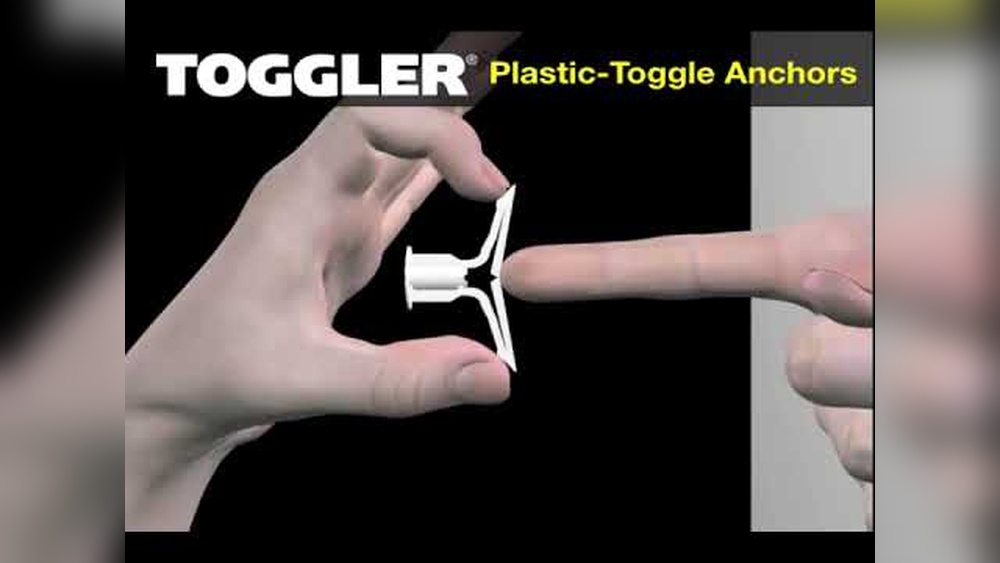
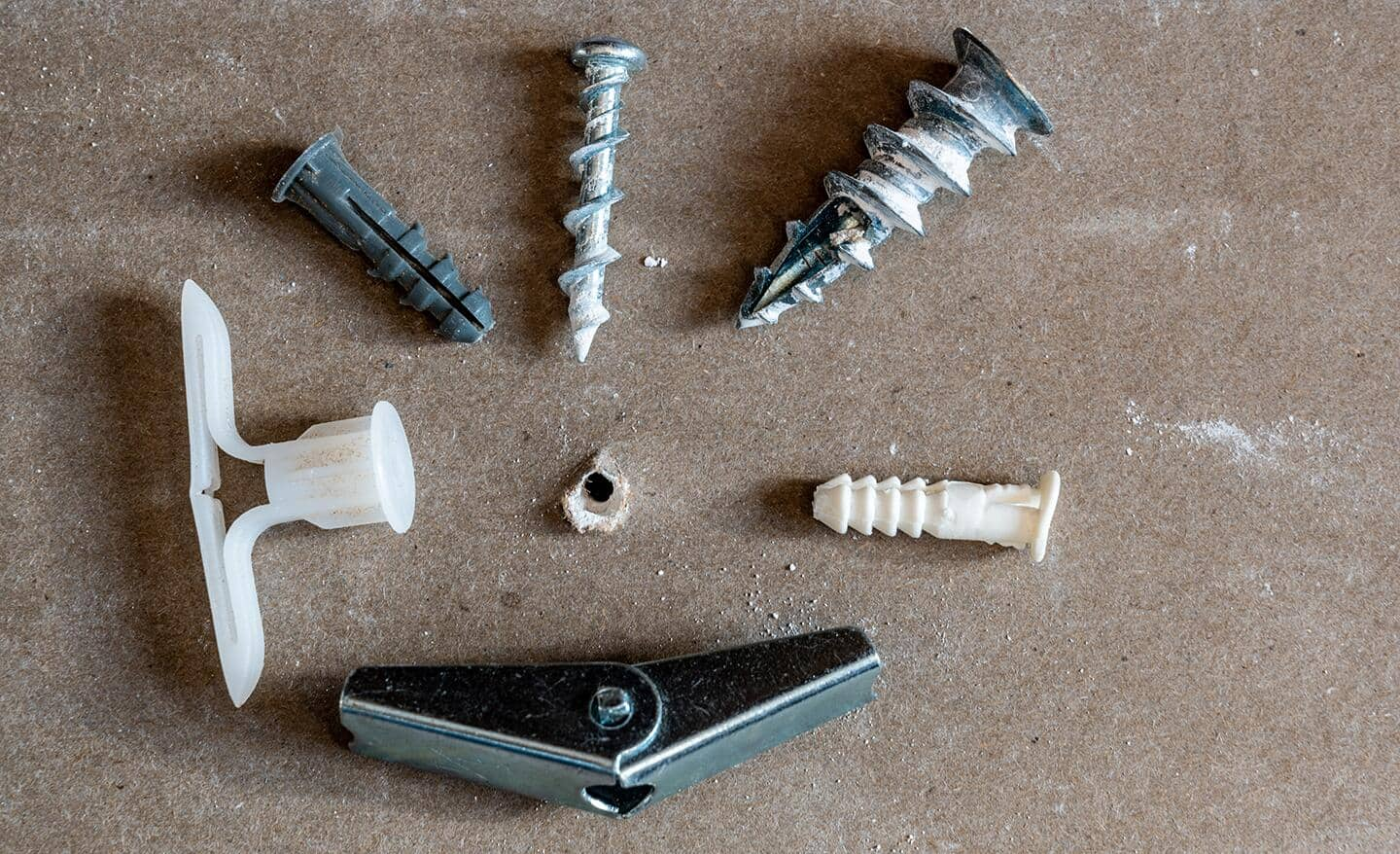
Butterfly anchors come in various types. Some have metal wings that open inside the wall. Others use plastic wings for lighter loads. Some anchors have self-drilling tips for easy installation. Knowing the type helps match the anchor to your wall.
Selecting Based On Wall Material
Wall material affects the anchor choice. Drywall needs anchors that spread wide inside. Plaster walls require gentle anchors to avoid cracks. Hollow walls need anchors that grip well behind the surface. Concrete or brick walls need special anchors or plugs. Choose anchors made for your wall type.
Weight Capacity Considerations
Check the weight you want to hang. Light items need small anchors. Heavy items need stronger anchors with higher weight ratings. Always pick an anchor rated above your item’s weight. This keeps your wall and items safe. Never guess the weight capacity.
Tools And Materials Needed
Before starting with butterfly wall anchors, gather the right tools and materials. This step ensures a smooth and safe installation. Having everything ready saves time and avoids mistakes. Let’s explore what you need to prepare.
Essential Tools
You will need a drill with a suitable drill bit for your wall type. A screwdriver or a power driver helps to tighten the anchor securely. A tape measure is useful for marking the exact spot for the anchor. A pencil or marker will make clear marks on the wall. A level can help keep your installation straight.
Safety Gear
Safety glasses protect your eyes from dust and debris. Wearing gloves can prevent cuts and improve grip. A dust mask is useful when drilling into drywall or plaster. Proper clothing helps avoid injuries during the work.
Preparing The Wall Surface
Clean the wall area to remove dust and loose paint. Use a damp cloth and let the wall dry fully. Check the wall for any damage or cracks. Fix any holes or weak spots before installing anchors. This step helps the anchor hold firmly and last longer.
Preparing The Wall
Preparing the wall is the first step to using butterfly wall anchors properly. This step ensures the anchor holds firmly and safely. Taking time here prevents mistakes and makes the whole process smoother.
Marking The Drill Points
Start by deciding where to place the anchor. Use a pencil to mark the exact spot on the wall. Double-check the marks before drilling. Correct marks help keep the anchor stable and straight.
Checking For Obstacles
Check behind the wall for wires, pipes, or studs. Use a stud finder or wall scanner for this. Avoid drilling into these obstacles to prevent damage and accidents. Clear walls make installation easier and safer.
Drilling The Correct Hole Size
Choose a drill bit that matches the butterfly anchor size. The hole must be just big enough for the anchor to fit tightly. Drill slowly and steadily to avoid cracking the wall. Proper hole size ensures strong holding power.
Credit: www.homedepot.com
Installing The Butterfly Anchor
Installing the butterfly wall anchor is a simple process. It provides strong support for hanging objects on drywall or hollow walls. This guide breaks down the steps clearly. Follow each step carefully for best results.
Inserting The Anchor
First, drill a hole in the wall. Make sure the hole matches the size of the anchor. Next, fold the butterfly wings together. Push the folded anchor into the hole gently. The anchor should fit snugly without force.
Securing The Anchor Inside The Wall
After inserting, the wings open inside the wall. This creates a wide grip behind the drywall. Pull the anchor slightly to check if it is secure. If it moves, push it back and try again.
Ensuring Proper Expansion
Now, insert the screw into the anchor. Tighten the screw slowly. Watch the butterfly wings expand fully inside the wall. This expansion locks the anchor in place. Stop tightening once the screw feels firm.
Mounting Your Object
Mounting your object with butterfly wall anchors makes hanging heavy items easier and safer. These anchors spread out behind the wall, providing strong support. Follow the right steps to ensure your object stays firmly in place without damage.
Aligning The Mounting Hardware
Place the object against the wall where you want to hang it. Hold it steady and mark the spots for screws. Match the mounting hardware holes with these marks. This step ensures your object hangs straight and balanced.
Tightening The Screws
Insert screws through the mounting hardware into the butterfly anchors. Turn the screws slowly using a screwdriver. Tighten until the anchor wings open fully behind the wall. Stop when the object feels secure, but avoid over-tightening to prevent damage.
Verifying Stability
Gently shake the object to test its hold. Check for any movement or looseness. If it shifts, tighten the screws a bit more. A stable mount means your object will stay safe and sound on the wall.

Credit: www.amazon.sg
Troubleshooting Common Issues
Troubles can occur while using butterfly wall anchors. Knowing how to fix these problems keeps your project safe and strong. Common issues include anchors slipping, wall damage, and loose screws. Each problem has a simple solution.
Anchor Slipping Or Pulling Out
Anchors slip when the hole is too big or the wall is weak. Check the hole size before inserting the anchor. Use a drill bit that matches the anchor size. Push the anchor until the wings open fully behind the wall. If it still slips, try a larger anchor or a different wall type.
Wall Damage Prevention
Prevent wall damage by using the right drill speed and pressure. Drill slowly and steadily to avoid cracking. Use anchors designed for your wall material, like drywall or plaster. Avoid over-tightening screws; this can crack the wall or break the anchor. Always test the anchor with light pressure first.
Dealing With Loose Screws
Loose screws reduce holding power and can cause damage. Tighten screws carefully until firm but not too tight. If screws stay loose, remove and check the anchor position. Replace the anchor if damaged. Use screws that fit the anchor size for best grip. Adding a drop of glue inside the anchor can help hold screws tight.
Tips For Long-lasting Mounts
Using butterfly wall anchors correctly ensures your items stay secure over time. Simple steps help keep mounts strong and reliable. Follow these tips to extend the life of your mounted objects.
Regular Maintenance Checks
Check your mounts often. Look for any loose screws or shifts in the anchor. Tighten screws if needed. Watch for cracks or damage around the anchor site. Early fixes prevent bigger problems later.
Avoiding Overloading
Know the weight limit of your butterfly wall anchor. Do not hang items heavier than recommended. Overloading puts stress on the anchor and wall. Use multiple anchors for heavier objects. Spread weight evenly to avoid damage.
Choosing Quality Anchors
Pick strong, durable butterfly anchors from trusted brands. Cheap anchors may break or fail. Quality anchors fit tightly and hold weight better. Read product details before buying. Investing in good anchors saves time and money later.

Credit: www.youtube.com
Frequently Asked Questions
What Are Butterfly Wall Anchors Used For?
Butterfly wall anchors secure heavy objects on drywall or hollow walls. They expand behind the wall, providing strong support. They prevent damage and ensure stability for shelves, mirrors, or cabinets. These anchors are ideal for medium to heavy loads where studs are unavailable.
How Do You Install Butterfly Wall Anchors?
To install, drill a hole matching the anchor size. Insert the folded anchor into the hole until flush. Tighten the screw to expand the anchor wings behind the wall. This locks the anchor firmly, allowing you to hang your item securely.
Can Butterfly Anchors Hold Heavy Items On Drywall?
Yes, butterfly anchors can hold medium to heavy items on drywall. Their expanding wings distribute weight evenly behind the wall. However, for very heavy items, using wall studs or specialized anchors is recommended. Always check the anchor’s weight rating before use.
Are Butterfly Wall Anchors Reusable?
No, butterfly wall anchors are not reusable. Once installed, removing the screw causes the wings to collapse and lose grip. For future use, a new anchor should be installed to ensure maximum support and safety for your wall hangings.
Conclusion
Butterfly wall anchors hold items firmly on drywall. They spread weight evenly to avoid damage. Using them is simple with the right steps. Choose the correct size for your project. Drill a hole, insert the anchor, and tighten the screw.
These anchors work well for shelves, pictures, and light fixtures. Proper use ensures strong, lasting support. Try them for a secure and neat finish.