Are you tired of struggling with loose screws and unstable wall hangings? Installing self drilling wall anchors can be the simple solution you need to secure your shelves, pictures, and decorations firmly in place.
In this guide, you’ll learn exactly how to install these anchors quickly and correctly, even if you’ve never done it before. By the end, you’ll feel confident tackling your next wall project with ease—and no more worries about things falling down.
Ready to make your walls stronger and your home safer? Let’s get started!
Choosing The Right Anchor
Choosing the right anchor is important for a strong hold and safe installation. The type of wall and the weight of the item you want to hang affect the choice. Using the wrong anchor can cause damage or make the fixture fall.
Types Of Self Drilling Wall Anchors
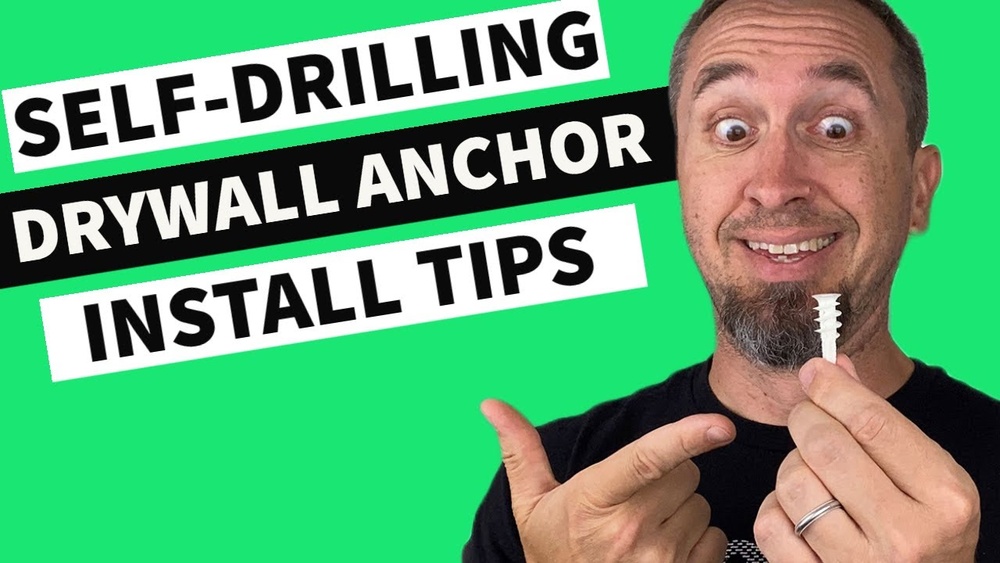
Self drilling wall anchors come in several types. Plastic anchors are good for light loads and simple tasks. Metal anchors hold heavier items and provide better strength. Some anchors have sharp threads for easy drilling. Others have wide threads to grip drywall better.
Choose an anchor based on the size and weight of your project. Small anchors suit light pictures or decorations. Large anchors work for shelves or heavy mirrors.
Matching Anchors To Wall Materials
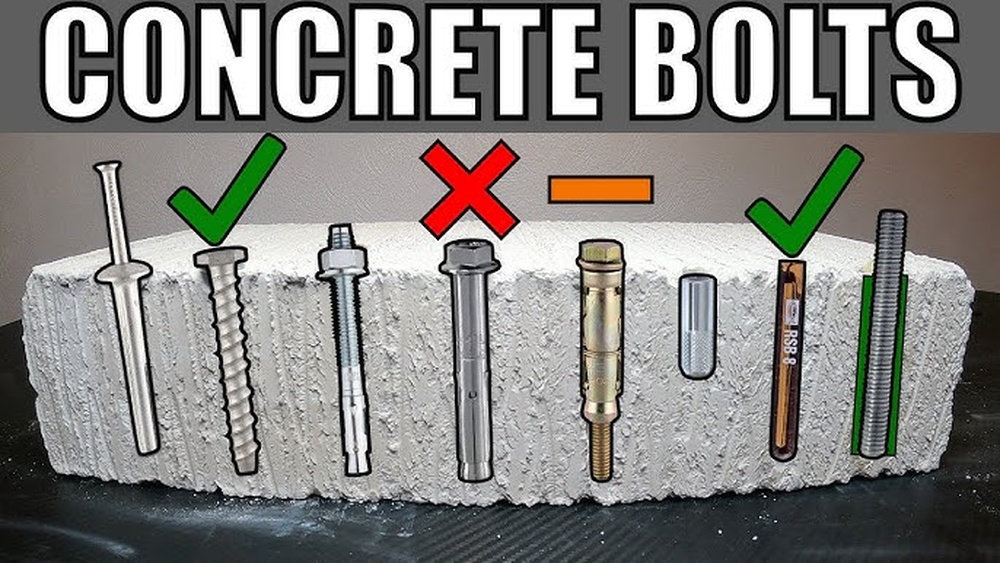
Different walls need different anchors. Drywall walls work well with plastic or metal self drilling anchors. For plaster walls, use anchors designed to prevent cracking. Concrete or brick walls require heavy-duty metal anchors.
Check your wall type before buying anchors. A solid match ensures the anchor holds tight and lasts long. Using the right anchor avoids damage and keeps your items secure.
Tools And Materials Needed
Before installing self drilling wall anchors, gather all necessary tools and materials. Having everything ready saves time and avoids frustration. It ensures a smooth and safe installation process.
Essential Tools
You need a drill with a screwdriver bit. This helps to drill holes and drive anchors easily. A tape measure is useful to mark the exact spot. A pencil or marker helps to mark drilling points clearly. A level ensures anchors are straight and even. A hammer may be needed to tap anchors gently into the wall. These basic tools make the job easier and faster.
Safety Equipment
Wear safety goggles to protect your eyes from dust and debris. Gloves protect your hands from sharp edges and rough surfaces. A dust mask helps to avoid breathing in dust particles. Use ear protection if your drill is loud. Safety equipment keeps you safe and comfortable during work. Always prioritize safety for a risk-free experience.
Preparing The Wall
Preparing the wall is the first step in installing self drilling wall anchors. It makes sure the anchors hold tight and last long. Taking time to prepare the wall helps avoid damage and ensures a secure fit. The process includes finding the best spots and making the surface ready.
Locating Studs And Marking Spots
Start by finding the wall studs. Use a stud finder for accurate results. Studs give strong support for heavy items. Mark the spots where you want to place the anchors. Use a pencil to make small, clear marks. Check twice before drilling to avoid mistakes. Marking spots helps guide the installation and keeps it precise.
Cleaning The Surface
Clean the wall surface before installation. Dust and dirt can stop the anchors from gripping well. Use a dry cloth or a soft brush to wipe the area. For greasy or sticky spots, use a mild cleaner and let it dry. A clean surface helps the anchor stay firm and prevents slipping. It also makes the installation smoother and easier.
Installing The Anchor
Installing a self drilling wall anchor is a simple task that anyone can do. It makes hanging heavy items on walls much easier. The process includes three main steps: drilling the pilot hole, inserting the anchor, and securing it firmly. Each step ensures the anchor holds tight and supports weight well.
Drilling The Pilot Hole
Start by marking the spot where you want to place the anchor. Use a drill bit slightly smaller than the anchor’s diameter. Drill a hole straight into the wall at the mark. The hole should be deep enough to fit the anchor completely. Clean out any dust or debris from the hole. This helps the anchor grip better.
Inserting The Anchor
Take the self drilling anchor and align it with the hole. Push the anchor into the hole slowly. Turn the anchor clockwise to help it cut into the wall. Keep turning until the anchor is flush with the wall surface. Avoid forcing it too hard to prevent damage.
Securing The Anchor
Use a screwdriver or drill to tighten the anchor fully. The anchor’s threads will expand inside the wall. This expansion locks the anchor in place firmly. Test the anchor by gently pulling on it. It should feel secure and not move. Now it is ready to hold screws and support weight.
Testing Anchor Stability
Testing anchor stability is a vital step after installing self drilling wall anchors. It ensures the anchor holds firmly in the wall. This step prevents damage and keeps your items secure. You can test stability with simple actions. This helps avoid future problems.
Applying Load
Start by gently applying weight or pressure on the anchor. Use the item you plan to hang or a similar weight. Apply force slowly to check if the anchor stays in place. Avoid sudden or heavy force, which can cause damage. If the anchor holds the load, it is stable and reliable.
Checking For Movement
Look closely at the anchor for any movement or shifting. Use your hand to wiggle the item attached to the anchor. Even slight movement can mean the anchor is loose. If it moves, tighten the anchor or reinstall it. A stable anchor should feel firm with no wiggle.

Credit: www.youtube.com
Common Mistakes To Avoid
Installing self drilling wall anchors seems easy, but mistakes can cause problems. Avoiding common errors helps your anchors hold strong. These tips save time and keep your walls safe.
Over-tightening
Over-tightening anchors can break them or damage the wall. Tighten just enough to hold firmly. Stop turning once the anchor feels secure. Too much force can strip the anchor’s threads. This makes the anchor loose and weak.
Wrong Anchor Selection
Using the wrong anchor type leads to poor support. Match the anchor to your wall material. Drywall needs different anchors than concrete or brick. Check the weight of the item you want to hang. Choose an anchor rated for that weight. Wrong anchors can cause items to fall.
Maintenance And Removal Tips
Proper care of self drilling wall anchors ensures they hold strong over time. Regular checks help spot issues early. Safe removal protects your walls and tools. Follow these tips to maintain and remove anchors correctly.
Inspecting Anchors Regularly
Check anchors for looseness or damage every few months. Gently wiggle them to see if they move. Look for cracks or rust on the anchor and surrounding wall. Tighten any loose anchors carefully with a screwdriver. Early fixes stop bigger problems later. Keep an eye on load changes that may stress the anchor.
Safe Anchor Removal
Use the right tools for removal, like pliers or a screwdriver. Turn the anchor slowly counterclockwise to unscrew it. Avoid pulling hard to prevent wall damage. For anchors stuck inside, drill them out carefully. Patch holes after removal with filler or putty. Smooth the surface for repainting or new anchors. Handle anchors gently to protect your wall’s surface.

Credit: clinicadentalrociomontero.com

Credit: www.amazon.ca
Frequently Asked Questions
What Tools Are Needed For Installing Self Drilling Wall Anchors?
You need a drill or screwdriver, the self drilling wall anchor, and a compatible screw. A pencil and level help with precise placement.
Can Self Drilling Anchors Hold Heavy Objects On Drywall?
Yes, self drilling anchors can support medium to heavy loads on drywall when installed correctly. Check weight ratings for safety.
How Do You Prepare The Wall For Anchor Installation?
Clean the wall surface and mark the exact spot. No pre-drilling is needed; anchors drill directly into drywall.
Are Self Drilling Wall Anchors Reusable After Removal?
Generally, self drilling anchors are not reusable. Removing them may damage the anchor or wall, so use new anchors for reinstallation.
Conclusion
Installing self-drilling wall anchors is quick and easy. Choose the right anchor size for your wall and item. Mark the spot clearly before starting. Drill the anchor straight into the wall without pre-drilling. Tighten the screw carefully to hold your item firmly.
This method saves time and effort. You can hang pictures, shelves, or light fixtures safely. Follow these steps for a strong and secure hold every time. Practice makes perfect. You’ll feel confident handling your own wall projects soon.