Are you ready to hang that heavy shelf or mount something important on your concrete wall, but unsure how to make it stay strong and secure? Anchoring in concrete can feel tricky if you don’t know the right steps.
But don’t worry—this guide will walk you through simple, clear instructions that anyone can follow. By the end, you’ll have the confidence to tackle your project without fear of things falling down. Keep reading, and learn how to make your anchors hold tight every time.

Credit: www.frontierbasementsystems.com
Types Of Concrete Anchors
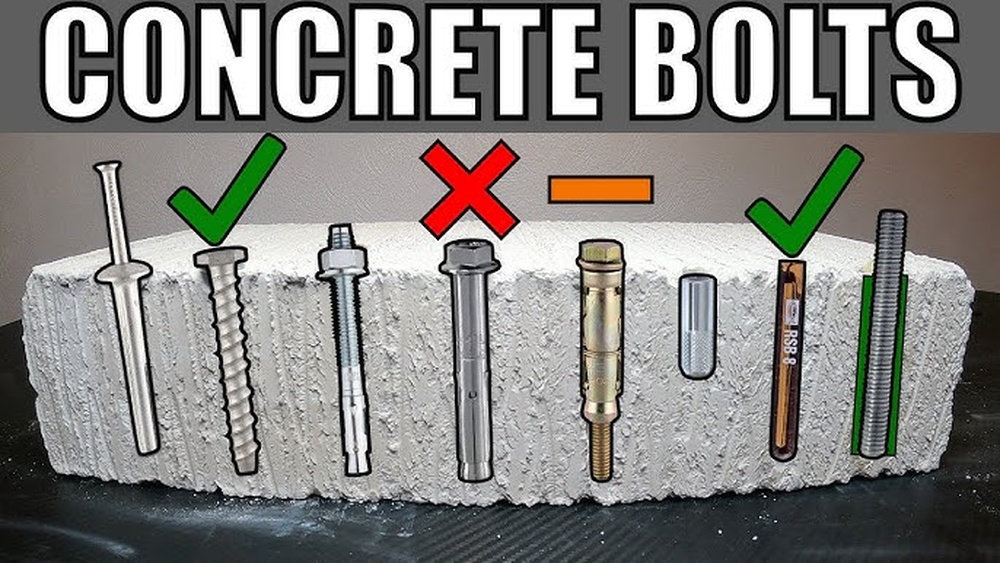
Concrete anchors secure objects to concrete walls. Choosing the right anchor ensures strong and safe support. Different types suit different needs and wall conditions. Learn about common concrete anchors below.
Expansion Anchors
Expansion anchors grip concrete by expanding inside drilled holes. Tightening the bolt spreads the anchor against the hole walls. They work well for light to medium loads. Easy to install with basic tools.
Sleeve Anchors
Sleeve anchors have a metal sleeve that expands during installation. This creates a tight fit in the concrete. Good for medium to heavy loads. They hold well in cracked and uncracked concrete.
Wedge Anchors
Wedge anchors use a wedge-shaped end to lock firmly in the concrete. Hammered into a drilled hole, then tightened for a strong hold. Ideal for heavy loads and outdoor use. They resist vibration and movement.
Chemical Anchors
Chemical anchors use special adhesives for strong bonding. Mixed resin fills the hole and secures the anchor rod or bolt. Perfect for irregular or weak concrete. Provide high strength for heavy-duty applications.

Credit: www.amazon.com
Tools And Materials Needed
Anchoring into a concrete wall requires the right tools and materials. Using proper equipment makes the job easier and safer. It also ensures a strong hold for your anchors. Prepare all items before you start to save time and avoid mistakes.
Drill And Drill Bits
A power drill is essential for making holes in concrete. Use a hammer drill for best results. Choose drill bits designed for concrete, usually made of carbide. The size of the bit should match the anchor diameter. Keep bits sharp to avoid damage to the wall.
Anchors And Screws
Concrete anchors come in various types. Common types include sleeve anchors, wedge anchors, and plastic anchors. Match the anchor size to the screw and the load it will hold. Use screws that fit tightly into the anchor. This combination keeps fixtures secure on the wall.
Measuring Tools
Accurate measurements are key to proper anchor placement. Use a tape measure to find distances and mark points. A pencil or marker helps mark drill spots clearly. A level ensures the anchors align straight. Precise marks prevent errors and weak fixes.
Safety Gear
Protect yourself with safety gear. Wear safety glasses to shield eyes from dust and debris. Use ear protection if the drill is loud. Gloves protect your hands from sharp edges and rough concrete. Dust masks prevent inhaling concrete dust. Safety keeps the task injury-free.
Preparing The Wall
Preparing the wall is the first step to anchor securely in concrete. This step ensures safety and strength for your project. It involves choosing the right spot, marking drill points, and checking for obstacles. These tasks help avoid mistakes and damage.
Selecting The Right Spot
Pick a spot on the wall that is solid and flat. Avoid areas with cracks or weak concrete. Look for a place that can hold the weight of what you want to anchor. Stay away from edges to prevent the concrete from breaking.
Marking Drill Points
Use a pencil or marker to mark exact points where you will drill. Measure carefully to keep the marks even and level. This helps the anchor hold better and looks neat. Double-check the marks before drilling.
Checking For Obstacles
Scan the wall for pipes, wires, or metal inside. Use a stud finder or metal detector for safety. Avoid drilling into obstacles to prevent damage or injury. Knowing what is behind the wall saves time and problems later.

Credit: www.youtube.com
Drilling The Hole
Drilling a hole in a concrete wall is a key step in anchoring. It must be done carefully for a strong hold. The right size and technique matter a lot. Also, cleaning the hole helps the anchor fit well. Let’s explore these steps in detail.
Choosing The Correct Drill Bit Size
Select a drill bit that matches the anchor size exactly. Too small means the anchor won’t fit. Too large makes the anchor loose. Check the package of your anchor for size details. Use a carbide-tipped masonry bit for concrete walls.
Drilling Technique
Use a hammer drill to make the job easier. Hold the drill steady and straight against the wall. Drill at a slow, steady speed. Avoid pushing too hard; let the drill do the work. Drill to the depth required by the anchor instructions.
Cleaning The Hole
Remove dust and debris from the hole using a brush or compressed air. A clean hole helps the anchor grip better. Avoid leaving dust inside, as it weakens the hold. Check the hole depth again after cleaning to ensure it’s correct.
Installing The Anchor
Installing an anchor in a concrete wall is a crucial step for a strong hold. This step ensures your fixture stays safe and steady. Follow the right method to avoid damage and get the best grip.
Inserting The Anchor
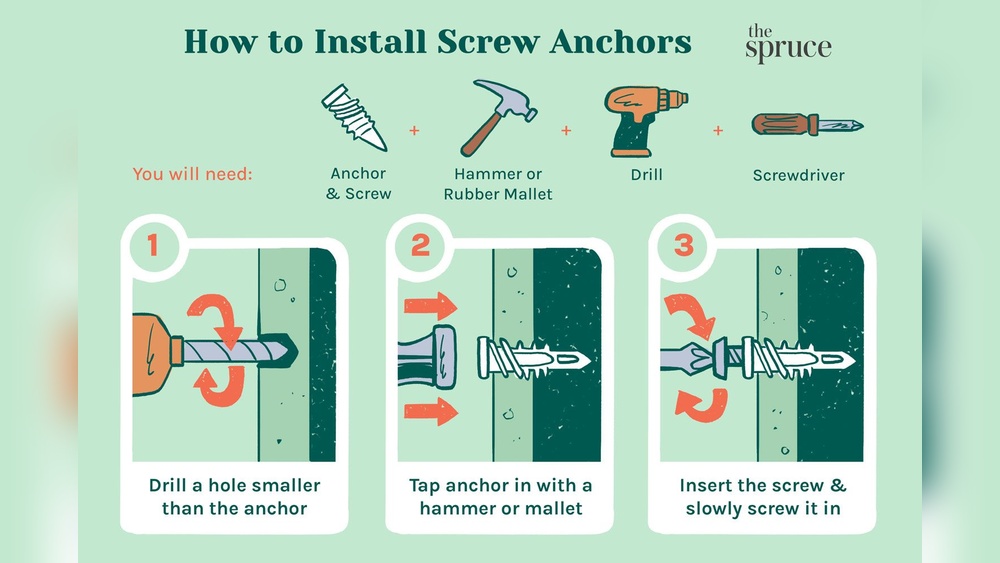
Start by cleaning the drilled hole. Remove dust and debris with a brush or air blower. Place the anchor carefully into the hole. Tap it gently with a hammer until it sits flush. Avoid forcing it too hard to prevent cracks.
Tightening And Securing
Next, insert the bolt or screw into the anchor. Use a wrench or screwdriver to tighten it slowly. Stop once you feel resistance. Over-tightening can weaken the anchor’s grip. Tighten just enough to hold the fixture firmly.
Testing The Fixing
Check the anchor’s strength by applying gentle pressure. Move the fixture slightly to see if it shifts. A firm hold means the anchor is secure. If loose, remove and try a larger anchor or deeper hole.
Tips For Strong Fixings
Anchoring in a concrete wall needs careful steps for strong fixings. Good fixings hold the object tightly and last long. Weak fixings can cause damage or accidents. Follow key tips for a secure hold every time.
Avoiding Common Mistakes
Do not use the wrong size drill bit for anchors. Too big or small holes reduce grip strength. Clean dust from the hole before inserting the anchor. Dust stops the anchor from fitting tightly. Avoid over-tightening screws; this can crack the concrete or damage the anchor.
Maintaining Anchor Integrity
Choose anchors made for concrete walls only. Use anchors rated for the load you need to support. Check anchors regularly for rust or wear. Replace damaged anchors immediately. Store unused anchors in a dry place to keep them strong.
When To Use Multiple Anchors
Use more than one anchor for heavy or large objects. Spread anchors evenly to share the load. This prevents stress on a single point. Multiple anchors increase safety and stability. Follow product guidelines for the right number of anchors needed.
Frequently Asked Questions
What Tools Do I Need To Anchor In A Concrete Wall?
You need a hammer drill, masonry bit, anchor bolts, a hammer, and a wrench. These tools ensure secure and accurate anchoring in concrete.
How Deep Should I Drill For Concrete Anchors?
Drill a hole slightly deeper than the anchor length. This prevents debris buildup and allows proper anchor expansion for a strong hold.
Can I Use Regular Screws For Concrete Walls?
No, regular screws won’t hold in concrete. Use concrete anchors or masonry screws designed specifically for concrete walls.
What Types Of Anchors Work Best In Concrete?
Wedge anchors, sleeve anchors, and drop-in anchors work best. Choose based on load requirements and wall thickness for secure fixing.
Conclusion
Anchoring in a concrete wall is easier than it seems. Choose the right anchor for your project. Drill carefully and clean the hole well. Insert the anchor firmly and tighten it just enough. Avoid overtightening to prevent damage. Follow these steps for a strong hold every time.
Proper anchoring keeps your items safe and secure. Practice patience, and you will succeed. Simple tools and clear steps make the job smooth. Now, you can tackle your concrete wall with confidence.