Are you tired of struggling to hang things on your outdoor cement walls? Whether it’s garden tools, decorations, or lighting, putting hooks into cement can feel tricky and frustrating.
But it doesn’t have to be that way. You’ll discover simple, step-by-step methods that make the job easier and more secure. By the time you finish reading, you’ll have the confidence and know-how to get your hooks in place without damage or hassle.
Keep reading, and let’s make your outdoor space organized and stylish!
Credit: www.youtube.com
Choosing The Right Hooks
Choosing the right hooks for outdoor cement walls is important for safety and durability. The right hook holds the item firmly without damaging the wall. Not all hooks work well with cement. Some can slip or rust quickly outdoors. Knowing the type, strength, and material helps you pick hooks that last long and work well.
Types Suitable For Cement Walls
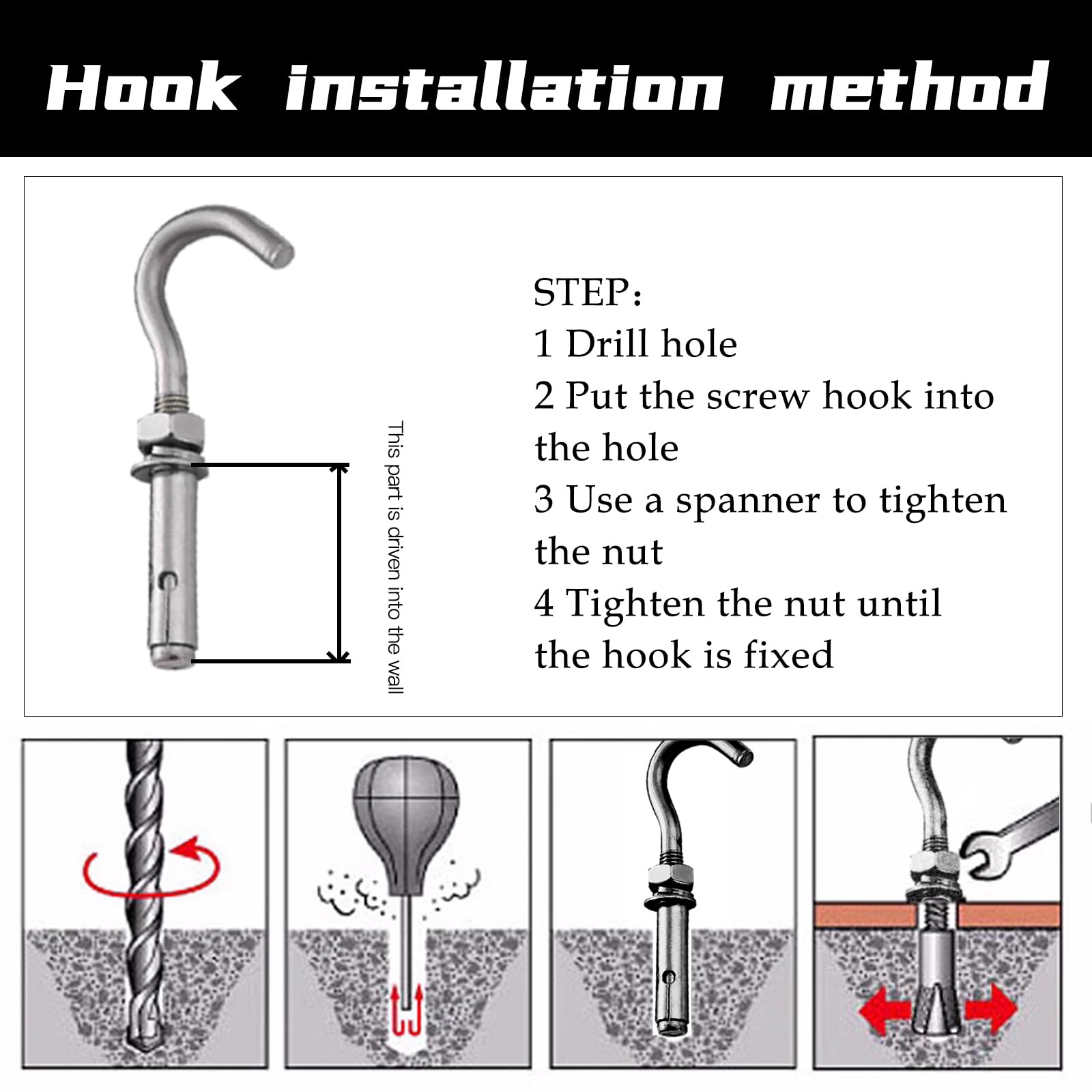
Look for hooks made for masonry or concrete. Sleeve anchors and expansion bolts work well. These hooks expand inside drilled holes for a strong hold. Masonry screws also fit directly into pre-drilled holes. Avoid simple nails or adhesive hooks; they fail on rough cement surfaces.
Load Capacity Considerations
Check the hook’s weight limit before buying. Each hook has a maximum load it can hold safely. Heavy items need hooks with higher load ratings. Overloading hooks can cause them to pull out or break. Always choose hooks that hold more than your item’s weight.
Rust-resistant Materials
Outdoor hooks face rain and moisture. Rust can weaken the hook and stain walls. Pick hooks made from stainless steel or coated with rust-resistant paint. Galvanized hooks resist rust too. These materials keep hooks strong and good-looking for years.
Credit: www.ntmpo.sk
Tools And Materials Needed
Installing hooks into outdoor cement walls requires the right tools and materials. Having these ready makes the job easier and safer. This section covers the basic items needed for the task. Each tool plays an important role in securing hooks firmly to cement surfaces.
Drill And Masonry Bits
A drill is necessary to create holes in the cement wall. Use a drill with enough power for hard surfaces. Masonry bits are special drill bits made for cement and stone. Choose the correct size to match your anchors and screws. Sharp bits make clean holes and prevent cracking.
Anchors And Screws
Anchors hold screws tightly in the cement. Use anchors designed for outdoor cement walls. They expand inside the hole to secure the hook. Match the anchors with the right screw size. Screws should be rust-resistant for outdoor use. This prevents damage from weather over time.
Safety Gear Essentials
Safety is key when drilling into cement walls. Wear safety goggles to protect your eyes from dust and debris. Use gloves to protect your hands from rough surfaces. A dust mask helps avoid inhaling cement dust. Proper gear keeps you safe during the project.
Preparing The Cement Wall
Preparing the cement wall is the first step before putting hooks into it. A clean and well-marked surface helps the hooks stay strong and last longer. Taking time to check for hidden utilities protects you and the wall during installation.
Follow these simple steps for a safe and secure hook placement.
Cleaning The Surface
Remove dirt, dust, and loose paint from the wall. Use a stiff brush or a cloth for cleaning. A clean surface helps the hooks stick better. Avoid using water if the wall is very old or crumbly. Let the wall dry completely before moving on.
Marking Hook Positions
Decide where you want to place the hooks. Use a pencil or chalk to mark spots on the wall. Measure distances carefully for even spacing. Clear marks make drilling easier and more accurate. Double-check your marks before drilling holes.
Checking For Hidden Utilities
Look out for electric wires, water pipes, or gas lines inside the wall. Use a stud finder or a utility scanner to detect them. Avoid drilling near these utilities to prevent accidents. If unsure, consult a professional before starting the work.
Drilling Into Cement Walls
Drilling into cement walls requires care and the right tools. Cement is hard and can crack if drilled too fast or with too much force. Preparing the wall and drilling correctly ensures strong, clean holes for your hooks. Below are important tips to drill safely and effectively.
Drill Speed And Pressure
Use a slow drill speed to avoid overheating the bit. Too fast can damage the drill and wall. Apply steady, moderate pressure. Pressing too hard may crack the cement. Let the drill bit do the work.
Hole Depth And Diameter
Match the hole size to your anchor or hook. Check the packaging for exact diameter and depth. Drill deeper than the anchor length to fit it fully. Avoid shallow holes that weaken the hold.
Avoiding Cracks And Damage
Start with a small pilot hole to guide the drill. Use a masonry drill bit designed for cement. Keep the drill perpendicular to the wall for straight holes. Clean dust from the hole to help anchors grip better.
Installing Anchors And Hooks
Installing anchors and hooks into outdoor cement walls makes hanging items safe and strong. This process needs care and the right steps. You must prepare the wall and choose the right tools. Then, you insert anchors and attach hooks properly. This keeps your items secure and the wall undamaged.
Inserting Anchors Properly
Start by drilling a hole that matches the anchor size. Use a hammer drill for best results. Clean out dust from the hole with a brush or air blower. Insert the anchor gently until it fits flush with the wall. Avoid forcing the anchor to prevent cracks.
Securing Hooks Firmly
Choose hooks that fit your anchors well. Screw the hook into the anchor until tight. Use a wrench if the hook needs extra strength. Make sure the hook sits straight and steady. Loose hooks can cause damage or accidents.
Testing Hook Stability
After installation, test the hook’s strength carefully. Apply light pressure first to check for movement. Gradually increase weight to the desired load. Watch for any cracks or shifts in the wall. A stable hook will hold firmly without signs of strain.

Credit: www.command.com
Maintenance And Longevity
Maintaining hooks on outdoor cement walls helps them last longer and stay strong. Proper care avoids damage from weather and daily use. This section guides how to keep hooks and walls in good shape.
Regular Inspections
Check hooks often for cracks or looseness. Tighten screws or replace damaged parts right away. Look for signs of wall cracks near the hooks. Early fixes stop bigger problems later.
Cleaning Hooks And Walls
Remove dirt and debris from hooks and wall surfaces. Use a soft brush or cloth with mild soap and water. Avoid harsh chemicals that can harm cement or metal. Clean hooks keep them working well and looking good.
Preventing Rust And Wear
Apply a rust-resistant coating on metal hooks. Use paint or spray designed for outdoor use. Keep hooks dry by removing water after rain. Rust weakens hooks and can damage the wall. Proper care stops rust and extends hook life.
Common Mistakes To Avoid
Putting hooks into outdoor cement walls seems simple. Many make mistakes that cause damage or weak holds. Avoiding common errors helps hooks stay strong and safe. Here are key mistakes to watch out for.
Wrong Anchor Selection
Choosing the wrong anchor can ruin your project. Some anchors do not fit cement walls well. Use anchors made for concrete or masonry only. Plastic anchors often fail in hard cement. Metal anchors hold better and last longer.
Inadequate Drilling Techniques
Drilling is not just about making a hole. Drill slowly and steady to avoid cracks. Use a hammer drill with a masonry bit. Do not drill too deep or too shallow. Clean dust from the hole before inserting anchors.
Overloading Hooks
Hooks have weight limits. Hanging heavy items on small hooks causes pull-out. Check the weight rating before buying hooks. Spread weight over multiple hooks for heavy objects. Overloading leads to wall damage and accidents.
Frequently Asked Questions
How Do You Drill Into Outdoor Cement Walls?
Use a hammer drill with a masonry bit to drill holes in cement. Mark the spot, drill slowly, and wear safety gear.
What Type Of Hook Works Best For Cement Walls?
Use heavy-duty hooks with anchors designed for masonry. Screw them into pre-drilled holes for strong, secure holds.
Can I Install Hooks Without Anchors In Cement Walls?
No, anchors are essential for stability. They expand inside the hole, holding hooks firmly in cement.
How Deep Should I Drill Holes In Cement Walls?
Drill holes slightly deeper than the anchor length. This ensures the anchor fits securely and supports weight well.
Conclusion
Putting hooks into outdoor cement walls is simple with the right tools. Choose the correct anchors and drill carefully. Take your time to ensure the hooks stay strong and secure. These steps help you hang items safely outside. Now, you can hang plants, decorations, or lights with ease.
Enjoy your improved outdoor space without worry. Practice makes perfect, so don’t rush the job. You’ll feel proud of your work every time you see it.