Are you worried about the stability of your foundation wall? When a foundation wall faces overturning forces, securing it properly can make all the difference.
Learning how to anchor bolt to an overturning foundation wall is key to keeping your structure safe and strong. You’ll discover simple, effective steps that you can follow to reinforce your wall and prevent costly damage. Keep reading to find out how to protect your home or project with the right anchoring techniques.
Types Of Overturning Forces
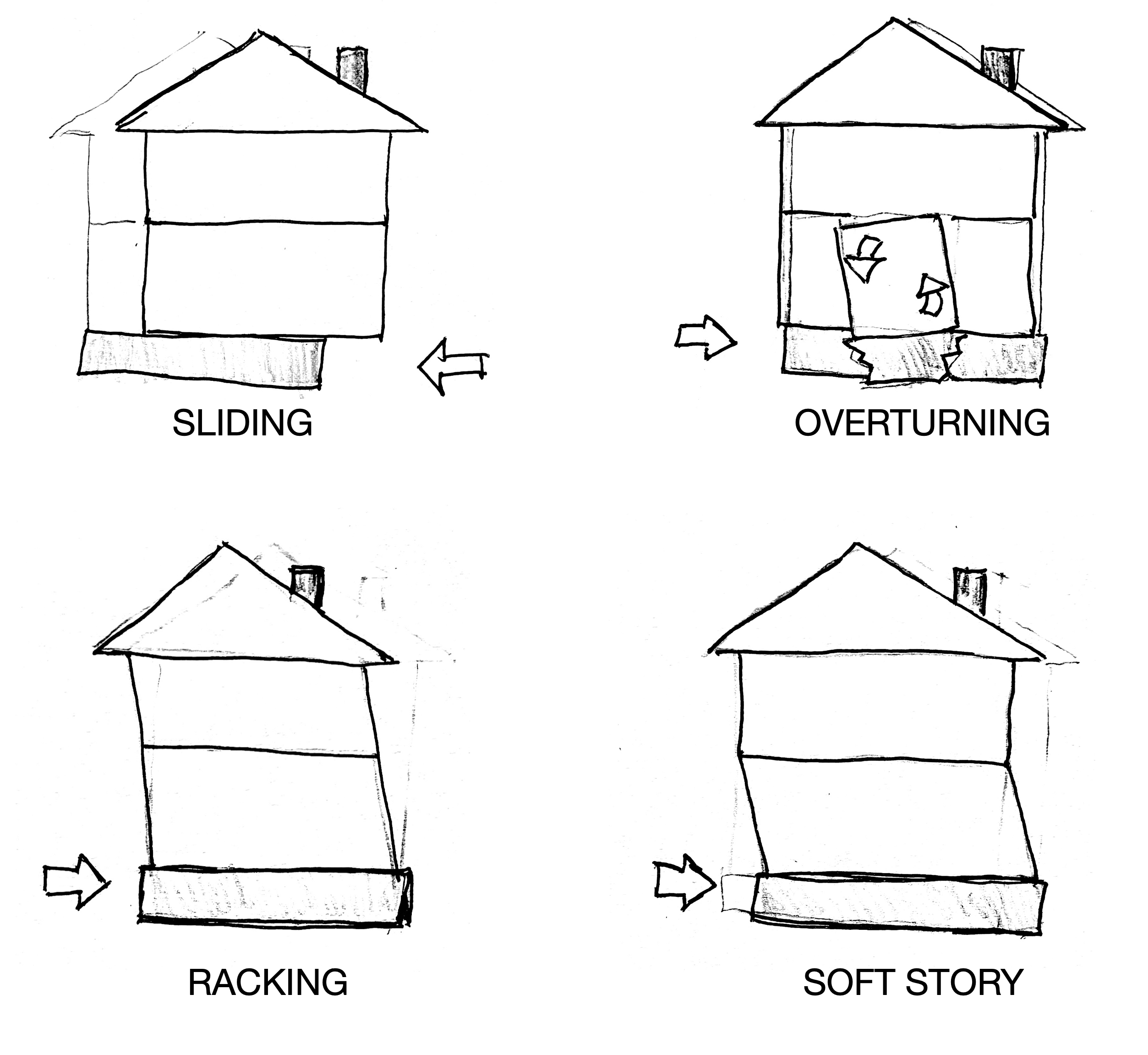
Overturning forces can push a foundation wall beyond its limits. These forces make the wall tilt or even fall. Understanding the types of overturning forces helps in choosing the right anchor bolt method. The main forces that cause overturning are wind loads, seismic activity, and soil pressure.
Wind Loads
Strong winds push against walls with great force. Tall buildings and exposed structures face higher wind loads. Wind pressure can cause walls to lean or crack. Proper anchoring resists these forces and keeps the wall steady.
Seismic Activity
Earthquakes shake the ground and buildings violently. This sudden movement puts stress on foundation walls. Seismic forces can cause walls to overturn or break apart. Anchors must be strong and flexible to absorb these shocks.
Soil Pressure
Soil around a foundation wall pushes inward. Wet or loose soil increases this pressure. This force can tilt the wall if not controlled. Drainage and proper anchoring reduce soil pressure damage.
Credit: www.nachi.org
Anchor Bolt Selection
Selecting the right anchor bolt is key to securing an overturning foundation wall. The choice affects the wall’s strength and durability. Understanding the factors behind bolt selection helps build a safer structure.
Material Choices
Anchor bolts come in different materials. Steel is the most common due to its strength. Stainless steel offers better resistance to rust and corrosion. Some projects use galvanized steel for extra protection. Choose material based on the environment and load requirements.
Bolt Sizes And Grades
Bolt size impacts the holding power on the foundation wall. Larger diameters offer higher strength. The length should embed deeply into the concrete. Bolt grades indicate the steel’s strength level. Higher grades mean stronger bolts that resist stress and force better.
Corrosion Resistance
Corrosion weakens anchor bolts over time. Coastal or wet environments need bolts with high corrosion resistance. Coatings like galvanizing shield bolts from rust. Stainless steel resists corrosion naturally. Protecting bolts ensures long-term stability of the foundation wall.
Foundation Wall Preparation
Preparing the foundation wall is the first step to anchor bolts correctly. This step ensures a strong hold and prevents future damage. Careful preparation makes the installation safe and lasting. Follow these simple tasks to get the wall ready for anchoring bolts.
Surface Cleaning
Remove dirt, dust, and loose materials from the wall surface. Use a wire brush or a stiff broom to clean the area well. Clean surfaces help the anchor bond tightly. Avoid leaving any grease or oil on the wall.
Drilling Techniques
Use a hammer drill with a masonry bit for best results. Drill straight into the wall to avoid weak spots. Start with a small hole first, then widen it if needed. Keep the drill steady and avoid shaking.
Hole Depth And Diameter
Check the anchor bolt size before drilling the hole. The hole should be slightly deeper than the bolt length. The diameter must match the bolt size exactly. This fit keeps the bolt secure and prevents movement.
Installation Methods
Anchoring bolts to an overturning foundation wall requires strong, reliable methods. The right installation method ensures safety and long-lasting support. Several approaches exist, each with unique benefits. Choosing the correct method depends on the wall type, load needs, and materials used. Understanding these methods helps make a better choice for your project.
Mechanical Anchors
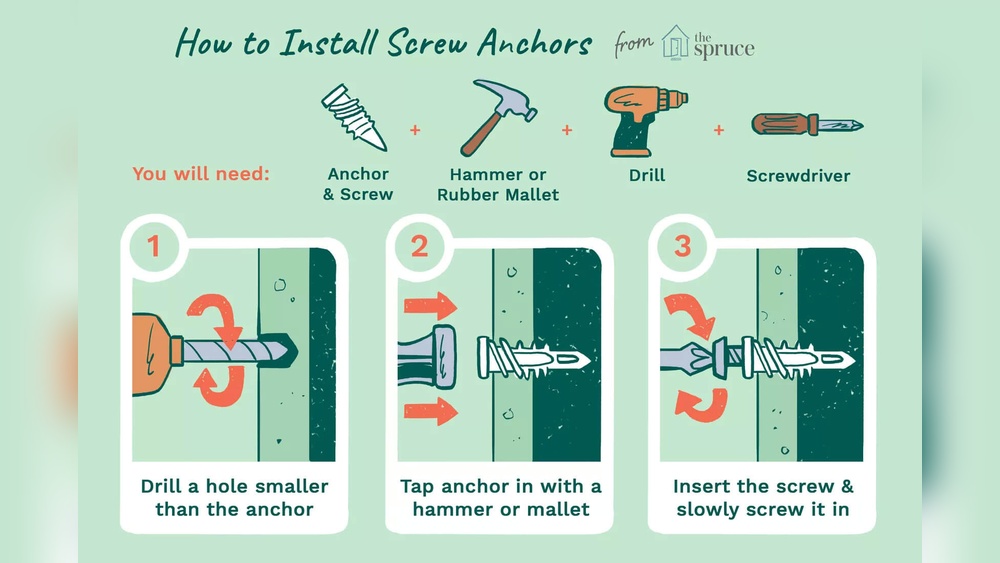
Mechanical anchors attach bolts directly to the foundation wall. They use expansion or sleeve designs to grip the concrete. Installation is quick and requires drilling a hole. The anchor expands inside the hole, holding the bolt firmly. Mechanical anchors work well for medium loads and solid concrete. They are easy to inspect and replace if needed.
Chemical Anchors
Chemical anchors use resin or epoxy to secure bolts. A hole is drilled, cleaned, and filled with adhesive. The bolt is then inserted, bonding with the wall. This method offers strong holding power and flexibility. It works well on cracked or hollow concrete. Chemical anchors resist vibration and heavy loads effectively. Proper curing time is essential for maximum strength.
Embedded Bolts
Embedded bolts are set into concrete before it cures. They become part of the foundation wall itself. This method provides the highest strength and durability. It suits new constructions or major repairs. Embedded bolts handle large overturning forces well. Placement must be precise to align with structural needs. They require careful planning but offer long-term stability.
Load Distribution Strategies
Distributing load properly is key to anchoring bolts on an overturning foundation wall. Poor load distribution can cause stress points that weaken the wall. Applying the right strategies helps spread the forces evenly. This keeps the wall stable and extends its lifespan.
Bolt Spacing
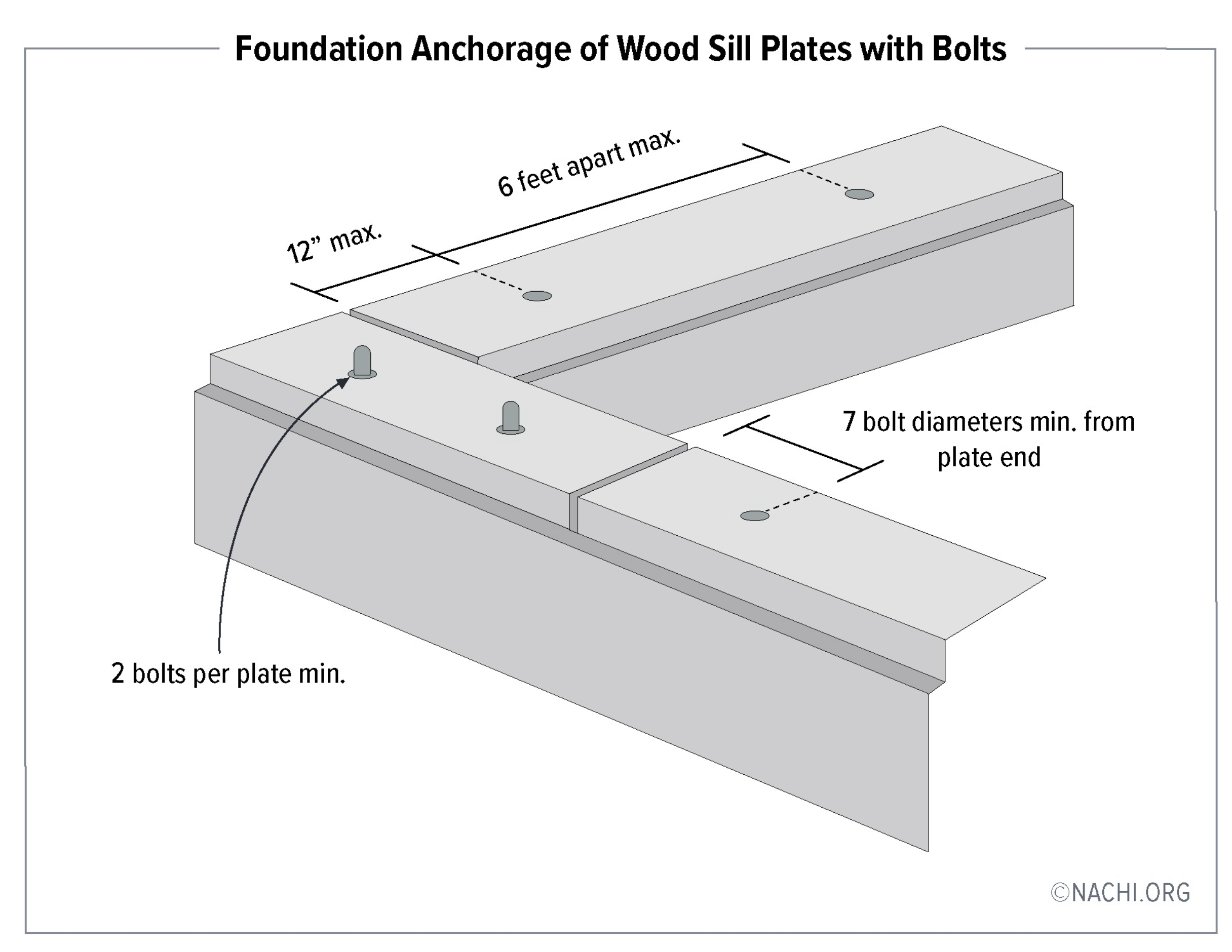
Spacing bolts correctly ensures the load spreads across the wall. Place bolts close enough to avoid gaps where stress can build. Too far apart bolts may cause the wall to crack under pressure. Follow engineering guidelines for exact spacing based on wall size and load.
Using Plates And Washers
Plates and washers help spread the load from bolts over a larger area. They reduce pressure on the wall’s surface. This prevents bolt heads from digging into the wall. Use washers made of strong material that resists corrosion. Plates should be sized to cover enough wall area around each bolt.
Reinforcement Integration
Integrate bolts with wall reinforcement like steel bars or mesh. This combination shares the load between bolts and reinforcement. It strengthens the wall against overturning forces. Tie bolts securely to reinforcement for better support. Proper integration ensures the wall acts as one strong unit.
Credit: www.nachi.org
Inspection And Maintenance
Inspection and maintenance are key to keeping anchor bolts secure in overturning foundation walls. Regular care helps spot problems early. This prevents major damage and costly repairs.
Regular Checks
Check anchor bolts at least twice a year. Look for rust, cracks, or loose bolts. Use a flashlight to see hard spots clearly. Note any changes from past inspections.
Signs Of Wear Or Damage
Rust or corrosion weakens the bolts. Cracks in the wall near bolts show stress. Loose bolts can shift under pressure. Watch for bends or breaks in the metal.
Repair Techniques
Clean rust with a wire brush before repairs. Tighten loose bolts with a wrench. Replace bolts that show deep damage. Use epoxy or grout to fill cracks around bolts. Seal the area to stop water from entering.
Common Mistakes To Avoid
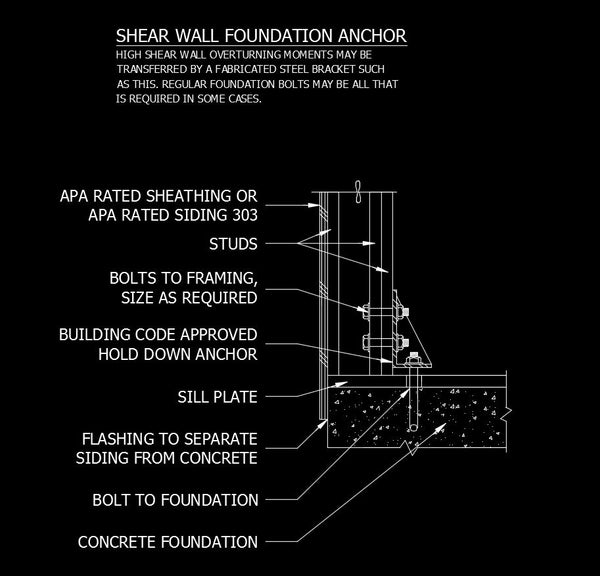
Anchoring bolts to an overturning foundation wall requires care and precision. Mistakes can weaken the structure and cause safety risks. Knowing common errors helps you avoid costly repairs and ensures the wall stays strong. Here are some frequent mistakes to watch out for.
Improper Bolt Placement
Placing bolts too close to the edge weakens the wall. It can cause cracks or breaks. Bolts must be spaced evenly and set at the right depth. Incorrect placement reduces their ability to hold the wall against forces.
Ignoring Load Calculations
Each foundation wall faces different forces. Not calculating these loads leads to wrong bolt size or number. Underestimating loads causes bolts to fail. Always measure the expected load and choose bolts that match the strength needed.
Using Wrong Materials
Using low-quality or wrong-type bolts causes rust and damage. Bolts must resist weather and soil conditions. Steel bolts with proper coating last longer. Avoid cheap materials that can corrode or break under pressure.
Credit: www.cadblocksdownload.com
Frequently Asked Questions
What Is The Purpose Of An Anchor Bolt In Foundation Walls?
Anchor bolts secure structural elements to foundation walls. They prevent movement and resist overturning forces caused by wind or seismic activity, ensuring stability and safety of the entire structure.
How Do You Install Anchor Bolts In An Overturning Wall?
Drill holes into the foundation wall, insert anchor bolts, and tighten nuts. Use epoxy or grout for extra strength. Proper positioning and depth are critical to resist overturning forces.
What Materials Are Best For Anchor Bolts In Foundation Walls?
Steel anchor bolts, especially galvanized or stainless steel, are ideal. They provide high strength, corrosion resistance, and long-term durability under varying environmental conditions around foundation walls.
How To Calculate The Size Of Anchor Bolts For Overturning Walls?
Calculate based on load forces, wall thickness, and material strength. Use engineering formulas or consult structural codes to determine bolt diameter, length, and embedment depth for adequate resistance.
Conclusion
Anchoring bolts to an overturning foundation wall keeps structures safe and steady. Use the right tools and follow clear steps for strong support. Check bolts often to avoid damage or wear. Small fixes now prevent big problems later. Strong foundations mean lasting buildings.
Stay careful and precise throughout the process. Your efforts protect both the wall and the entire structure. Simple actions lead to great results.