Lifting your car safely and efficiently is essential whenever you need to change a tire or do maintenance. But if you don’t use a floor jack properly, you risk damaging your vehicle—or worse, injuring yourself.
You might think it’s simple, but there are key steps and safety tips you must follow to get it right every time. In this guide, you’ll learn exactly how to use a floor jack the right way, so you can feel confident and stay safe while working on your car.
Keep reading to master the skills that can save you time, money, and stress.

Credit: www.youtube.com
Types Of Floor Jacks
Floor jacks are essential tools for lifting vehicles safely. Different types of floor jacks fit different tasks and vehicles. Knowing their features helps you choose the right one. Below are the main types of floor jacks used in garages and homes.
Hydraulic Floor Jacks
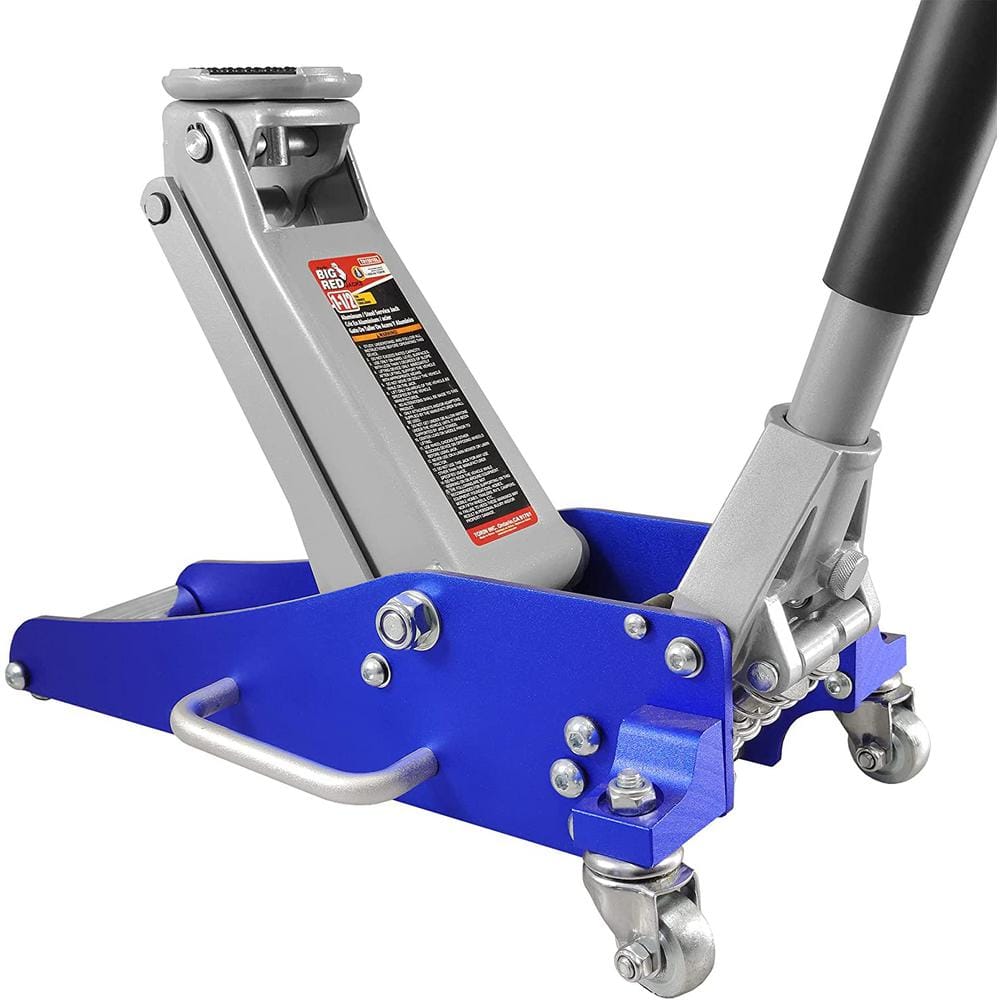
Hydraulic floor jacks use fluid pressure to lift heavy loads smoothly. They have a pump handle that raises the jack quickly. These jacks provide stable and strong lifting power. They are common in car repair shops and home garages. Hydraulic jacks work well on flat, hard surfaces.
Scissor Floor Jacks
Scissor floor jacks are compact and lightweight. They use a screw mechanism to raise the jack. Turning the screw lifts the vehicle slowly and steadily. These jacks are often included with cars for emergency tire changes. They work best for light to medium loads.
Bottle Floor Jacks
Bottle floor jacks have a vertical design that looks like a bottle. They use hydraulic pressure like hydraulic floor jacks. Bottle jacks are strong and can lift heavy trucks or SUVs. Their small base makes them easy to store. They work well on solid, flat surfaces but can be less stable than other types.
Credit: www.yourmechanic.com
Preparing Your Workspace
Preparing your workspace is the first step to using a floor jack safely and effectively. A clean, stable area helps prevent accidents. It also makes your work easier and faster. Take time to get your space ready. This preparation protects you and your vehicle.
Selecting A Level Surface
Choose a flat, hard surface for your floor jack. Avoid soft ground like dirt or grass. Uneven areas can cause the jack to slip or tip. Concrete or asphalt is best. A level surface keeps the vehicle stable while lifting.
Clearing The Area
Remove all objects around your work zone. Clear tools, debris, and anything that might block your movement. This space helps you move safely. It also prevents tripping or knocking things over. Make sure you have room to place and operate the jack.
Gathering Necessary Tools
Collect all tools before starting. You will need wheel chocks, the floor jack, and jack stands. Have a lug wrench ready if you plan to remove wheels. Preparing tools in advance saves time. It helps you focus on the job without interruptions.
Inspecting The Floor Jack
Inspecting the floor jack is a vital step before every use. It keeps you safe and protects your vehicle. Regular checks can prevent accidents and costly repairs. Follow these simple steps to make sure your floor jack works correctly.
Checking For Damage
Look closely at the jack’s body. Check for cracks, dents, or rust on metal parts. Examine the wheels for smooth movement and any wear. Look at the lifting arm and saddle for bends or deformities. Do not use the jack if you see damage.
Verifying Fluid Levels
Hydraulic floor jacks need proper fluid to work well. Find the fluid reservoir cap and open it carefully. Check the fluid level inside. It should be near the top but not overflowing. Add the correct hydraulic fluid if the level is low. Avoid mixing different types of fluids.
Testing Movement And Locks
Pump the handle slowly to raise the jack. The lifting arm should move smoothly without jerks. Lower the jack and check if it descends evenly. Test the locking mechanism to ensure it holds the load firmly. If the jack does not move or lock properly, do not use it.
Credit: www.rockmanjewelry.com
Positioning The Jack Correctly
Positioning the floor jack correctly is crucial for safe and effective lifting. Incorrect placement can cause damage or accidents. Take time to find the right spot and set the jack properly. This step ensures stability and protects both you and your vehicle during the lift.
Locating The Jack Points On The Vehicle
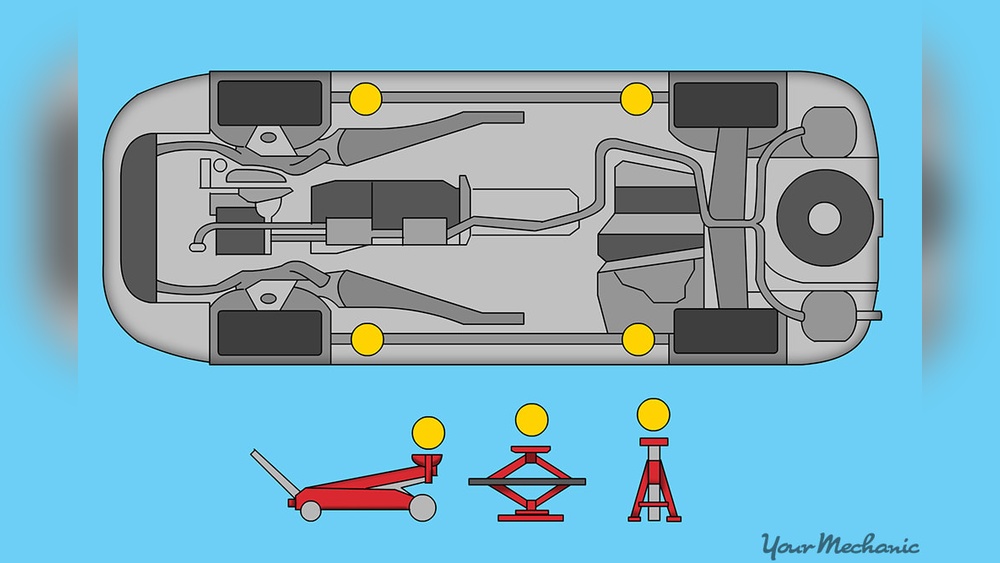
Every vehicle has specific jack points designed to hold the weight safely. Check your owner’s manual for exact locations. These points are often reinforced areas near the wheels or frame. Avoid placing the jack under parts like the exhaust or body panels. Using the right jack points prevents damage and keeps the vehicle balanced.
Aligning The Jack Safely
Place the jack saddle directly under the jack point. Make sure it sits flat and stable. The jack handle should be easy to reach for controlled lifting. Align the jack so it lifts straight up without tilting. Proper alignment stops the vehicle from slipping or falling during the lift.
Avoiding Unstable Surfaces
Always use the jack on a hard, level surface. Soft or uneven ground can cause the jack to tip over. Avoid dirt, grass, gravel, or slopes. Use a solid concrete or asphalt floor whenever possible. If needed, place a wooden board under the jack for extra support. Stability is key to safe lifting.
Operating The Floor Jack
Operating a floor jack correctly is key to safe vehicle maintenance. It helps lift the car smoothly and keeps it steady. This part explains the right steps to use the floor jack safely. Follow each step carefully to avoid accidents and damage.
Raising The Vehicle Smoothly
Place the floor jack under the vehicle’s lifting point. Pump the handle slowly and steadily. Avoid sudden moves to keep the car balanced. Stop if you feel any unusual resistance. Lift the vehicle until there is enough space to work underneath.
Monitoring Stability
Check the floor jack’s position often. Make sure the jack sits flat on the ground. Watch the car for any side-to-side movement. If the vehicle wobbles, lower it and adjust the jack. Never work under a vehicle that feels unstable.
Using Jack Stands For Support
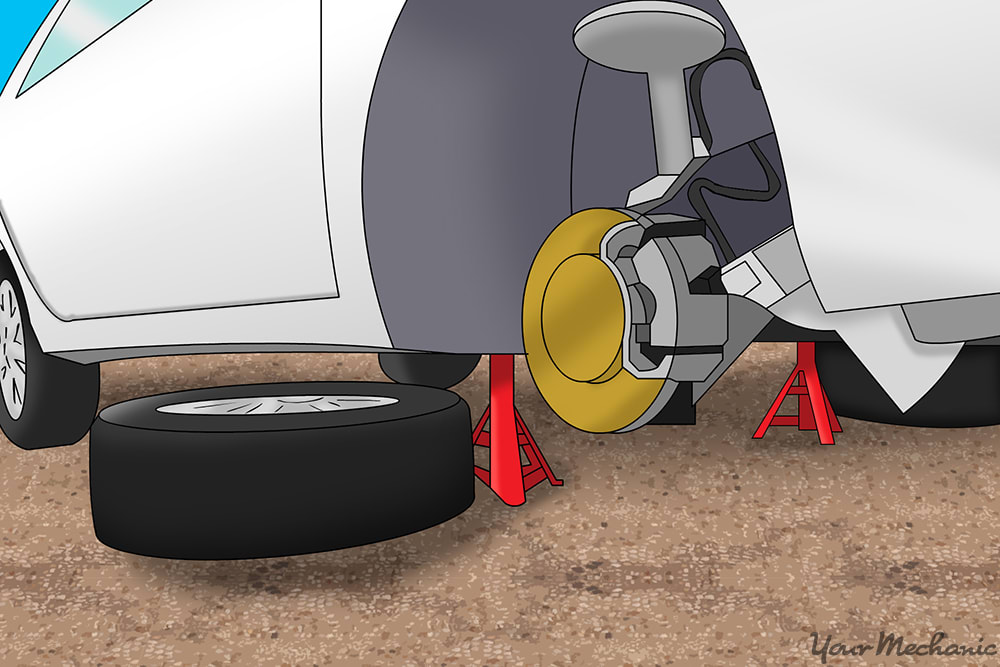
After raising the vehicle, place jack stands under the frame. Adjust the stands to the proper height. Slowly lower the floor jack until the car rests on the stands. Jack stands hold the vehicle securely. Never rely on the floor jack alone for support.
Lowering The Vehicle Safely
Lowering a vehicle safely is a key step after using a floor jack. It prevents accidents and damage. Taking your time and following the right steps ensures your safety.
Every action counts, so stay focused and careful during the process.
Removing Jack Stands Carefully
First, make sure the vehicle is stable on the jack. Slowly lift the vehicle slightly with the jack. This action takes the weight off the jack stands. Then, gently remove the jack stands from under the vehicle. Do not rush or pull them out quickly. Place the stands away from the work area.
Lowering The Jack Slowly
Next, lower the jack very slowly. Use the release valve or handle to control the descent. A slow lowering avoids sudden drops that can cause injury. Watch the vehicle closely as it comes down. Stop if anything feels wrong or unstable.
Final Safety Checks
After the vehicle is on the ground, remove the jack completely. Check that the car is steady and on a flat surface. Look under the vehicle for any tools or objects left behind. Make sure the parking brake is set. These steps keep you safe after finishing the job.
Common Mistakes To Avoid
Using a floor jack can make car repairs easier and safer. Avoiding common mistakes helps protect you and your vehicle. Knowing what to watch for keeps the job smooth and safe.
Overloading The Jack
Never lift more weight than the jack can handle. Each jack has a weight limit. Exceeding it can cause the jack to fail. This risk can lead to injury or damage. Always check the jack’s capacity before use.
Ignoring Vehicle Manual Instructions
Your vehicle manual shows where to place the jack. Ignoring these spots can damage the car. The right spot keeps the car stable. Follow the manual to avoid costly mistakes. It also helps to lift the car safely.
Skipping Safety Equipment
Safety gear protects you during lifting. Always use jack stands after lifting the car. Do not rely on the jack alone. Wear gloves and eye protection for added safety. These steps reduce the chance of accidents.
Maintenance Tips For Floor Jacks
Proper care keeps a floor jack working safely and smoothly. Regular maintenance helps avoid breakdowns and accidents. It also extends the jack’s life.
Focus on cleaning, checking parts, and storing the jack correctly. These steps save time and money.
Cleaning And Lubrication
Clean dirt and grease off the jack after each use. Use a cloth to wipe down all surfaces. Dirt can cause parts to stick or wear out fast.
Lubricate moving parts with oil or grease. This reduces friction and helps the jack move easily. Pay special attention to hinges, wheels, and the lifting arm.
Regular Inspections
Check the jack before every use for damage or leaks. Look at the hydraulic fluid level. Low fluid can stop the jack from lifting properly.
Inspect for cracks, bent parts, or rust. Test the release valve to make sure it works smoothly. Replace damaged parts right away.
Proper Storage Practices
Store the floor jack in a dry, clean place. Avoid damp areas that cause rust. Keep the jack lowered to reduce pressure on seals.
Cover the jack with a cloth or plastic sheet. This keeps dust and moisture away. Proper storage keeps the jack ready for the next job.
Frequently Asked Questions
How Do I Safely Position A Floor Jack?
Place the floor jack under the vehicle’s designated lift points. Ensure the jack is on a flat, stable surface. Avoid soft or uneven ground. Position the jack saddle securely to prevent slipping during lifting.
What Weight Capacity Should My Floor Jack Have?
Choose a floor jack with a weight capacity exceeding your vehicle’s weight. This ensures safe lifting without overloading the jack. Common capacities range from 2 to 4 tons for most cars and light trucks.
How Do I Maintain A Floor Jack For Longevity?
Regularly check hydraulic fluid levels and refill if low. Inspect for leaks and clean the jack after use. Lubricate moving parts and store the jack in a dry place to prevent rust.
Can I Use A Floor Jack On Uneven Surfaces?
No, using a floor jack on uneven surfaces is unsafe. Always operate on level, hard surfaces to avoid instability and accidents. Use jack stands on solid ground for added safety.
Conclusion
Using a floor jack safely protects you and your vehicle. Always check the jack’s condition before use. Place the jack on a flat, solid surface for stability. Lift the vehicle slowly and watch for any movement. Never go under a car supported only by a jack.
Use jack stands to secure the vehicle after lifting. Follow these steps every time you work with a floor jack. Safety comes first, and careful use makes the job easier. Stay safe and confident when lifting your vehicle.