Are you tired of clutter piling up and looking for a simple way to keep your space organized? Learning how to stick a hook on the wall can change the game for you.
Whether it’s for hanging keys, bags, or decorations, a well-placed hook makes your daily life easier. In this guide, you’ll discover easy steps to get it right the first time—no drills, no damage, just quick and strong results. Keep reading, and you’ll soon have a neat, functional wall that works for you.

Credit: www.reddit.com
Choose The Right Hook
Choosing the right hook is key to a secure stick hook on the wall. The perfect hook holds your items safely and lasts a long time. Picking the wrong hook can cause damage or make the hook fall off. Understanding types and weight capacity helps you select the best hook for your needs.
Types Of Hooks
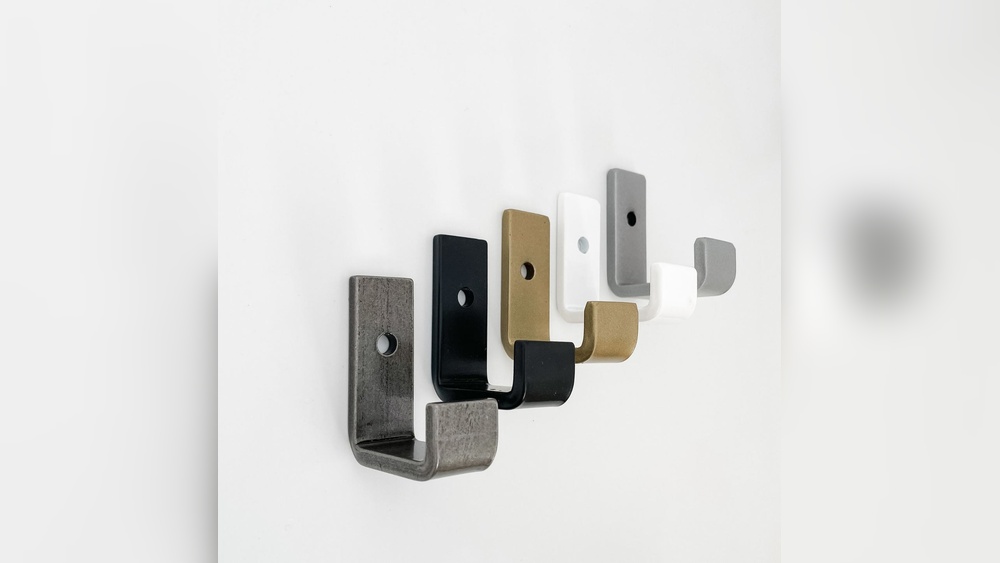
Hooks come in many shapes and materials. Plastic hooks work well for lightweight items. Metal hooks are stronger and hold heavier objects. Adhesive hooks stick directly to the wall and do not need nails. Screw-in hooks require drilling but offer strong support. Choose a hook type that fits your wall and item.
Weight Capacity
Every hook has a weight limit. Check the label to see how much weight it can hold. Lightweight hooks hold up to a few pounds. Heavy-duty hooks can hold 20 pounds or more. Always choose a hook that supports more weight than your item. This prevents the hook from falling and protects your wall.

Credit: www.wikihow.com
Select The Best Wall Surface
Choosing the right wall surface is key for sticking hooks firmly. The surface affects how well the hook holds and how long it stays. Picking a strong and smooth surface helps the hook stick better and carry more weight. Avoid rough or damaged areas to get the best results.
Suitable Surfaces
Flat, clean surfaces work best for wall hooks. Paint, tiles, glass, and metal are great choices. These surfaces allow hooks to stick tightly without slipping. Avoid textured or uneven walls, as they reduce the hook’s grip. Smooth surfaces help glue or adhesive stick well.
Avoiding Weak Spots
Weak spots on walls can cause hooks to fall. Avoid areas with cracks, holes, or peeling paint. Moist or damp walls also weaken the bond. Stay clear of wallpaper or dusty surfaces. Clean and dry walls give the strongest hold for hooks.
Prepare The Wall
Preparing the wall is the first step to a strong hold. The surface must be ready to stick the hook properly. Dirt, dust, and moisture can stop the adhesive from working well. Take time to make the wall clean and dry. This helps the hook stay secure for a long time.
Follow these simple steps to prepare your wall before sticking the hook.
Clean The Surface
Use a soft cloth or sponge to wipe the wall gently. Remove all dust and dirt from the spot. A clean surface gives the adhesive a better grip. Avoid using oily or sticky cleaners. Plain water or mild soap works best for cleaning.
Dry Completely
Let the wall air dry fully after cleaning. Moisture can weaken the hook’s stickiness. Use a dry cloth to speed up drying if needed. Make sure no water remains on the surface. Only stick the hook once the wall is dry.
Position The Hook Correctly
Positioning the hook correctly on the wall is key for a strong hold. A wrong spot can cause the hook to fall or damage the wall. Take time to choose the right place before sticking the hook.
Mark The Spot
First, decide where the hook should go. Use a pencil to make a small mark. This mark shows the exact spot to place the hook. It helps avoid mistakes and keeps the hook straight.
Use A Level
Next, check if the mark is level. Hold a level tool against the wall. Adjust the mark until it is perfectly horizontal. A level hook looks better and holds items evenly.
Apply Adhesive Or Fasteners
Applying adhesive or fasteners is a key step to stick a hook on the wall. It holds the hook securely in place. The choice depends on the wall type and the hook’s weight limit. Both methods have their own benefits and suit different needs.
Using Adhesive Hooks
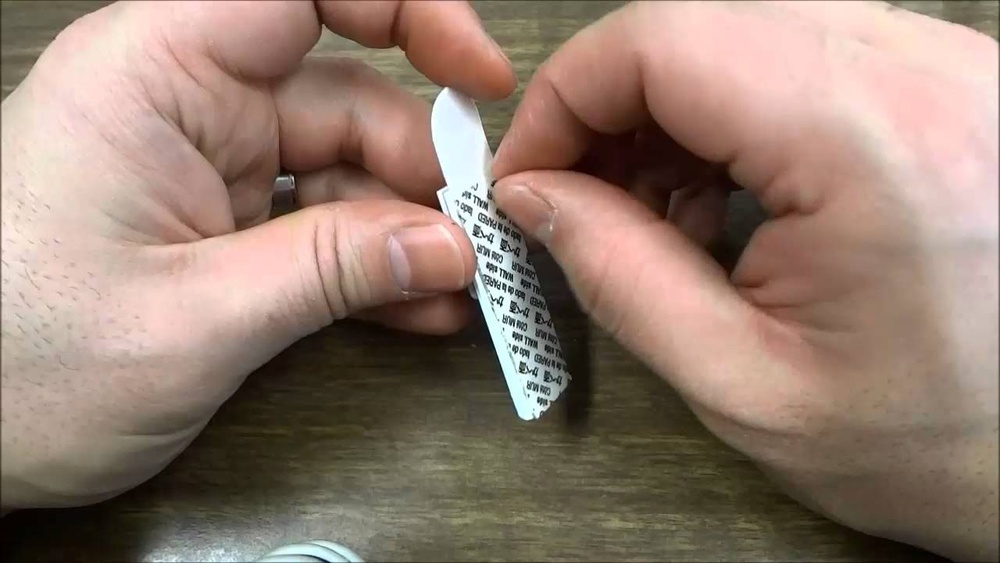
Adhesive hooks work well on smooth, clean surfaces. They do not damage walls or leave holes. Peel off the backing and press the hook firmly for 30 seconds. Wait for an hour before hanging items. Avoid heavy objects, as adhesives may weaken over time. Clean the wall with rubbing alcohol to remove dirt and oils before applying.
Using Screws Or Nails
Screws or nails offer strong support for heavier items. Mark the spot where you want the hook. Drill a small hole or tap a nail gently into the wall. Insert the screw or nail, leaving enough space to hang the hook. This method works best on drywall, wood, or plaster walls. Use a level to keep the hook straight. Screws provide better hold than nails for heavier hooks.

Credit: www.youtube.com
Ensure A Secure Hold
Ensuring a secure hold for your stick hook on the wall is important. It keeps the hook strong and prevents it from falling. This section guides you through simple steps to make sure the hook stays in place for a long time.
Press Firmly
After placing the hook on the wall, press it firmly. Use steady pressure for about 30 seconds. This helps the adhesive bond well with the wall surface. Avoid pressing lightly, as it may cause the hook to fall later.
Allow Adhesive To Cure
Give the adhesive time to cure before using the hook. Wait at least one hour, but longer is better. The curing time lets the glue dry and form a strong hold. Avoid hanging items immediately to keep the hook secure.
Test The Hook Strength
Testing the strength of a stick hook on a wall is important. It ensures the hook holds well and prevents damage. A strong hook keeps your items safe and secure.
Gradual Weight Application
Start by applying a small weight to the hook. Increase the weight slowly, step by step. This helps you see how much the hook can hold. Avoid putting full weight at once. This method reduces the risk of the hook falling.
Check For Slippage
Watch the hook closely after adding weight. Look for any signs of slipping or moving. Even a slight shift means the hook is not secure. Adjust or re-stick the hook if needed. Keeping the hook firm prevents accidents and damage.
Maintain The Hook
Maintaining the hook on your wall helps it last longer and hold items safely. Small care steps keep the hook strong and prevent damage to your walls. Regular attention avoids surprises like falling hooks or marks on the wall.
Regular Inspections
Check the hook often for any signs of wear or loosening. Look for cracks, rust, or bending in the hook material. Make sure the hook is still firmly attached to the wall. Tighten screws or adhesives if the hook feels loose. Early fixes stop bigger problems and keep your items secure.
Avoid Overloading
Do not hang items heavier than the hook’s weight limit. Heavy loads can bend or break the hook and damage the wall. Spread weight evenly if you use multiple hooks. Use hooks made for heavier items when needed. Proper weight limits keep hooks safe and reliable over time.
Frequently Asked Questions
How Do I Stick A Hook On A Painted Wall?
Clean the wall surface thoroughly to remove dust. Use adhesive hooks designed for painted walls. Press firmly and hold for 30 seconds. Avoid hanging heavy items to prevent damage or peeling.
What Surface Is Best For Sticking Wall Hooks?
Smooth, clean, and dry surfaces work best for wall hooks. Avoid textured or uneven walls as adhesives may not stick well. Painted drywall, tiles, and glass are ideal surfaces for maximum adhesion.
Can I Remove A Stuck Wall Hook Without Damage?
Yes, gently heat the hook’s adhesive with a hairdryer. Slowly peel the hook off while warming the adhesive. Clean any residue with rubbing alcohol or adhesive remover for a damage-free wall.
How Much Weight Can A Stick-on Hook Hold?
Stick-on hooks typically hold between 1 to 5 kilograms. Check the product packaging for exact weight limits. For heavier items, use wall anchors or screws for secure support.
Conclusion
Sticking a hook on the wall is simple and quick. Clean the surface well before you start. Press the hook firmly and hold for a few seconds. Avoid hanging heavy items on it right away. Let the adhesive set for best results.
This method keeps your wall neat and organized. You can use hooks in many rooms easily. Try it yourself and enjoy a clutter-free space. Small steps make a big difference in your home.