Are you wondering how to hang metal objects on your wall without any hassle? Whether it’s a sturdy metal shelf, a decorative piece, or a tool rack, getting it right the first time can save you from damage and frustration.
You want your metal items to stay secure and look great, but the right method might not be obvious. You’ll discover simple, effective steps to hook metal to your wall safely and confidently. Keep reading, and you’ll learn exactly what you need to do to get the job done perfectly every time.
Choose The Right Hook
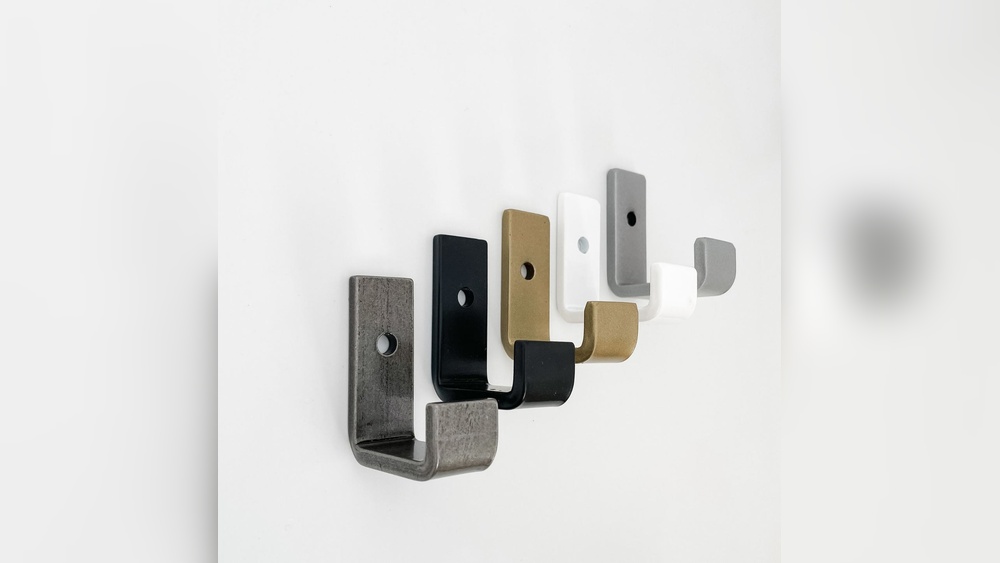
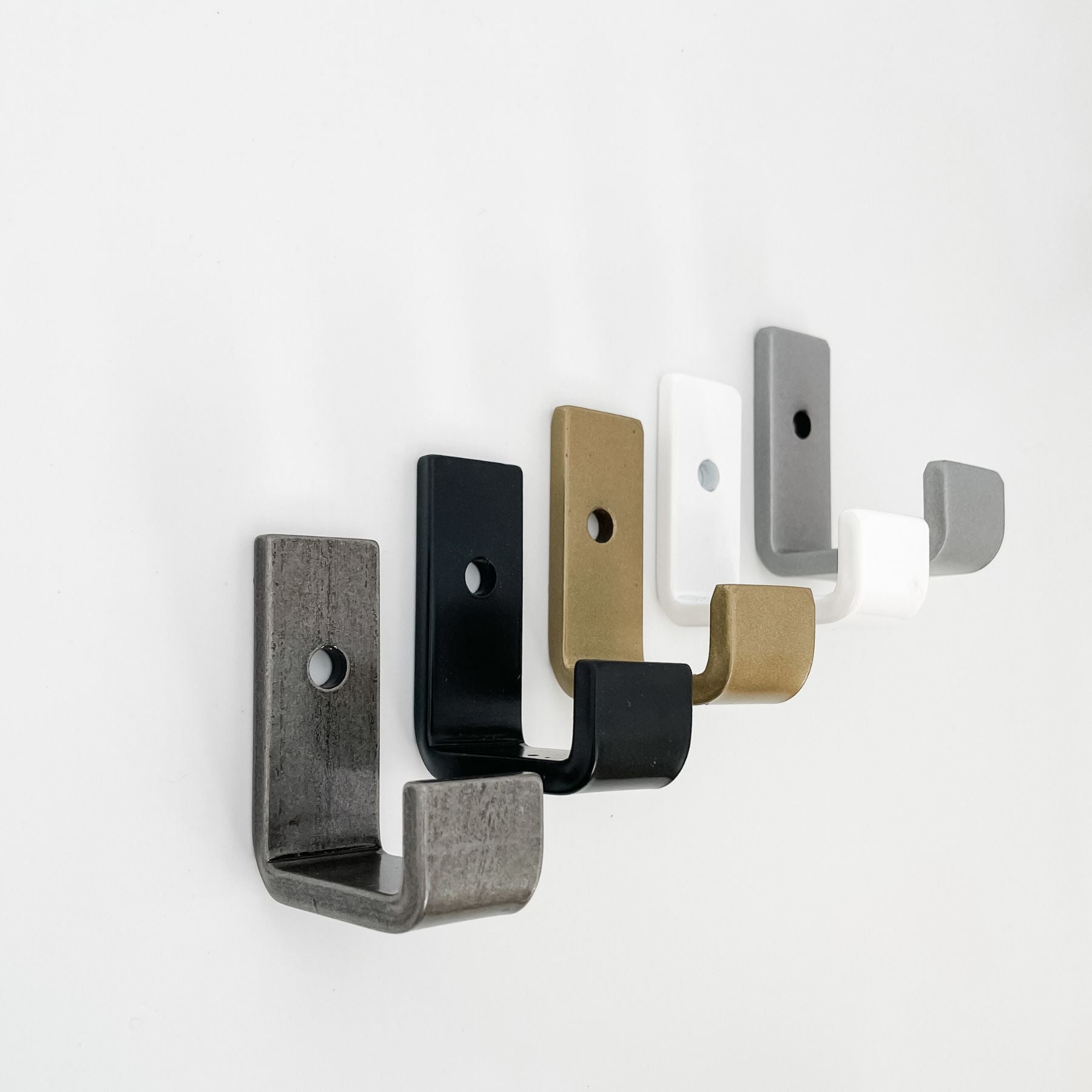
Choosing the right hook is key to hanging metal on a wall safely. The hook must hold the metal firmly and last long. Different hooks serve different purposes. Picking one that matches your metal and wall type avoids damage and accidents.
Types Of Hooks For Metal
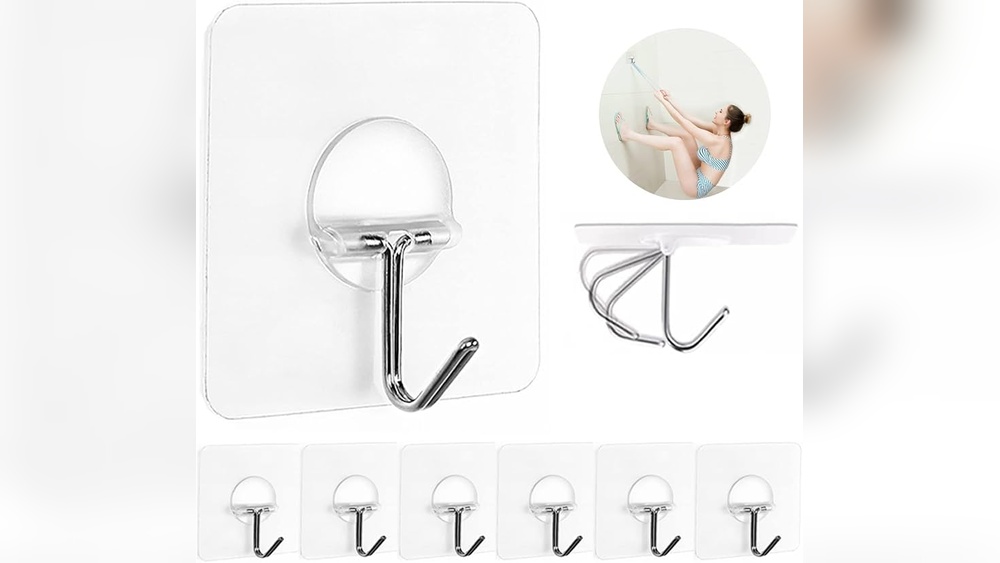
Metal hooks come in many forms. Screw hooks, adhesive hooks, and magnetic hooks are common. Screw hooks fit well in drywall and wood. Adhesive hooks stick to smooth surfaces without drilling. Magnetic hooks work only on metal walls. Each type has strengths and limits.
Weight Capacity Considerations
Check the hook’s weight limit before use. The hook must support the metal’s weight safely. Overloading a hook risks it falling. Light hooks suit small decorations. Heavy-duty hooks are for large metal pieces. Always choose a hook with a higher capacity than the metal.
Material Compatibility
The hook’s material affects its grip and durability. Steel hooks are strong and last long. Plastic hooks work for light items but break easily. Rust-resistant hooks suit outdoor or humid areas. Match the hook’s material with the metal and wall type to avoid damage.
Gather Necessary Tools
Gathering the right tools is the first step to hang metal on a wall safely and securely. Using proper equipment makes the job easier and ensures the metal stays in place. Prepare all tools before starting to avoid interruptions and mistakes.
Drill And Drill Bits
A drill helps make holes in the wall for screws or anchors. Choose drill bits that match the size of your screws and anchors. Use a bit made for the wall material, like masonry bits for brick or concrete. A cordless drill offers better control and mobility.
Screws And Anchors
Screws hold the metal hook firmly to the wall. Pick screws strong enough for the metal’s weight. Anchors give extra support in drywall or hollow walls. Use plastic or metal anchors based on wall type and load. Correct screws and anchors prevent the hook from falling.
Measuring And Leveling Tools
Measure carefully to place the hook in the right spot. Use a tape measure or ruler for accuracy. A level keeps the hook straight on the wall. Mark spots lightly with a pencil before drilling. Good measuring and leveling ensure neat and safe mounting.
Prepare The Wall Surface
Preparing the wall surface is the first step to hang metal securely. This step ensures your hook stays strong and the metal piece does not fall. Proper preparation avoids damage and keeps the wall safe.
Understanding the wall type and planning the hook position are important. These actions help you choose the right tools and avoid mistakes.
Identify Wall Material
Check what kind of wall you have. It could be drywall, plaster, brick, or concrete. Each material needs different tools and anchors. Use a small drill bit or tap the wall to hear the sound. Hollow sound means drywall or plaster. A hard sound means brick or concrete.
Marking The Hook Position
Decide exactly where the hook should go. Use a pencil to mark the spot on the wall. Measure carefully to keep the metal level. Double-check the height and distance from other objects.
Checking For Studs Or Supports
Studs give extra strength for heavy metal items. Use a stud finder to locate wooden studs behind drywall. Mark the stud positions clearly. If no studs are in the right place, use wall anchors for support.
Credit: www.homedepot.com
Install Anchors For Stability
Installing anchors is key to hanging metal on a wall safely. Anchors hold the weight and keep the metal from falling. They give strong support, especially on drywall or weak walls. Choosing the right anchor and installing it well makes the job secure and lasting.
Types Of Wall Anchors
There are several types of wall anchors. Plastic expansion anchors work well for light items. They expand when a screw is pushed inside. Toggle bolts are strong and good for heavy metal. They open behind the wall for extra grip. Molly bolts also provide firm hold in drywall. Choose an anchor that fits your wall type and metal weight.
Proper Anchor Installation
Start by drilling a hole that matches the anchor size. Push the anchor into the hole until it sits flush with the wall. For toggle bolts, fold the wings and insert them through the hole. Tighten the screw slowly to open the anchor inside. Make sure the anchor is tight and stable before hanging metal.
Testing Anchor Strength
Check the anchor by gently pulling the metal after hanging. It should not move or feel loose. If it shifts, tighten the screw or try a stronger anchor. Testing ensures the metal stays secure over time. Safety depends on a firm anchor holding the weight.
Attach The Hook To The Wall
Attaching a metal hook to the wall is a key step for hanging items securely. This process needs careful attention to ensure the hook stays strong and stable.
Follow clear steps to align and fix the hook properly. This will help hold weight without damage or falling off.
Aligning The Hook
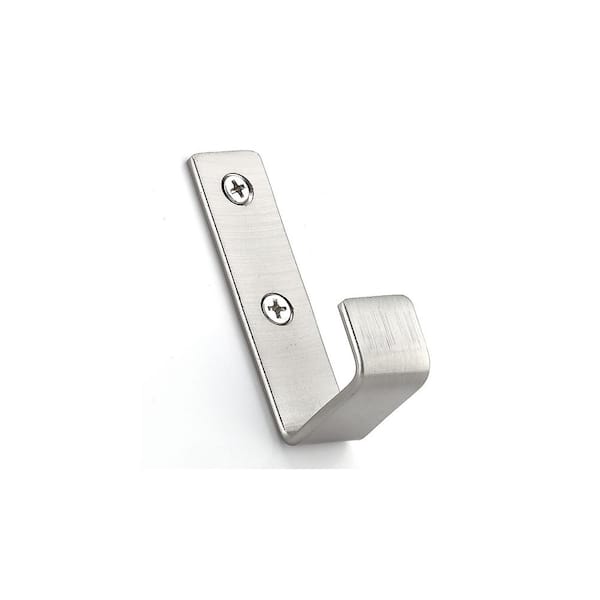
Start by placing the hook on the wall spot. Check that it is straight and at the right height. Use a level tool for accuracy.
Mark the screw holes with a pencil. This makes drilling easier and precise. Make sure the hook is flat against the wall surface.
Securing With Screws
Choose screws that fit the hook’s holes and wall type. Drill pilot holes if the wall is hard, like wood or drywall.
Insert screws through the hook holes. Tighten them using a screwdriver or drill. Avoid overtightening to prevent damage.
Ensuring A Tight Fit
Check the hook’s stability by gently pulling on it. It should not wiggle or feel loose. Tighten screws more if needed.
Test the hook with a light load first. This confirms it holds well before adding heavier items. A tight fit means safer hanging.
Credit: cascadeironco.com
Hang The Metal Object Safely
Hanging metal objects on a wall needs care and attention. Safety is important to stop accidents and damage. Follow clear steps to hang metal securely and protect your wall and the object.
Checking Hook Placement
Choose the right spot for the hook. Look for a stud or solid part behind the wall. Use a stud finder to find strong support. Mark the spot clearly before drilling or hammering. Place the hook at the center of the metal object’s hanging point. This keeps balance and prevents slipping.
Distributing Weight Evenly
Heavy metal objects need more than one hook. Use two or more hooks to spread the weight. Space hooks evenly to avoid strain on one point. Even weight stops the metal from bending or falling. Check the weight limit on hooks and anchors before use.
Avoiding Damage To Wall And Metal
Use wall anchors for drywall to stop holes from getting bigger. Pick hooks and screws that fit the metal’s holes or loops. Protect the metal with rubber pads or cloth between it and the hook. Tighten screws carefully to avoid dents or scratches. Check the setup regularly for safety and wear.
Maintain The Hook And Wall
Maintaining the hook and wall is key to keeping your metal hooks safe and strong. A well-kept hook lasts longer and holds items securely. Walls also need care to avoid damage over time.
Regular care prevents accidents and saves money on repairs. Simple steps keep your hooks and walls in good shape. Check them often and fix small problems fast.
Regular Inspections
Look at your hooks and walls every few weeks. Check for cracks, loose parts, or signs of wear. Early spotting of problems helps avoid bigger issues. Make notes of anything unusual to track changes.
Addressing Loose Screws
Tighten screws if hooks feel wobbly or loose. Use a screwdriver that fits well to avoid stripping. Replace damaged screws with stronger ones if needed. Secure hooks firmly to keep them safe and stable.
Preventing Rust And Corrosion
Keep hooks dry to stop rust from forming. Wipe metal hooks with a dry cloth after use. Apply a rust-resistant spray or paint for extra protection. Rust weakens hooks and can damage your wall.
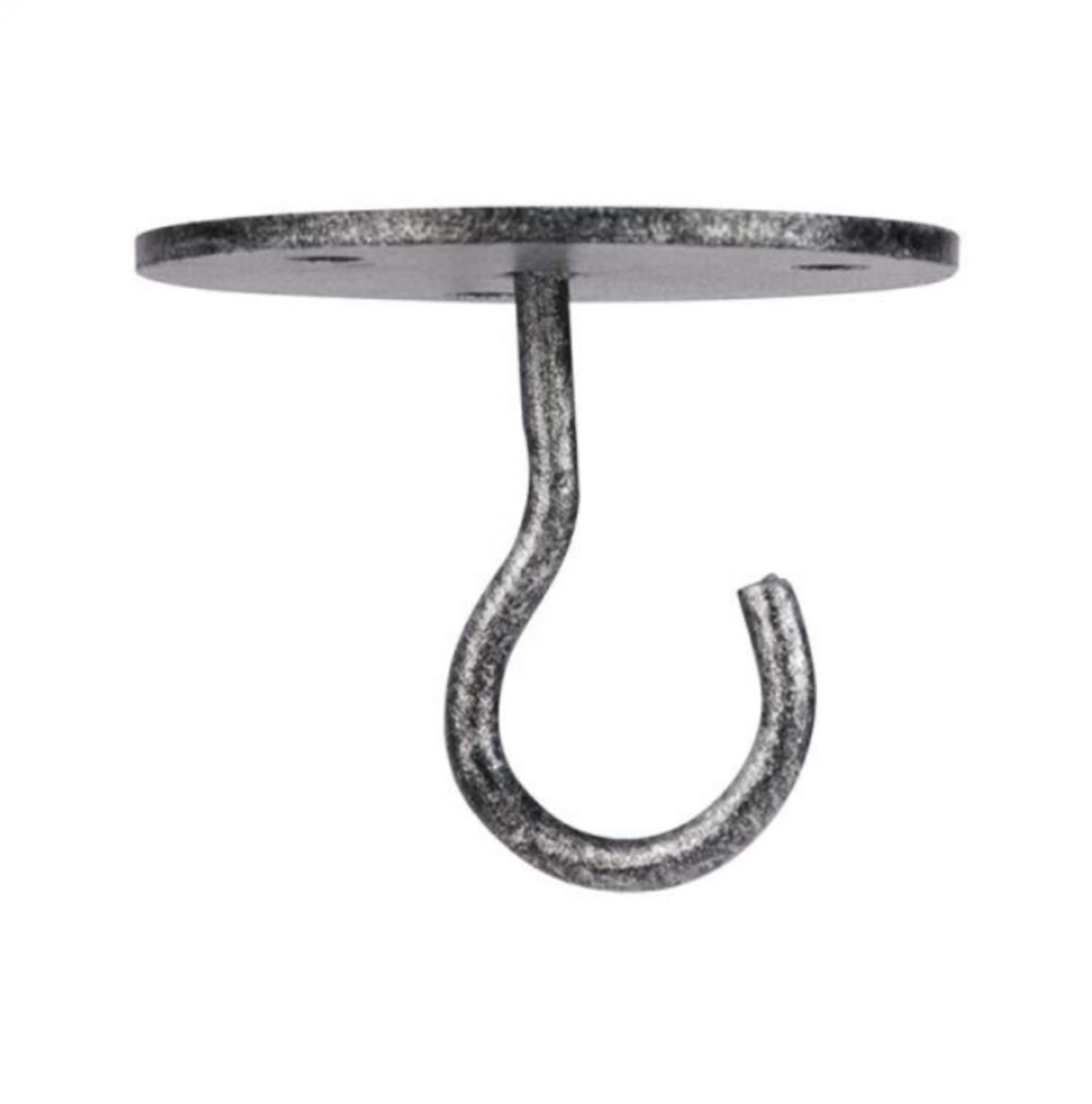
Credit: www.adoraboutique.ca
Frequently Asked Questions
What Tools Are Needed To Hook Metal To A Wall?
You need a drill, wall anchors, screws, a level, and a screwdriver. These tools ensure secure mounting and proper alignment when hooking metal to walls.
How Do You Choose The Right Wall Anchor For Metal?
Select anchors based on wall type and metal weight. Use plastic anchors for drywall and metal anchors for heavier loads or masonry walls.
Can I Hook Metal Directly Into Drywall?
No, drywall alone can’t support heavy metal. Use anchors or mount into studs for strong, safe attachment.
What Is The Best Screw Type For Hanging Metal?
Use self-tapping or metal screws matched to wall anchors. Choose corrosion-resistant screws for durability and a secure hold.
Conclusion
Hooking metal to a wall is easier than it seems. Choose the right hook for your metal item. Use proper tools to secure the hook tightly. Always check the wall type before drilling or nailing. Take your time and work carefully for best results.
With the right steps, your metal will hang safely and look great. Try these tips on your next project. You will feel confident and proud of your work. Simple steps make a big difference. Give it a go!