Have you ever tried to remove an adhesive hook from your wall, only to end up with sticky residue or damaged paint? It can be frustrating when a simple task turns into a messy problem.
But don’t worry—you’re about to learn easy, effective ways to get that adhesive hook off your wall cleanly. Whether you want to redecorate or just tidy up, this guide will help you protect your walls and save you time and stress.
Keep reading, and you’ll discover simple tricks anyone can use to make your walls look perfect again.
Types Of Adhesive Hooks
Adhesive hooks come in various types designed for different uses and surfaces. Knowing the types helps you choose the right hook for your wall. Each type has unique features based on materials and adhesive technology. This affects how easy they are to remove and how strong they hold.
Common Materials Used
Most adhesive hooks have a plastic or metal base. Plastic hooks are lightweight and often white or clear. Metal hooks provide extra strength and a shiny finish. The adhesive part is usually a sticky gel or foam tape. Some hooks use rubber or silicone pads to avoid wall damage. The choice of material affects durability and wall compatibility.
How Adhesives Work
Adhesives stick by bonding to the wall surface. They use pressure-sensitive glue that activates when pressed. The glue forms a strong hold without nails or screws. Some adhesives are designed to be removable without leaving marks. Others create a permanent bond. Understanding the adhesive type helps in removing hooks safely and cleanly.
Preparation Before Removal
Removing an adhesive hook from a wall needs good preparation. This step helps avoid damage to your wall and makes the process easier. Taking time to prepare makes sure you have everything ready and the wall stays safe.
Gathering Necessary Tools
Start by collecting all tools needed for removal. Common tools include a hairdryer, a plastic card, and a soft cloth. A hairdryer helps soften the adhesive. A plastic card can lift the hook gently. The soft cloth cleans any leftover residue. Having these tools ready saves time and effort.
Protecting Wall Surfaces
Protect the wall to avoid scratches or marks. Place a soft cloth or paper towel below the hook. This catches any drips from the adhesive or heat. Be gentle during the removal to keep the paint or wallpaper intact. Protecting the surface keeps your wall looking good after removal.
Simple Removal Techniques
Removing adhesive hooks from walls can be easy with the right methods. Simple removal techniques help avoid wall damage. These methods use common household items and require little effort.
Peeling Off Slowly
Start by lifting one edge of the adhesive hook gently. Pull the hook slowly at a low angle. Slow peeling prevents paint or wallpaper from tearing. Use steady pressure to keep the adhesive from sticking back. If the hook resists, stop and try another method. This careful approach helps keep the wall intact.
Using Warm Water
Warm water softens the adhesive, making removal easier. Dampen a cloth with warm water and press it on the hook base. Hold the cloth for a few minutes to loosen the glue. After soaking, try peeling the hook slowly. Repeat if the hook stays stuck. This technique works well on painted and tiled walls.

Credit: www.reddit.com
Heat Methods For Softening Adhesive
Heat can help soften adhesive on walls. This makes removing hooks easier and cleaner. Heat breaks down the sticky glue, so it peels off without damage. Two simple heat methods work well at home.
Using A Hair Dryer
A hair dryer is a handy tool for softening adhesive. Set it on medium heat and aim at the hook’s base. Keep the dryer moving to avoid overheating one spot. Warm the area for about 30 seconds. Test the adhesive by gently pulling the hook. If it doesn’t move, heat a bit longer. The warmth loosens glue, so the hook comes off smoothly.
Applying Heat Pads
Heat pads provide steady, gentle warmth to soften adhesive. Use a warm heat pad and press it against the hook’s back. Hold it there for a few minutes to warm the glue. This method is good for delicate surfaces. The slow heat helps avoid wall damage. After warming, try to peel the hook off slowly. The softened adhesive will release more easily.
Chemical Solutions To Remove Residue
Removing adhesive hook residue can be tricky. Chemical solutions help break down sticky glue quickly. These solutions soften the residue, making it easier to wipe away. Using common household items, you can clean your wall without damage. Below are two effective chemical methods to try.
Using Rubbing Alcohol
Rubbing alcohol is a strong solvent. It dissolves glue and sticky residue fast. Pour some rubbing alcohol on a cotton ball or cloth. Dab it gently on the sticky area. Let it sit for a few minutes. The residue will start to loosen. Then, wipe it away with a clean cloth. Repeat if any sticky spots remain. Rubbing alcohol evaporates quickly, so it will not harm most wall paints.
Applying Vinegar Or Oil
White vinegar and cooking oil also remove adhesive residue. Vinegar breaks down glue, while oil loosens sticky parts. Soak a cloth in vinegar or oil. Place it on the residue for several minutes. The glue will soften and peel off easily. Use a plastic scraper or your fingers to remove the residue. Clean the wall afterward with a damp cloth. Both vinegar and oil are gentle on surfaces and safe to use.
Tools To Aid Removal
Removing an adhesive hook from a wall can be tricky. Using the right tools helps make the process easier and safer for your walls. These tools help loosen the adhesive without causing damage. Prepare these before you start to avoid frustration.
Plastic Scrapers
Plastic scrapers are gentle on walls. They slide under the hook without scratching paint or wallpaper. Use a thin scraper to lift the edge of the hook. Work slowly and carefully to peel it off. Avoid metal tools that can leave marks.
Dental Floss Technique
Dental floss works like a saw to cut through adhesive. Slide a piece of floss behind the hook. Move it back and forth in a gentle sawing motion. This breaks the glue bond without pulling hard on the wall. It’s a simple, effective way to remove hooks cleanly.
Preventing Wall Damage
Removing adhesive hooks from walls can leave marks or damage the paint. Preventing wall damage is important to keep your walls looking fresh. Use safe methods to protect the surface while removing the hook. Small steps can save you from costly repairs later.
Avoiding Harsh Chemicals
Harsh chemicals can eat away paint and drywall. Stay away from strong solvents like acetone or bleach. These chemicals might remove the adhesive but will harm your wall. Instead, choose gentle options like warm soapy water or rubbing alcohol. These clean without causing damage. Test any solution on a small area first.
Gentle Scrubbing Tips
Scrubbing too hard can scratch or peel paint. Use a soft cloth or sponge for scrubbing. Apply light pressure and move in small circles. Avoid steel wool or rough brushes. They can leave permanent marks. Patience is key; gentle scrubbing removes adhesive safely. Repeat if needed, but always be gentle.
Credit: www.youtube.com
Cleaning And Touching Up Walls
After removing an adhesive hook from the wall, cleaning and touching up the surface is important. This step helps the wall look neat and fresh again. Walls often have sticky residue or small marks left behind. These need careful attention to restore the wall’s original look.
Removing Sticky Residue
Sticky residue can be tricky to remove. Start by gently rubbing the area with a cloth dipped in warm, soapy water. Avoid soaking the wall to prevent damage. For tougher residue, try rubbing alcohol or a small amount of vinegar on a cloth. Test any cleaner on a hidden spot first. Wipe the area with a clean, damp cloth to remove any leftover cleaner. Let the wall dry completely before touching up.
Repairing Minor Wall Marks
Minor marks are common after removing hooks. Use a soft sponge or cloth with a little baking soda paste to gently scrub the marks. For small holes or dents, use a wall putty or spackling compound. Apply with a putty knife, smooth the surface, and let it dry. Sand lightly with fine sandpaper to even out the surface. Finish by painting over the repaired spots with matching wall paint. This step restores the wall’s smooth appearance quickly.
Tips For Future Adhesive Hook Use
Using adhesive hooks can keep walls organized without damage. Careful use helps keep walls clean and hooks working well. These tips will help with future use of adhesive hooks.
Choosing The Right Hooks
Select hooks made for the wall type. Some hooks work better on smooth surfaces. Check the weight limit before buying. Heavier items need stronger hooks. Clear or white hooks blend with most walls. Pick hooks with easy removal features to avoid damage.
Proper Installation And Removal
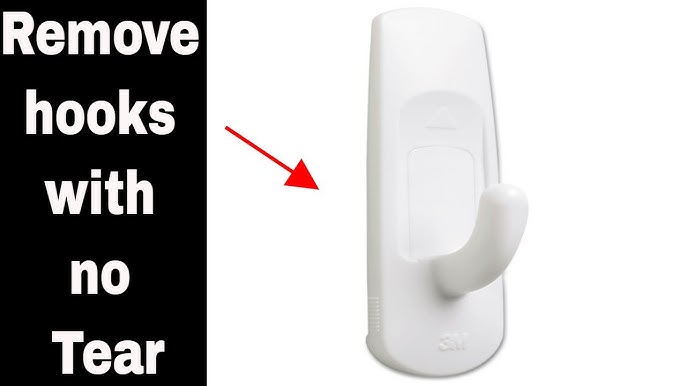
Clean the wall surface before sticking the hook. Use rubbing alcohol for best results. Press the hook firmly and hold for 30 seconds. Wait one hour before hanging items. Remove hooks by pulling the tab slowly downward. Do not pull hooks straight out. This stops paint or wall paper from peeling.
Credit: www.youtube.com
Frequently Asked Questions
How Can I Safely Remove An Adhesive Hook From A Wall?
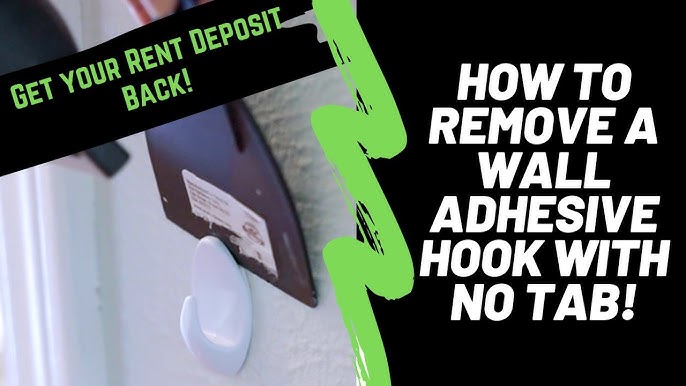
To safely remove an adhesive hook, gently pull the tab straight down. Avoid pulling the hook outward to prevent wall damage. If the tab breaks, use a hairdryer to warm the adhesive, then slowly peel the hook off.
What Household Items Help Remove Adhesive Hooks Easily?
You can use a hairdryer or rubbing alcohol to loosen adhesive hooks. Heat softens the glue, making removal easier. Rubbing alcohol breaks down adhesive bonds. Apply either gently and peel the hook off slowly to avoid wall damage.
Will Removing Adhesive Hooks Damage Painted Walls?
Proper removal of adhesive hooks usually doesn’t damage painted walls. Pull the adhesive tab slowly and directly downward. Use heat or rubbing alcohol if needed. Avoid forceful pulling or scraping, as that can peel paint or leave residue.
How Do I Remove Sticky Residue After Taking Off An Adhesive Hook?
Remove sticky residue with rubbing alcohol or a mixture of warm water and dish soap. Apply gently with a soft cloth. Avoid harsh scrubbing to protect the wall’s surface. Dry the area thoroughly after cleaning.
Conclusion
Removing adhesive hooks from walls can be simple and safe. Use gentle heat or oil to loosen the glue. Pull slowly to avoid wall damage. Clean any leftover sticky spots with mild soap and water. Taking your time helps keep walls neat and clean.
With these easy steps, your walls stay fresh and ready for new decorations. No mess, no stress. Just smooth, clean walls every time.