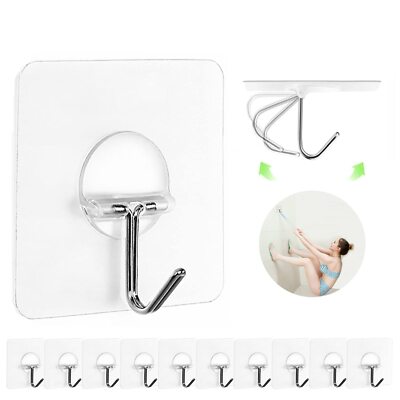
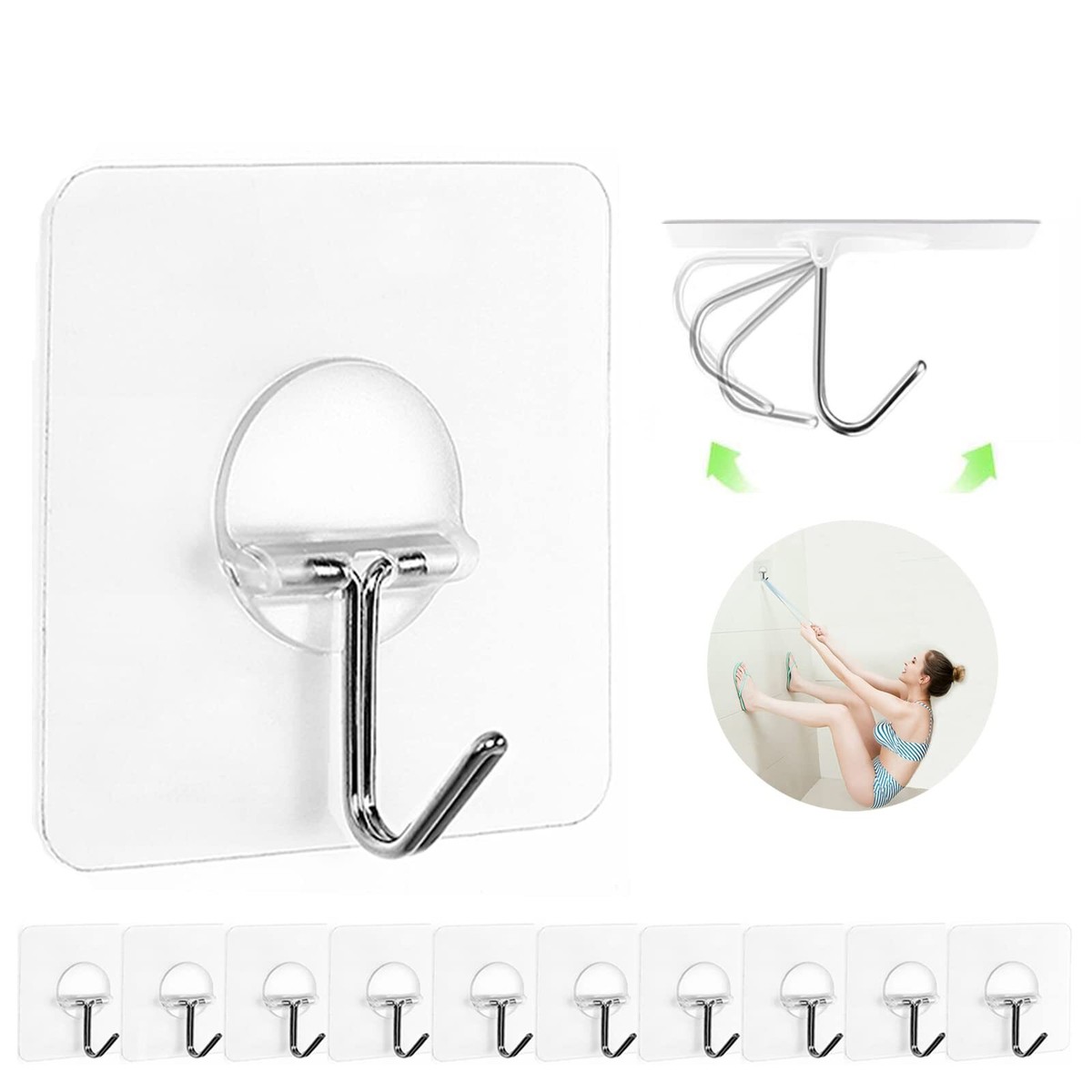
You’ve got a Jinshunfa wall hook stuck on your fiberglass wall, and now you need it gone—quickly and without damage. Removing it might seem tricky, but with the right steps, you can do it yourself easily.
You’ll discover simple, effective methods to take down that wall hook while keeping your fiberglass wall intact. Keep reading, and you’ll learn exactly how to get the job done right the first time.
Credit: www.ebay.com
Tools Needed
Removing a Jinshunfa wall hook from a fiberglass wall needs the right tools. Using proper tools makes the job easier and protects the wall. Gather your tools before you start to avoid delays and mistakes.
Basic Tools List
- Screwdriver (Phillips or flathead) for removing screws
- Pliers to hold or pull out hooks
- Utility knife to cut around adhesive or caulk
- Putty knife for prying or scraping gently
- Soft cloth to clean the wall after removal
Optional Supplies For Damage Prevention
- Painter’s tape to protect the wall surface
- Heat gun or hair dryer to soften adhesive
- Wooden or plastic shim to avoid scratching
- Wall repair putty for filling small holes
- Sanding block for smoothing repaired areas
Preparing The Area
Preparing the area is the first step before removing a Jinshunfa wall hook from a fiberglass wall. This stage helps avoid damage and keeps your space clean. Taking a few simple precautions will save time and effort later.
Clear The Surrounding Space
Remove any items near the wall hook. Keep furniture and decorations away from the work area. This prevents accidental damage and gives you room to move freely. A clear space makes the removal process safer and easier.
Protect The Wall Surface
Cover the wall around the hook with painter’s tape or a soft cloth. This layer guards the fiberglass from scratches or marks. Use a gentle material that won’t stick too hard. Protecting the surface ensures the wall stays smooth and clean after removal.
Loosening The Hook
Removing a Jinshunfa wall hook from a fiberglass wall needs care. The key step is loosening the hook without damaging the wall. This makes the removal easier and keeps your wall safe. Two main methods help with this process: warming the adhesive and using gentle pry techniques.
Warm The Adhesive
Heat softens the glue behind the hook. Use a hairdryer on low or medium heat. Hold it a few inches from the hook. Move the dryer around for about one to two minutes. This warms the adhesive evenly. Avoid using too much heat to protect the fiberglass surface. Once warm, the glue becomes less sticky. This makes pulling the hook off much easier.
Use Gentle Pry Techniques
After warming, start loosening the hook gently. Use a plastic card or a flat tool. Slide it slowly under the hook’s edge. Move the tool back and forth carefully. This weakens the glue bond bit by bit. Avoid sharp tools that can scratch the wall. Work patiently to prevent damage. Once the hook feels loose, pull it away with steady force. This method keeps your wall smooth and intact.
Credit: www.ebay.com
Removing The Hook
Removing a Jinshunfa wall hook from a fiberglass wall requires care. Fiberglass is delicate and can scratch or crack easily. Taking the right steps helps protect your wall while removing the hook safely.
This guide explains how to detach the hook gently. It also covers ways to handle sticky or tough adhesive left behind.
Careful Detachment Steps
Start by loosening the edges of the hook. Use a plastic card or a flat tool to slide under the base. Do this slowly to avoid damaging the wall surface.
Pull the hook gently away from the wall. Keep steady pressure and avoid sudden pulls. If the hook moves, continue slowly until it comes off.
Clean any small debris left on the wall with a soft cloth. This prepares the surface for any further cleaning needed.
Handling Stubborn Adhesive
Some hooks leave behind sticky glue. To remove this, apply warm soapy water to the area. Let it sit for a few minutes to soften the adhesive.
Use a soft cloth or sponge to rub the glue gently. Avoid scrubbing hard to prevent wall damage.
If the adhesive is still tough, try a small amount of rubbing alcohol. Dab it carefully and wait a moment before wiping.
Repeat these steps until the adhesive is gone. Finish by drying the wall with a clean towel.
Cleaning Residue
After removing the Jinshunfa wall hook, sticky residue often remains on the fiberglass wall. This residue can attract dust and dirt, making the wall look messy. Cleaning it carefully protects the wall surface. The right cleaning method avoids damage and keeps the wall smooth. Use gentle tools and safe products for best results.
Safe Adhesive Removers
Choose adhesive removers made for delicate surfaces. Products with citrus oils or rubbing alcohol work well. Avoid harsh chemicals like acetone or paint thinner. Test any remover on a small hidden spot first. Apply remover with a soft cloth or cotton ball. Let it sit for a few minutes to soften the residue. Then, gently rub the area to lift the glue.
Wiping And Polishing Tips
After removing residue, wipe the wall with a damp cloth. Use warm water and mild soap to clean leftover remover. Dry the surface with a clean, soft towel. For extra shine, use a microfiber cloth to polish the wall. Move the cloth in small circles for a smooth finish. This step restores the fiberglass’s natural look and prevents streaks.
Preventing Wall Damage
Removing a Jinshunfa wall hook from a fiberglass wall needs care. Preventing damage keeps your wall looking good. Small mistakes cause cracks or peeling. Taking simple steps protects the wall’s surface and saves repair work later.
Avoiding Cracks And Peeling
Do not pull the hook too hard. Use a slow, steady motion to loosen it. Heat the adhesive gently with a hairdryer for one to two minutes. This softens the glue and makes removal easier. Avoid sharp tools that scratch or gouge the fiberglass. Peel the hook off carefully, keeping the wall intact.
Repairing Minor Marks
Check the wall after removal for small scratches or marks. Use a mild cleaner and soft cloth to wipe the area. For tiny holes, fill them with a light fiberglass filler or putty. Smooth the surface with fine sandpaper once dry. Paint over the repair with matching paint to blend it in. This fixes damage and keeps your wall neat.
Reinstalling Or Replacing Hooks
Removing a Jinshunfa wall hook from a fiberglass wall might leave marks or holes. Reinstalling or replacing hooks helps keep your wall neat and functional. Choosing the right hooks and installing them properly ensures they hold well and avoid damage.
Choosing The Right Hooks
Select hooks made for fiberglass walls. Plastic or metal hooks with strong adhesive work well. Avoid heavy hooks that can pull off easily. Pick hooks with smooth backs to stick tightly on the surface. Hooks designed for outdoor or bathroom use resist moisture better.
Proper Installation Techniques
Clean the wall area with rubbing alcohol before placing a new hook. Let the surface dry completely to help the adhesive stick. Press the hook firmly against the wall for at least 30 seconds. Avoid hanging heavy items for 24 hours to let the glue set well. Check if the hook holds firmly before use to prevent falls.

Credit: www.amazon.ae
Frequently Asked Questions
How Do I Safely Remove A Jinshunfa Wall Hook?
To safely remove a Jinshunfa wall hook, gently twist it counterclockwise. Use a plastic scraper to loosen adhesive without damaging the fiberglass. Avoid using sharp tools that might scratch the surface. Clean any residue with a mild detergent afterward.
Will Removing The Hook Damage My Fiberglass Wall?
Removing a Jinshunfa wall hook carefully should not damage fiberglass walls. Avoid forceful pulling or scraping. Use gentle methods like twisting and adhesive removers. If done properly, the wall surface remains intact and smooth.
What Tools Are Needed To Remove The Wall Hook?
You will need a plastic scraper, adhesive remover, and a soft cloth. Optional tools include gloves and a mild detergent for cleaning. Avoid metal tools to prevent scratching the fiberglass wall.
How To Remove Leftover Adhesive After Hook Removal?
Use an adhesive remover safe for fiberglass or rubbing alcohol. Apply it gently with a soft cloth and rub the residue away. Avoid harsh chemicals that can damage the wall’s finish. Rinse the area with water and dry.
Conclusion
Removing a Jinshunfa wall hook from a fiberglass wall can be simple. Take your time and follow the steps carefully. Use gentle tools to avoid damage. Clean the area after removal to keep your wall neat. Doing it right helps keep your wall strong and looking good.
Now, you can hang or fix anything new without worry. Small efforts lead to great results. Keep these tips handy for future projects.