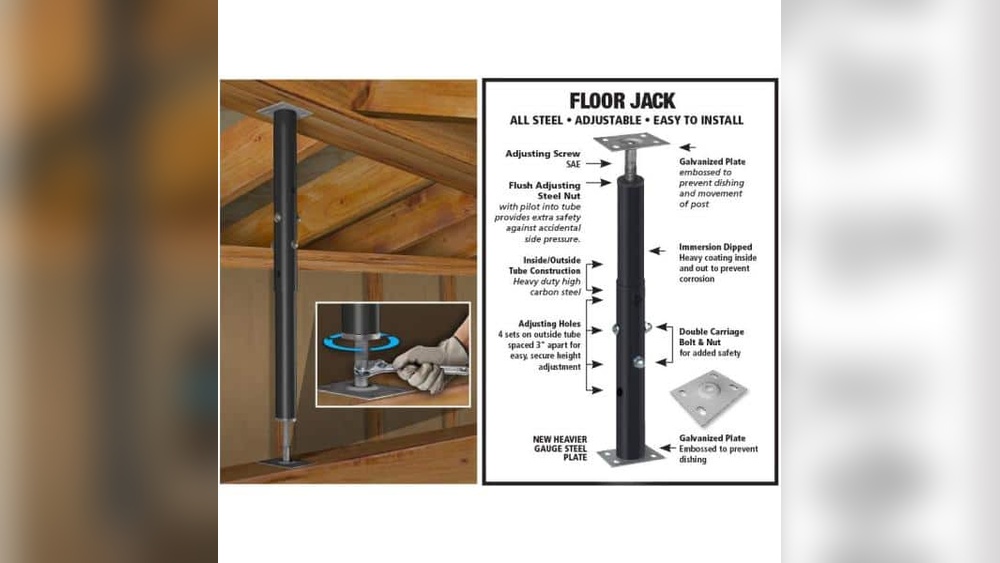
Have you ever found yourself stuck with a floor jack that just won’t lift your car? It’s frustrating when your trusted tool fails right when you need it most.
But before you rush out to buy a new one, what if you could fix it yourself? Repairing your floor jack might be easier than you think. In this guide, you’ll learn simple, step-by-step tips to get your jack working smoothly again.
Keep reading, and you’ll save time, money, and avoid unnecessary hassle. Your next repair success is just a few steps away.
Common Floor Jack Problems
Floor jacks are useful tools for lifting heavy objects. They help with car repairs and other tasks. Yet, they can stop working well over time. Knowing common problems helps you fix them fast. You can avoid bigger damage and save money. This guide explains key issues you might find.
Hydraulic Fluid Leaks
Hydraulic fluid leaks are a frequent issue. The fluid powers the jack’s lifting ability. Leaks reduce pressure and make the jack weak. Look for wet spots or puddles under the jack. Leaks often come from worn hoses or loose fittings. Fixing leaks means replacing parts or tightening connections.
Air Trapped In Hydraulic System
Air inside the hydraulic system stops smooth operation. It causes the jack to lift slowly or not at all. You might hear strange noises while pumping. Bleeding the system removes trapped air. This process restores proper pressure and function.
Worn Or Damaged Seals
Seals keep the hydraulic fluid inside the jack. Over time, seals can wear out or crack. Damaged seals cause fluid leaks and reduce pressure. Replacing these seals is important for safety. Use seals that fit your jack model exactly.
Faulty Release Valve
The release valve controls lowering the jack. A faulty valve can cause slow descent or no movement. Dirt or rust may block the valve. Cleaning or replacing the valve can fix this problem. Check the valve regularly to ensure smooth operation.

Credit: www.ebay.com
Tools And Materials Needed
Repairing a floor jack requires the right tools and materials. Having these ready saves time and helps fix the problem correctly. Gather everything before starting the repair work.
Basic Hand Tools
Start with a set of basic hand tools. You will need wrenches, screwdrivers, pliers, and a hammer. A socket set also helps to remove nuts and bolts. These tools allow you to open the jack and work on its parts.
Hydraulic Fluid Types
Hydraulic fluid is essential for the jack to lift properly. Use the type recommended by the jack’s manufacturer. Usually, it is a light hydraulic oil or brake fluid. Avoid using thick or dirty fluids as they can damage the system.
Replacement Parts
Check the jack for worn or broken parts. Common parts that may need replacement include seals, O-rings, and valves. Order parts that match your floor jack model exactly. Using the right parts ensures the jack works safely after repair.
Inspecting The Floor Jack
Inspecting your floor jack is the first step to fix any problem. It helps find the cause of the issue and avoid further damage. Careful inspection saves time and money in the repair process.
Checking Fluid Levels
Hydraulic fluid is vital for a floor jack to work properly. Low fluid stops the jack from lifting or holding weight. Open the fill plug and check the fluid level. Add the recommended hydraulic oil if the level is low. Avoid overfilling, which can cause leaks and damage.
Identifying Visible Damage
Look closely for cracks, bends, or broken parts. Check the handle, wheels, and lifting arm. Rust or corrosion can weaken the jack’s structure. Damaged seals or hoses cause fluid leaks. Replace or repair any damaged parts to ensure safety and function.
Testing The Release Valve
The release valve controls the jack’s lowering speed. Turn it slowly to see if the jack lowers smoothly. If the jack does not lower or lowers too fast, the valve may be faulty. Clean the valve or replace it if needed to restore proper control.
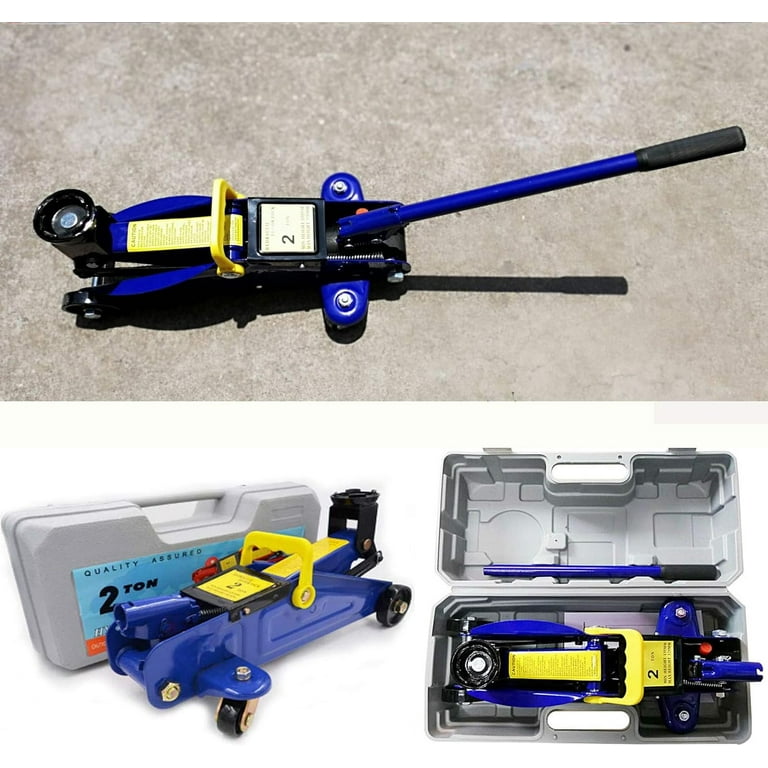
Credit: www.walmart.com
Fixing Hydraulic Fluid Issues
Hydraulic fluid issues often cause floor jacks to stop working properly. The fluid powers the lifting mechanism. Low or dirty fluid can make the jack weak or stuck. Fixing these problems restores smooth operation. Follow these simple steps to fix hydraulic fluid problems and get your jack lifting again.
Refilling Hydraulic Fluid
Start by locating the fluid fill plug on the jack. Clean the area around it to avoid dirt inside. Remove the plug carefully. Use the recommended hydraulic fluid for your jack. Pour fluid slowly until it reaches the right level. Avoid overfilling, which can cause leaks. Replace the plug securely before testing the jack.
Bleeding Air From The System
Air trapped inside the hydraulic system reduces lifting power. To remove air, open the release valve. Pump the handle slowly several times. This action pushes air out through the valve. Close the valve tightly afterward. Check if the jack lifts smoothly now. Repeat if needed until no air remains.
Replacing Fluid Seals
Worn seals cause hydraulic fluid to leak. This leads to poor jack performance. Inspect seals around the pump and cylinder. Remove any damaged seals carefully. Replace with new seals matching your jack model. Use a lubricant to ease installation. Tighten all parts firmly to prevent leaks. Test the jack after seal replacement for proper function.
Repairing Or Replacing The Release Valve
Repairing or replacing the release valve is a key step in fixing a floor jack that won’t hold pressure. The release valve controls the jack’s lifting and lowering action. If it is dirty or damaged, the jack can fail to work properly. Understanding how to locate, clean, or replace this valve can save time and money.
Locating The Release Valve
Start by finding the release valve on your floor jack. It usually looks like a small screw or knob near the base. This valve controls the hydraulic fluid flow inside the jack. Check the user manual if you cannot spot it right away. Knowing its location helps in cleaning or replacing it easily.
Cleaning The Valve
Over time, dirt and debris can clog the release valve. Use a clean cloth to wipe away grime around the valve area. Apply a small amount of lubricant to loosen any stuck parts. Gently turn the valve to free it up. This simple cleaning can restore smooth operation of the jack.
Valve Replacement Steps
Sometimes cleaning is not enough. The valve may need replacement to fix the problem. First, release all pressure from the jack. Unscrew the old valve carefully using a wrench. Insert the new valve and tighten it securely. Test the jack to ensure it lifts and holds weight correctly. Replacing the valve often solves persistent issues quickly.
Testing The Floor Jack After Repair
Testing the floor jack after repair is important to ensure it works safely. This step checks if the fix was successful. It also helps avoid accidents during use. Follow these simple tests before using your jack again.
Safety Checks
Start with a visual inspection. Look for leaks, cracks, or loose parts. Make sure the jack is clean and free of dirt. Check if the release valve turns smoothly. Verify that the handle moves without resistance. Ensure the wheels roll freely. Confirm the jack stands firmly on the ground.
Lifting Test Procedure
Place the jack under a sturdy, heavy object. Pump the handle slowly to lift the object. Watch for any unusual sounds or movements. Stop lifting if the jack feels unstable. Hold the load for a few minutes. Check if the jack holds the weight without dropping. Lower the load gently using the release valve. Repeat the test a few times to confirm reliability.
Preventive Maintenance Tips
Preventive maintenance keeps a floor jack working smoothly. It helps avoid sudden breakdowns and costly repairs. Small habits protect your tool and extend its life.
Follow these simple tips regularly. They save time and money in the long run.
Regular Fluid Checks
Check hydraulic fluid often. Low fluid causes poor lifting and damage. Use the correct fluid type for your jack. Top up if the level is low. Change old fluid to keep parts clean.
Proper Storage
Store the jack in a dry place. Moisture causes rust and weakens parts. Keep it away from dust and dirt. Lower the jack fully before storing. This reduces pressure on seals and valves.
Routine Inspections
Look over your floor jack before use. Check for leaks, cracks, or bent parts. Test the lifting mechanism for smooth action. Tighten loose bolts and nuts. Fix small issues early to avoid bigger problems.
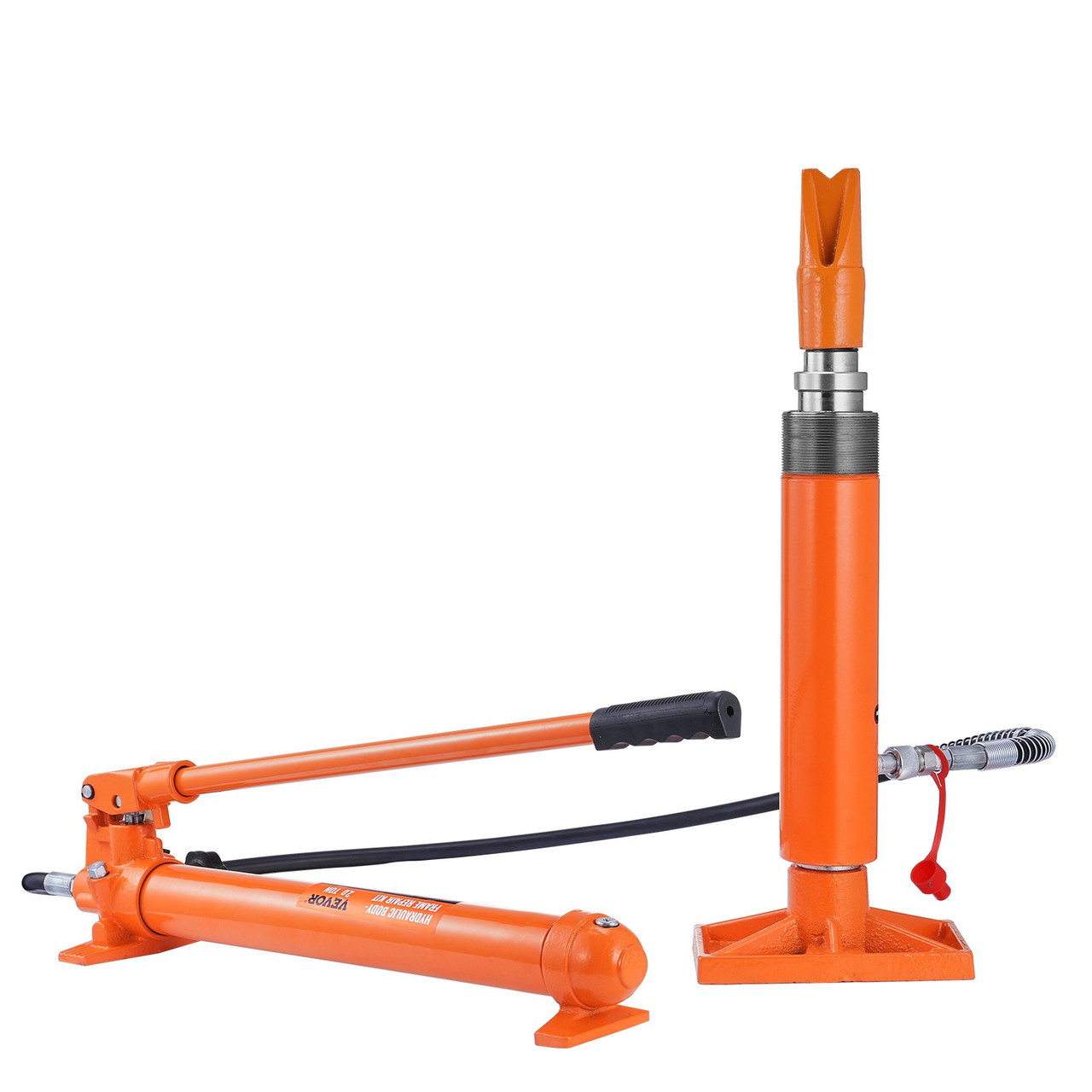
Credit: usatoolsinc.com
Frequently Asked Questions
Why Won’t My Floor Jack Lift Properly?
A floor jack may not lift properly due to low hydraulic fluid, air in the system, or worn seals. Check fluid levels first, then bleed the jack to remove air. Replace any damaged seals to restore proper lifting function.
How Do I Fix A Leaking Floor Jack?
To fix a leaking floor jack, locate the leak source, usually seals or hydraulic lines. Replace damaged seals or tighten fittings. Regularly check fluid levels and maintain the jack to prevent future leaks.
Can I Repair A Floor Jack That Won’t Hold Pressure?
Yes, you can repair it by inspecting the hydraulic system for worn or damaged parts. Replace faulty seals, clean valves, and refill fluid. Proper maintenance helps maintain pressure and ensures safety.
What Tools Are Needed To Repair A Floor Jack?
Basic tools include wrenches, screwdrivers, a hydraulic fluid pump, replacement seals, and cleaning supplies. These help disassemble, clean, and replace parts to restore jack functionality efficiently.
Conclusion
Repairing a floor jack takes patience and careful steps. Follow the guide and check each part closely. Small fixes can bring your jack back to work. Keep tools ready and work safely every time. Regular care helps your jack last longer.
Don’t rush—take time to understand the problem. Your floor jack will be ready to lift again soon. Simple repairs save money and keep your tools useful. Stay confident and try the steps one by one.