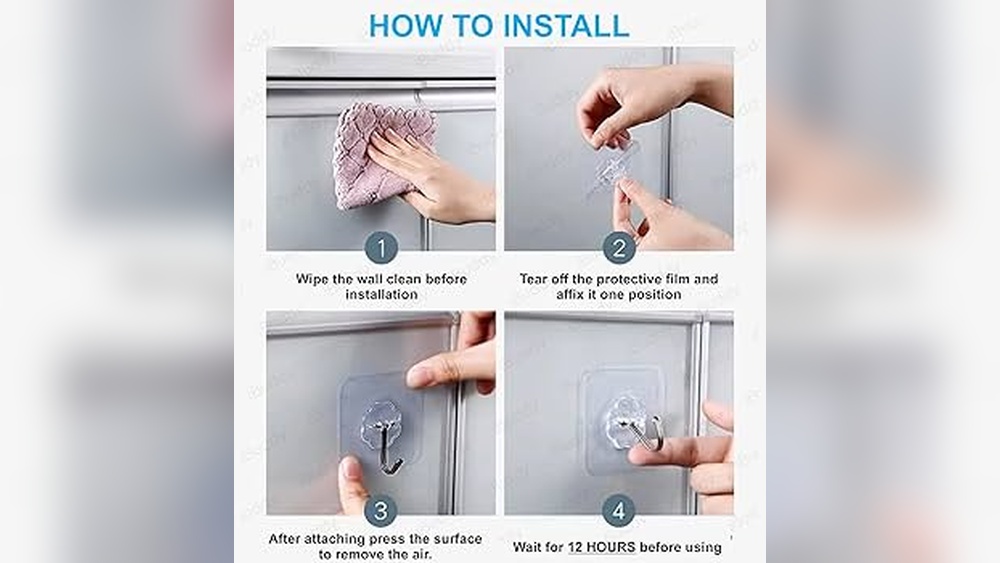
Have you ever stuck a wall hook, only to struggle when it’s time to remove it? Those sticky wall hooks can be tricky—they hold tight, but sometimes leave marks or damage behind.
You want your walls to stay clean and smooth, but pulling too hard might peel paint or leave sticky residue. What if you could take them off easily, without stress or mess? You’ll discover simple, effective ways to remove sticky wall hooks safely.
Keep reading to learn the secrets that will save your walls and your patience!

Credit: www.reddit.com
Types Of Sticky Wall Hooks
Sticky wall hooks help hang items without drilling holes. They come in different types, each with unique features. Knowing these types makes removal easier and safer for your walls.
Adhesive Strips
Adhesive strips stick firmly to walls. They hold lightweight objects well. Strips come with a tab for easy removal. Pull the tab slowly to avoid wall damage. These strips work best on smooth surfaces.
Gel Pads
Gel pads are soft and sticky. They grip surfaces without leaving marks. Pads fit small items like pictures or cables. They are reusable and easy to clean. Gel pads lose stickiness if dusty or oily.
Double-sided Tapes
Double-sided tapes stick on both sides. They hold heavier items than strips or pads. Tapes can be hard to remove cleanly. Use heat or oil to soften the adhesive. Choose tapes designed for walls to protect paint.
Common Challenges In Removal
Removing sticky wall hooks can be tricky. Many face common problems that make the task frustrating. Knowing these challenges helps prepare for smooth removal. It saves time and keeps walls safe.
Residue Left Behind
Sticky hooks often leave a sticky mess on the wall. This residue can attract dust and dirt. It makes walls look dirty and uneven. Removing this sticky residue needs patience and the right tools.
Wall Surface Damage
Peeling paint or damaged wallpaper is a common issue. Pulling hooks too fast can tear the wall surface. Some walls are more sensitive and need gentle handling. Careless removal can cause costly repairs later.
Hook Breakage
Hooks sometimes break during removal. This leaves small parts stuck on the wall. Broken hooks can be hard to pull off cleanly. Using the wrong method increases the chance of breakage.
Tools You’ll Need
Removing sticky wall hooks without damage needs a few simple tools. These items help loosen the adhesive and clean the surface afterward. Using the right tools makes the job easier and keeps your walls safe.
Hair Dryer
A hair dryer softens the glue behind the hook. Warm air melts the sticky part slowly. This helps the hook come off without pulling paint or wallpaper.
Plastic Scraper
A plastic scraper gently lifts the hook away from the wall. It slides under the edge without scratching the surface. Metal tools can cause damage, so plastic is best.
Cleaning Supplies
After removing the hook, some glue may stay on the wall. Use mild soap and water or rubbing alcohol to clean it. A soft cloth or sponge works well for wiping.

Credit: www.youtube.com
Step-by-step Removal Methods
Removing sticky wall hooks without damaging the wall requires care and patience. Follow these simple steps to take off hooks safely. Each method helps reduce marks and keeps your wall clean.
Using Heat To Loosen Adhesive
Apply gentle heat with a hairdryer to the hook’s base. Warm air softens the glue underneath the hook. Hold the hairdryer a few inches away for about 30 seconds. The heat makes peeling easier and less likely to damage paint.
Peeling Off Slowly
Start lifting the hook slowly from one edge. Pull the hook back against the wall, not straight out. Use steady, slow movements to avoid tearing paint. If it resists, apply more heat and try again. Patience keeps your wall safe.
Cleaning Residue Safely
After removing the hook, small sticky patches may remain. Use warm, soapy water and a soft cloth to wipe the area. Avoid harsh chemicals that may damage paint. For tougher residue, try rubbing alcohol gently. Clean walls look fresh and ready for new decor.
Tips For Different Wall Surfaces
Sticky wall hooks are handy but removing them needs care. Different wall surfaces need different methods. This helps avoid damage and keeps walls looking good.
Painted Walls
Use heat from a hairdryer to soften the adhesive. Hold it close but do not burn the paint. Slowly pull the hook away from the wall. If it resists, warm it again. Avoid peeling paint by pulling gently.
Wallpaper
Peeling wallpaper can ruin your room’s look. Warm the adhesive with a hairdryer first. Then, stretch the hook’s sticky strip sideways, not outwards. This reduces the chance of tearing the paper. Take your time and be gentle.
Tile And Glass
These surfaces handle hooks better. Heat the adhesive with a hairdryer. Slide dental floss or a thin wire behind the hook. Move it in a gentle sawing motion to remove the glue. Clean leftover adhesive with rubbing alcohol.

Credit: www.youtube.com
Frequently Asked Questions
How Do I Safely Remove Sticky Wall Hooks?
To safely remove sticky wall hooks, gently peel the hook from the wall. Use dental floss or a hairdryer to loosen the adhesive without damaging the paint or surface.
What Tools Help Remove Sticky Wall Hooks Easily?
Use dental floss, a hairdryer, or rubbing alcohol to loosen adhesive. These tools reduce damage and make hook removal smoother and safer.
Can Sticky Hooks Damage My Walls?
Sticky hooks can damage walls if removed improperly. Peeling too fast or using sharp tools may strip paint or drywall.
How To Remove Sticky Hooks Without Leaving Residue?
Apply heat with a hairdryer to soften adhesive. Slowly peel the hook away and clean residue with rubbing alcohol or soapy water.
Conclusion
Removing sticky wall hooks can be simple and safe. Use gentle heat or slow pulling to avoid damage. Always clean the wall after taking the hook off. This keeps your walls smooth and ready for new decorations. Taking time and care helps you keep your space neat.
Try these easy steps next time you remove hooks. Your walls will thank you!