Are you tired of clutter piling up around your home? Hanging wall hooks is a simple and effective way to organize your space and keep things within reach.
But if you’re unsure how to do it right, you might end up with crooked hooks or holes in the wrong spots. This guide will walk you through easy steps to hang wall hooks securely and perfectly every time. By the end, you’ll have a neat, stylish solution that makes your daily routine smoother.
Ready to transform your walls and your space? Let’s get started!
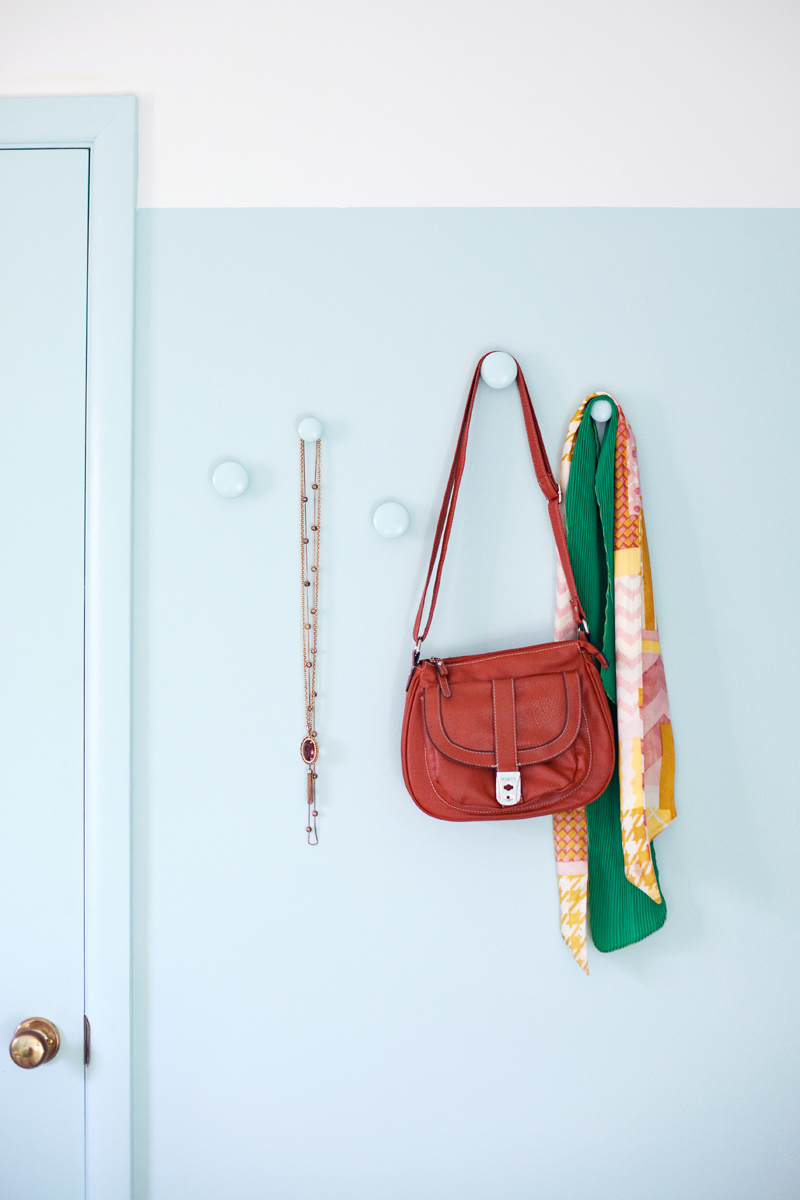
Credit: abeautifulmess.com
Choosing The Right Wall Hooks
Choosing the right wall hooks is important for both function and style. The correct hook holds your items safely without damaging your walls. It also matches your room’s decor and meets your needs. This section helps you pick the best wall hooks for your space.
Types Of Wall Hooks
Wall hooks come in many shapes and sizes. Some are simple pegs, while others have multiple arms. There are decorative hooks shaped like animals or plants. Some hooks have adhesive backs, and others need screws. Choose the type that fits your style and use.
Materials And Weight Limits
Hooks are made from metal, plastic, wood, or ceramic. Metal hooks are strong and good for heavy items. Plastic hooks work well for light objects. Wood and ceramic hooks add a classic look but may hold less weight. Always check the weight limit to avoid damage.
Matching Hooks To Wall Surfaces
Different walls need different hooks. Drywall often requires anchors or screws for strong hold. Tile walls need special hooks that do not crack the surface. Wood walls can support nails or screws easily. Choose hooks that work well with your wall type to ensure safety.
Tools And Materials Needed
Before hanging wall hooks, gather the right tools and materials. This preparation makes the job easier and safer. Using the correct items ensures the hooks stay secure and your walls stay undamaged.
Different walls may need different tools. Basic tools work for most walls. Some walls require special equipment for strong support.
Basic Tools Checklist
- Measuring tape
- Pencil
- Level
- Drill or screwdriver
- Wall anchors
- Screws
- Stud finder
Optional Tools For Specific Walls
- Masonry drill bit for brick or concrete walls
- Toggle bolts for hollow walls
- Hammer for anchors
- Protective goggles for drilling
Preparing The Wall
Preparing the wall is a crucial step before hanging wall hooks. It makes sure the hooks stay firm and safe. Taking time to clean and check the wall will give the best results. Proper preparation also helps avoid damage to the wall and keeps your hooks straight and strong.
Cleaning And Marking Spots
Start by cleaning the wall where the hooks will go. Dust and dirt can stop hooks from sticking or holding well. Use a damp cloth to wipe the area gently. Let it dry completely before moving on.
Next, mark the exact spots for the hooks. Use a pencil to make small, light marks. Measure the distance carefully to keep hooks even and balanced. This step helps to place hooks in the right spot the first time.
Locating Studs And Avoiding Obstacles
Find the studs in the wall for stronger support. Studs hold more weight than drywall alone. Use a stud finder tool to locate them easily. Mark the stud positions clearly with a pencil.
Check for obstacles like wires or pipes inside the wall. Avoid drilling where these might be. Use a wire detector or consult building plans. This prevents accidents and keeps your home safe.
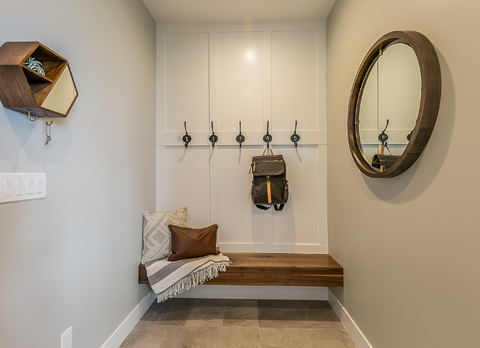
Credit: furnica.com
Step-by-step Hanging Process
Hanging wall hooks is a simple task when you follow the right steps. This process keeps your hooks strong and steady. A well-hung hook holds your items safely without falling. The following steps explain how to hang wall hooks correctly and easily.
Drilling Pilot Holes
Start by marking the spot for your hook. Use a pencil to make a small dot. Choose a drill bit smaller than your screw. Drill a pilot hole at the marked spot. Drill slowly to avoid cracking the wall. This hole guides the screw and prevents damage.
Inserting Anchors Or Screws
Check if your wall needs anchors. Drywall usually needs anchors for support. Push the anchor into the pilot hole gently. Tap it lightly with a hammer if needed. For solid walls, screw directly into the pilot hole. Anchors keep the hook secure under weight.
Mounting The Hook Securely
Place the hook over the hole or anchor. Insert the screw through the hook’s hole. Use a screwdriver to tighten the screw firmly. Do not overtighten to avoid damage. Test the hook by gently pulling it. A secure hook stays in place without movement.
Tips For Different Wall Types
Different walls need different tools and methods to hang hooks securely. Knowing your wall type helps you choose the right anchors and screws. This prevents damage and keeps hooks strong for a long time.
Drywall And Plaster
Drywall is common in many homes. Use plastic anchors or toggle bolts for heavy items. Drill a small hole first. Insert the anchor, then screw the hook in place.
Plaster walls are harder and may crack easily. Use a drill with a masonry bit. Pick anchors made for plaster to avoid damage.
Brick And Concrete
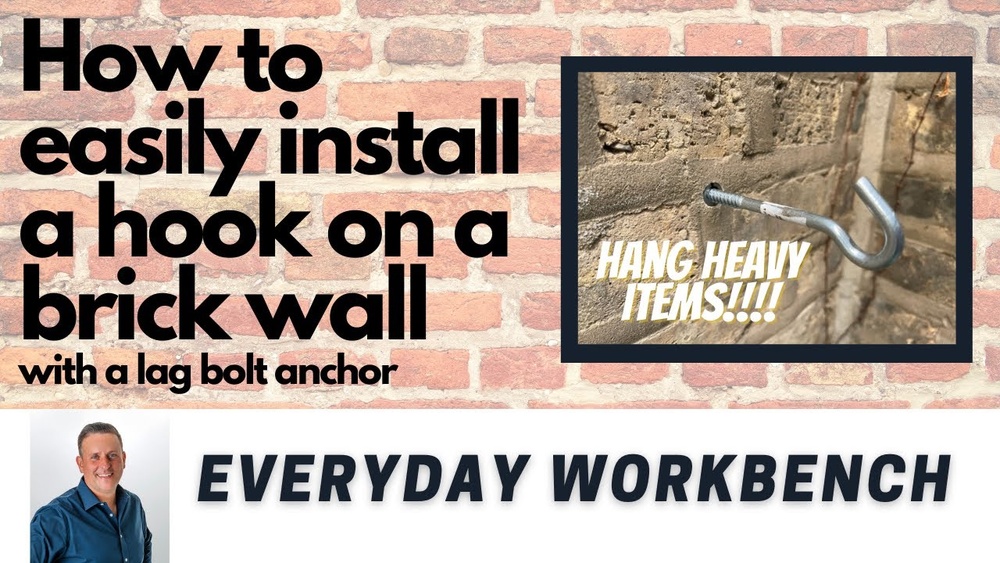
Brick and concrete are very strong but need special tools. Use a hammer drill with a masonry bit to make holes. Insert concrete anchors before screwing in hooks.
Drill slowly to avoid overheating the drill bit. Always wear safety goggles while drilling.
Tile And Glass
Tile and glass are fragile and can break easily. Use suction cup hooks for light items. For heavier hooks, drill very carefully with a diamond drill bit.
Place masking tape on tile to prevent slipping. Do not drill directly on glass walls; use adhesive hooks instead.
Testing And Maintaining Hooks
Testing and maintaining wall hooks ensures they stay strong and safe. Hooks need regular checks to hold your items well. Small problems can become big if ignored.
Keep your hooks working longer with simple care steps. Check their condition often and fix issues fast.
Checking Stability
Press gently on the hook to test its hold. Move it slightly to feel if it wobbles. A stable hook should not shift or loosen.
Look at the wall around the hook for cracks or damage. These signs mean the hook is not secure. Tighten screws or anchors if needed.
Adjusting For Heavy Loads
Heavier items need stronger hooks or extra support. Use wall anchors designed for heavy weight. Spread the load by using multiple hooks if possible.
Replace small hooks with larger ones for better strength. Check weight limits on packaging before hanging heavy objects.
Routine Maintenance
Clean hooks regularly to remove dust and dirt. Dirt can weaken the hook’s grip over time. Use a soft cloth and mild cleaner.
Inspect screws and anchors every few months. Tighten any loose parts to keep hooks secure. Replace damaged hooks immediately to avoid accidents.

Credit: lelloliving.com
Frequently Asked Questions
How Do I Choose The Right Wall Hooks?
Choose wall hooks based on weight capacity, wall type, and hook design. Consider the items you plan to hang and the wall material for secure installation.
What Tools Are Needed To Hang Wall Hooks?
You need a drill, screws, anchors, a screwdriver, a pencil, and a level. These tools help ensure accurate and secure hook installation.
Can I Hang Wall Hooks On Drywall?
Yes, use wall anchors for drywall to support weight. Anchors prevent hooks from pulling out and provide better stability.
How High Should I Place Wall Hooks?
Place hooks at a convenient height, usually 5 to 6 feet from the floor. Adjust based on the item size and user preference.
Conclusion
Hanging wall hooks is a simple task anyone can do. With the right tools and steps, you save time and avoid mistakes. Choose the right spot and use a level for best results. Secure hooks firmly to hold your items safely.
Enjoy a neat, organized space with your new wall hooks. Small efforts bring big changes to your home’s look and function. Keep practicing, and hanging hooks will become easier each time.