Are you struggling to hang your favorite decorations or tools on a brick wall? Attaching hooks to brick can seem tricky, but with the right steps, you can do it quickly and securely.
Imagine having your items perfectly displayed, without damaging your wall or risking them falling down. In this guide, you’ll learn simple, effective methods to attach hooks to your brick wall like a pro. Keep reading, and you’ll have your wall ready in no time!
Choosing The Right Hooks
Choosing the right hooks for a brick wall is important for safety and durability. Different hooks work better for various tasks and wall types. Picking the correct hook helps your items stay secure and prevents damage to the wall.
Consider the size and shape of the item to hang. Also, check the condition of the brick and mortar. These details guide you to select the best hooks for your needs.
Types Of Hooks For Brick Walls
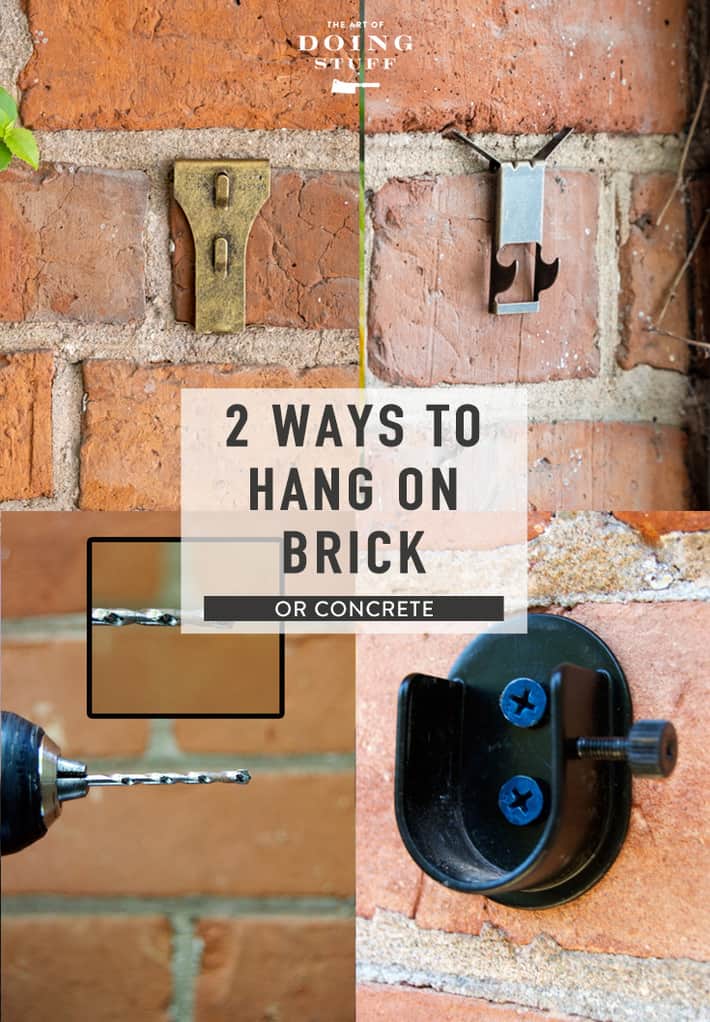
There are several hooks designed for brick walls. Masonry hooks have sharp ends to grip bricks firmly. Screw-in hooks use anchors that fit into drilled holes. Adhesive hooks stick with strong glue but suit only light items. Choose hooks made from rust-resistant materials like stainless steel.
Weight Capacity Considerations
Each hook has a weight limit. Exceeding this limit risks the hook pulling out or breaking. Check the package for maximum weight details. For heavy items, use hooks with higher weight ratings. Secure mounting in solid brick improves holding power. Avoid using hooks on weak or crumbling mortar.

Credit: www.reddit.com
Tools And Materials Needed
Attaching hooks to a brick wall requires specific tools and materials. These items make the job easier and safer. Preparing everything before starting helps avoid interruptions and mistakes. Below are the key tools and safety gear you need.
Essential Tools
You need a drill with a masonry bit to make holes in the brick. A hammer helps to tap anchors into place. Use wall plugs or anchors designed for brick walls. A screwdriver or drill driver is necessary to screw in the hooks. A tape measure helps find the right spot for the hooks. A pencil or marker lets you mark drilling points. A level ensures hooks are straight and even.
Safety Gear
Wear safety goggles to protect your eyes from dust and debris. Use gloves to protect your hands from rough bricks and sharp tools. A dust mask prevents inhaling brick dust. Ear protection reduces noise from drilling. Wear sturdy shoes to protect your feet. Always work in a well-ventilated area to avoid dust buildup.
Preparing The Brick Wall
Preparing the brick wall is the first step for attaching hooks securely. A clean and well-chosen spot helps the hook hold better. It also prevents damage to the brick and makes the process easier.
Take time to check the wall carefully before starting. This preparation makes the difference between a strong hold and a weak one.
Cleaning The Surface
Remove dust, dirt, and loose particles from the brick surface. Use a stiff brush or a broom to sweep the wall. Dirt can stop the hook from sticking well. Wipe the area with a damp cloth to clear fine dust. Let the wall dry completely before moving on. A clean surface helps the hook stay in place longer.
Identifying The Best Spot
Look for solid bricks, not the mortar between them. Mortar is softer and can crumble under weight. Choose a brick that looks strong and intact. Avoid areas with cracks or damage. Pick a spot that suits the hook’s purpose and weight. Mark the spot lightly with chalk or pencil. This step ensures the hook holds safely and lasts longer.
Drilling Into Brick
Drilling into brick requires care and the right tools. You must prepare the wall before you start. This helps avoid damage and ensures strong support for your hooks. Follow clear steps to drill holes safely and precisely.
Marking Drill Points
First, decide where you want to place the hooks. Use a pencil to mark exact spots on the brick. Measure twice to make sure marks are level and spaced well. Clear marks guide your drill and keep holes straight.
Using The Right Drill Bit
Choose a masonry drill bit made for brick or concrete. These bits have special tips that cut through hard surfaces. Select the correct size based on the hook’s anchor or plug. Using the right bit prevents cracks and makes drilling easier.
Drilling Techniques
Start drilling slowly at the marked point to avoid slipping. Keep the drill steady and apply gentle pressure. Let the drill do the work; don’t force it. Drill to the depth needed for the anchor or plug. Clean out dust from the hole before inserting hooks.
Inserting Anchors And Hooks
Inserting anchors and hooks into a brick wall is key for a strong hold. This process helps support the weight of items you want to hang. Using the right anchors and hooks ensures safety and durability. Follow the steps below to make your attachments secure and lasting.
Choosing Anchors
Select anchors made for brick or masonry walls. Plastic anchors work for light items. Metal anchors handle heavier loads. Match the anchor size to the hook and wall thickness. Avoid using drywall anchors on brick walls.
Installing Anchors
Drill a hole slightly smaller than the anchor diameter. Use a masonry drill bit for clean holes. Clear dust from the hole with a brush or air blower. Insert the anchor gently until flush with the wall surface. Tap lightly with a hammer if needed.
Attaching Hooks Securely
Screw the hook into the anchor firmly. Check that the hook fits the anchor snugly. Avoid over-tightening to prevent damage. Test the hook by pulling it gently. It should feel steady and hold its place well.
Credit: www.theartofdoingstuff.com
Alternative Hook Attachment Methods
Attaching hooks to a brick wall does not always require drilling. Alternative methods offer simple solutions that protect the wall and save time. These options suit light to medium loads and avoid damage.
Explore these easy ways to hang items on a brick wall without tools. Each method has its own benefits and limits. Choose the one that fits your needs best.
Adhesive Hooks
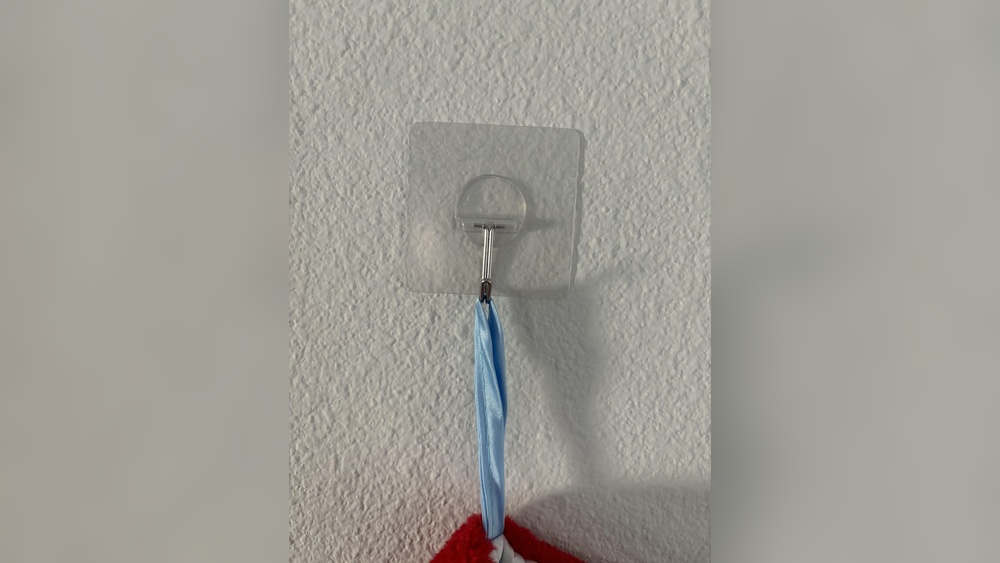
Adhesive hooks stick directly to the brick surface. They use strong glue that holds well on rough textures. Ideal for hanging small frames, decorations, or keys.
Make sure the brick is clean and dry before applying. Press the hook firmly for a few seconds. Most adhesive hooks remove without leaving marks.
Magnetic Hooks
Magnetic hooks work only on metal surfaces embedded in the brick wall. They offer quick and easy attachment. Great for hanging lightweight items like tools or cables.
These hooks are reusable and do not damage the wall. Check the strength of the magnet for your specific use.
Wire And Strap Solutions
Wire and strap methods use tension or looping to hold hooks in place. Wrap a wire or strap around the brick or between bricks. Attach the hook to the wire or strap.
This method avoids drilling and is adjustable. Best for hanging plants, lights, or outdoor decorations. Choose strong materials to ensure safety and durability.
Testing Hook Stability
Testing hook stability is an important step after attaching hooks to a brick wall. It ensures the hooks hold items securely without falling. This process helps avoid damage to your wall and protects your belongings. Testing also shows if the hooks are installed properly and ready to use.
Weight Testing
Start with light items to test the hook’s strength. Hang something small like a set of keys or a light bag. Watch the hook carefully to see if it holds steady. Slowly increase the weight by adding heavier objects. This helps check how much weight the hook can safely carry. Stop adding weight if the hook starts to move or bend.
Adjustments And Troubleshooting
If the hook feels loose or unstable, make adjustments. Tighten screws or anchors to improve grip on the brick wall. Check if the hook is straight and positioned correctly. Replace weak anchors with stronger ones if needed. Use a drill to make holes deeper for better hold. Repeat the weight test after adjustments to confirm stability.
Maintenance Tips
Maintaining hooks attached to a brick wall is key for safety and durability. Regular care helps avoid damage to both the hooks and the wall. It also ensures the hooks hold items securely over time.
Checking For Wear
Look at hooks often for signs of rust or bending. Small cracks or loose screws show the hook may fail soon. Check the wall area around the hook for any crumbling bricks or holes. Catching these early can prevent bigger problems.
Removing Hooks Safely
Remove hooks gently to avoid damaging the brick surface. Use the right screwdriver or tool for the hook type. If the hook is stuck, try loosening it slowly instead of pulling hard. Fill holes with mortar or patching material after removal to keep the wall strong.

Credit: www.reddit.com
Frequently Asked Questions
How Do I Choose The Right Hook For Brick Walls?
Select hooks designed for masonry or brick surfaces. Choose heavy-duty hooks for heavy items and adhesive hooks for light objects. Consider the wall’s texture and weight capacity before deciding.
What Tools Are Needed To Attach Hooks To Brick?
You’ll need a drill with a masonry bit, wall plugs, screws, a hammer, and a screwdriver. Safety goggles and a dust mask are recommended for protection during drilling.
Can I Use Adhesive Hooks On Brick Walls?
Yes, adhesive hooks work on smooth, clean bricks but aren’t ideal for rough or porous surfaces. They hold light items and are easy to remove without damage.
How Do I Drill Into A Brick Wall Safely?
Use a masonry drill bit and steady pressure. Drill slowly to avoid cracking the brick. Wear safety gear and mark the spot before drilling.
Conclusion
Attaching hooks to a brick wall is easier than it seems. Choose the right tools and materials first. Drill carefully to avoid cracking the brick. Use anchors to hold hooks firmly in place. Check that everything feels secure before hanging items.
This simple method keeps your wall safe and your things steady. Try these steps to add hooks with confidence and ease.