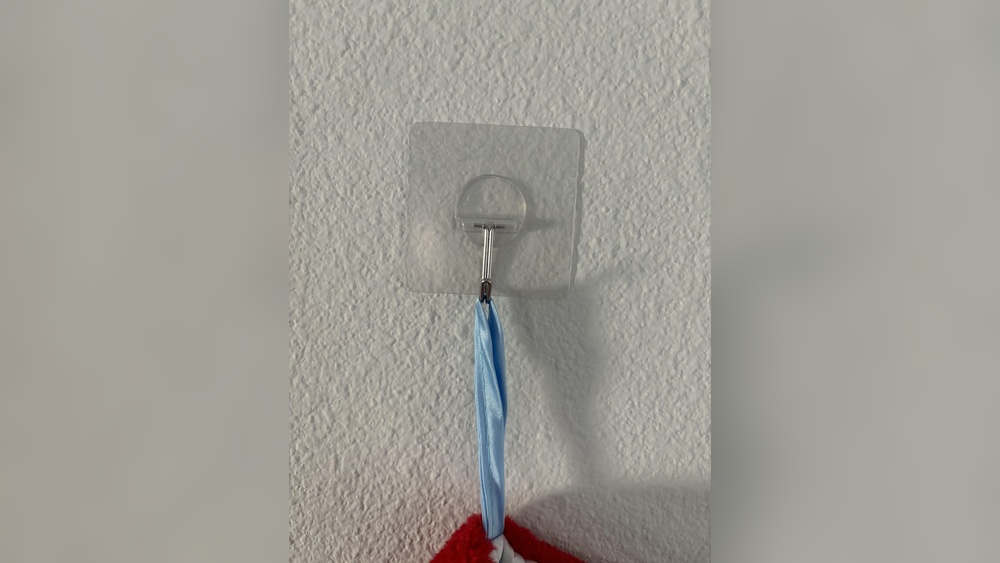
Have you ever stuck a hook on your wall, only to struggle when it’s time to remove it? Those sticky hooks seem perfect at first, but when you try to take them down, they can leave behind a mess or even damage your wall.
If you want to get your sticky hooks off the wall quickly and without ruining your paint or wallpaper, you’re in the right place. Keep reading, and you’ll discover simple, effective tricks that anyone can use to make this task easy and stress-free.
Say goodbye to frustration and hello to a clean, smooth wall!
Types Of Sticky Hooks
Sticky hooks are popular for hanging items without drilling holes. They stick to walls using special adhesives. Different types of sticky hooks suit different surfaces and weights. Knowing the types helps to remove them safely later.
Common Brands And Designs
Many brands offer sticky hooks with unique designs. Some hooks have plastic or metal bodies. Others come with decorative covers to blend with walls. Popular brands include Command, 3M, and Velcro. Each brand focuses on easy use and strong hold.
Hooks vary in size and shape. Some are small for light items like keys. Others are large for heavier things like coats. Designs may include swivel hooks or simple flat hooks. The style affects how you remove the hook and adhesive.
Adhesive Varieties
Sticky hooks use different adhesives for different surfaces. Some adhesives work best on painted walls. Others are designed for tiles or glass. The type of adhesive affects how strong the hook holds.
Removable adhesives peel off easily without damage. Permanent adhesives stick very tightly and may leave residue. Choosing the right adhesive helps avoid wall damage. It also makes removal easier and cleaner.
Preparing The Area
Preparing the area before removing sticky hooks is key for a smooth process. It helps protect your walls and makes the task easier. Taking time to clear and organize the space saves effort later.
Clearing The Space
Remove any objects near the hook. This prevents damage to items or the wall. Clear shelves, picture frames, or furniture around the hook.
Work in a clean area to avoid distractions. A tidy space helps you focus on removing the hook carefully.
Gathering Tools
Collect all tools needed before you start. Common tools include a hairdryer, dental floss, and a plastic card.
Having everything ready saves time. It prevents rushing and possible wall damage during removal.
Removing Sticky Hooks Safely
Removing sticky hooks safely protects your walls and paint. Using the right method reduces damage and keeps surfaces smooth. Careful removal also stops sticky residue from staying behind. Follow these easy steps to get hooks off without trouble.
Peeling Techniques
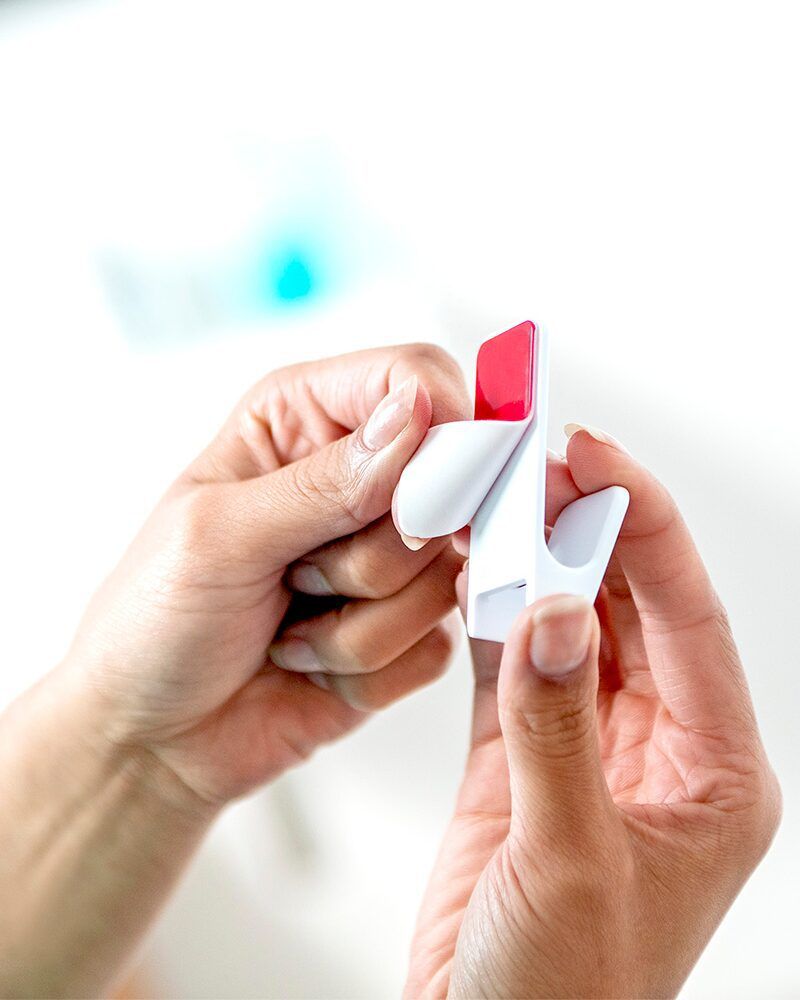
Start by peeling the hook slowly from one edge. Pull gently at a low angle to avoid wall damage. Use your fingers to ease the adhesive off bit by bit. Avoid quick or hard tugs that can peel paint. If the hook resists, try loosening the adhesive first. This method works well on painted and wallpapered walls.
Using Heat For Easier Removal
Heat softens the adhesive, making it easier to peel off. Use a hairdryer on low heat and warm the sticky part. Keep the dryer moving to prevent wall damage. After warming, try peeling the hook gently again. Heat helps remove hooks without pulling paint or leaving marks. This method is safe for most wall types.
Credit: www.velcro.com
Alternative Removal Methods
Removing sticky hooks from walls can be tricky. Some hooks leave behind sticky residue or damage the paint. There are easy alternative methods to remove hooks without harm. These methods use simple household items. They work well and save time.
Using Oil Or Vinegar
Oil helps break down sticky glue. Use cooking oil like olive or vegetable oil. Dab a small amount on the sticky area. Let it sit for five to ten minutes. Then, gently rub the residue with a cloth. The glue will soften and come off easily.
Vinegar also dissolves sticky glue. Soak a cotton ball in white vinegar. Press it on the sticky spot for a few minutes. Wipe the glue away with a clean cloth. Vinegar cleans well and leaves no oily marks.
Applying Dental Floss
Dental floss works like a tiny saw. Slide a piece behind the hook’s base. Move it back and forth slowly. The floss cuts through the adhesive layer. This method removes hooks without peeling paint. It works best on flat surfaces and small hooks.
Be gentle to avoid wall damage. Use a fresh floss piece for better cutting. This method takes a little patience but is very effective.
Cleaning Residue From Walls
Sticky hooks often leave behind residue on walls. This residue can be sticky, greasy, or dusty. Cleaning it off is important to keep walls looking nice. Using the right method helps avoid damage to paint or wallpaper. Choose cleaners that work well but are gentle enough for your wall surface.
Gentle Cleaners To Use
Start with mild soap and warm water. Mix a few drops of dish soap into water. Use a soft cloth or sponge to apply the solution. Rub the residue gently in a circular motion. For tougher spots, try rubbing alcohol on a cotton ball. Test in a small hidden area first. Avoid harsh chemicals that can strip paint or leave marks.
Avoiding Wall Damage
Do not scrub hard or use abrasive tools. Scrubbing can remove paint or damage wallpaper. Always test cleaning solutions on a small wall patch. Use soft cloths or sponges, never steel wool. Pat the area dry with a clean towel after cleaning. Taking these steps protects your walls while removing sticky residue.

Credit: www.reddit.com
Preventing Wall Damage
Sticky hooks are great for hanging items without nails. Removing them can be tricky. Without care, they might damage your walls. Preventing wall damage is important for a clean look. This section covers tips to protect your paint and delicate surfaces.
Avoiding Paint Peeling
Peeling paint happens when sticky hooks pull too hard. Pull hooks slowly and close to the wall. Heat the adhesive with a hairdryer for easier removal. Use a gentle, steady motion to lift the hook. Avoid quick or sharp tugs that can peel paint. After removal, check for leftover adhesive and clean it carefully.
Protecting Delicate Surfaces
Some walls have delicate finishes like wallpaper or textured paint. Sticky hooks can damage these easily. Test the hook on a small hidden spot first. Use hooks designed for delicate surfaces to reduce risk. Avoid using strong adhesives that can tear wallpaper. Always remove hooks gently and use warm air to soften glue. Protect your walls by choosing the right hook and removal method.
Tips For Reusing Sticky Hooks
Sticky hooks are handy for organizing your space. They stick well and hold many items. Reusing them saves money and reduces waste. Knowing how to keep their stickiness helps you get the most from them. Here are some tips to reuse sticky hooks effectively.
Restoring Adhesive Strength
Clean the sticky part with warm water. Avoid using soap or chemicals that can weaken the glue. Let it air dry completely before reuse. Dirt and dust reduce stickiness. Also, gently press the hook on a clean surface to reactivate the glue. This brings back some of its original hold.
Proper Storage
Store sticky hooks in a dry place away from dust. Cover the adhesive side with plastic wrap or wax paper. Avoid touching the sticky part with your fingers. Heat can soften the glue, so keep them in a cool area. Proper storage keeps hooks ready for the next use.
Credit: www.youtube.com
Frequently Asked Questions
How Do I Safely Remove Sticky Hooks From Walls?
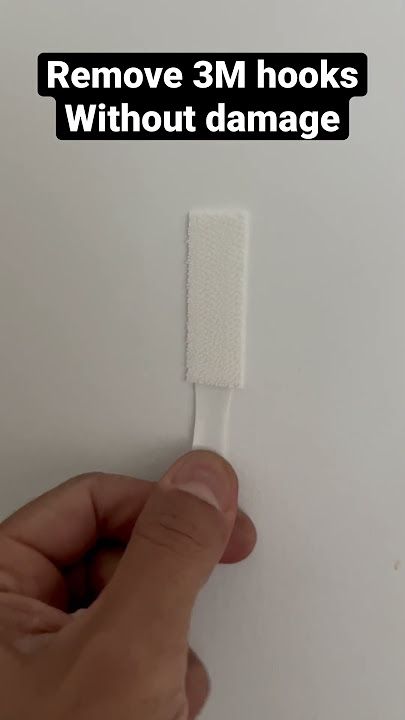
Gently pull the sticky hook’s tab straight down, not outward. This prevents wall damage. Use heat from a hairdryer to soften the adhesive if needed. Slowly peel off without forcing to avoid paint or drywall peeling.
What Household Items Remove Sticky Hook Residue?
Rubbing alcohol, white vinegar, or cooking oil can dissolve sticky residues. Apply a small amount on a cloth, gently rub the area, then wipe clean. Test on a small wall patch first to ensure no discoloration occurs.
Can Sticky Hooks Damage Painted Walls?
Yes, sticky hooks can peel paint if removed incorrectly. Always pull the adhesive tab slowly and directly down. Using heat before removal helps minimize paint damage. Avoid pulling hooks outward or at an angle.
How To Remove Sticky Hooks Without Leaving Marks?
Use a hairdryer to warm the adhesive for 30 seconds. Slowly pull the sticky tab down along the wall. Clean leftover residue with rubbing alcohol or vinegar. This method reduces marks and prevents wall damage.
Conclusion
Sticky hooks can leave marks, but removing them is simple. Use gentle tools and patience to protect your walls. Warm soapy water or rubbing alcohol works well. Avoid sharp objects that can damage the paint. Test a small area before applying any solution.
Clean the spot after removing the hook to prevent residue. These easy steps help keep your walls neat and damage-free. Try these tips next time you need to take down sticky hooks. Your walls will thank you.