If you own a Craftsman floor jack, you know how important it is to keep it working smoothly and safely. But when was the last time you gave your floor jack some proper care?
Servicing your Craftsman floor jack isn’t just about maintenance—it’s about protecting your investment and making sure it lifts your vehicle without fail. In this guide, you’ll learn simple, step-by-step tips to service your floor jack like a pro. By the end, you’ll feel confident knowing your jack will be ready whenever you need it.
Keep reading to discover how easy it is to extend the life of your Craftsman floor jack and avoid costly repairs.
Tools And Materials Needed
Servicing a Craftsman floor jack requires the right tools and materials. Having these ready makes the process smooth and safe. The tools help you open, clean, and fix parts easily. Materials keep the jack working well after servicing.
Gather everything before starting. This saves time and avoids interruptions. Here is a list of essential items for the job.
Basic Hand Tools
Wrenches and sockets fit different bolts on the jack. A set with various sizes covers all needs. Screwdrivers, both flathead and Phillips, help remove screws. Pliers are useful for gripping and pulling small parts.
Cleaning Supplies
Clean the jack parts to remove dirt and grease. Use rags or shop towels for wiping surfaces. A wire brush helps scrub rust or stubborn grime. Brake cleaner or degreaser removes oil residues effectively.
Lubricants And Fluids
Hydraulic fluid is key for the jack’s lifting power. Use the type recommended by Craftsman. Grease lubricates moving parts to prevent wear. Apply light machine oil to small joints for smooth action.
Replacement Parts
Keep seals and O-rings ready for replacement. These parts wear out and cause leaks. A floor jack repair kit often includes these items. Check the jack model to choose the right parts.
Safety Gear
Protect your hands with durable gloves. Safety glasses shield your eyes from debris. Wear closed-toe shoes to guard feet from heavy parts. A clean workspace reduces the risk of accidents.
Safety Precautions
Always wear gloves and safety glasses before servicing a Craftsman floor jack. Make sure the jack is on a flat surface and fully lowered to avoid accidents. Double-check all parts for damage before starting any work.
Wear Protective Gear
Always wear safety glasses to protect your eyes from debris. Use gloves to guard your hands against sharp edges and oil. Closed-toe shoes help protect your feet from heavy parts.
Work On A Flat Surface
Place the floor jack on a stable, flat surface before servicing. This prevents the jack from slipping or tipping over. Avoid working on uneven or soft ground.
Release Pressure Carefully
Before starting, release all pressure from the jack slowly. Sudden pressure release can cause injury or damage. Check the release valve and make sure it is fully open.
Keep Area Clear
Remove clutter and tools from your work area. A clean space reduces the risk of tripping or knocking over parts. Keep children and pets away while servicing.
Use Proper Tools
Use the right tools for each task on the floor jack. Improper tools can cause damage or accidents. Check tools for wear and replace if needed.
Preparing The Floor Jack
Preparing your Craftsman floor jack for service helps keep it working well. This step makes sure the jack is clean and safe to use. It also helps spot any problems early. Proper preparation saves time and effort during servicing.
Cleaning The Exterior
Start by wiping off dirt and grease from the jack’s surface. Use a clean cloth and mild soap with water. Avoid harsh chemicals that can damage paint or metal. Dry the jack completely to stop rust from forming. Clean surfaces help you see cracks or leaks easily.
Inspecting For Damage
Look closely at all parts of the jack. Check for bent or broken metal pieces. Examine the wheels for cracks or wear. See if any bolts or nuts are loose or missing. Spotting damage early keeps you safe during use. Replace or fix broken parts before moving on.

Credit: www.amazon.com
Draining Old Hydraulic Fluid
Draining old hydraulic fluid is a key step in servicing a Craftsman floor jack. Over time, the fluid can get dirty and lose its ability to lubricate and lift properly. Removing old fluid keeps the jack working smoothly and extends its life.
Old fluid may also contain moisture or air bubbles. These can cause the jack to fail or work unevenly. Draining the fluid helps remove these issues and prepares the jack for fresh hydraulic oil.
Gather Necessary Tools And Materials
Start by collecting a drain pan, wrench, and fresh hydraulic fluid. Use a clean cloth to wipe any spills. Wear gloves to protect your hands from the fluid.
Position The Floor Jack Safely
Place the jack on a flat surface. Lower the jack completely to release pressure. Make sure it is stable before starting the drain process.
Locate And Remove The Drain Plug
Find the drain plug at the base of the jack’s hydraulic reservoir. Use the wrench to loosen and remove the plug. Let the old fluid flow into the drain pan.
Flush The Reservoir If Needed
Fill the reservoir with a small amount of fresh fluid. Pump the jack several times to clean inside. Drain this fluid completely before adding new oil.
Replace The Drain Plug And Add New Fluid
Put the drain plug back securely. Pour fresh hydraulic fluid into the reservoir. Fill to the recommended level shown in the manual.
Replacing The Hydraulic Fluid
Replacing the hydraulic fluid in your Craftsman floor jack is essential for smooth and safe operation. Over time, the fluid can get dirty or lose its strength. This affects the jack’s lifting power and can cause damage. Changing the fluid keeps the jack working like new and extends its life.
Choosing The Right Fluid
Use hydraulic fluid made for floor jacks or automotive lifts. Avoid motor oil or brake fluid. They can damage seals and parts. Check your jack’s manual for specific fluid recommendations. Clear, clean fluid ensures better performance. Pick fluid that resists heat and pressure well.
Filling Process
First, lower the jack completely. Find the fluid fill plug on the jack. Remove it carefully. Use a clean funnel to pour the new fluid. Fill slowly until the fluid reaches the full mark. Avoid overfilling to prevent leaks. Replace the plug tightly. Pump the jack a few times to remove air. Check the fluid level again and add more if needed.
Lubricating Moving Parts
Lubricating moving parts is essential for keeping your Craftsman floor jack working smoothly. Proper lubrication reduces friction and stops parts from wearing out quickly. This helps the jack lift heavy loads safely and last longer.
Regular lubrication also prevents rust and corrosion on metal parts. It keeps the jack’s mechanism moving freely without sticking. Taking time to oil the right spots can save you money on repairs.
Choose The Right Lubricant
Use a high-quality grease or oil made for metal tools. Avoid thick grease that can clog moving parts. Light machine oil or silicone spray works well for joints and hinges.
Locate All Moving Parts
Check the handle, wheels, hinges, and lifting arm. These parts need smooth movement to work properly. Clean dirt and old grease before applying fresh lubricant.
Apply Lubricant Carefully
Put a small amount of oil on each moving part. Use a cloth to spread it evenly. Avoid over-lubricating as excess oil attracts dust and dirt.
Test The Jack After Lubrication
Move the handle up and down several times. Check if the parts move smoothly without noise. Reapply lubricant if you feel stiffness or resistance.
Checking And Adjusting Pressure
Checking and adjusting the pressure of your Craftsman floor jack is important for safe and smooth operation. The right pressure ensures the jack lifts easily and holds weight securely. Low or high pressure can cause problems or damage.
Pressure adjustment is simple with the right tools. It helps keep your jack working well for a long time. Follow these steps carefully to check and adjust the pressure.
How To Check The Pressure
Start by placing the jack on a flat, stable surface. Pump the handle slowly and watch the jack’s lifting speed. If it rises too fast or too slow, the pressure may need adjustment.
Next, listen for unusual sounds like hissing. This can signal a pressure leak. Check the oil level; low oil can affect pressure. Use the owner’s manual for specific pressure values.
Tools Needed For Pressure Adjustment
You need a few basic tools for this task. A wrench fits the pressure release valve. A clean cloth helps keep parts free from dirt. Also, have a small container ready to catch any oil that leaks out.
Adjusting The Pressure Safely
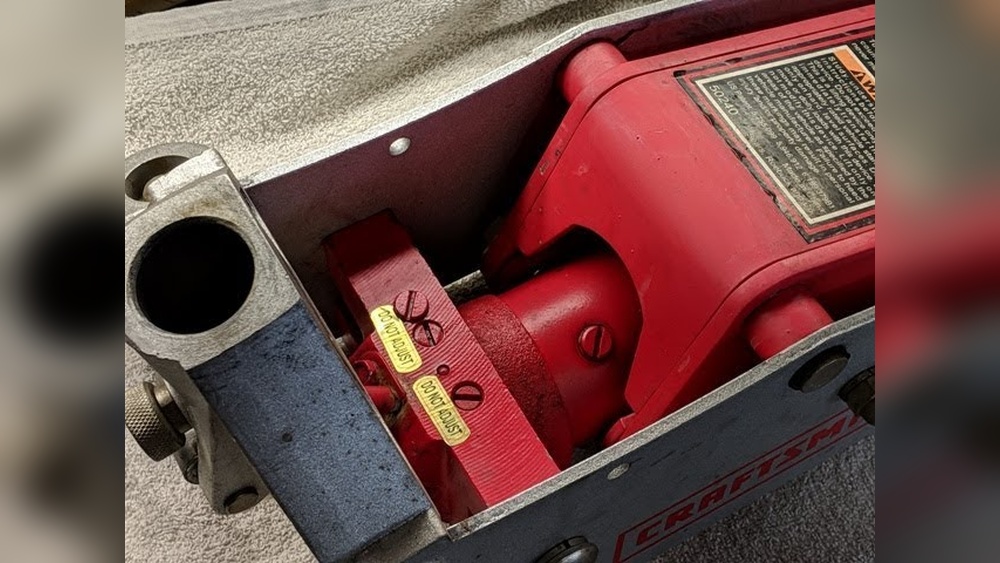
First, locate the pressure release valve on the jack. Slowly turn the valve with a wrench to release pressure. Turn it slightly and test the jack’s lift after each adjustment.
Do not open the valve too much. This can cause the jack to lose all pressure quickly. Adjust in small steps until the lifting feels smooth and steady.
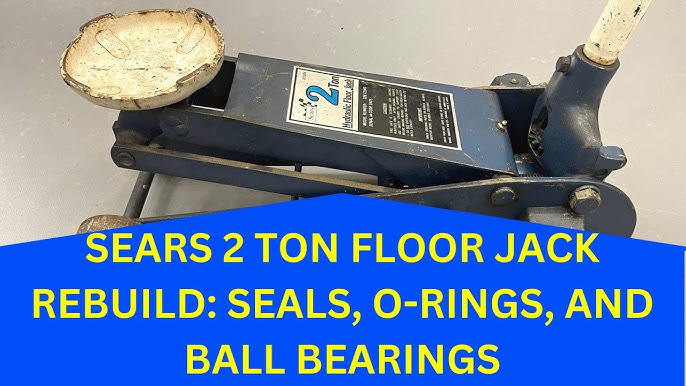
Credit: www.youtube.com
Testing The Floor Jack
Testing the Craftsman floor jack is a key step in servicing it. This ensures the jack works safely and effectively. Proper testing helps find problems early and keeps the jack reliable. Below are two important tests to perform.
Load Test
Start with a load test to check the jack’s lifting strength. Place the jack under a heavy object within its weight limit. Pump the handle slowly to lift the object. Watch for smooth, steady lifting without sudden drops. If the jack struggles or slips, it may need repairs or fluid replacement. Lower the load carefully and repeat to confirm consistent performance.
Leak Inspection
Next, inspect the jack for leaks. Check around the hydraulic cylinder and joints. Look for oil spots or wet areas on the jack or the floor. Leaks reduce lifting power and can cause failure. Tighten any loose fittings and replace damaged seals to stop leaks. Keep the jack clean and dry to spot leaks early during use.
Regular Maintenance Tips
Regular maintenance keeps your Craftsman floor jack working well. It helps avoid problems and keeps the jack safe to use. Small steps done often make a big difference.
Check The Hydraulic Fluid Level
Hydraulic fluid moves the jack up and down. Check the level before each use. Low fluid can cause the jack to fail. Use the right type of fluid for your model.
Inspect For Leaks
Look under the jack for oil spots. Leaks mean seals or parts may be worn. Fix leaks quickly to stop damage. Clean the jack to see leaks clearly.
Lubricate Moving Parts
Grease the wheels and joints regularly. This reduces friction and wear. Use light machine oil or grease. Keep parts moving smoothly and quietly.
Tighten Bolts And Nuts
Loose bolts can cause unsafe conditions. Check all bolts and nuts every month. Use the right tools to tighten them. Avoid over-tightening, which can break parts.
Clean The Jack After Use
Remove dirt and dust after each use. Use a clean cloth and mild cleaner. Dirt can cause parts to stick or wear. Clean jacks last longer and work better.

Credit: www.sears.com
Frequently Asked Questions
How Often Should I Service A Craftsman Floor Jack?
You should service your Craftsman floor jack every 6 months. Regular servicing ensures safety and extends the jack’s lifespan. Check for oil leaks, rust, and smooth operation during each service.
What Tools Are Needed To Service A Craftsman Floor Jack?
Basic tools like a wrench, oil drain pan, jack oil, and cleaning cloth are needed. These help you open the jack, drain and refill oil, and clean parts effectively.
How Do I Change The Hydraulic Oil In A Floor Jack?
First, open the release valve and drain old oil. Then refill with the recommended hydraulic oil. Bleed air from the system for smooth lifting performance.
What Are Common Signs My Floor Jack Needs Servicing?
Look for slow lifting, oil leaks, or unusual noises. These signs indicate worn seals or low hydraulic fluid, signaling it’s time for maintenance.
Conclusion
Servicing your Craftsman floor jack keeps it working safely and smoothly. Regular checks help catch problems early and save money. Clean and oil the parts to stop rust and wear. Follow simple steps to extend your jack’s life. A well-maintained jack lifts with ease every time.
Take care now, avoid trouble later. Your tools deserve attention too.