Have you ever struggled to remove a Command hook without damaging your wall? If so, you’re not alone.
These hooks are great for keeping things organized, but getting them off cleanly can feel tricky. The good news is, with the right steps, you can easily take them down without leaving marks or holes. Keep reading to discover simple, effective tips that will save your walls and your patience.
You’ll be amazed at how easy it can be!
Credit: premiumdoorstripping.co.uk
Tools Needed
Removing a Command Hook from the wall requires a few simple tools. The right tools make the process easy and prevent wall damage. Most tools are common items found at home. Some cases may need specialized tools for best results.
Common Household Items
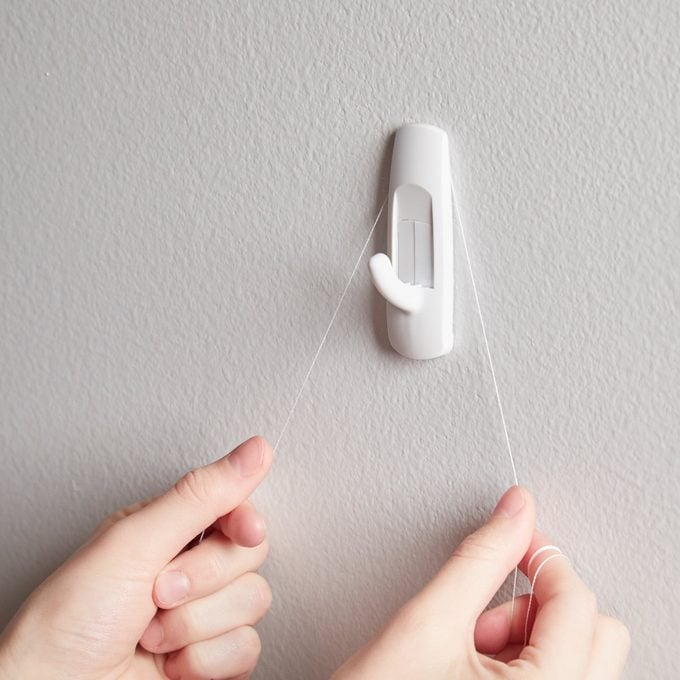
A hairdryer helps soften the adhesive. Heat loosens the glue, making removal smoother. Dental floss or fishing line works well to slide behind the hook. It cuts through the adhesive without pulling the paint. A plastic card, like a credit card, can help pry the hook gently. Use a clean cloth to protect the wall while working.
Specialized Tools
An adhesive remover can clear leftover sticky residue. Choose a remover safe for painted surfaces. A putty knife or plastic scraper helps lift stubborn hooks. Use it carefully to avoid wall scratches. A heat gun provides stronger heat than a hairdryer. It works best on tough adhesives but requires caution.
Credit: www.familyhandyman.com
Preparation Steps
Before removing a Command Hook, some preparation is key. These steps help protect your wall and make removal easier. Taking time to prepare prevents damage and frustration.
Clear The Area
Remove items near the hook. Clear shelves or tables below it. This prevents accidents and gives you room to work. A clean space helps you focus on the task.
Protect The Wall Surface
Cover the wall around the hook with a soft cloth or painter’s tape. This shields the paint from scratches or marks. Use gentle materials to avoid damage. Preparing the wall keeps it safe during removal.
Removing Command Hooks Safely
Removing Command hooks safely protects your walls and keeps them clean. These hooks use strong adhesive strips designed for easy removal without damage. Following the right steps helps avoid peeling paint or leaving sticky residue.
Taking care during removal ensures the wall stays smooth and ready for new decorations or paint. Use gentle methods to release the adhesive slowly. Avoid pulling the hook off quickly or at sharp angles.
Peeling The Adhesive Strip
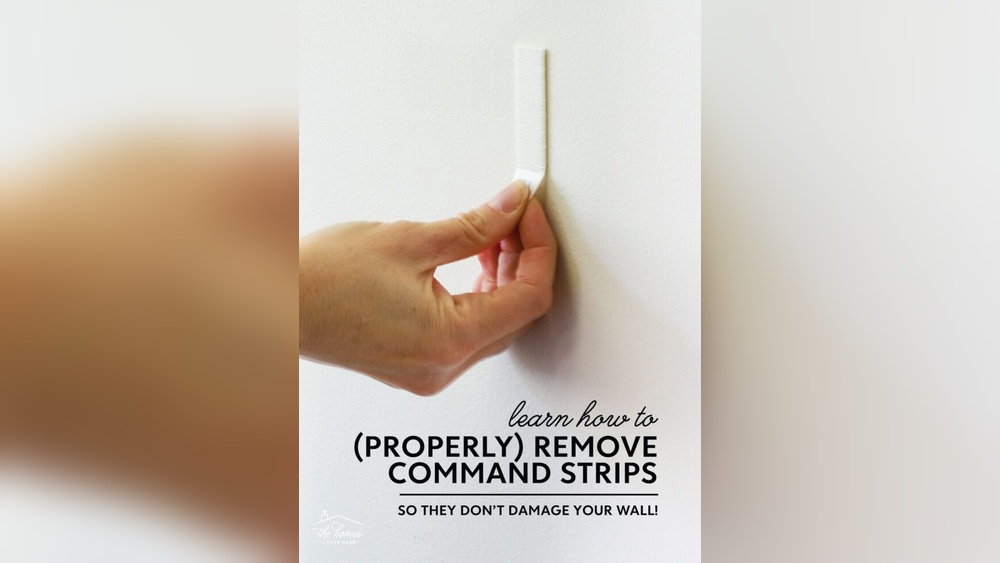
Start by holding the hook gently. Slowly pull the adhesive strip straight down, stretching it along the wall. Keep the strip close to the wall as you pull. This action helps break the adhesive bond without damaging paint.
Do not pull the strip outward or at an angle. Pulling straight down reduces wall stress. If the strip breaks, try to find the edge and pull again carefully.
Using Heat For Easier Removal
Warmth softens the adhesive, making removal easier. Use a hairdryer on low heat and aim at the strip for one to two minutes. Move the heat source back and forth to avoid overheating one spot.
After warming, try peeling the strip slowly. Heat loosens the glue, reducing the chance of wall damage. Avoid using high heat that might harm paint or wall texture.

Credit: www.reddit.com
Handling Stubborn Residue
Removing stubborn residue left by Command hooks can be tricky. The sticky glue often stays behind, making the wall look messy. Simple household items can help break down this glue without damaging the paint or wallpaper. Using gentle methods keeps your walls clean and smooth.
Using Rubbing Alcohol
Dab a small amount of rubbing alcohol on a cloth. Gently rub the sticky residue in a circular motion. The alcohol dissolves the adhesive, making it easier to wipe away. Avoid soaking the wall to prevent damage. Repeat until the residue disappears.
Applying Oil Or Vinegar
Apply a few drops of vegetable oil or white vinegar on the residue. Let it sit for 5 to 10 minutes to soften the glue. Use a soft cloth to rub the area gently. The oil or vinegar breaks down the adhesive, helping it come off easily. Clean the spot with warm, soapy water afterward.
Tips To Avoid Wall Damage
Removing a Command Hook can be tricky without harming your wall. Careful steps help keep your paint and drywall safe. Follow these tips to avoid wall damage during the removal process.
Taking precautions makes the job easier and cleaner. Small efforts prevent costly repairs later.
Avoid Pulling Too Hard
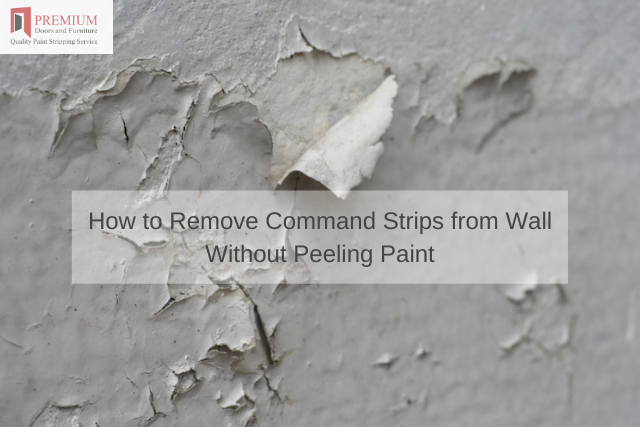
Pulling a Command Hook too hard can peel paint or pull off drywall paper. Gently stretch the adhesive strip instead. Keep pulling slowly and steadily downward, following the instructions on the package. Sudden or fast pulls increase the risk of damage. Patience helps the strip release cleanly.
Test Small Areas First
Test the removal process on a small, hidden spot first. This shows how the wall reacts to the strip. Some paints or wallpapers are more sensitive. Testing helps avoid surprises and lets you adjust your method. If the wall shows damage, try warming the strip with a hairdryer to soften the adhesive before pulling.
Disposing Of The Hook And Strip
After removing a Command hook and strip from the wall, you must dispose of them properly. These items are made from plastic and adhesive materials. Throwing them away carelessly can harm the environment. Proper disposal helps reduce waste and supports recycling efforts. Follow simple steps to handle the hook and strip responsibly.
Recycling Options
Most Command hooks and strips are not accepted in regular recycling bins. The plastic is often mixed with adhesive, which complicates recycling. Check with your local recycling center for special drop-off points. Some centers accept plastic hooks if cleaned well. Separate the strip from the hook if possible. This makes recycling easier and more effective.
Proper Waste Disposal
If recycling is not an option, place the hook and strip in the trash. Wrap the adhesive strip to prevent it from sticking to other items. This helps waste workers and keeps your trash clean. Avoid burning the hook or strip. Burning plastic releases harmful chemicals into the air. Dispose of these items carefully to protect the environment and people’s health.
Alternatives For Heavy Items
Command hooks work well for light items, but heavy objects need better support. Using alternatives helps protect your walls and keeps heavy items secure. Consider options that provide stronger hold without damage.
Stronger Adhesive Hooks
Look for adhesive hooks made for heavy loads. These hooks have stronger glue and wider bases. They spread weight evenly, reducing risk of falling. Some brands offer hooks that hold up to 7.5 pounds or more. Clean the wall surface before applying for best grip. Press firmly and wait the recommended time before hanging items.
Wall-mounted Hardware
Wall-mounted hardware uses screws or nails for a solid hold. These are ideal for very heavy items like shelves or large frames. Use anchors if the wall is drywall to avoid damage. This method requires tools but gives the most secure support. Choose hardware suitable for your wall type and item weight.
Frequently Asked Questions
How Do I Safely Remove A Command Hook From The Wall?
To remove a Command Hook safely, hold the base and pull the adhesive tab straight down. Do not pull outward or at an angle. This stretches the adhesive, releasing it cleanly without damaging the wall or paint.
Can Command Hooks Damage Painted Walls When Removed?
No, Command Hooks are designed to remove cleanly without damaging painted walls. Proper removal by pulling the adhesive tab downward ensures no paint peeling or holes occur. Always follow the manufacturer’s instructions for best results.
What Tools Help Remove Stubborn Command Hooks?
Usually, no tools are needed to remove Command Hooks. If adhesive is stubborn, gently use a hairdryer to warm the strip. This softens the adhesive, making it easier to pull the tab down and remove the hook cleanly.
How Do I Remove Leftover Adhesive After Removing A Command Hook?
To remove leftover adhesive, use warm soapy water and a soft cloth. For tougher residue, rubbing alcohol or adhesive remover works well. Avoid abrasive tools to prevent wall damage. Always test removers on a small area first.
Conclusion
Removing a Command Hook from the wall is simple. Just pull the tab straight down slowly. This avoids damage to paint or wallpaper. Take your time and be gentle. Clean any leftover adhesive with warm, soapy water. Now your wall looks neat and ready for new hooks.
This easy method saves time and effort. Try it next time you want to remove hooks safely. No mess, no fuss. A small step for a tidy space.