Have you ever looked at your basement floor and noticed uneven spots or cracks? Fixing these issues can seem tricky, but using a basement floor jack can make the job much easier.
If you want to lift and level your basement floor safely and effectively, understanding how to use this tool is key. In this guide, you’ll discover simple steps to operate a basement floor jack like a pro. Keep reading to gain the confidence and knowledge you need to tackle your basement repairs with ease.
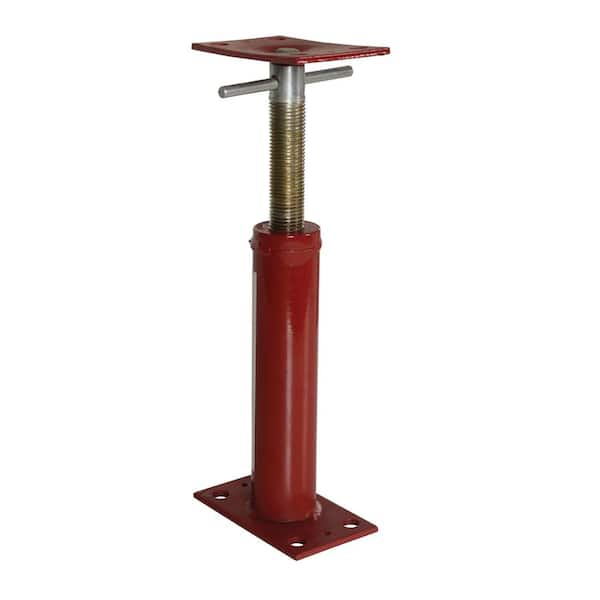
Credit: www.homedepot.com
Choosing The Right Basement Floor Jack
Choosing the right basement floor jack is important for safety and efficiency. A proper jack helps you lift floors safely. It also makes repairs easier and faster.
Not all floor jacks are the same. Different types serve different needs. Knowing what to look for helps you pick the best one.
Types Of Floor Jacks
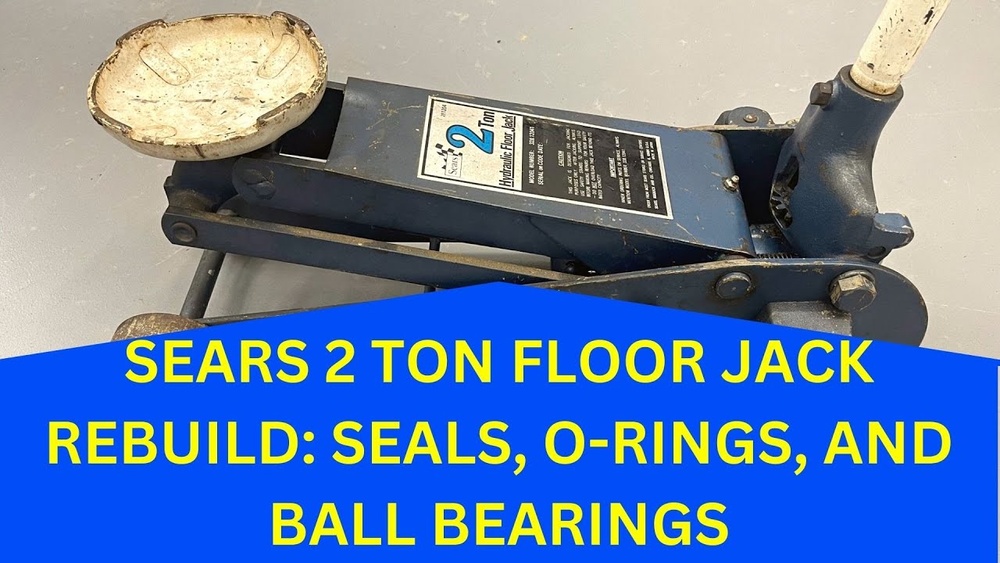
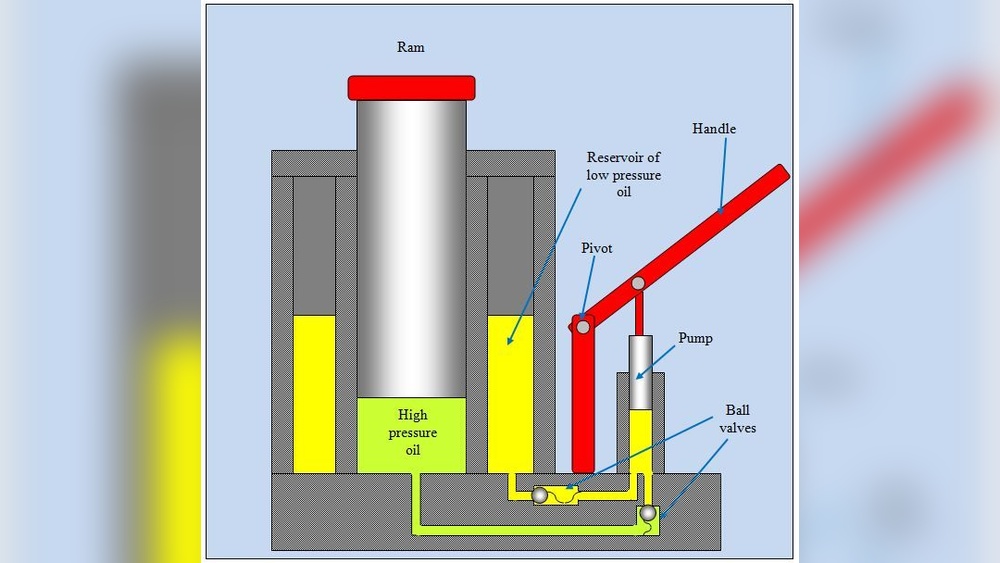
There are several types of floor jacks. Hydraulic jacks use fluid pressure for lifting. Screw jacks rely on turning a screw to raise the load. Bottle jacks are compact and strong, good for tight spaces. Choose a type that fits your basement’s size and the job’s difficulty.
Key Features To Consider
Look for stability. A wide base prevents tipping. Check the lifting height to match your floor’s needs. Easy operation is important; some jacks have handles that require less force. Durability matters. Steel construction lasts longer than plastic parts.
Weight Capacity And Size
Match the jack’s weight capacity to your floor’s load. Too weak a jack can fail and cause accidents. Size is key too. A large jack may not fit small basement spaces. A jack that is too small might not lift enough. Find a good balance between size and strength.
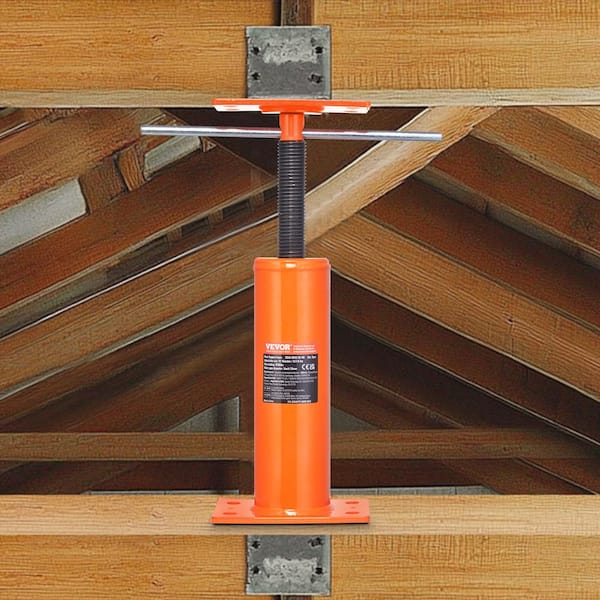
Credit: www.pirouette-editions.fr
Preparing Your Workspace
Preparing your workspace is the first step to using a basement floor jack safely and effectively. A clean and organized area helps you work faster and avoid accidents. Taking time to prepare also protects your tools and the floor.
Clearing The Area
Remove all items from the workspace. Boxes, tools, and debris can cause trips or falls. Clear space ensures you can move the jack easily. This step keeps your work smooth and safe.
Ensuring Stable Ground
Check the floor for cracks or uneven spots. A basement floor jack works best on flat, solid ground. If the floor is rough, place a sturdy board to level the jack. Stability prevents the jack from slipping or tipping over.
Gathering Safety Gear
Wear safety gloves to protect your hands. Safety glasses shield your eyes from dust or debris. Use sturdy shoes to keep your feet safe. Having the right gear reduces the risk of injury during work.
Setting Up The Floor Jack
Setting up a basement floor jack is the first step to a safe and smooth lifting process. Proper setup ensures the jack works well and holds the load securely. Take your time to prepare the jack before lifting anything heavy. A careful setup reduces risks and helps you finish the job faster.
Positioning The Jack Correctly
Place the floor jack on a flat, solid surface. Avoid soft or uneven floors that can cause slipping. Position the jack directly under the load’s lifting point. Check the owner’s manual to find the right spot. A wrong position can damage the floor or cause the jack to tip.
Adjusting The Height
Use the handle to raise the jack’s lifting pad close to the load. Adjust slowly and stop once the pad touches the surface. Make sure the pad fits firmly under the load. Do not force the jack if it feels stuck. Small adjustments improve control and safety.
Checking For Stability
Before lifting, check that the jack is steady and balanced. Look for any wobbling or shifts. The base should rest fully on the floor. Test stability by applying slight pressure to the load. If it moves, reposition the jack and try again.

Credit: biharstatebarcouncil.com
Operating The Floor Jack Safely
Operating a basement floor jack safely is essential to avoid accidents and damage. Understanding correct procedures helps you lift heavy objects without risk. Safety always comes first when handling heavy loads.
Lifting Procedures
Start by placing the floor jack on a flat, solid surface. Position the jack under the object’s strongest point. Pump the handle slowly and steadily to raise the load. Stop lifting once the object reaches the desired height. Never rush the lifting process or use jerky movements.
Avoiding Common Mistakes
Do not overload the jack beyond its weight limit. Avoid placing the jack on uneven or soft ground. Never place your hands or feet under the lifted load. Always use jack stands to support the object after lifting. Check the jack for leaks or damage before use.
Monitoring Load And Pressure
Keep an eye on the load to ensure it stays balanced. Stop lifting if the jack feels unstable or the object shifts. Release pressure slowly when lowering the load. Regularly inspect the jack’s pressure valve for proper function. Proper monitoring prevents sudden drops or failures.
Lowering And Removing The Jack
Lowering and removing the basement floor jack is a critical step. It ensures safety and protects your work area. Doing this correctly avoids damage to your floor and the jack itself. Follow simple steps to control the descent and remove the jack safely.
Controlled Descent Techniques
Start by loosening the jack’s release valve slowly. This action lowers the jack in a controlled way. Avoid opening the valve too fast to prevent sudden drops. Keep your hands and feet clear of the jack’s moving parts. Watch the floor level as the jack lowers. Stop releasing the valve if the jack moves unevenly or jerks. Patience is key for a smooth descent.
Removing The Jack Safely
Once the jack is fully lowered, check that it is stable. Move the jack away from the lifted area carefully. Use both hands to lift the jack if needed. Place the jack on a flat, stable surface. Avoid dragging the jack across the floor to prevent damage. Keep the work area clear of obstacles during removal.
Post-use Inspection
After removal, inspect the jack for any damage or wear. Check the hydraulic fluid level if your jack uses hydraulics. Look for leaks, cracks, or bent parts. Clean dirt and dust from the jack’s surface. Store the jack in a dry, safe place. Regular checks keep the jack ready for future use.
Maintenance Tips For Longevity
Maintaining a basement floor jack helps it last longer and work better. Regular care prevents damage and keeps it safe to use. Simple steps like cleaning, lubrication, and proper storage protect the jack from wear and rust. These tips save money by avoiding costly repairs or replacements.
Cleaning The Jack
Remove dirt and dust after every use. Wipe the jack with a clean cloth. Avoid water to prevent rust. Use a brush for hard-to-reach areas. Keep the jack free from grease and grime. Clean parts help the jack work smoothly and safely.
Lubrication Points
Check the manual to find lubrication spots. Apply light machine oil to moving parts. Focus on hinges, screws, and wheels. Lubricate regularly to reduce friction and wear. Avoid over-oiling to prevent attracting dirt. Proper lubrication extends the jack’s life and ensures smooth operation.
Storage Best Practices
Store the jack in a dry, cool place. Keep it off the ground to avoid moisture. Cover the jack with a cloth or plastic sheet. Avoid placing heavy items on top of it. Regularly inspect the jack for signs of rust or damage. Good storage protects the jack and keeps it ready for use.
Troubleshooting Common Issues
Troubleshooting common issues with a basement floor jack helps you keep it working well. Problems can stop your work and cause delays. Knowing how to fix these issues saves time and effort. This guide covers simple fixes for frequent problems.
Jack Not Lifting Properly
Check the load capacity. Overloading stops the jack from lifting. Ensure the release valve is tightly closed. A loose valve lowers pressure and reduces lifting power. Inspect the hydraulic fluid level. Low fluid causes weak lifting action. Add the right fluid if needed. Also, check for air in the system. Pump the jack slowly to release trapped air.
Leaks And Hydraulic Problems
Leaks often come from worn seals or damaged hoses. Look for fluid around the base or piston. Clean the jack and find the leak source. Replace any cracked or torn seals. Use proper hydraulic fluid to avoid damage. Avoid overfilling the reservoir. Tighten all fittings to prevent leaks. Regular maintenance helps stop leaks early.
Unusual Noises Or Movements
Strange sounds may mean worn or loose parts. Check for loose bolts and nuts. Tighten anything that moves unexpectedly. Lubricate moving parts to reduce friction noise. Squeaks or grinding signals need immediate attention. Avoid using the jack until noises stop. Unusual movements can cause unsafe conditions. Inspect the jack carefully before each use.
Safety Precautions And Tips
Using a basement floor jack requires care to stay safe. This tool can lift heavy loads, which can be dangerous. Following safety rules helps avoid accidents and injuries. Below are key safety tips to use the jack properly.
Wearing Protective Equipment
Always wear safety glasses to protect your eyes. Heavy gloves protect your hands from sharp edges. Steel-toed boots keep your feet safe from falling objects. Wear a hard hat if working in tight spaces.
Avoiding Overloading
Check the jack’s weight limit before use. Never lift more than the maximum weight allowed. Overloading can cause the jack to fail or collapse. Lift only what the jack can safely hold.
Emergency Procedures
Know how to lower the jack quickly in an emergency. Keep a phone nearby to call for help if needed. Have a first aid kit ready for minor injuries. Stay calm and move away from the load if it falls.
Frequently Asked Questions
What Is A Basement Floor Jack Used For?
A basement floor jack lifts and supports floor joists. It helps repair sagging or uneven floors in basements. This tool ensures a stable and level foundation. It is essential for home maintenance and structural safety.
How Do You Safely Operate A Basement Floor Jack?
Place the jack under the joist securely. Turn the handle slowly to lift the joist. Avoid over-lifting to prevent damage. Always wear safety gear and follow the manufacturer’s instructions carefully for safe use.
When Should You Use A Basement Floor Jack?
Use it when floors show signs of sagging or unevenness. It’s ideal during basement renovations or structural repairs. Early use prevents further damage and costly fixes. Regular inspections help determine the right time for use.
Can A Basement Floor Jack Fix All Floor Problems?
No, it mainly fixes sagging or uneven joists. It doesn’t repair damaged subfloors or surface flooring. Additional repairs may be needed depending on the issue. Consult a professional for complex structural problems.
Conclusion
Using a basement floor jack makes lifting heavy objects easier and safer. Follow the steps carefully to avoid accidents or damage. Check the jack’s condition before each use for best results. Always place the jack on a solid, flat surface.
Take your time and work slowly to keep control. Regular practice helps you feel more confident and skilled. Keep safety gear close by, like gloves and goggles. A good basement floor jack can save effort and time around your home.
Remember, safety and patience are the keys to success.