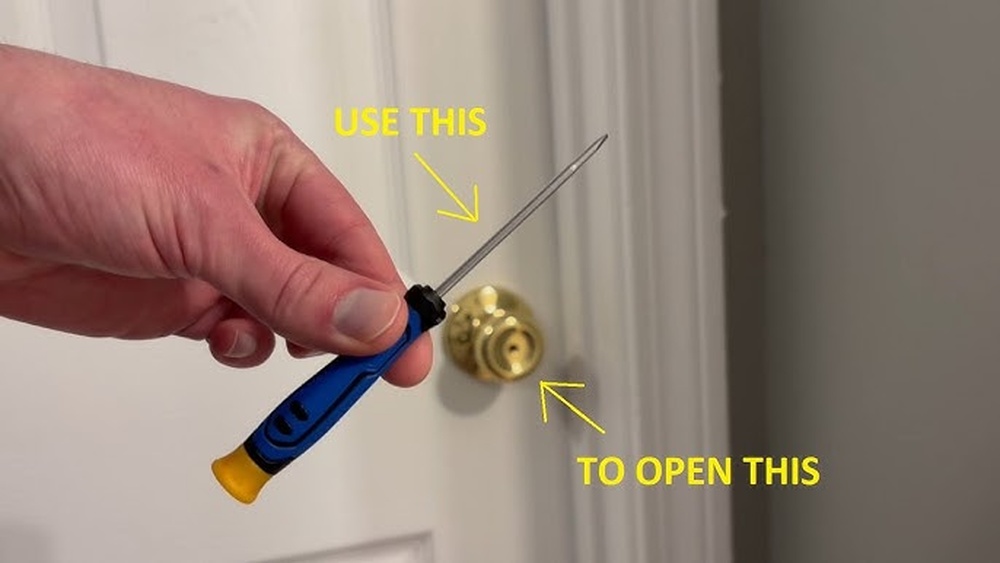
Have you ever found yourself locked out and wondered if there was a quick way to get back inside without calling a locksmith? Knowing how to pick a deadbolt with just a screwdriver might sound tricky, but it’s easier than you think.
In this guide, you’ll discover simple steps that anyone can follow to handle this common emergency. By the end, you’ll feel confident and prepared to tackle a stuck deadbolt whenever it happens to you. Keep reading to learn how this handy skill can save you time and stress.

Credit: www.wikihow.com
Tools Needed
Picking a deadbolt with a screwdriver requires the right tools. Without proper tools, the job becomes harder or impossible. This section explains the basic tools you need. It helps you prepare before starting the task.
Choosing The Right Screwdriver
Use a screwdriver that fits the screws perfectly. Most deadbolts use Phillips head screws. A medium-sized Phillips screwdriver works best for most locks. Flathead screwdrivers are less common but still useful. Avoid using a screwdriver that is too small or too large. Wrong size can strip the screws or damage the lock.
Additional Helpful Tools
Besides a screwdriver, other tools can help. A small flashlight makes it easier to see inside the lock area. Needle-nose pliers can pull out small parts if needed. A thin, stiff piece of metal or a shim may assist in loosening the lock mechanism. Keep these tools nearby to speed up the process.

Credit: thrivesocialsg.com
Deadbolt Basics
Understanding deadbolt basics is essential before trying to pick one with a screwdriver. Deadbolts are strong locks that protect doors better than regular locks. They add an extra layer of security to homes and buildings.
Knowing the types and how deadbolts work helps in learning how to handle them. This knowledge also makes it easier to understand the lock’s mechanism and weak points.
Types Of Deadbolts
There are three common types of deadbolts: single-cylinder, double-cylinder, and lockable thumbturn. Single-cylinder deadbolts use a key outside and a thumbturn inside. Double-cylinder deadbolts need a key on both sides. Lockable thumbturn deadbolts allow locking the thumbturn from inside with a key.
Each type offers different security levels. Single-cylinder deadbolts are the most common and easy to use. Double-cylinder deadbolts give more security but need a key on both sides.
How Deadbolts Work
Deadbolts work by extending a solid metal bolt into the door frame. This bolt prevents the door from opening without the key. Turning the key moves the bolt in or out of the door frame. The bolt’s strength stops forced entry better than spring locks.
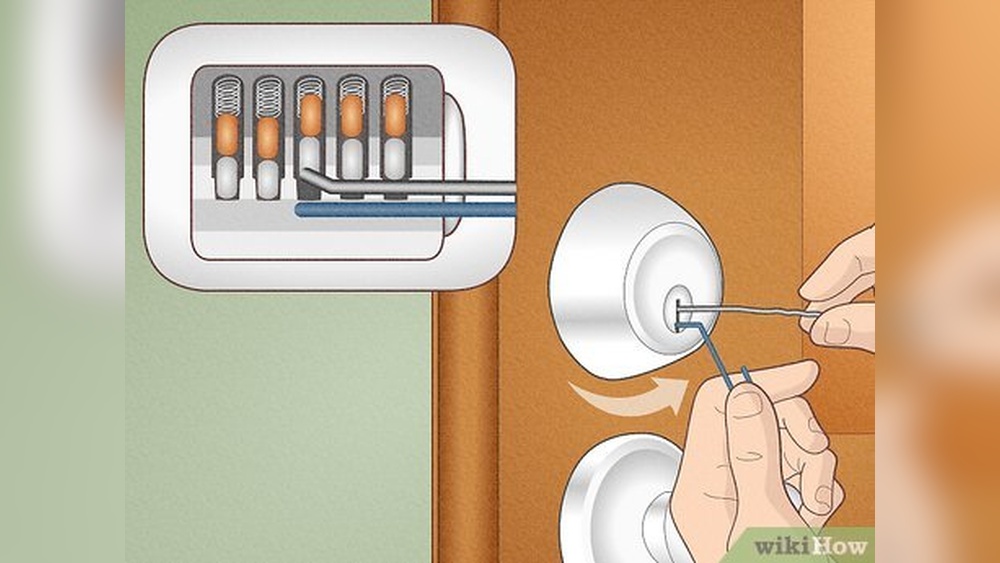
The lock mechanism inside the deadbolt controls the bolt’s movement. Pins or tumblers inside the lock align only when the right key is used. This alignment allows the bolt to slide freely. Without the right key, the bolt stays locked in place.
Preparing The Lock
Preparing the lock is the first step in picking a deadbolt with a screwdriver. It involves making the lock easier to manipulate. This step requires patience and careful handling.
Start by clearing the area around the lock. This helps you see the parts clearly and work more smoothly. A clean workspace makes the job simpler and safer.
Removing The Strike Plate
The strike plate holds the bolt in place on the door frame. Remove it to give better access to the bolt. Use a screwdriver to unscrew the small screws that keep it fixed. Keep the screws safe for reassembly. Once the plate is off, you can reach the bolt more easily.
Accessing The Bolt Mechanism
After removing the strike plate, focus on the bolt mechanism inside the door. You may need to open the door edge panel or remove the lock cover. Use your screwdriver to carefully pry open or unscrew these parts. Be gentle to avoid damage. Exposing the mechanism lets you work on the bolt directly with your screwdriver.
Picking Techniques
Picking a deadbolt with a screwdriver requires careful techniques. These techniques help you work the lock’s mechanism without special tools. Patience and steady hands improve your chances of success. Below are two key methods to try.
Applying Torque With The Screwdriver
Hold the screwdriver firmly in the lock’s keyway. Apply gentle pressure to turn the lock cylinder. The goal is to create tension on the lock pins. Too much force can damage the lock. Too little force will not move the pins.
Keep the torque steady as you feel for pin resistance. If the pins bind, stop turning and adjust the pressure. This balance helps the pins set one by one. With practice, you will sense the right amount of torque.
Manipulating The Bolt
Use the screwdriver tip to push or lift the bolt inside the lock. Small, precise movements work best. Try to move the bolt slightly while keeping torque on the cylinder. This action can free stuck pins.
Feel for any clicks or shifts as you manipulate the bolt. These signs mean pins are moving into place. Continue until the bolt retracts and the lock opens. This step requires patience and delicate touch.
Common Challenges
Picking a deadbolt with a screwdriver is not simple. Several challenges can make the process hard. These problems slow down your work and cause frustration. Knowing common challenges helps you prepare better. This way, you handle the lock more safely and effectively.
Dealing With Stiff Locks
Stiff locks resist turning and feel hard to move. Dirt, rust, or old parts cause stiffness. Forcing a screwdriver can break the lock or tool. Gentle, steady pressure works best. Small movements help loosen the lock parts. Patience is key to avoid damage and success.
Avoiding Damage
Using a screwdriver risks scratching or breaking the lock. Damage can make the lock worse or unusable. Use the right screwdriver size to fit the lock parts. Avoid strong force or sudden moves. Protect the lock surface by placing tape around it. Careful work keeps the lock safe and usable.
Safety And Legal Tips
Picking a deadbolt with a screwdriver requires care beyond just the technique. Safety and legal concerns must guide your actions. Knowing the rules protects you and others from trouble. Respect for privacy and property is key. This section explains important safety and legal tips.
When Picking Is Allowed
Picking a lock is legal only in certain situations. You must own the property or have explicit permission. Emergency situations, like being locked out, may also allow lock picking. Avoid picking locks in public or private places without consent. Unauthorized lock picking can lead to fines or criminal charges. Always check local laws before attempting to pick a deadbolt.
Respecting Privacy And Property
Respect for privacy is essential when handling locks. Never pick locks to enter someone else’s home or business. This action violates privacy and is illegal. Use lock picking only for your own property or with clear permission. Treat others’ property with care and respect. Following these rules keeps trust and avoids legal problems.
Alternatives To Screwdriver Picking
Picking a deadbolt with a screwdriver is one way, but there are other options. These alternatives can be safer and more effective. They also reduce the risk of damage to your lock or door.
Using Lock Picks
Lock picks are small tools designed to open locks without keys. They allow precise control of the lock’s pins. Many people learn basic lock picking skills for emergencies. Practice is important to use lock picks well. This method requires patience and a steady hand. It works best on simpler locks.
Calling A Locksmith
A locksmith is a trained professional who opens locks safely. They have the right tools and skills for all lock types. Locksmiths can help if you are locked out. They avoid damage to your door or lock. Hiring a locksmith is often the quickest solution. It also ensures your lock stays secure after opening.

Credit: www.wikihow.com
Frequently Asked Questions
How Can I Pick A Deadbolt With A Screwdriver?
You can pick a deadbolt with a screwdriver by applying gentle pressure and turning it. Insert the screwdriver carefully into the lock’s keyhole, then twist and wiggle slowly to mimic the key’s rotation. This technique requires patience and precision to avoid damaging the lock.
Is Picking A Deadbolt With A Screwdriver Legal?
Picking a deadbolt with a screwdriver is legal only if you own the property or have permission. Unauthorized lock picking can be considered illegal and punishable by law. Always ensure you have the right to manipulate the lock before attempting to pick it.
What Tools Are Needed Besides A Screwdriver?
Besides a screwdriver, basic lock picking tools like tension wrenches or lock picks can help. However, a standard flathead screwdriver can sometimes work alone for simple deadbolts. Having additional tools improves success and reduces the risk of damage during the process.
Can I Damage The Lock By Picking It With A Screwdriver?
Yes, using a screwdriver improperly can damage the lock’s internal mechanism. Excessive force or incorrect angles can break pins or the cylinder. Always use gentle movements and avoid forcing the screwdriver to minimize the risk of causing permanent damage.
Conclusion
Picking a deadbolt with a screwdriver takes patience and care. Practice helps you understand the lock’s mechanism better. Always stay calm and avoid rushing the process. Remember to respect others’ property and use this knowledge responsibly. This skill can be useful in emergencies or locksmith work.
Keep your tools ready and stay safe while trying. With time, you will improve and feel more confident. Simple steps can make a hard task easier to handle.