Are you sure your home is as safe as it could be? Deadbolt locks are one of the strongest ways to protect your doors, but how do you know if you’re actually using them?
Knowing this simple fact can make a big difference in your security. Keep reading to discover how to spot a deadbolt lock, why it matters for your safety, and what you can do to improve your home’s protection right now.
Don’t leave your safety to chance—understanding deadbolts is the first step.
Types Of Deadbolt Locks
Deadbolt locks are a key part of home security. Different types of deadbolts fit different needs. Knowing the main types helps you choose the right one. Here are the common types of deadbolt locks you might use.
Single Cylinder Deadbolts
Single cylinder deadbolts have a keyhole outside. Inside, they have a thumb turn. This means you lock or unlock from inside without a key. They are common on most doors. Easy to use and install. But a nearby window can be a risk.
Double Cylinder Deadbolts
Double cylinder deadbolts need a key on both sides. This adds more security for doors with glass near the lock. You cannot open it without a key, even from inside. It can be safer but slower to use in emergencies.
Keyless Deadbolts
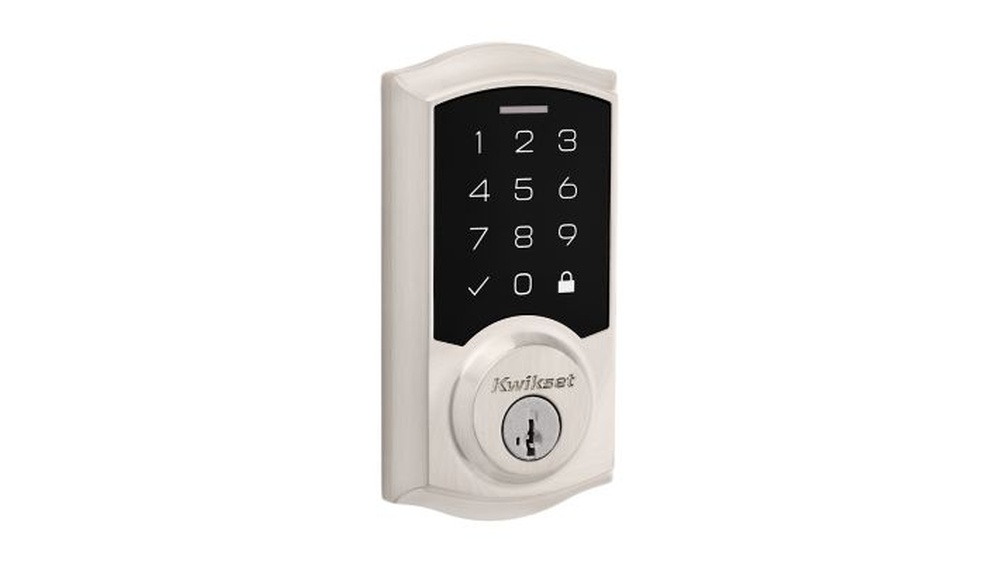
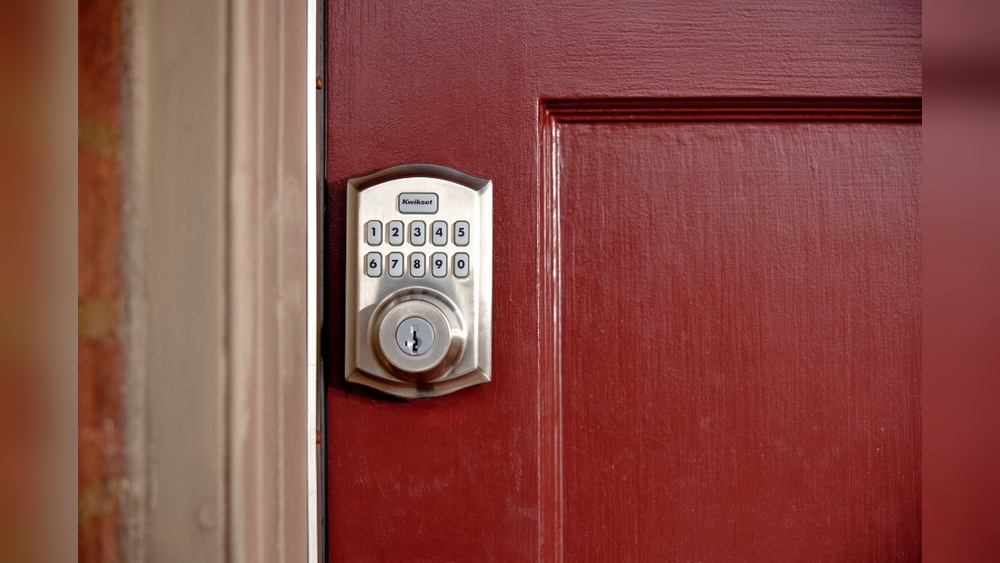
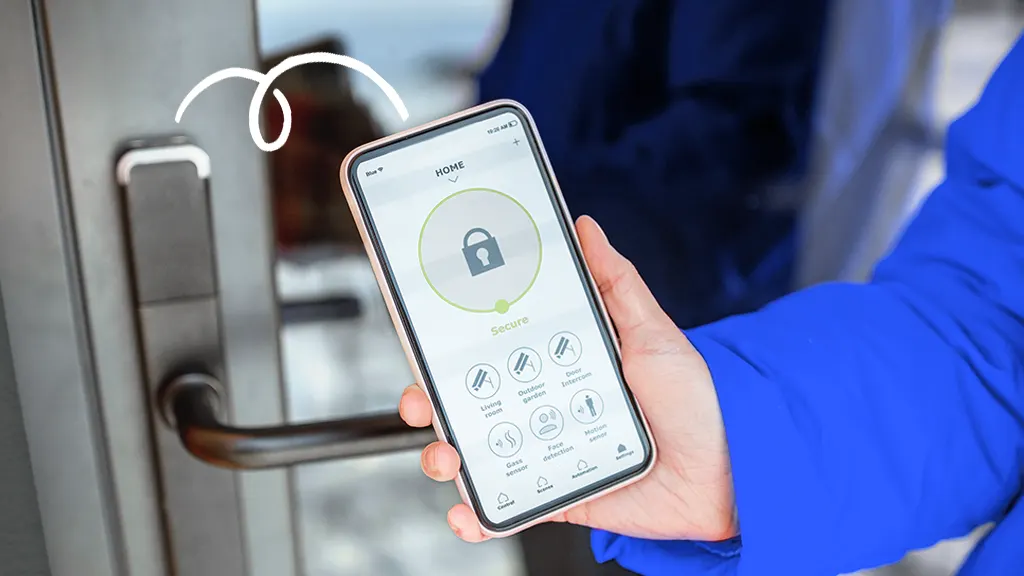
Keyless deadbolts use codes or electronic signals. No need for a physical key. You enter a PIN or use a smartphone app. Some models have fingerprint scanners. They offer convenience and quick access. Batteries power these locks, so they need maintenance.
Credit: www.asurion.com
Physical Features To Identify
Deadbolt locks are a popular choice for home security. You can spot them by checking some clear physical features. These features tell you if a lock is a deadbolt or another type of lock. Understanding these signs helps you know the security level of your door.
Bolt Thickness And Length
The bolt of a deadbolt is thick and solid. It is usually about one inch long or more. This long bolt slides deep into the door frame. This makes it hard to force the door open. Thin bolts or short bolts often mean the lock is not a deadbolt.
Lock Placement On Door
Deadbolt locks are set above the door handle. They are separate from the knob or lever lock. Usually, you see a round or square lock body on the door surface. This placement keeps the lock strong and hard to tamper with.
Keyhole Shape And Size
The keyhole of a deadbolt is small and round or oval. It fits a specific key known as a deadbolt key. The shape is different from other locks like padlocks or knob locks. The small size helps prevent picking and adds security.
Security Indicators
Security indicators help you know if your deadbolt lock is strong and reliable. These signs show how well your lock can protect your home. Knowing these can give peace of mind and keep your property safe.
Resistance To Forced Entry
A good deadbolt resists force like kicking or prying. It stays locked even with strong pressure. Locks with solid bolts and deep door frame holes resist break-ins better.
Lock Material Quality
High-quality materials like hardened steel add strength. Cheap materials can bend or break easily. The lock’s finish also matters to prevent rust and wear over time.
Presence Of Anti-drill Pins
Anti-drill pins stop thieves from drilling through the lock. These small metal pins inside the lock make drilling very hard. This feature adds an extra layer of protection against break-ins.
Credit: pizzainmotion.boardingarea.com
Installation Clues
Installation clues help you identify deadbolt locks on your doors. These clues show how the lock is set up and how it works with your door. Knowing these signs can help you understand the security level of your door. Check these key points to see if your lock is a deadbolt.
Door Frame Reinforcement
Deadbolts need strong door frames for extra security. Look for metal plates or extra wood around the frame. These reinforcements keep the frame from breaking easily. A solid frame is a clear sign of a deadbolt installation.
Strike Plate Design
The strike plate holds the bolt in place when the door locks. Deadbolts use thick, heavy strike plates with long screws. These screws go deep into the wall, not just the door frame. This design stops the door from being forced open.
Lock Alignment And Fit
Deadbolts fit tightly and line up perfectly with the strike plate. Check the door’s edge and the frame for a clean, snug fit. A well-aligned lock means it is a deadbolt. Loose or misaligned locks usually are not deadbolts.
Testing Your Lock Type
Testing your lock type helps you identify if you use deadbolt locks. These locks provide extra security for doors. Simple tests show how your lock works. This section guides you through easy steps.
Key Operation Check
Insert the key into the lock. Turn the key slowly. Deadbolt locks require a firm turn. The key moves the bolt in or out. If the key turns smoothly and locks tightly, it is likely a deadbolt.
Bolt Movement Assessment
Look at the bolt inside the door edge. Turn the key and watch the bolt. A deadbolt extends a solid metal bar. It moves straight out from the door. If the bolt slides deep into the frame, it is a deadbolt lock.
Locking Mechanism Sound
Listen carefully as you lock or unlock the door. Deadbolts make a deep, solid sound. A simple latch makes a lighter click. The heavy sound shows the bolt’s firm movement. This helps confirm the lock type you have.
Common Deadbolt Myths
Deadbolt locks are common in many homes and businesses. Many people think they know how deadbolts work. Some ideas about deadbolts are not true. These common myths can confuse people about deadbolt security and use. Understanding the facts helps you choose and use deadbolts better.
Deadbolts Are Unbreakable
Many believe deadbolts cannot be broken. This is not true. Some deadbolts can be forced open with the right tools. Quality and installation affect how strong a deadbolt is. No lock is completely unbreakable, but good deadbolts slow down intruders.
All Deadbolts Offer Equal Security
Not all deadbolts provide the same protection. Some have stronger materials and better designs. Grade 1 deadbolts are tougher than Grade 3. Choosing the right deadbolt depends on your security needs. Cheaper locks may not stop strong attacks.
Deadbolts Are Difficult To Install
Many think installing deadbolts is hard. Basic tools and instructions make installation simple. Some deadbolts fit standard doors easily. Taking time to measure and follow guides helps. Anyone can install a deadbolt with patience and care.

Credit: www.kingston.com
Frequently Asked Questions
What Are The Signs You Use Deadbolt Locks?
Deadbolt locks have a solid metal bolt that extends into the door frame. They require a key or thumb turn to operate. If your lock doesn’t spring back like a latch, it’s likely a deadbolt.
How Can You Tell If A Lock Is A Deadbolt?
Deadbolts have a thick, rectangular bolt that moves straight into the door frame. They don’t rely on spring action and need manual locking. If your lock fits this, it’s a deadbolt.
Why Choose Deadbolt Locks For Home Security?
Deadbolt locks offer stronger protection than standard latch locks. Their sturdy bolt resists forced entry better. Choosing deadbolts enhances your door’s security significantly.
Can You Identify A Deadbolt By Its Key Type?
Yes, deadbolt keys usually have unique cuts for security. They differ from regular latch keys. If your key is distinct and fits a solid bolt, it’s for a deadbolt lock.
Conclusion
Using deadbolt locks adds extra safety to your home. You can tell by checking the lock’s design and strength. Deadbolts need a key or thumb turn to open, unlike regular locks. They keep doors firmly closed and harder to break.
Choose a deadbolt that fits your door well. Regularly test it to make sure it works right. Simple steps like these help protect your family and belongings. Safety starts with knowing your locks well. Stay aware and keep your home secure.