Have you ever wanted to control a single light from two different switches? Maybe you have a long hallway or a large room where flipping one switch just isn’t enough.
Connecting one light with two switches might sound tricky, but it’s easier than you think. In this guide, you’ll discover simple steps to make your lighting more convenient and efficient. Keep reading, and you’ll learn how to take control of your space with just a few tools and some easy wiring tips.
Your home lighting is about to get a smart upgrade!
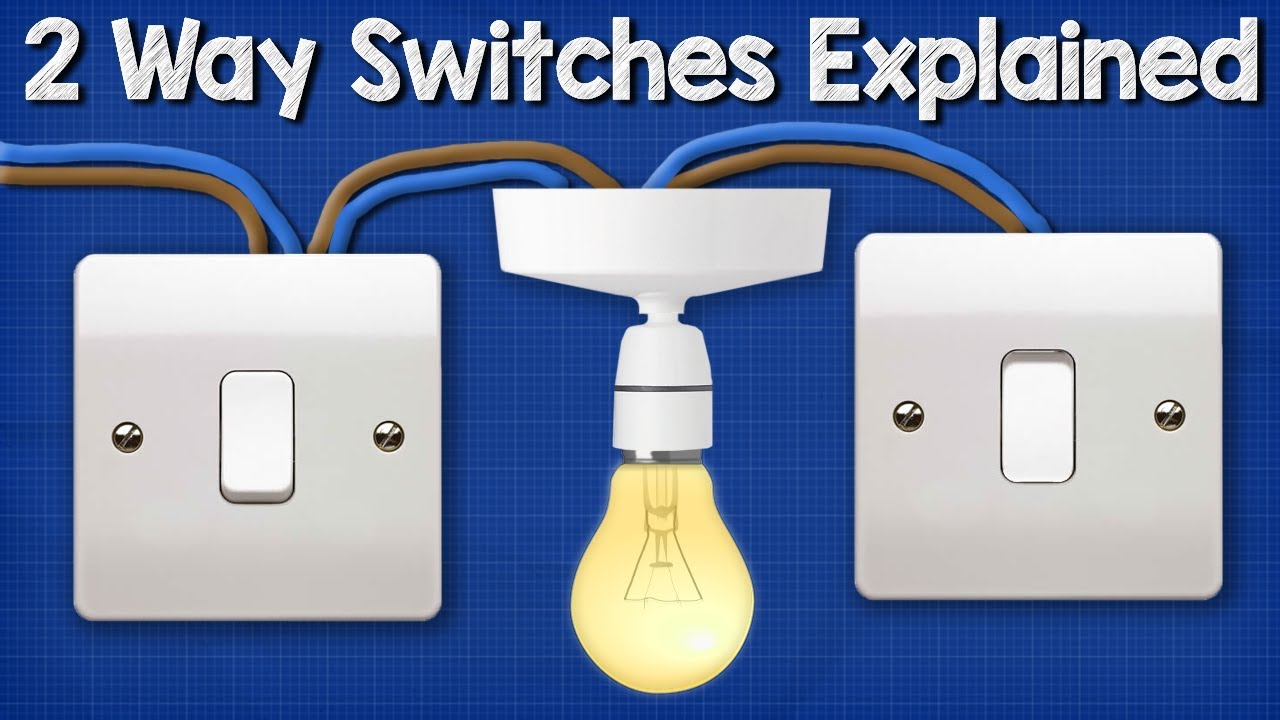
Credit: www.youtube.com
Tools And Materials Needed
Setting up one light with two switches needs specific tools and materials. Having the right items makes the job safer and easier. This list covers all essentials for a smooth wiring process.
Basic Hand Tools
You will need screwdrivers with flat and Phillips heads. Wire strippers help remove insulation from wires. Pliers are useful for bending and twisting wires. A voltage tester checks if wires carry current.
Electrical Materials
Use a single-pole double-throw (SPDT) switch or two three-way switches. Electrical wire with the right gauge is necessary for connections. Wire nuts join wires safely. Electrical tape protects exposed wire ends.
Safety Equipment
Wear insulated gloves to prevent shocks. Safety goggles protect eyes from debris. A flashlight helps if the working area is dark. Always turn off the power at the breaker before starting.
Basic Electrical Concepts
Understanding basic electrical concepts helps connect one light with two switches safely. This knowledge ensures proper wiring and operation. Simple terms make complex ideas easier to grasp. Let’s explore key differences and how three-way switches work.
Single-pole Vs. Three-way Switches
A single-pole switch controls one light from one place. It has two terminals and a simple on/off function. This switch is common in most homes.
Three-way switches control one light from two different places. They have three terminals and allow more flexible control. You often find these in hallways or large rooms.
The main difference lies in how many switches control the light. Single-pole is one switch; three-way is two or more.
How A Three-way Switch Works
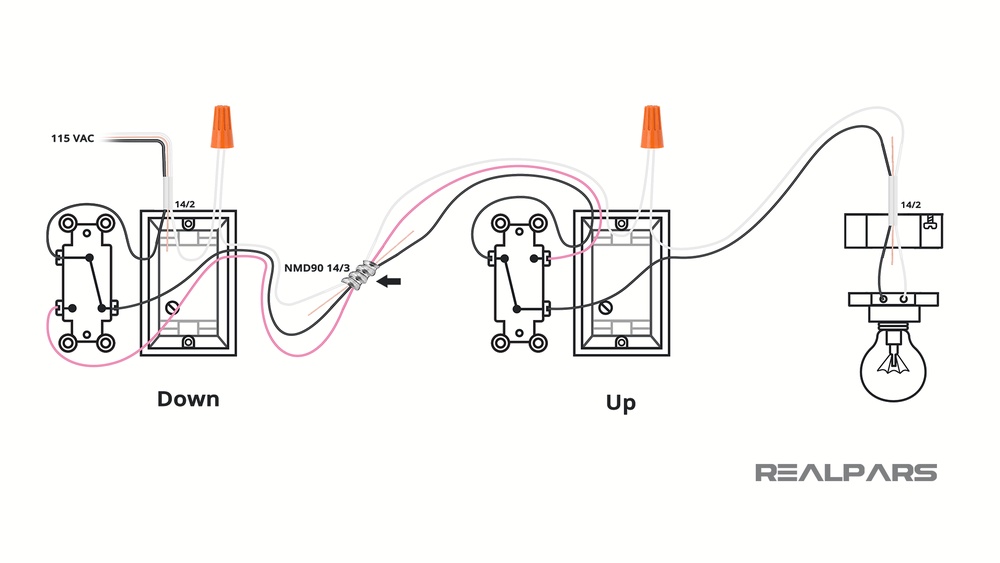
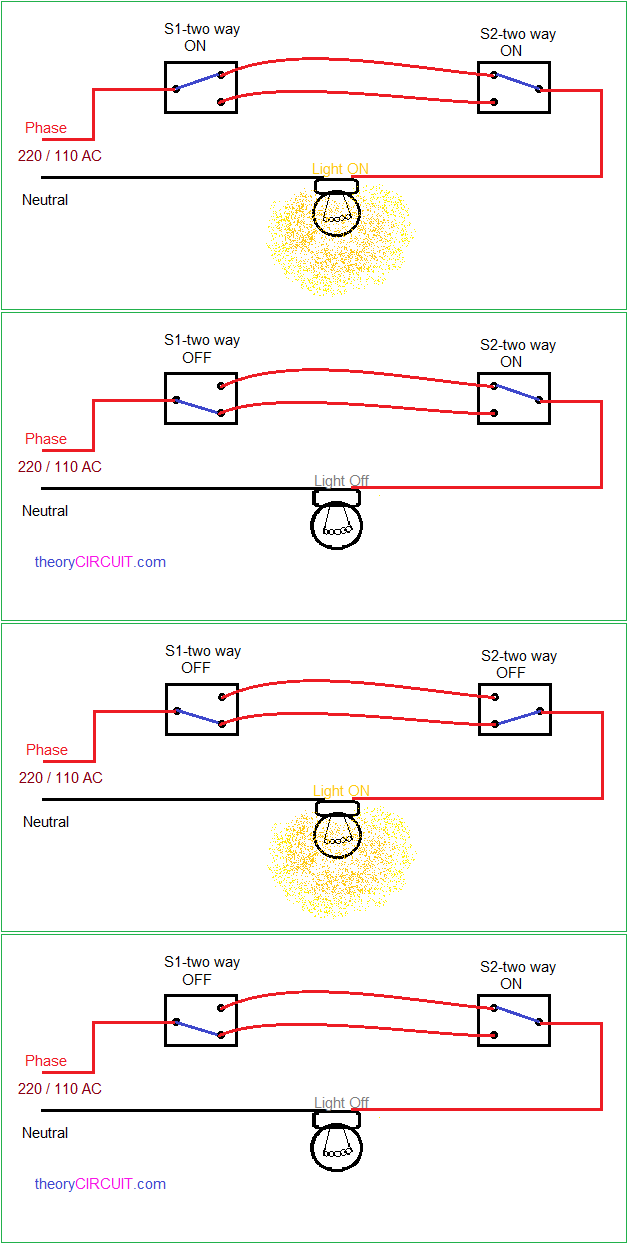
A three-way switch uses traveler wires to connect two switches. These wires carry current between the switches.
When you flip either switch, it changes the path of electricity. This action turns the light on or off from either location.
The switches work together to open or close the circuit. This system allows control from two places without extra wiring to the light.
Safety Precautions
Working with electrical wiring requires careful attention to safety. Connecting one light to two switches can be tricky. Taking the right safety steps prevents accidents and damage. Follow these precautions closely before starting any electrical work.
Turn Off Power At The Circuit Breaker
Always switch off the power supply before touching wires. Locate the correct breaker and turn it off. Use a voltage tester to confirm no electricity flows to the wires. This step protects you from electric shock.
Use Proper Tools And Equipment
Choose insulated tools designed for electrical work. Avoid using damaged or worn-out equipment. Wear rubber-soled shoes and safety glasses. These items reduce the risk of injury during installation.
Check Local Electrical Codes
Follow your area’s electrical rules and standards. Codes ensure safe and correct wiring practices. Using the right materials and methods avoids legal issues. It also guarantees the wiring is safe for long-term use.
Label Wires Clearly
Mark wires before disconnecting them. Clear labels help avoid confusion when reconnecting. Correct wire identification prevents mistakes that can cause short circuits. This step makes your work organized and safe.
Test Connections Before Final Assembly
After wiring, test the switches and light carefully. Use a non-contact voltage tester or a multimeter. Ensure all connections work properly and safely. Fix any issues before securing the wires and closing the boxes.
Wiring Configurations For Two Switches
Connecting one light to two switches requires understanding specific wiring setups. These setups allow control of a single light from two different locations. Proper wiring ensures safety and functionality. It also prevents electrical faults and confusion.
Several wiring configurations exist for two-switch control. Each has unique steps and materials. Choosing the right method depends on the switches and wiring available.
Using Three-way Switches
Three-way switches are designed for controlling one light from two places. They have three terminals instead of two. This setup allows the electrical current to flow in multiple paths.
The wiring involves connecting the switches with traveler wires. These wires carry current between the switches. The light fixture connects to the common terminal of one switch.
This method is common in hallways and staircases. It offers smooth switching without complicated wiring. Three-way switches provide reliable and safe control of lights.
Common Wiring Methods
The most common wiring method uses a three-wire cable between switches. This cable includes a neutral, ground, and two traveler wires. The power source usually connects to the first switch.
Another method involves running power to the light first. Then, wires connect the light to both switches. This setup requires careful labeling to avoid confusion.
Both methods require grounding for safety. Proper connections prevent electrical shorts and shocks. Always turn off power before starting any wiring work.
Step-by-step Installation Guide
Connecting one light with two switches is a useful skill for many rooms. This setup lets you control the light from different places. Follow this step-by-step guide to install it safely and easily. Each step is clear and simple to understand.
Turn Off Power
Start by switching off the power at the circuit breaker. This stops any chance of electric shock. Use a tester to confirm the power is off. Never work on live wires.
Identify Wires
Open the switch boxes and the light fixture box. Look for the black (hot), white (neutral), and ground wires. Label each wire for easy connection. Use a voltage tester to identify live wires.
Connect The Switches
Use a three-wire cable between the two switches. Connect the traveler wires to each switch’s traveler terminals. Attach the common terminal to the hot wire or the wire going to the light. Secure ground wires to the green terminal.
Wire The Light Fixture
Connect the light’s black wire to the common wire from the switches. Join the white wires together. Attach the ground wire to the fixture’s ground screw. Make sure all connections are tight and safe.
Test The Setup
Turn the power back on at the breaker. Test each switch to see if the light turns on and off. Switch both on and off from each location. Fix any loose connections if the light does not work.

Credit: www.luxuryloft.de
Troubleshooting Tips
Troubleshooting a light connected to two switches can be tricky. Problems often arise from simple mistakes. This section helps spot and fix common issues quickly.
Follow these tips to check your wiring, switch function, and power flow. A careful look usually finds the problem fast. Save time and avoid frustration with clear steps.
Check The Wiring Connections
Loose or wrong wiring causes most issues. Turn off the power before inspecting wires. Make sure all wires are tight and connected to the right terminals. Use a voltage tester to confirm no power is present.
Test Each Switch Separately
Switches may fail or be installed incorrectly. Turn off power and remove each switch. Test them with a continuity tester or multimeter. Replace any faulty switch before reconnecting.
Verify The Light Fixture
The light bulb or fixture might be the problem. Try a new bulb first. Check the fixture wiring for damage or loose connections. Replace the fixture if needed.
Inspect The Traveler Wires
Traveler wires connect the two switches. Make sure these wires are not broken or swapped. Use a multimeter to check continuity between switches. Correct any wrong connections.
Confirm Power Supply
Power issues can stop the light from working. Check the circuit breaker or fuse box. Reset any tripped breakers. Ensure power reaches the switches and fixture.
When To Call A Professional
Connecting one light to two switches can be tricky. Sometimes, it is best to ask for help. Knowing when to call a professional saves time and keeps you safe. Electrical work can be dangerous without the right tools and skills.
Complex Wiring LayoutsSome homes have complicated wiring. If you see many wires or confusing connections, call an expert. Professionals understand how to manage complex systems safely. They can find the right wires quickly and avoid mistakes.
No Electrical KnowledgeWithout basic electrical knowledge, work can be risky. A small error can cause shocks or fires. Calling a professional ensures the job is done correctly. They have training and experience to handle electrical work safely.
Tools and Equipment NeededSpecial tools are required for wiring switches. Most homes do not have these tools. Professionals carry all necessary equipment. They use the right tools to complete work faster and safer.
Local Code and Safety RulesElectricians know local codes and rules. These rules keep your home safe. A professional ensures the wiring meets all safety standards. This helps avoid fines and unsafe installations.
Time ConstraintsWiring two switches can take hours for beginners. Professionals finish the job quickly. Calling an expert saves your time and effort. You get a working switch setup without stress.
Credit: theorycircuit.com
Frequently Asked Questions
How Do You Wire One Light To Two Switches?
You use a three-way switch system to control one light from two locations. This setup requires two three-way switches and special traveler wires between them.
What Tools Are Needed For Two-switch Light Connection?
Essential tools include a voltage tester, wire stripper, screwdriver, electrical tape, and wire nuts. These ensure safe and secure wiring of the switches and light fixture.
Can I Install Two Switches For One Light Myself?
Yes, if you have basic electrical knowledge and follow safety guidelines. Always turn off power before starting and consult local codes or an electrician if unsure.
Why Use Three-way Switches For Controlling One Light?
Three-way switches allow you to turn the light on or off from two different locations, adding convenience and flexibility in your home lighting.
Conclusion
Connecting one light to two switches is a useful skill. It allows you to control the light from different places. The steps are simple if you follow them carefully. Always check the power before starting any work. Use the right tools and wires for safety.
This setup can make your home more convenient. Take your time and stay safe during installation. Now, you can enjoy easy control of your lights from two spots.