If your 2.5 ton floor jack isn’t working right, it can quickly bring your projects to a halt. You rely on this tool to lift heavy loads safely, so fixing it yourself saves time and money.
In this guide, you’ll discover simple, step-by-step ways to repair your floor jack and get it back to lifting like new. Whether it’s a leak, a stuck handle, or low pressure, you’ll learn exactly what to do to make your jack reliable again.
Keep reading, and take control of your repairs with confidence.
Tools And Materials Needed
Repairing a 2.5 ton floor jack needs the right tools and materials. These help fix the jack safely and correctly. Preparing everything before starting saves time and avoids frustration.
Gathering tools and materials ensures the repair process is smooth. It also helps find problems easily. Below are the key items needed for most repairs.
Basic Hand Tools
Wrenches and screwdrivers are essential for opening the jack. A set of adjustable wrenches fits different bolt sizes. Flathead and Phillips screwdrivers help remove screws and small parts.
Hydraulic Fluid
Floor jacks use hydraulic fluid to lift heavy loads. Low or dirty fluid causes poor performance. Use the correct hydraulic oil type recommended by the manufacturer.
Replacement Parts
Common parts that wear out include seals, O-rings, and valves. Have a seal kit or spare parts ready. This avoids delays during the repair process.
Cleaning Supplies
Clean parts work better and last longer. Use rags, brushes, and a cleaning solvent to remove dirt and old oil. Clean the jack before assembling it again.
Safety Gear
Safety glasses and gloves protect your eyes and hands. A floor jack repair may involve strong springs and fluid. Wear safety gear to avoid injuries.
Credit: www.youtube.com
Safety Precautions
Repairing a 2.5 ton floor jack requires careful attention to safety. This tool can lift heavy loads, so mistakes can cause serious harm. Taking safety steps protects you and your equipment. Always prepare your workspace to avoid accidents. Use protective gear and follow guidelines strictly. Safety is the first priority in every repair task.
Wear Protective Gear
Always wear gloves to protect your hands from sharp edges. Safety glasses shield your eyes from debris or fluid leaks. Closed-toe shoes protect your feet from heavy parts. Dress in clothes that cover your skin well. This gear reduces injury risks during the repair process.
Work On A Flat Surface
Place the jack on a stable, level ground. Uneven surfaces can cause the jack to tip over. Avoid slippery floors to prevent falls. A flat surface helps keep the jack steady while you work. This setup ensures safer and easier repairs.
Release Pressure Carefully
Before starting, release all hydraulic pressure slowly. Sudden release can cause fluid to spray or parts to move fast. Use the release valve as instructed in the manual. Take your time to avoid accidents. Controlled pressure prevents unexpected hazards.
Use Proper Tools
Choose tools that fit the jack’s parts well. Wrong tools can slip and cause injury. Keep tools organized and within reach. Using the right tools makes the job safer and quicker. Avoid improvising with unsuitable tools.
Check For Load Stability
Never work under a jack holding a vehicle without support stands. Use jack stands to hold the vehicle safely. Double-check that the load is stable before starting. Unstable loads can fall and cause injuries. Always secure the vehicle properly to prevent accidents.
Diagnosing Common Issues
Diagnosing common issues with a 2.5 ton floor jack is the first step to effective repair. Identifying the problem clearly saves time and effort. Most issues fall into a few categories. Understanding these helps you fix the jack faster.
Hydraulic Fluid Leaks
Hydraulic fluid leaks cause weak lifting power. Check around the cylinder and seals for wet spots. Leaks show as oil stains or puddles. Replace damaged seals or tighten fittings to stop leaks. Low fluid means the jack won’t lift properly.
Jack Not Lifting
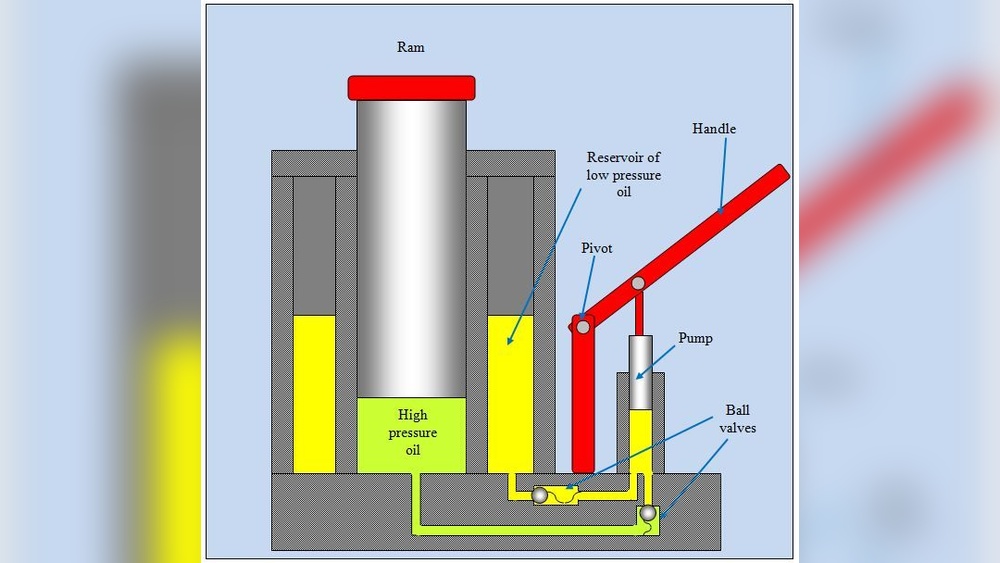
The jack may not lift due to air in the hydraulic system. Bleed the jack by opening the release valve and pumping the handle. Also, check the release valve for tightness. Worn or broken parts inside can block lifting. Inspect the piston and seals for damage.
Slow Lifting Or Lowering
Slow movement often means dirty or low hydraulic fluid. Drain and refill fluid to improve flow. Check for clogged filters or small leaks that reduce pressure. Lubricate moving parts to ease operation. Tighten or replace valves if needed.
Unusual Noises
Strange sounds during use signal internal issues. Grinding or squeaking can come from dry or worn parts. Lubricate joints and check for loose bolts. Clicking noises may mean damaged gears or pistons. Inspect and replace faulty components for smooth work.
Preparing The Floor Jack For Repair
Preparing your 2.5 ton floor jack for repair is an important first step. This process helps you work safely and fix the jack correctly. Taking time to prepare prevents damage and makes the repair easier.
Start by cleaning the jack thoroughly. Dirt and grease can hide problems and make parts harder to move. Cleaning also helps you see any leaks or broken parts clearly.
Cleaning The Jack
Use a rag to wipe off dirt and oil from all surfaces. A mild detergent mixed with water works well for stubborn grime. Avoid soaking the jack; use a damp cloth instead. Dry the jack completely to stop rust from forming. Check for oil leaks or cracked parts while cleaning. Remove old grease from moving parts for better inspection.
Positioning And Securing
Place the jack on a flat and stable surface. This stops it from tipping during repair. Use wooden blocks or stands to keep it steady. Lock the jack’s handle to prevent sudden movements. Make sure the jack is lowered fully before starting work. This reduces pressure on the parts you will fix.
Fixing Hydraulic Fluid Leaks
Fixing hydraulic fluid leaks is key to keeping your 2.5 ton floor jack working well. Leaks reduce the jack’s lifting power and can cause damage. Finding and fixing these leaks saves money and improves safety.
Hydraulic fluid leaks often come from worn seals or damaged parts. Fixing these leaks means locating the source, replacing seals and O-rings, and refilling the fluid. Follow these simple steps to restore your jack’s performance.
Locating The Leak
Start by cleaning the jack to see where fluid escapes. Check around the pump, cylinder, and hose connections. Look for wet spots or drips. Press the jack handle slowly to spot leaks under pressure. Use a bright light for better visibility. Mark the leak location to focus repairs there.
Replacing Seals And O-rings
Once the leak is found, release pressure from the jack. Remove the parts near the leak carefully. Take out old seals and O-rings with a small tool. Replace them with new parts that fit exactly. Lubricate seals slightly for easier installation. Reassemble the parts tightly but avoid overtightening.
Refilling Hydraulic Fluid
Place the jack on a flat surface. Open the fill plug and add clean hydraulic fluid slowly. Use the fluid type recommended by the manufacturer. Fill until the fluid reaches the correct level. Close the plug securely. Pump the handle several times to remove air and test the jack’s lift.
Repairing Lifting Mechanism
The lifting mechanism is the heart of your 2.5 ton floor jack. It moves the heavy load smoothly and safely. Repairing this part can restore your jack’s strength and reliability. Understanding the basic steps helps you fix common problems quickly.
Focus on the pump piston and worn parts. These are often the main causes of lifting issues. Careful inspection and replacement make your jack work like new again.
Checking The Pump Piston
Start by examining the pump piston inside the jack. Dirt or rust can block its movement. Remove the piston carefully and clean it with a cloth. Check for any cracks or damage on the piston surface. A damaged piston will not create proper pressure. Replace the piston if you see any deep scratches or wear. After cleaning, lubricate the piston lightly. This helps it move smoothly and seals better during lifting.
Replacing Worn Parts
Worn parts reduce the jack’s lifting power. Look at the seals, valves, and springs inside the mechanism. Seals often break or dry out, causing leaks. Replace old seals with new ones of the right size. Check the valves for dirt or damage. Clean or swap out any faulty valves. Springs lose tension over time and may need changing. Use manufacturer-approved parts for best results. Reassemble the mechanism carefully, ensuring all parts fit well. Test the jack slowly to confirm the repair worked.
Adjusting Release Valve
The release valve controls the floor jack’s lowering speed and pressure. Adjusting it properly ensures safe and smooth operation. A stuck or loose valve causes the jack to drop too fast or not hold weight well.
Follow clear steps to adjust the release valve. This fixes common issues and keeps your 2.5 ton floor jack reliable. Use simple tools and take your time for best results.
Locate The Release Valve
Find the valve on the jack’s body. It usually looks like a small screw near the handle base. Clean the area to remove dirt and rust. This helps you see the valve clearly.
Turn The Valve Clockwise
Use a wrench to turn the valve slowly clockwise. This tightens the valve and stops fluid from leaking. The jack will hold weight better after this step.
Turn The Valve Counterclockwise
Turn the valve slowly counterclockwise to open it. This allows the jack to lower smoothly. Do not turn too far, or the jack may drop quickly.
Test The Jack
Pump the handle to lift the jack. Then, slowly open the valve to lower it. Watch how the jack moves. Adjust the valve again if it lowers too fast or too slow.

Credit: optima-schlafsysteme.de
Testing The Repaired Jack
Testing the repaired 2.5 ton floor jack is vital. It ensures the jack works safely and effectively. After fixing, you must check every part. This confirms the jack can hold weight without issues. Careful testing avoids accidents and damage.
Safety Checks
Start with a full safety check. Look for leaks in the hydraulic system. Check the release valve to ensure it closes tightly. Inspect all moving parts for smooth action. Make sure the jack stands firm on flat ground. Wear safety gloves and goggles during testing.
Load Testing
Next, perform a load test with a proper weight. Use a vehicle or heavy object within the jack’s limit. Slowly raise the load and watch for any drops or unusual noises. Hold the load lifted for a few minutes. Lower the load gently and observe the jack’s response. If the jack holds steady, it is safe to use.
Maintenance Tips To Extend Lifespan
Keeping your 2.5 ton floor jack in good shape helps it last longer. Regular care stops small problems from turning big. Simple steps can keep the jack working safely and smoothly for years. Follow these tips to protect your tool and save money on repairs.
Clean The Jack After Each Use
Dirt and dust can cause parts to wear out fast. Wipe the jack clean with a dry cloth. Remove any grease or oil build-up. Clean surfaces stop rust and help the jack move easily.
Check And Change The Hydraulic Fluid
Hydraulic fluid moves power inside the jack. Low or dirty fluid makes the jack weak. Check fluid levels often. Replace old fluid with fresh, clean oil. This keeps the lifting smooth and strong.
Lubricate Moving Parts Regularly
Lubricate joints and wheels to reduce friction. Use light machine oil or grease. This prevents squeaks and stops parts from sticking. Proper lubrication helps the jack lift heavy loads safely.
Inspect For Leaks And Damage
Look for oil leaks around seals and valves. Check for cracks or dents on the frame. Fix leaks quickly to avoid bigger problems. Replace damaged parts to keep the jack stable and safe.
Store The Jack Properly
Keep the jack in a dry, clean place. Avoid wet or dusty areas that cause rust. Lower the jack fully before storage. Proper storage protects the jack and keeps it ready to use.
Credit: www.youtube.com
Frequently Asked Questions
How Do I Fix A Leaking 2.5 Ton Floor Jack?
To fix a leaking floor jack, first identify the leak source. Check seals and hydraulic fluid levels. Replace damaged seals and refill fluid. Ensure all connections are tight. Test the jack after repair for proper lifting and safety.
What Tools Are Needed To Repair A Floor Jack?
Basic tools include wrenches, screwdrivers, pliers, and a hydraulic fluid pump. You may also need replacement seals and hydraulic oil. Always wear safety gloves and glasses. Having a repair manual specific to your jack model helps ensure accurate fixes.
How Often Should I Maintain My 2.5 Ton Floor Jack?
Regular maintenance every 6 months keeps your jack safe. Check hydraulic fluid levels and inspect seals. Lubricate moving parts to prevent rust. Clean the jack after use. Proper upkeep extends the jack’s life and ensures reliable performance.
Can I Repair A 2.5 Ton Floor Jack Myself?
Yes, you can repair it yourself with basic tools and knowledge. Follow safety guidelines and use the correct replacement parts. If unsure, consult a professional to avoid injury or further damage. DIY repairs save money and improve jack longevity.
Conclusion
Repairing a 2. 5 ton floor jack is simpler than it seems. Follow each step carefully and stay safe. Check all parts for wear and replace what is broken. Keep your jack clean and well-oiled to avoid future problems. Regular care helps your jack work longer and better.
Now, you can fix your floor jack with confidence. This saves money and keeps your tools ready. Take your time, and your jack will lift strong again.