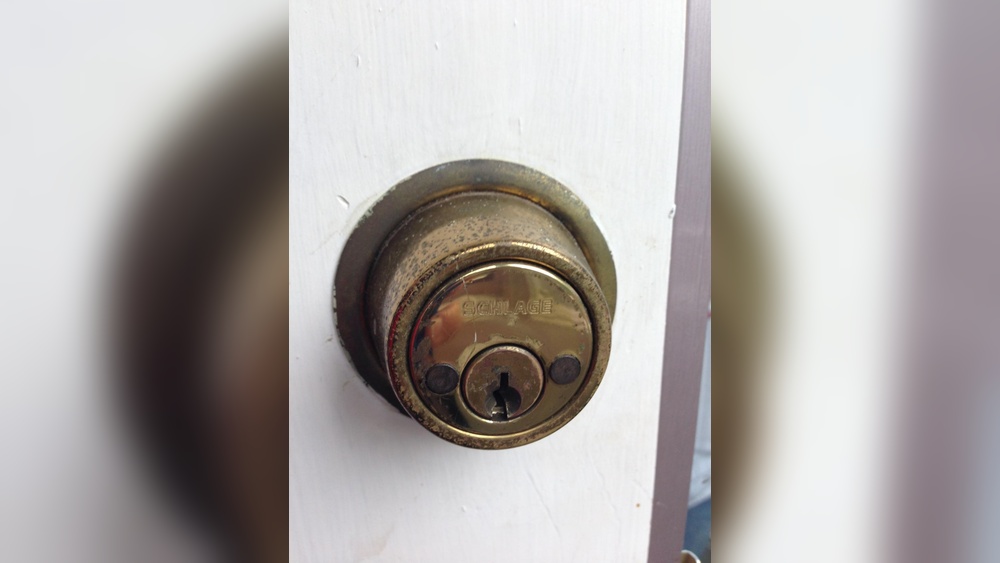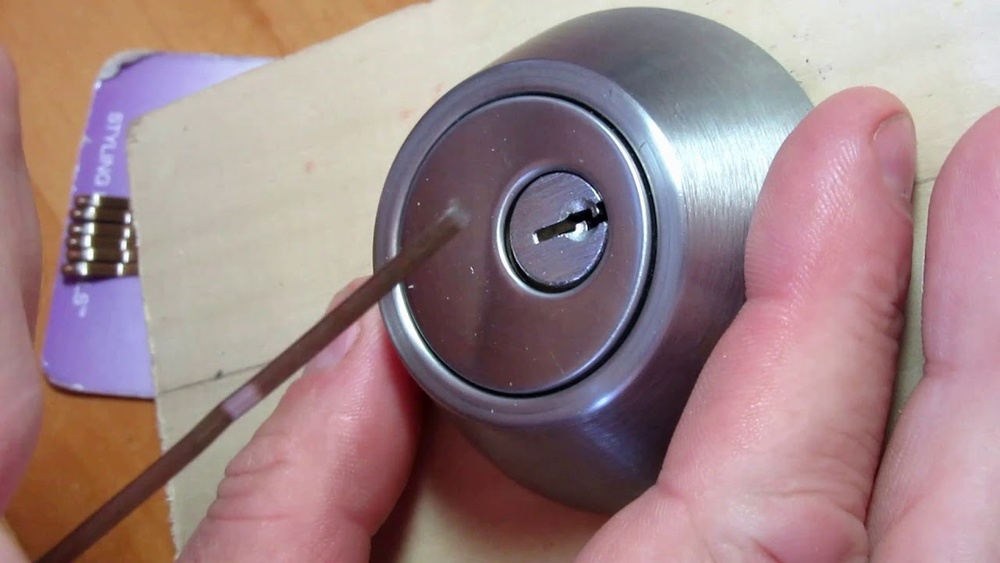
Have you ever found yourself locked out and wished you had a simple way to open a deadbolt without a key? Knowing how to pick a deadbolt lock with a bobby pin can save you time, stress, and even money on locksmith fees.
It’s a handy skill that anyone can learn with a little practice. You’ll discover easy steps to turn an everyday bobby pin into a useful tool. Keep reading, and by the end, you’ll feel confident handling those tricky locks when you need to.
Tools Needed
Picking a deadbolt lock with a bobby pin requires a few basic tools. These tools help you apply the right pressure and technique. Having the correct items makes the process easier and more effective. Gather everything before you begin for better results.
Choosing The Right Bobby Pin
Select a sturdy bobby pin that is not too thin or soft. A metal bobby pin works best because it can hold its shape. Avoid plastic or painted pins as they may break or bend. Straighten one side of the bobby pin carefully to create a simple lock pick. The other side can serve as a tension wrench to turn the lock.
Additional Items To Have
Besides the bobby pin, a small flathead screwdriver helps apply steady pressure. A flashlight is useful to see inside the lock clearly. A pair of pliers can assist in bending or adjusting the bobby pin. Patience and a clean workspace also improve your chances of success.
Preparing The Bobby Pin
Preparing the bobby pin is the first step in picking a deadbolt lock. This process helps turn a simple hairpin into a useful tool. The bobby pin needs to be shaped correctly. This ensures it can fit into the lock and work effectively. Follow the steps carefully for the best results.
Straightening The Pin
Start by choosing a clean bobby pin. Use your fingers or pliers to straighten one side. The goal is to make one arm as straight as possible. This straight arm will act as the pick. Avoid bending it too much to prevent breaking. A firm, straight pin slides easily into the lock.
Creating A Tension Wrench
Use the other side of the bobby pin for the tension wrench. Bend it at a 90-degree angle near the tip. This small hook will turn the lock cylinder. The wrench must be sturdy but flexible. Test it by applying light pressure on a flat surface. Adjust the bend if needed for better control.
Understanding Lock Components
To pick a deadbolt lock with a bobby pin, understanding its parts helps. Each component plays a role in keeping the lock secure. Knowing how these parts work together makes the process clearer and easier.
Deadbolt locks have simple yet precise mechanisms. Learning about the keyway, pins, and springs gives insight into how the lock operates. This knowledge builds a strong foundation for gentle lock picking.
Keyway
The keyway is the narrow slot where the key goes. It guides the key inside the lock. The shape of the keyway affects how tools like a bobby pin fit inside. Some keyways are simple and wide, while others are narrow and complex.
Understanding the keyway helps in inserting and moving the bobby pin correctly. It also helps avoid damaging the lock or the tool. A smooth, careful approach works best.
Pins And Springs
Inside the lock, pins block or allow the cylinder to turn. These pins sit on springs that push them down. When a correct key is inserted, the pins align at the shear line. This alignment frees the cylinder to rotate.
Picking a lock means mimicking this alignment using a bobby pin. You lift the pins to the right height one by one. Feeling the pins and knowing their positions takes practice and patience.
Springs keep the pins in place and add tension. Understanding how springs affect pin movement helps in applying the right pressure. Too much force can break the spring or bend the pins.
Setting The Tension
Setting the tension is a crucial step in picking a deadbolt lock with a bobby pin. It controls the lock’s pins and helps you feel when they move. Without the right tension, the pins will not set properly. This makes the lock very hard to pick.
Use a small tool, like a flathead screwdriver or the other bobby pin, to apply tension. The goal is to turn the lock cylinder just a little bit. This slight turn holds the pins in place while you work on lifting them.
Choosing The Right Amount Of Tension
Too much pressure will stop the pins from moving. Too little pressure will let the pins fall back down. Find a balance by gently turning the tension tool. Feel for a slight resistance that holds the pins steady.
Applying Steady Pressure
Keep the tension tool steady. Move it only as much as needed to hold pins. Avoid sudden movements that can reset the pins. Steady pressure helps detect the pins’ click or slight movement.
Adjusting Tension During Picking
Adjust tension if you feel no pin sets. Loosen it a bit to let pins drop into place. Tighten if the plug starts to turn too much. Small changes improve control and increase success chances.
Manipulating The Pins
Manipulating the pins is the key step in picking a deadbolt lock with a bobby pin. The lock has small pins inside that block the cylinder from turning. Moving these pins to the right place lets the lock open. This step needs patience and a gentle touch. You must feel each pin’s movement while applying the right pressure.
Applying Pressure
Start by inserting the bobby pin as a tension wrench. Twist it gently in the direction the key turns. The pressure must be light but steady. Too much force can jam the pins. Too little pressure lets the pins move freely. Find the balance to hold pins in place while you lift them.
Feeling For Pin Movement
Use another bobby pin to push the pins inside the lock. Push each pin up slowly. Feel for a small click or a slight give. This means the pin is set correctly. Move from one pin to the next. The lock cylinder will start to turn once all pins are set. Focus and patience are important here.

Credit: www.wikihow.com
Turning The Lock
Turning the lock is the final and most important step in picking a deadbolt with a bobby pin. After setting the pins inside the lock, you need to rotate the lock cylinder to open the door. This step requires gentle but steady pressure. Too much force can break the bobby pin or damage the lock. Too little pressure will not turn the lock.
Understanding how the lock turns helps you apply the right amount of force. The goal is to feel the pins click into place as you gently push the lock cylinder. This tells you the lock is ready to turn.
Preparing To Turn The Lock
Hold the tension wrench firmly in the lock’s bottom part. Keep steady pressure in the direction the lock usually turns. Use your thumb or fingers to twist slowly. This pressure keeps the pins in place once set.
Applying Pressure With The Bobby Pin
Use the bobby pin to lift the pins inside the lock. Push each pin up until it stops. Feel for small clicks or changes in resistance. This means the pins are ready. Keep the tension wrench steady during this process.
Rotating The Lock Cylinder
Once all pins are set, increase pressure on the tension wrench. Turn the lock cylinder slowly. A smooth turn means the lock is opening. Stop if you feel resistance or the pins drop back. Adjust the pins again if needed.
Common Mistakes To Avoid
Picking a deadbolt lock with a bobby pin is tricky. Many beginners make mistakes that slow them down or damage the lock. Knowing what to avoid helps you practice safely and effectively. Below are common mistakes that can cause problems.
Using The Wrong Type Of Bobby Pin
Not all bobby pins work well for lock picking. Thick or coated pins are hard to bend. Thin metal pins with no paint work best. Choose a simple, smooth bobby pin for better control.
Applying Too Much Force
Lock picking needs a gentle touch. Pressing too hard can break the bobby pin inside the lock. It also can damage the lock pins. Use light, steady pressure to feel the pins move.
Skipping Practice On Simple Locks
Start with easy locks before trying deadbolts. Simple padlocks help you learn the feeling of pins. Jumping to deadbolts without practice causes frustration. Build your skill step by step.
Not Understanding How The Lock Works
Deadbolts have multiple pins inside. Each pin must be lifted to the right height. Without this knowledge, picking is just guessing. Learn the lock’s mechanism before trying to pick it.
Ignoring Safety And Legal Issues
Picking locks without permission is illegal. Always practice on your own locks. Respect laws and avoid trouble. Safety and legality matter more than success.

Credit: www.youtube.com
Legal And Safety Considerations
Picking a deadbolt lock with a bobby pin may seem useful in some situations. It is important to understand the legal and safety aspects before trying this method. Not knowing the rules or risks can lead to trouble.
This section explains what you must consider about laws and safety. It helps you avoid problems and stay safe.
Legal Restrictions On Lock Picking
Many places have laws about lock picking tools and skills. Using a bobby pin to pick a lock without permission may be illegal. It is often seen as an attempt to break in. Check local laws before trying any lock picking method.
Permission And Property Rights
Only pick locks on your own property or with owner permission. Doing this on someone else’s property is trespassing. Always get clear consent before attempting to open a locked door. Respecting property rights avoids legal issues.
Safety Risks Of Picking Locks
Using a bobby pin can damage the lock or door. It may also cause injury if tools slip or break. Lock picking requires care and patience. Do not force the tools or rush the process.
When To Call A Professional
Calling a locksmith is safer and legal in most cases. Professionals have the right tools and training. They can open locks without damage. Choose a locksmith if unsure or if the lock is important.

Credit: www.wikihow.com
Frequently Asked Questions
How Do You Pick A Deadbolt Lock With A Bobby Pin?
To pick a deadbolt lock, straighten a bobby pin and bend one end into a small hook. Insert the hooked end into the lock and apply gentle turning pressure while moving the pin up and down to manipulate the pins inside until the lock opens.
Can A Bobby Pin Really Open A Deadbolt Lock?
Yes, a bobby pin can open some simple deadbolt locks by mimicking a lock pick. However, it requires patience, skill, and the lock must have standard pin tumblers for this method to work effectively.
Is Picking Deadbolt Locks With Bobby Pins Legal?
Picking locks without permission is illegal and considered breaking and entering. Only use lock-picking techniques on locks you own or with explicit permission to avoid legal consequences.
What Tools Do I Need Besides A Bobby Pin?
Besides a bobby pin, you need a tension wrench, which can be made by bending another bobby pin. The tension wrench applies rotational pressure, essential to set the pins correctly inside the lock.
Conclusion
Picking a deadbolt lock with a bobby pin takes patience and practice. It is not easy but can be done step by step. Always stay calm and follow the basic steps carefully. Remember, this skill should be used responsibly and only on locks you own.
Keep practicing to improve your technique over time. Understanding how locks work helps make the process clearer. Stay safe and use this knowledge wisely.