Have you ever lost your keys or moved into a new home and worried about who might still have access? Changing your deadbolt lock completely can be expensive and time-consuming.
But what if you could make your old lock work like new with just a few simple steps? Learning how to rekey your deadbolt lock puts control back in your hands. It’s quicker, cheaper, and safer than you think. Keep reading, and you’ll discover easy tips that anyone can follow to protect your home and peace of mind.
Credit: www.familyhandyman.com
Why Rekey A Deadbolt
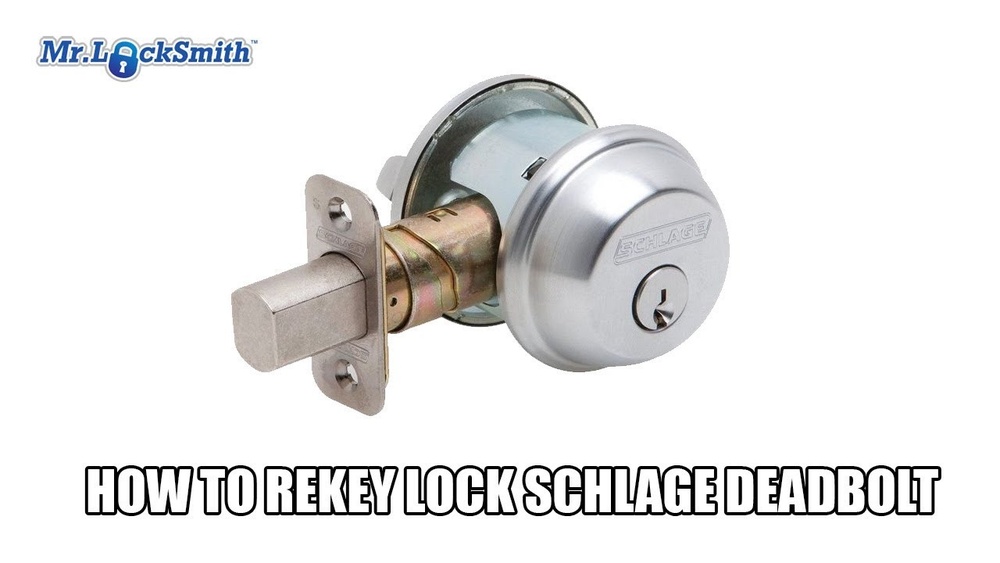
Rekeying a deadbolt is a smart way to keep your home safe. It means changing the lock’s internal pins so old keys no longer work. This process helps control who can enter your home without replacing the whole lock. Rekeying saves money and adds security at the same time.
When To Rekey
Rekey a deadbolt after losing your keys. This stops anyone finding the keys from entering your home. Rekey also helps when moving into a new house. Previous owners or neighbors might have copies of your keys. Rekeying ensures only you and your family can open the door.
Use rekeying if you want to stop giving out many copies of keys. It is easier than changing locks. Rekey when a key breaks inside the lock. This can make your lock unsafe or hard to use.
Benefits Of Rekeying
Rekeying is cheaper than buying a new lock. It takes less time to do and needs fewer tools. Rekeying keeps your current lock’s strength and style. No need to worry about fitting a new lock or door damage.
It improves security by removing old keys from use. Rekeying gives peace of mind after losing keys or moving. It is a quick solution to control access to your home. Rekeying also works for multiple locks using the same key. This makes carrying fewer keys easy and safe.
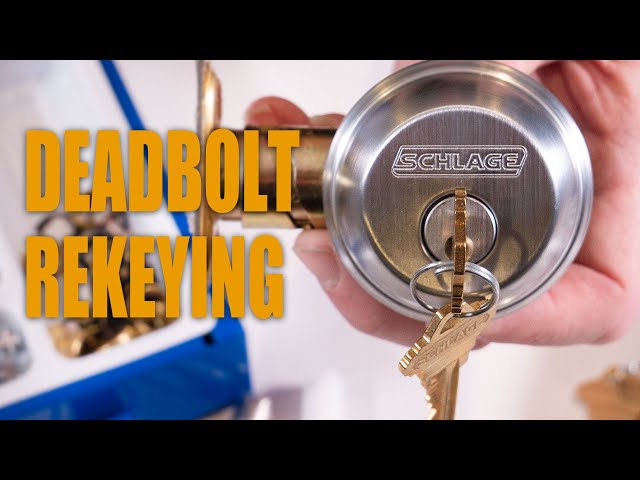
Credit: www.youtube.com
Tools You’ll Need
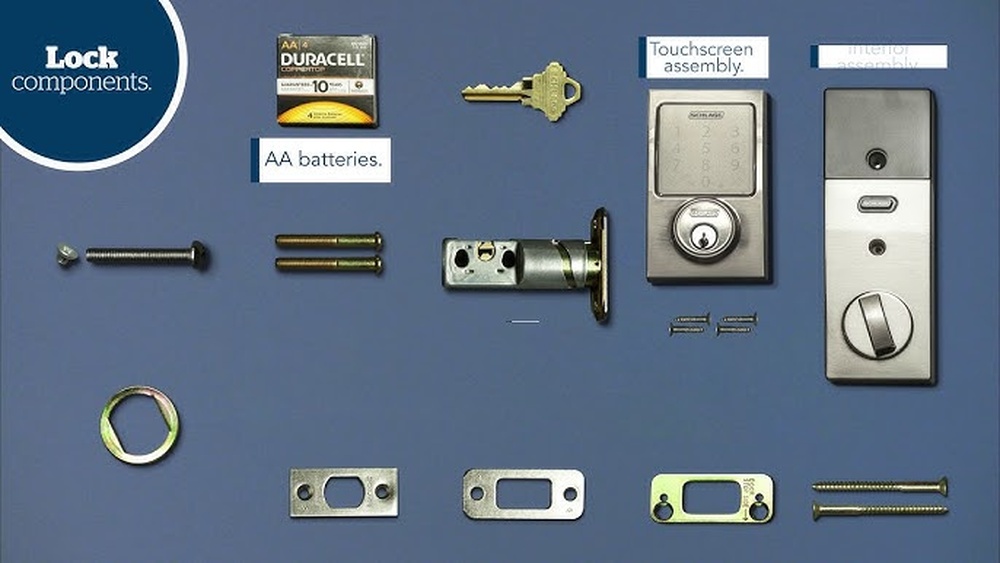
Before starting to rekey a deadbolt lock, gather the right tools. Using proper tools makes the job easier and faster. Some tools are essential, while others are optional but helpful. Preparing your workspace with these tools saves time and avoids frustration.
Essential Tools
- Screwdriver set – Phillips and flathead screwdrivers are needed.
- Key gauge – Measures the key cuts for accurate rekeying.
- Pinning kit – Contains pins and springs for your lock type.
- Tweezers – Helps handle small pins and springs safely.
- Plug follower – Assists in removing the lock cylinder without losing pins.
- New keys – Required to test the rekeyed lock function.
Optional Supplies
- Magnifying glass – Makes seeing small pins and cuts easier.
- Work mat – Keeps small parts organized and prevents loss.
- Lubricant spray – Ensures smooth lock operation after rekeying.
- Flashlight – Provides extra light in tight or dark spaces.
Removing The Deadbolt
Removing the deadbolt is the first step to rekey your lock. This process allows access to the internal parts. Handle the lock carefully to avoid damage. Follow the steps below to remove the deadbolt quickly and safely.
Locate Screws
Find the screws holding the deadbolt in place. These screws are usually on the inside part of the door. Use a flashlight if needed to see clearly. Use a screwdriver that fits the screw heads well. Turn the screws counterclockwise to loosen them. Keep the screws in a safe place for later use.
Detach Lock Components
After removing the screws, gently pull the lock parts apart. Start with the interior knob or thumb turn. Then, remove the exterior lock face. Be careful not to force any parts. Pull the bolt mechanism out of the door edge. Now, the deadbolt is fully detached and ready for rekeying.
Extracting The Cylinder
Extracting the cylinder is a key step in rekeying a deadbolt lock. This part holds the pins that match your key. Removing it carefully allows you to change these pins for a new key. Follow the steps below to do this correctly and avoid damage.
Identify Cylinder Type
First, find out what type of cylinder your deadbolt uses. Some common types are single-cylinder and double-cylinder. Single-cylinder locks have a keyhole on one side only. Double-cylinder locks have keyholes on both sides. Knowing the type helps you handle the cylinder properly.
Look closely at the face of the lock. Check if there is a keyhole on one or both sides. Also, notice the shape and size of the cylinder. This information guides you during removal.
Remove Cylinder Safely
Start by unscrewing the screws on the inside of the door. Keep these screws safe for reassembly. Gently pull the cylinder out from the door. Use steady force to avoid bending or breaking parts.
If the cylinder feels stuck, wiggle it slightly. Avoid using too much force. Doing so may damage the lock or door. Once removed, place the cylinder on a clean surface for the next steps.
Changing The Pins
Changing the pins is a key step in rekeying a deadbolt lock. It means removing old pins and placing new ones that match your new key. This process controls which key can open your lock.
Each pin inside the lock must fit perfectly. Pins that are too long or too short will stop the lock from turning. Understanding how pins work helps you replace them correctly.
Understanding Pin Configuration
The lock cylinder holds several pins stacked in pairs. Each pair has a driver pin and a key pin. The driver pin sits on top, pushing down on the key pin.
When the right key is inserted, the pins align at the shear line. This allows the cylinder to turn smoothly. Different keys need different pin lengths to match.
Pin lengths must match the cuts on your new key exactly. This is why you remove old pins and replace them with new ones of the correct size.
Replacing Old Pins With New
Start by removing the plug from the lock cylinder. Use a follower tool or similar object to push the plug out carefully. Keep the pins from falling out.
Remove all old pins from the plug and sort them by size. Compare each old pin with your new key’s cuts. Select new pins that fit these cuts precisely.
Insert the new pins into the plug’s holes. Make sure each pin fits snugly and sits at the correct height. Check the alignment by inserting the new key.
Test the plug by turning it with the new key. If it turns smoothly, the pins are set correctly. If not, adjust the pins and try again.
Reassembling The Lock
Reassembling the lock is the final step in rekeying your deadbolt. It requires care and focus to ensure everything fits correctly. Take your time to avoid mistakes that can cause the lock to jam or fail.
Reinsert Cylinder
Start by placing the cylinder back into the lock housing. Align it carefully with the keyway and pins inside. Push it gently but firmly until it sits flush. The cylinder should move smoothly without any resistance.
Secure Lock Components
After the cylinder is in place, secure all lock components with screws. Tighten them evenly to hold everything firm. Check the lock’s movement by turning the key slowly. Make sure the lock operates smoothly before finalizing.
Testing The New Key
After rekeying your deadbolt lock, testing the new key is essential. This step ensures the lock works smoothly and the new key fits perfectly. Testing helps avoid lockouts and confirms the rekeying process succeeded.
Check Lock Functionality
Insert the new key into the lock gently. Turn the key slowly to see if it rotates without resistance. The deadbolt should move smoothly into the locked and unlocked positions. Test the key several times to confirm consistent performance. Try locking and unlocking from both inside and outside the door. This confirms the lock works correctly with the new key on all sides.
Troubleshooting Common Issues
If the key does not turn easily, do not force it. Check if the key is fully inserted into the lock. Dirt or debris inside the lock can block smooth movement. Use a spray of graphite lubricant to clear the lock. If the lock still sticks, recheck the pin alignment inside the cylinder. Misaligned pins cause jamming and poor key function. Try reassembling the lock carefully, ensuring pins fit the new key. Repeat testing after each adjustment to find the problem.
Tips For Maintaining Security
Keeping your deadbolt lock secure is important after rekeying it. Simple steps help protect your home and belongings. Regular care can stop many problems before they start. Follow these tips to maintain strong security for your lock.
Regular Lock Checks
Check your deadbolt lock every few months. Look for signs of wear or damage. Test the key to make sure it turns smoothly. Dirt and dust can cause the lock to jam. Clean the lock gently with a soft cloth. Avoid using oil that can attract dust. Keep the lock dry and free from rust.
When To Call A Professional
Some lock issues need expert help. If the key sticks or breaks inside the lock, call a locksmith. Problems with the lock’s mechanism also require a professional. Rekeying yourself is good, but complex repairs need skill. A locksmith can fix the lock without causing damage. Save money by fixing small issues early with a pro.
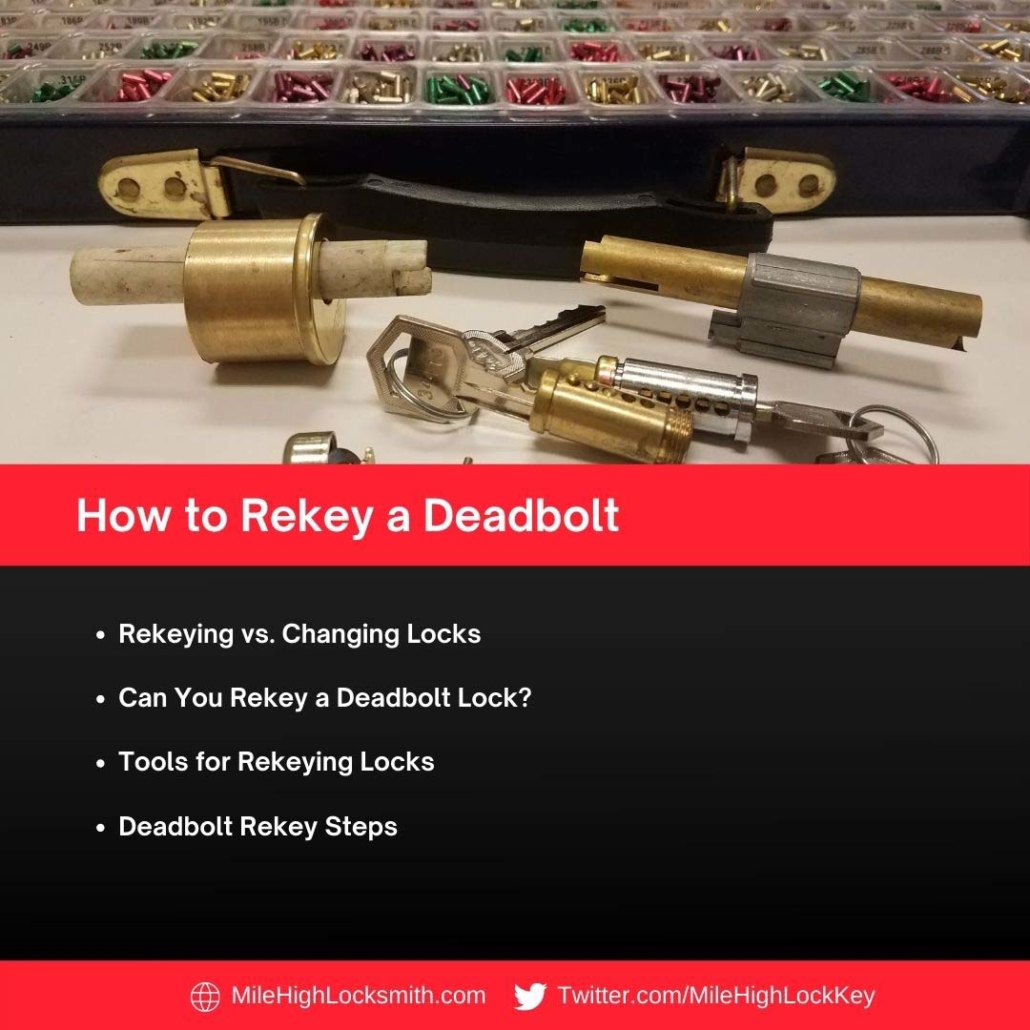
Credit: www.denver-locksmith.net
Frequently Asked Questions
How Do I Rekey A Deadbolt Lock At Home?
To rekey a deadbolt lock, remove the lock cylinder first. Use a rekeying kit to change the pins inside. This process matches new keys to your lock. It improves security without replacing the entire lock.
What Tools Are Needed To Rekey A Deadbolt Lock?
You need a key extractor, plug follower, screwdrivers, and a rekeying kit. These tools help remove the lock cylinder and change the pins. Always follow the rekeying kit instructions carefully for best results.
How Long Does It Take To Rekey A Deadbolt Lock?
Rekeying a deadbolt lock usually takes 20 to 30 minutes. Time depends on your experience and lock type. Beginners might take longer but practice speeds up the process.
Can Rekeying A Deadbolt Lock Improve Home Security?
Yes, rekeying improves security by restricting old keys. It prevents unauthorized access after losing keys or moving homes. Rekeying is a cost-effective way to secure your property.
Conclusion
Rekeying a deadbolt lock saves time and money. It keeps your home safe from old keys. The process is simple with the right tools and steps. You can change who has access quickly. Regularly rekeying locks adds security and peace of mind.
Try it yourself to protect your space. Stay safe and secure with easy lock changes.