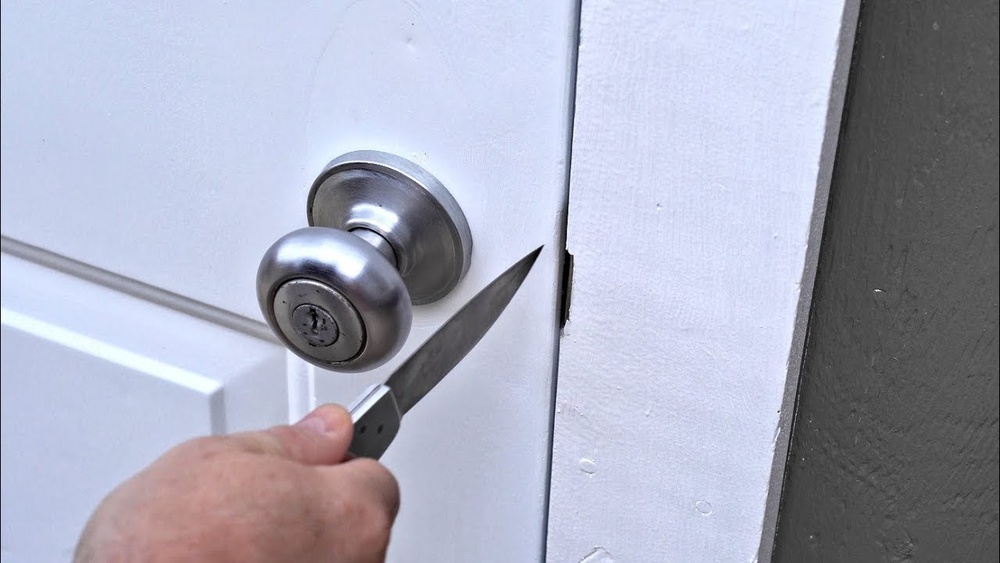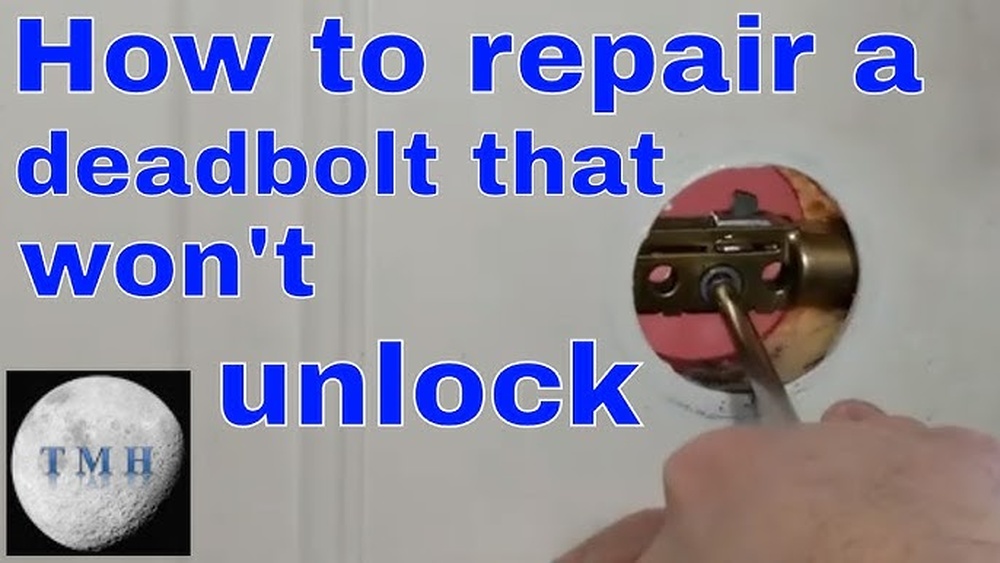
You’re standing at your door, key in hand, ready to unlock it—but the deadbolt won’t turn. Frustrating, right?
A stuck deadbolt can leave you feeling stuck too, unsure of what to do next. But don’t worry—fixing this common problem is easier than you think. You’ll discover simple, step-by-step solutions to get your deadbolt turning smoothly again. Keep reading, and you’ll be back inside in no time.
Common Causes Of A Stuck Deadbolt
A deadbolt that won’t turn is a common problem. It can stop you from entering your home or securing it properly. Understanding what causes a deadbolt to stick helps fix it faster. Some issues are simple. Others need more care. Here are the most common causes of a stuck deadbolt.
Worn Or Damaged Key
A key that is bent, worn, or damaged often causes the deadbolt to jam. The key may not fit into the lock properly. Turning the key might feel stiff or impossible. Using a duplicate key or a new one can solve this issue quickly.
Misaligned Strike Plate
The strike plate is the metal piece on the door frame. If it is misaligned, the deadbolt cannot slide in smoothly. This happens when the door or frame shifts over time. Adjusting or repositioning the strike plate can fix the problem.
Internal Lock Mechanism Issues
Inside the lock, parts may wear out or break. Dirt and rust can also cause the mechanism to stick. This blocks the deadbolt from turning. Cleaning and lubricating the lock often helps. Sometimes, the lock needs replacement.
Weather-related Expansion
Wood doors and frames expand and contract with weather changes. In hot or humid conditions, the door may swell. This pressure can jam the deadbolt. Trimming the door or sanding the edges can relieve the pressure.

Credit: herolocksmith.co.uk
Tools Needed For Deadbolt Repair
Fixing a deadbolt that won’t turn needs the right tools. Having these tools ready makes the job easier. You can save time and avoid frustration. Below are the main tools you need for deadbolt repair.
Basic Hand Tools
A screwdriver set is essential. Both flathead and Phillips screwdrivers work well. A small hammer can help with stuck parts. Pliers assist in gripping and pulling pieces. A flashlight helps you see inside the lock clearly.
Lubricants And Cleaners
Use a graphite lubricant to ease lock movement. Avoid oily sprays that attract dirt. Clean the lock with rubbing alcohol or a mild cleaner. This removes dust and old grease. Keep a cloth handy to wipe parts clean.
Replacement Parts
Sometimes, parts inside the deadbolt break or wear out. Have spare screws and springs ready. A new deadbolt cylinder might be needed. Make sure replacement parts fit your lock model. Buying parts before starting saves multiple trips.
Quick Fixes For A Deadbolt That Won’t Turn
A deadbolt that won’t turn can be frustrating. Simple fixes often solve the problem. These quick steps save time and effort. Try these easy solutions before calling a locksmith.
Lubricating The Lock
Dry or rusty locks often cause deadbolts to stick. Use a graphite or silicone-based lubricant for best results. Spray a small amount into the keyhole. Insert and turn the key several times to spread the lubricant. Avoid oil-based products, which attract dirt and grime.
Adjusting The Strike Plate
The strike plate is the metal piece on the door frame. Misalignment can block the deadbolt from turning. Check if the bolt hits the plate when turning the key. Loosen the screws and move the plate slightly up or down. Tighten the screws and test the lock again.
Cleaning The Keyhole
Dirt and debris can jam the lock mechanism. Use a can of compressed air to blow out dust from the keyhole. Insert the key slowly and wiggle it to remove any remaining particles. Repeat the process a few times for a cleaner lock. This improves the deadbolt’s smooth operation.

Credit: www.youtube.com
Advanced Repair Techniques
Advanced repair techniques help fix deadbolts that refuse to turn. These methods go beyond simple fixes like lubrication or tightening screws. They involve careful work on the lock’s key parts or the door itself. Such repairs need some tools and patience. Follow these steps to restore your deadbolt’s function with confidence.
Replacing The Deadbolt Cylinder
The cylinder is where you insert the key. If it is worn or damaged, the deadbolt may not turn. Start by removing the screws on the interior side of the lock. Pull the cylinder out carefully. Take the old cylinder to a hardware store to find a match. Insert the new cylinder and secure it with screws. Test the key to ensure smooth turning.
Realigning Door And Frame
Sometimes the door or frame shifts, causing the deadbolt to jam. Check if the bolt lines up with the strike plate on the frame. If not, loosen the strike plate screws. Adjust the plate so the bolt slides in easily. Tighten the screws firmly. If the door moves too much, tighten or replace the hinges. Realignment often restores proper lock function.
Fixing Internal Lock Components
The internal parts inside the lock can wear out or break. Remove the deadbolt from the door by unscrewing it. Open the lock casing carefully. Inspect for broken springs, gears, or other parts. Replace any damaged pieces with new ones from a hardware store. Clean all parts from dust and grime. Reassemble the lock and check the turning action.
Preventing Deadbolt Problems
Deadbolt problems often cause frustration and delay. Many issues can be avoided with proper care. Preventing deadbolt problems saves time and money. It also keeps your home secure and safe. Follow simple steps to maintain your deadbolt and reduce issues.
Regular Maintenance Tips
Clean your deadbolt regularly. Dust and dirt build up inside the lock. Use a soft cloth to wipe the outside. Apply graphite lubricant inside the keyhole every six months. Avoid oil-based lubricants as they attract dirt. Check the screws on the lock and tighten if loose. Test the lock after maintenance to ensure smooth operation.
Choosing Quality Locks
Invest in high-quality deadbolts. Cheap locks wear out faster and cause problems. Look for locks made from strong materials like steel or brass. Choose locks with good reviews and high security ratings. A good lock resists rust and damage. Quality locks provide better protection and last longer.
Proper Key Usage
Use the correct key for your deadbolt. Do not force the key if it does not turn easily. Avoid using worn or bent keys. Duplicate keys should be made by trusted locksmiths. Remove the key gently after locking or unlocking. Proper key use prevents jamming and extends lock life.

Credit: www.locksmiths.co.uk
Frequently Asked Questions
Why Won’t My Deadbolt Turn At All?
A deadbolt may not turn due to misalignment, dirt buildup, or a faulty key. Check for obstructions and clean the lock. Lubricate with graphite powder. Ensure the door and strike plate align properly for smooth operation.
How Can I Fix A Jammed Deadbolt Quickly?
To fix a jammed deadbolt, apply lubricant inside the lock cylinder. Wiggle the key gently while turning. Check if the bolt moves freely. Realign the door or strike plate if needed. Replace broken parts if the issue persists.
Can A Deadbolt Be Repaired Without Removing It?
Yes, minor issues like lubrication or alignment adjustments can be done without removal. Cleaning and lubricating the lock often restores function. For deeper problems, partial disassembly may be required but full removal isn’t always necessary.
What Causes A Deadbolt Key To Get Stuck?
Keys get stuck due to dirt, rust, or worn pins inside the lock. Lubricate with graphite powder to ease movement. Avoid oil-based lubricants as they attract dust. If stuck persistently, consider lock servicing or replacement.
Conclusion
Fixing a deadbolt that won’t turn is easier than it seems. Start by checking for dirt or rust inside the lock. Lubricate the mechanism to help it move smoothly. Tighten any loose screws to keep parts aligned. If the problem continues, consider replacing the lock.
Taking small steps can save you time and money. Don’t ignore a stuck deadbolt; it can cause bigger issues. Simple care keeps your home safe and your lock working well. Try these tips to fix your deadbolt today.