Lifting your car safely might seem tricky, but with the right tools and know-how, you can do it confidently at home. Learning how to use a floor jack and jack stands is a skill that puts you in control of simple repairs and maintenance.
Imagine saving time and money without waiting for help. In this guide, you’ll discover clear, step-by-step instructions that anyone can follow. By the end, you’ll feel empowered to lift your vehicle securely and work underneath it without worry. Keep reading to master this essential skill and take charge of your car’s care.
Choosing The Right Floor Jack
Choosing the right floor jack is important for safety and efficiency. The right jack makes lifting your vehicle easier and safer. Consider the type, weight capacity, and material before buying. This helps you avoid accidents and damage.
Types Of Floor Jacks
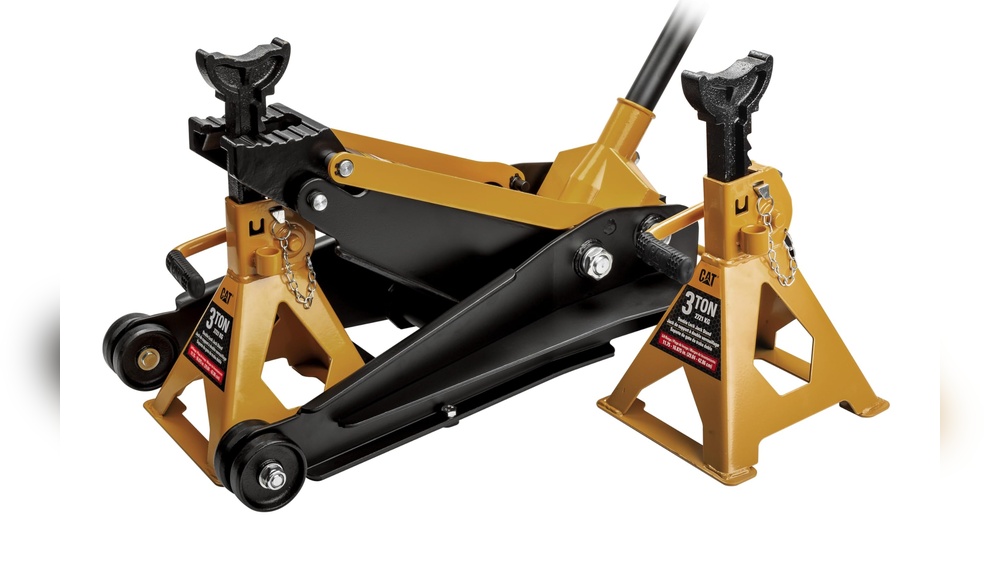
There are several types of floor jacks. The most common are hydraulic, scissor, and bottle jacks. Hydraulic jacks use fluid to lift heavy loads smoothly. Scissor jacks are small and portable but lift lighter weights. Bottle jacks look like a bottle and are strong but tall. Choose one that fits your needs and space.
Weight Capacity Considerations
Every floor jack has a weight limit. This limit is the maximum load the jack can lift safely. Check the weight of your vehicle before buying a jack. Pick a jack with a weight capacity higher than your vehicle. This ensures safety and prevents jack failure during use.
Material And Build Quality
Strong materials make a floor jack last longer. Steel jacks are heavy but very durable. Aluminum jacks are lighter and easier to move. Look for a jack with solid welds and a sturdy frame. Good build quality means safer lifting and better performance.
Selecting Suitable Jack Stands
Selecting suitable jack stands is key for safe and effective vehicle lifting. The right jack stands support your car securely after lifting it with a floor jack. Choosing the wrong stands can cause accidents or damage. This section helps you understand different designs, load ratings, and height options.
Different Jack Stand Designs
Jack stands come in various styles. The most common are tripod and four-leg stands. Tripod stands have three legs and are lighter. Four-leg stands offer more stability but weigh more. Some stands have a ratchet mechanism to adjust height. Others use a pin lock system. Choose a design that feels sturdy and fits your workspace.
Load Ratings And Safety
Every jack stand has a load rating. This rating tells you the maximum weight it can hold safely. Always pick stands with a rating higher than your vehicle’s weight. Check the rating printed on the stand or in the manual. Using stands below the needed load rating risks collapse. Safety must be the top priority when selecting jack stands.
Height Adjustability
Height matters for proper support. Choose jack stands that adjust to the needed height. Adjustable stands let you lift the car to the right level. This helps with comfortable working space and better safety. Some stands adjust in small steps, others in bigger jumps. Pick stands with height increments that suit your projects.
Preparing Your Vehicle
Preparing your vehicle is the first step to safely using a floor jack and jack stands. It sets the stage for a secure lifting process. Taking the right precautions helps prevent accidents and keeps you safe while working under your car.
Focus on stabilizing your vehicle before lifting. This means finding a safe spot and making sure the car won’t move. Follow these steps carefully to prepare your vehicle well.
Parking On A Level Surface
Always park on flat, solid ground. Avoid slopes or uneven areas. A level surface stops the car from rolling or shifting.
Look for concrete or asphalt driveways. Grass or dirt may not hold the jack or stands securely. Check the ground under your vehicle before starting.
Engaging Parking Brake
Set the parking brake firmly. This locks the rear wheels and keeps the car still. Don’t rely only on the brake pedal.
Double-check the brake is fully engaged. A loose brake can cause the vehicle to roll while lifted. This step is quick but very important.
Wheel Chocking Techniques
Use wheel chocks to block the wheels that stay on the ground. Place them tightly against the tires.
Use wooden blocks or rubber chocks for best grip. Position chocks on both sides of one tire for extra safety.
This simple step adds an extra layer of protection. It stops the vehicle from moving sideways or forward during lifting.
Proper Floor Jack Placement
Proper floor jack placement is essential for safe lifting. It prevents accidents and avoids damage to your vehicle. Knowing where and how to place the jack helps you work confidently. This section explains key steps for correct placement.
Locating Jack Points On Vehicles
Every vehicle has specific jack points. These spots are strong and built to hold the weight. Check your owner’s manual for exact locations. Look under the car near the wheels or frame. Avoid placing the jack on soft or thin metal areas.
Positioning The Jack Correctly
Place the floor jack under the chosen jack point. Make sure the jack saddle touches the vehicle firmly. Align the jack so it is straight and stable. Pump the handle slowly to lift the car. Watch the car rise evenly without tilting.
Avoiding Damage To Vehicle Components
Keep the jack away from brake lines, fuel tanks, and exhaust parts. These can be damaged by pressure or slipping jacks. Use protective pads if needed between the jack and the car. Always double-check the jack position before lifting. Safety first to protect both you and your vehicle.
Lifting The Vehicle Safely
Lifting a vehicle safely is crucial for any repair or maintenance task. It prevents accidents and ensures your work is stable. Using a floor jack and jack stands correctly keeps you and your vehicle secure. Follow these simple steps to lift your vehicle with care and confidence.
Operating The Floor Jack
Place the floor jack under the vehicle’s recommended lifting point. Check your vehicle’s manual to find this spot. Pump the jack handle slowly to raise the lifting arm. Avoid sudden movements to keep the jack steady. Stop pumping when the vehicle is high enough to fit the jack stands.
Raising The Vehicle Slowly
Lift the vehicle in small steps. Pause often to check the vehicle’s balance. Moving too fast can cause the vehicle to slip off the jack. Slow lifting allows you to react if something feels wrong. Keep your hands on the jack handle at all times.
Monitoring Stability
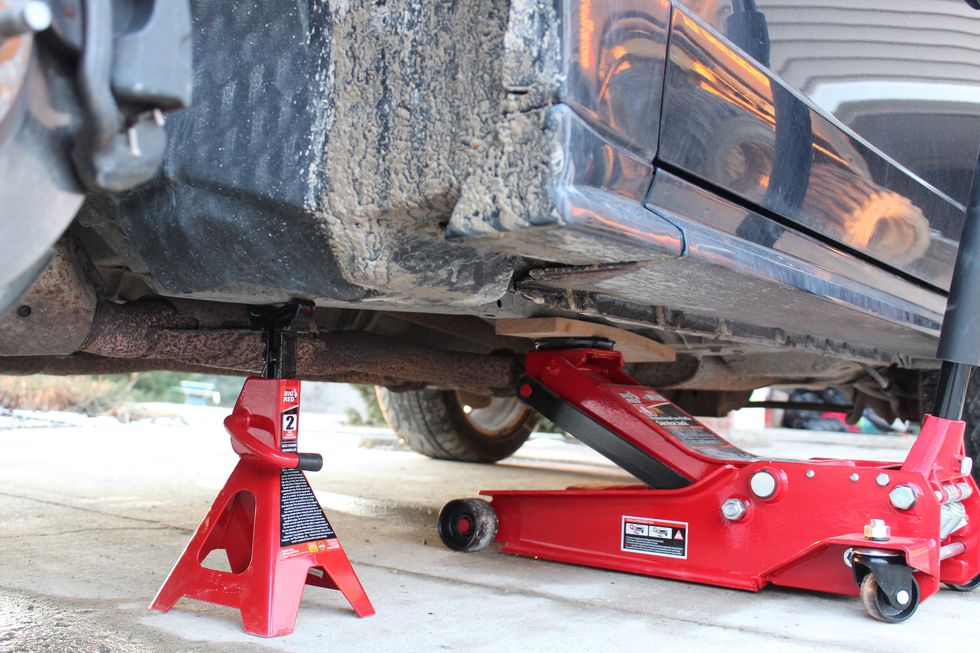
Watch the vehicle closely as you lift it. Make sure it stays level and does not tilt. Place the jack stands under solid points near the jack. Lower the vehicle gently onto the stands. Test the stands by pushing lightly on the car. If the vehicle wobbles, reposition the stands and jack.
Using Jack Stands Effectively
Using jack stands effectively is key to safe vehicle maintenance. They provide stable support after lifting your car with a floor jack. Proper use reduces accident risks and protects you during repairs.
Follow clear steps to position, secure, and check the stability of jack stands. This ensures your vehicle stays steady and safe while you work underneath.
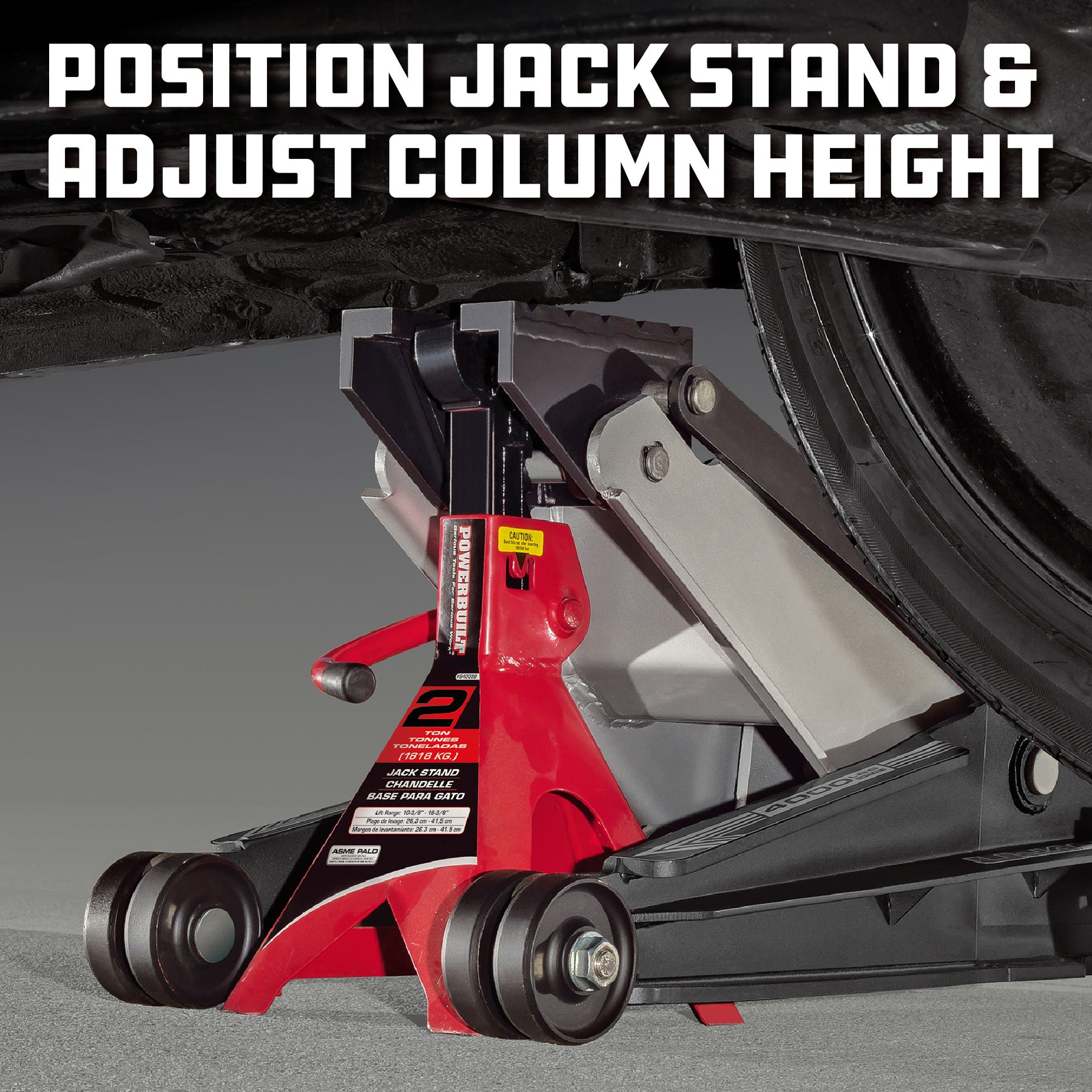
Positioning Jack Stands
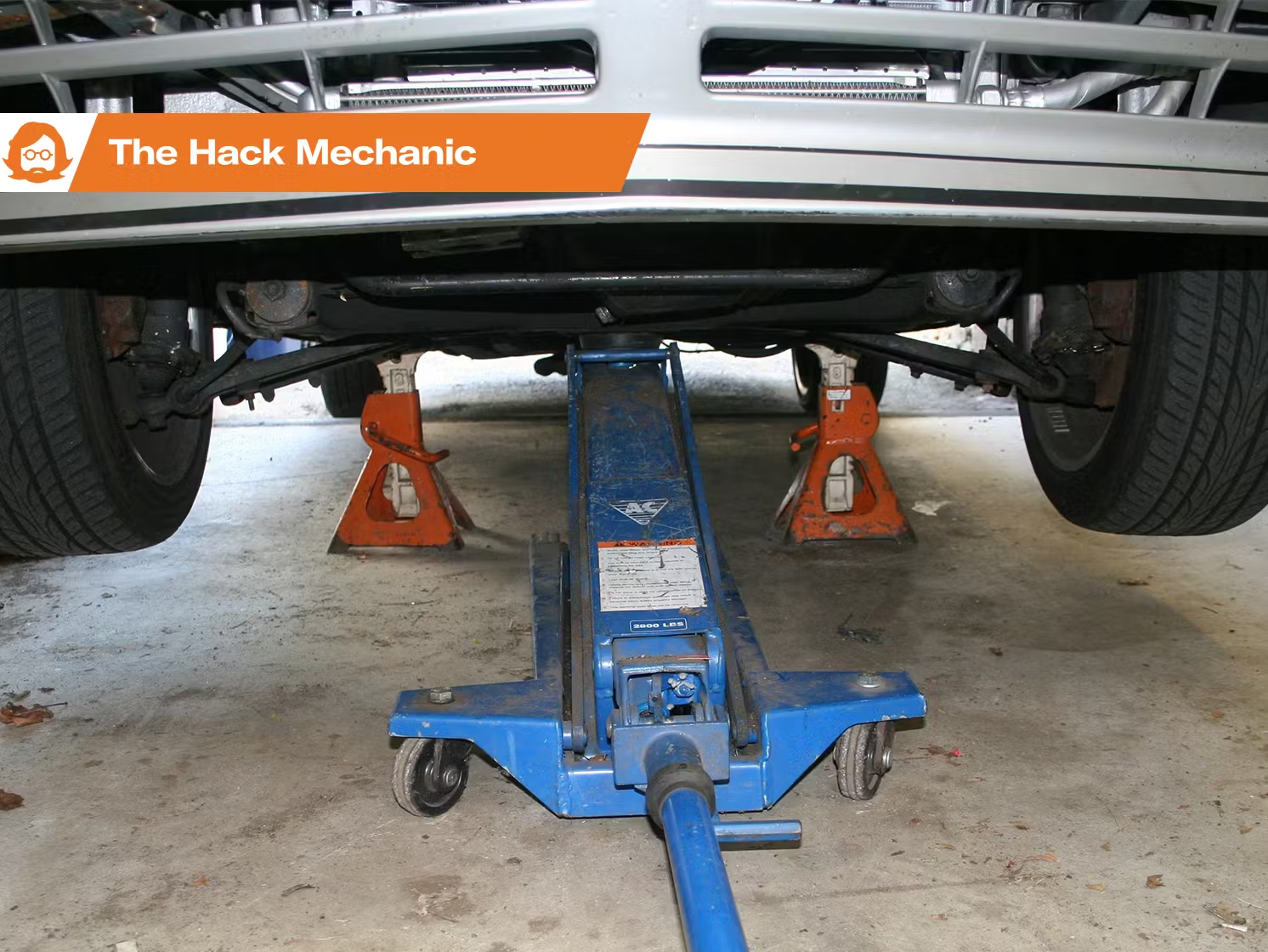
Place jack stands under strong parts of the vehicle frame. Look for manufacturer-recommended lift points. Avoid areas with weak or rusty metal. Set the stands on flat, solid ground to prevent slipping.
Securing The Vehicle On Stands
Lower the vehicle slowly onto the jack stands. Make sure the weight rests fully on the stands, not the jack. Adjust the height so both stands are level and snug against the vehicle. Lock the stands if they have a locking mechanism.
Double Checking Stability
Gently shake the vehicle to test stability. Confirm the stands do not move or tip. Recheck the ground surface under the stands for firmness. Never work under a car that feels unstable or wobbly.
Lowering The Vehicle
Lowering the vehicle safely is a critical step after using a floor jack and jack stands. It requires careful attention to avoid accidents or damage. Follow these simple steps to bring your vehicle down smoothly and securely.
Removing Jack Stands Safely
First, ensure the area around the vehicle is clear. Check that the floor jack is still supporting the vehicle. Slowly raise the vehicle a little with the floor jack. This action takes weight off the jack stands.
Now, carefully remove the jack stands from under the vehicle. Place them away from your workspace. Never rush this step. Make sure the vehicle is stable on the floor jack before moving the stands.
Lowering With Floor Jack
After removing the jack stands, slowly lower the vehicle using the floor jack. Turn the release valve gently. Lower the vehicle in small steps. Watch closely to avoid sudden drops. Stop if you feel any instability.
Keep lowering until the vehicle’s tires touch the ground fully. Make sure the floor jack is clear of any objects. Once the vehicle is down, remove the floor jack carefully.
Final Safety Checks
Check that all tools are removed from under the vehicle. Ensure the vehicle is stable and rests firmly on the ground. Test the parking brake for extra safety. Look around to confirm no objects are blocking the tires.
Double-check the work area before walking away. These final steps help prevent accidents and damage. Safety should always be your top priority.
Credit: www.roadandtrack.com
Common Mistakes To Avoid
Using a floor jack and jack stands requires care and attention. Many people make simple mistakes that can cause accidents or damage. Avoiding these common errors keeps you safe and protects your vehicle.
Overloading Equipment
Do not lift more weight than the jack or stands can handle. Check the weight limit on your tools. Overloading can cause the jack to fail or the stands to collapse. Always use equipment rated for your vehicle’s weight.
Ignoring Surface Conditions
Never place a jack or stands on uneven or soft ground. A flat, hard surface is best. Soft surfaces like dirt or grass can cause the tools to sink or tip over. Use a board under the jack on soft ground for extra support.
Skipping Safety Checks
Always inspect your floor jack and jack stands before use. Look for cracks, rust, or other damage. Test the jack’s lifting action before placing your vehicle on it. Double-check that the stands are locked securely before working under the car.
Maintenance Tips For Floor Jacks And Stands
Proper maintenance of floor jacks and jack stands ensures safety and extends their life. Regular care helps prevent accidents and costly repairs. Follow simple steps to keep your tools in top shape.
Regular Inspection
Check the floor jack and stands before each use. Look for cracks, rust, or any damage. Ensure the hydraulic system on the jack works smoothly. Test the jack stands for stability and locking mechanisms. Replace parts if you find wear or damage.
Cleaning And Lubrication
Remove dirt and debris after every use. Use a clean cloth to wipe all surfaces. Apply light oil to moving parts and hinges. Avoid over-lubricating to prevent dust buildup. Clean hydraulic seals gently to keep them flexible.
Storage Best Practices
Store floor jacks and stands in a dry place. Avoid areas with high humidity to prevent rust. Keep them on flat surfaces to avoid tipping. Cover the tools with a cloth to keep dust away. Store jacks in the lowered position to protect seals.
Credit: www.hagerty.com
Credit: www.powerbuilt.com
Frequently Asked Questions
How Do I Safely Position A Floor Jack?
Place the floor jack under the vehicle’s designated lifting points. Ensure the surface is level and stable. Always check the jack’s placement before lifting to avoid slipping or damage.
When Should I Use Jack Stands With A Floor Jack?
Use jack stands immediately after lifting your vehicle with a floor jack. They provide stable support during repairs and prevent accidents from jack failure.
What Is The Correct Way To Lower A Vehicle Safely?
Slowly release the floor jack’s pressure valve to lower the vehicle. Remove jack stands only after the vehicle is fully supported by the jack.
Can I Use A Floor Jack Without Jack Stands?
No, never rely solely on a floor jack. Jack stands are essential for safety during any work under the vehicle.
Conclusion
Using a floor jack and jack stands keeps your vehicle safe and steady. Always place the jack on a flat surface and lift slowly. Set the jack stands under strong points for support. Never rely on the jack alone to hold the car.
Double-check everything before working underneath. Practice these steps to build confidence and safety. Simple habits protect you and your vehicle from harm. Take your time and stay alert during the process. Safety first—every time.