Are your floors uneven or sagging? You might think it’s a big job, but learning how to properly jack up your floors can save you time and money.
Imagine walking into your home and feeling confident that your floors are stable and safe. In this guide, you’ll discover simple steps to lift and level your floors like a pro, even if you’ve never done it before. Keep reading, because the solution to your floor problems is easier than you think—and it starts right here.
Signs You Need To Jack Up Floors
Knowing the signs that your floors need jacking up is important. Sagging floors can cause many problems in your home. Early detection can save you money and prevent further damage. This section helps you spot those signs quickly and clearly.
Common Floor Sagging Issues
Floors that sag often feel uneven underfoot. You might notice dips or low spots in rooms. Doors and windows may stick or not close properly. Cracks can appear in walls or near baseboards. These are common signs that floors need support.
Detecting Structural Weakness
Structural weakness shows as creaking or bouncing floors. You may see gaps between floorboards or tiles. Sometimes, beams or joists can bow or crack. Look for visible signs of moisture or rot. These indicate a need to raise and reinforce your floors.
Credit: www.yourmechanic.com
Essential Tools And Materials
Properly jacking up floors requires the right tools and materials. Using the correct equipment makes the job safer and easier. It also helps avoid damage to your home. This section covers the essential tools you need before you start.
Types Of Floor Jacks
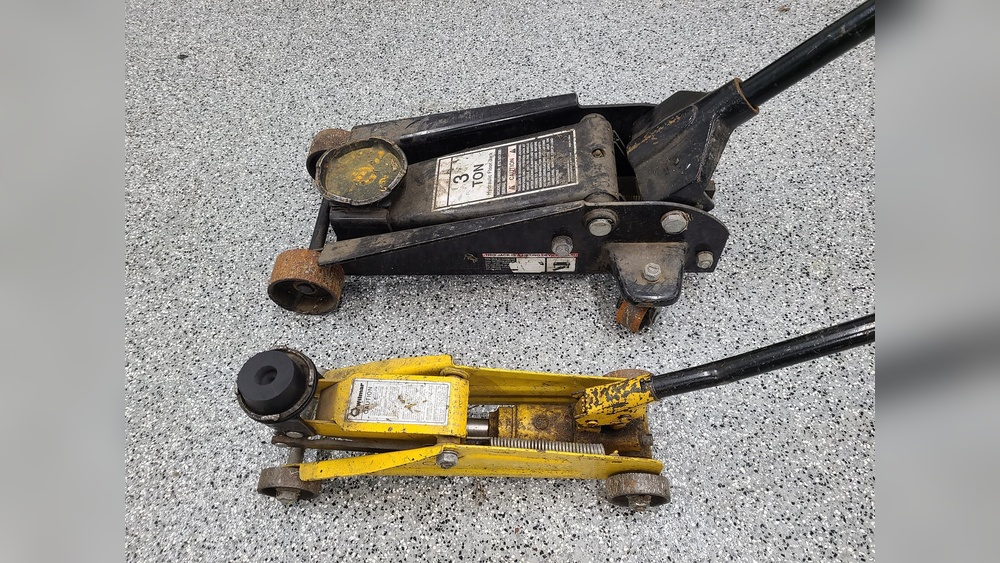
Floor jacks come in different styles. Bottle jacks are compact and strong. They work well in tight spaces. Hydraulic jacks offer smooth lifting and good control. Screw jacks provide steady support but need more effort. Choose a jack based on the floor type and weight.
Safety Gear And Supports
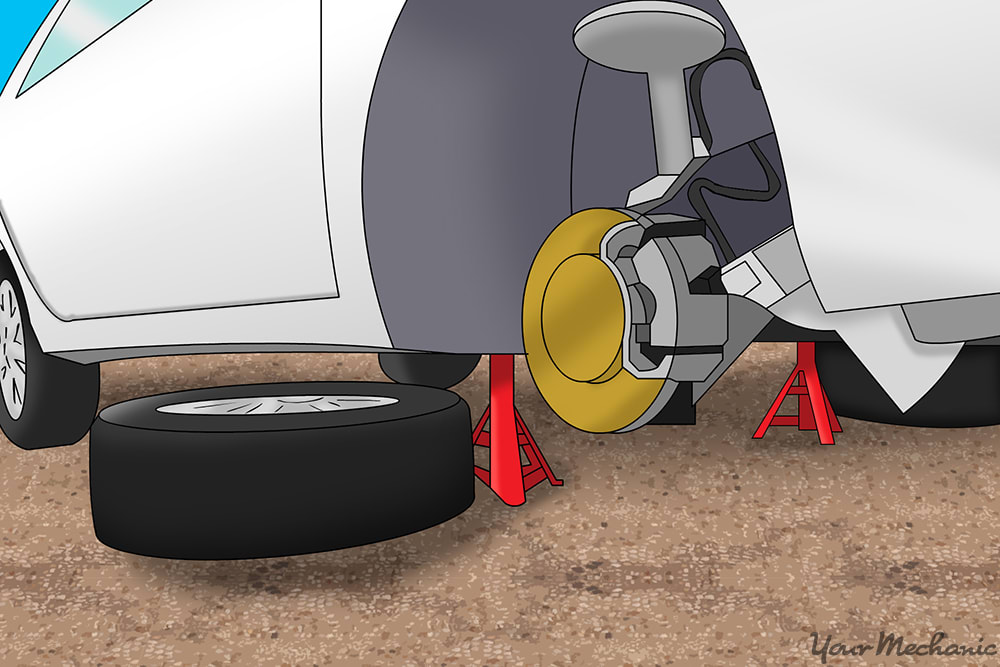
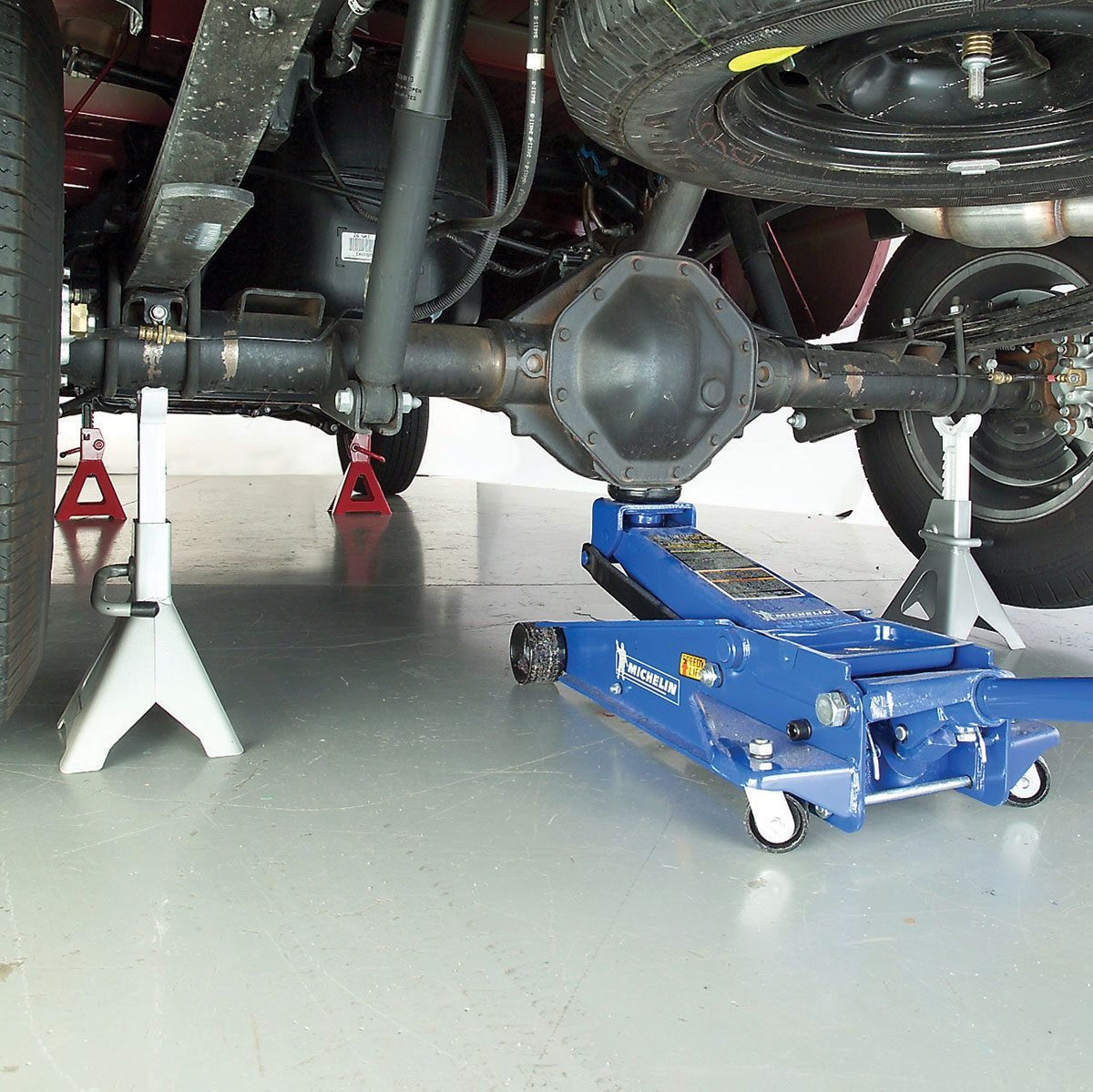
Safety gear protects you during the job. Wear gloves to avoid hand injuries. Use safety glasses to shield your eyes from dust and debris. Always use sturdy jack stands or wooden blocks to support the floor after lifting. Never rely on the jack alone to hold the weight.
Preparing The Area
Preparing the area is the first step before jacking up your floors. It ensures safety and success. Clear space and check the structure carefully. This helps avoid mistakes and accidents.
Take your time. A well-prepared area makes the job easier and safer.
Clearing The Workspace
Remove all furniture and items from the room. This creates a clear space to work freely. Clean the floor of dust and debris. A tidy area prevents slipping or tripping. Good lighting is important too. Use bright lights to see details clearly. Safety gear like gloves and goggles should be ready.
Assessing Floor Joists And Beams
Look under the floor to find joists and beams. Check their condition for cracks or rot. Strong joists support the floor better. Use a flashlight to see hidden spots. Mark weak or damaged areas clearly. Avoid placing jacks on these spots. Use solid, stable beams to lift the floor safely.
Step-by-step Jacking Process
Jacking up floors needs care and patience. Follow each step to avoid damage and ensure safety. This process helps fix uneven floors or prepare for repairs. Take your time and work slowly.
Positioning The Jack Correctly
Place the jack under a strong floor beam or joist. Avoid weak spots or damaged wood. The jack should stand firm on a solid surface like concrete or a sturdy board. Check that it sits straight and stable before lifting.
Lifting Floors Gradually
Raise the jack slowly, just a few millimeters at a time. Stop often to check the floor’s level and condition. Do not rush or lift too high at once. Small, steady movements prevent cracks and damage to the structure.
Securing The Raised Floor
Once the floor reaches the desired height, place strong supports under the joists. Use solid blocks or steel posts to hold the floor safely. Never rely only on the jack. Double-check stability before removing the jack.
Safety Precautions To Follow
Jacking up floors is a task that needs careful attention to safety. Mistakes can cause damage or injury. Follow clear safety steps to keep the work steady and safe.
Avoiding Overlifting
Do not lift the floor too high at once. Overlifting can crack walls or damage the structure. Raise the floor slowly and in small steps. Watch for any signs of stress or cracking. Stop immediately if you see damage. Gradual lifting keeps the floor balanced and secure.
Proper Use Of Temporary Supports
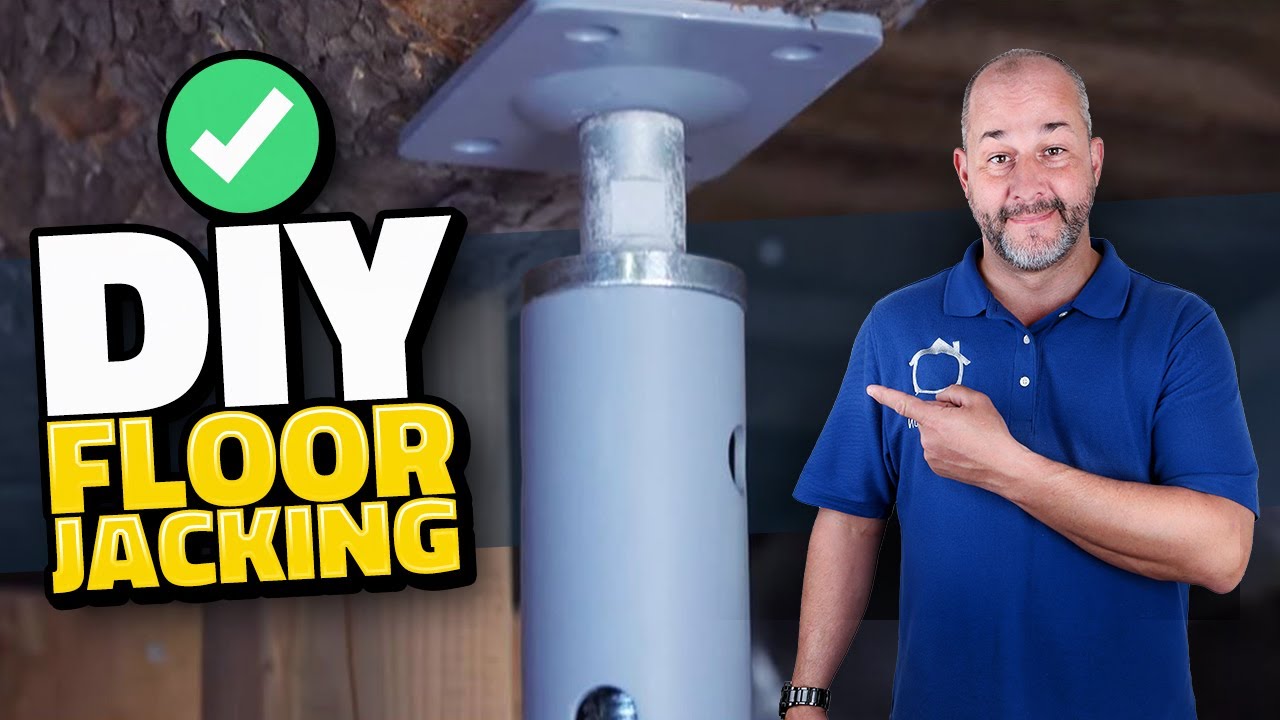
Use strong, stable supports to hold the floor after lifting. Place them under solid beams or joists. Do not rely on jacks alone for support. Make sure supports fit tightly and do not shift. Check supports often during the work. Proper supports prevent falls and keep the floor steady.
Credit: www.youtube.com
Common Mistakes To Avoid
Jacking up floors requires care and attention. Mistakes can cause damage or injury. Avoiding common errors makes the process safer and more effective. Knowing what to watch for helps you protect your home and yourself.
Ignoring Structural Assessments
Skipping a thorough check of your floor’s structure is risky. Floors may have hidden damage or weak spots. Assessing the condition first prevents further harm. A proper inspection shows where support is needed.
Failing to identify issues can lead to uneven lifting or collapse. Always examine beams, joists, and subflooring. This step ensures the jacks support the right areas.
Using Incorrect Equipment
Using tools not made for floor jacking causes problems. Wrong jacks can slip or break under pressure. Choose equipment designed for lifting floors or heavy loads.
Not having the right size or type of jack risks injury and damage. Strong, stable jacks keep the floor steady during lifting. Check your tools before starting the job. Proper equipment makes the work safer and easier.
When To Call A Professional
Knowing when to call a professional is crucial for safely jacking up your floors. Some problems are simple and can be fixed by homeowners. Others are complex and need expert help to avoid damage or injury.
Choosing the right time to seek professional help protects your home’s structure. It also saves time and money in the long run. Read on to learn about signs that show you need a professional’s touch.
Complex Structural Issues
Severe floor sagging or large cracks in walls point to complex problems. These may involve the foundation or support beams. Such issues require specialized tools and knowledge.
Professionals can assess the full extent of damage. They know how to stabilize floors without causing more harm. Attempting these fixes alone risks worsening the problem.
Ensuring Long-term Stability
Proper jacking up is not just about lifting floors temporarily. It is about making sure floors stay level for years. Professionals use precise methods to avoid future settling.
They also check for hidden damage like water leaks or termite infestation. Addressing these factors helps maintain the home’s safety and value. Trusting experts ensures a solid, lasting repair.
Credit: www.familyhandyman.com
Frequently Asked Questions
How Do You Safely Jack Up A Floor?
Use sturdy jacks and place them under strong beams or joists. Lift slowly and evenly. Always support lifted floors with solid blocks to prevent accidents.
What Tools Are Needed To Jack Up Floors?
You need a hydraulic or screw jack, a pry bar, wooden blocks, a level, and safety gloves. These tools ensure a safe and effective lifting process.
When Should You Consider Jacking Up Your Floors?
Jack up floors if you notice sagging, uneven surfaces, or structural damage. Early intervention prevents further deterioration and costly repairs.
How Much Can A Floor Jack Lift Safely?
Most floor jacks can lift between 5,000 and 20,000 pounds. Always check your jack’s rating and never exceed the maximum load.
Conclusion
Properly jacking up your floors helps keep your home safe and strong. Take your time and use the right tools. Always follow safety steps to avoid accidents. Check the floor’s level after lifting it carefully. Small fixes now can stop big problems later.
Stay patient and work steadily for best results. Your floors will feel solid and stable again. Keep these tips handy for future repairs. Simple steps make a big difference in floor care.