Have you ever faced the challenge of lifting a roof safely and efficiently? Whether you’re fixing damage or making space for new additions, knowing how to lift a roof with a floor jack can save you time and money.
In this guide, you’ll discover simple steps that anyone can follow, even if you’re not a professional. By learning the right techniques, you’ll protect your home and yourself from unnecessary risks. Keep reading to unlock practical tips that will make this tough job feel much easier—and get your roof lifted the right way.
Preparing For Roof Lifting
Preparing for roof lifting is an important step before using a floor jack. It ensures the job is safe and goes smoothly. Taking time to plan and check everything helps avoid problems later. This section covers three key areas to get ready for roof lifting.
Gathering Required Tools
Collect all tools needed for roof lifting first. A strong floor jack is the main tool. Also, have wooden blocks or steel plates to protect surfaces. Keep a measuring tape handy to check height changes. Use a level to keep the roof even. Have gloves and safety glasses for protection. Organize tools close to the work area.
Inspecting The Roof Structure
Look closely at the roof before lifting. Check for weak spots or damage in beams and joists. Make sure the roof can handle the lifting force. Find solid points to place the jack safely. Remove loose debris that could cause slips. Note any areas that may need extra support. This inspection prevents accidents and damage during lifting.
Ensuring Safety Precautions
Safety is key in roof lifting tasks. Wear protective gear like gloves, glasses, and a hard hat. Clear the area of people and pets. Use sturdy ladders or scaffolding to reach the roof. Set up warning signs if needed. Keep tools and materials organized to avoid trips. Always have a spotter or helper nearby. Follow safety rules to protect yourself and others.
Selecting The Right Floor Jack
Selecting the right floor jack is crucial for lifting a roof safely and effectively. The right tool ensures stability, prevents damage, and makes the job easier. Understanding the types, weight capacity, and suitability helps you pick the best floor jack for your project.
Types Of Floor Jacks
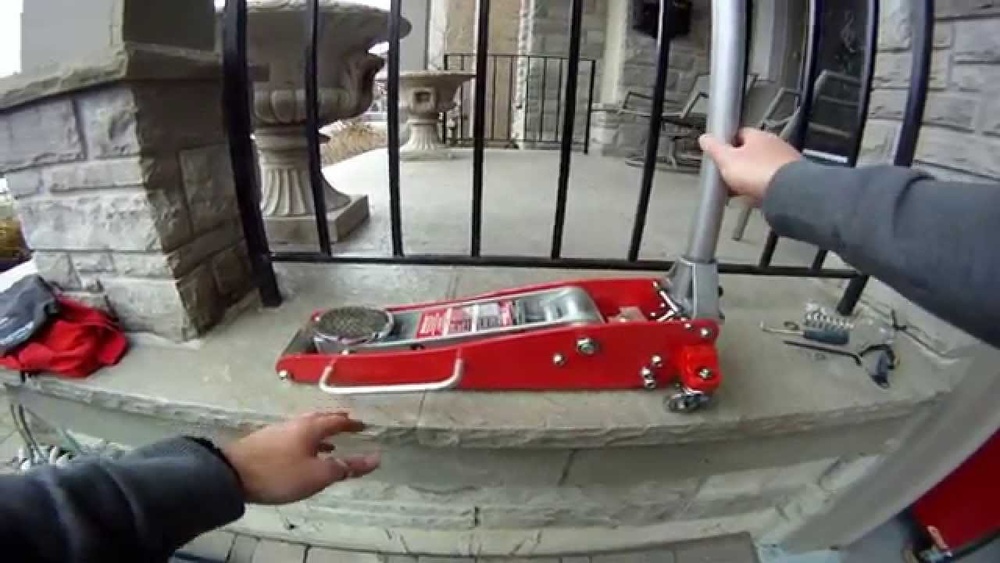
There are several types of floor jacks. Hydraulic jacks use fluid pressure for lifting heavy loads smoothly. Scissor jacks are smaller and rely on a screw mechanism. Bottle jacks are compact and use hydraulic pressure but have a small base. Choose a type that fits the lifting height and space you have.
Choosing Based On Roof Weight
Estimate the roof weight before selecting a jack. The jack must support the roof’s full weight safely. Roof weight depends on materials like wood, shingles, and metal. Use a jack that can handle more than the estimated weight for safety. Underestimating weight can cause accidents or damage.
Checking Jack Capacity
Each floor jack has a maximum weight capacity. Check this capacity before buying or renting. The capacity is usually marked on the jack or in the manual. Never exceed this limit during use. Choose a jack with a capacity higher than your roof’s weight. This ensures stability and safety during lifting.
Setting Up The Floor Jack
Setting up the floor jack correctly is the first step to safely lift a roof. This process requires careful placement and support. Proper setup ensures stability and prevents accidents. Follow these steps to prepare your floor jack for the job.
Positioning The Jack
Place the floor jack directly under the roof’s lifting point. The lifting point should be strong enough to hold the weight. Avoid soft or weak spots that may cause the jack to slip. Position the jack so the handle can move freely. This makes lifting easier and safer.
Securing The Jack Base
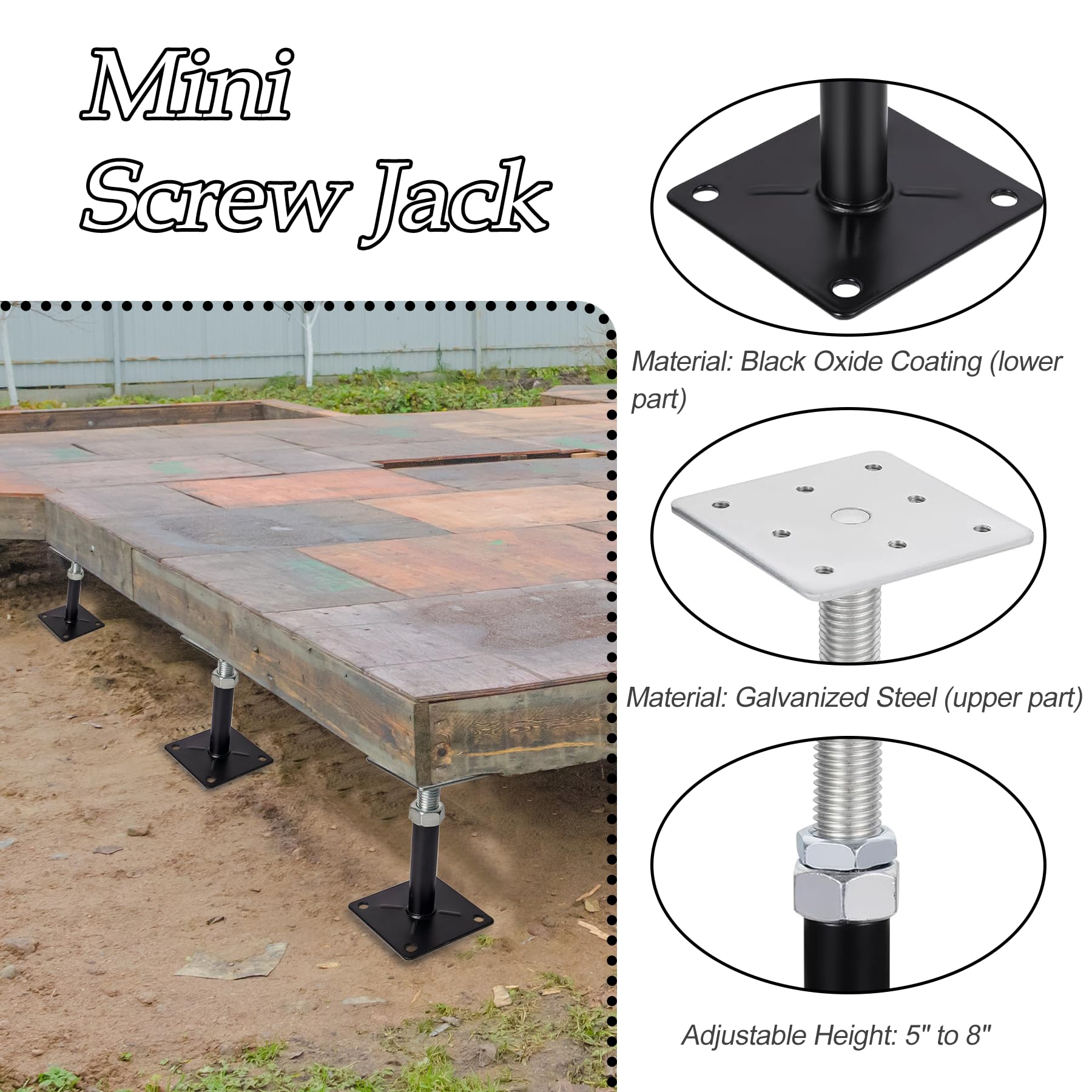
Check the floor surface where the jack sits. It must be flat and solid to support the weight. Use a sturdy board if the ground is uneven or soft. This spreads the load and prevents the jack from sinking. Make sure the jack base stays steady during lifting.
Using Support Blocks
Support blocks add extra safety when lifting the roof. Place them near the jack to catch the roof if the jack slips. Use strong wood blocks that fit tightly under the roof edge. Never rely only on the jack to hold the roof in place. Support blocks protect you and your work.
Credit: www.amazon.com
Lifting The Roof Step-by-step
Lifting a roof with a floor jack requires care and patience. Follow each step closely to keep the process safe and smooth. The key is to lift the roof slowly and watch how it moves. Adjust the jack as needed to keep everything steady. Here is a clear guide to help you lift the roof step-by-step.
Slow And Steady Pumping
Start pumping the floor jack slowly. Small, steady pumps work best. This helps avoid sudden shifts or damage to the roof. Take your time and watch how much the roof moves. Stop if you feel any resistance or hear strange noises. Slow pumping keeps the lift controlled and safe.
Monitoring Roof Movement
Keep your eyes on the roof as you lift. Look for any tilting, cracking, or uneven lifting. Use a level or a straight edge to check if the roof stays even. If the roof moves unevenly, stop immediately. Monitoring movement helps prevent damage and keeps the roof stable.
Adjusting Jack Placement
If the roof shifts or the jack feels unstable, adjust its position. Move the jack slightly to a stronger or more centered spot. Make sure the jack sits flat and firm on the ground. Proper placement spreads the weight evenly and supports the roof better. Check the jack often and reposition if needed.
Ensuring Stability During Lift
Ensuring stability during a roof lift is very important. A steady lift keeps the roof safe and prevents accidents. Use careful methods to avoid damage to your home and injury to yourself.
Using Temporary Supports
Place strong temporary supports under the roof. These supports hold the weight as you lift. Use wood or metal braces that fit tightly. Check them often for any signs of slipping or bending. Proper supports stop the roof from falling suddenly.
Checking For Structural Shifts
Watch the structure closely during the lift. Look for any movement in walls or beams. Small shifts can turn into big problems fast. Stop the lift if you see cracks or gaps. Fix these issues before continuing. Keeping the structure steady protects your home.
Maintaining Safety Zones
Keep a clear area around the lift site. Mark this zone with cones or tape. Only allow people involved in the lift inside. This space protects workers from falling tools or debris. A safe zone lowers the risk of accidents.

Credit: www.amazon.com
Lowering The Roof Safely
Lowering a roof safely after lifting it with a floor jack is crucial. Careless actions can cause damage or injury. Follow proper steps to control the descent and secure the structure. Each move should be slow and steady. Safety comes first during this process.
Controlled Release Techniques
Release the jack pressure slowly. Avoid sudden drops or fast movements. Use the jack’s release valve gently. Check the roof’s position often as it lowers. This prevents any unexpected shifts. Keep hands and feet clear of moving parts. Controlled release keeps the roof stable and safe.
Removing Supports Carefully
Supports hold the roof in place after lifting. Remove them one by one. Do this only when the roof rests securely on its frame. Use a helper to steady the roof if needed. Avoid pulling or forcing supports out. Gentle, careful removal prevents damage to the roof and structure.
Inspecting Roof Post-lift
After lowering, inspect the roof thoroughly. Look for cracks, gaps, or loose nails. Check the frame for any bends or breaks. Tighten any loose bolts or screws. Ensure the roof sits evenly on the walls. Early inspection avoids future problems and ensures safety.
Common Challenges And Solutions
Lifting a roof with a floor jack can be tough. Many challenges may arise that slow down your work or cause damage. Knowing common problems helps you work safer and faster. This section explains usual issues and easy solutions to keep the job smooth.
Dealing With Uneven Lifts
Uneven lifting causes the roof to tilt or shift. This can create unsafe conditions and damage the structure. Check the jack placement carefully before lifting. Use wooden blocks or steel plates to level the jack base. Lift slowly and watch the roof movement. Stop if you see any uneven rise. Adjust the jack or supports to keep the lift balanced and steady.
Handling Jack Malfunctions
Floor jacks can fail due to wear or poor maintenance. Common problems include slow lifting, leaking fluid, or stuck handles. Check the jack’s condition before use. Keep hydraulic fluid topped up and change it regularly. Clean the jack to remove dirt and rust. Test the jack with light loads to find issues early. Replace or repair faulty parts to avoid sudden failures during lifting.
Preventing Structural Damage
Roof lifting puts stress on wood and nails. This can cause cracks, splits, or loose connections. Support the roof frame with extra braces and beams. Lift the roof in small steps, not all at once. Stop to check for signs of damage after each lift. Use soft pads between the jack and roof to protect wood surfaces. Proper care keeps the structure safe and sound.

Credit: www.reddit.com
Maintenance Tips For Floor Jacks
Keeping your floor jack in good condition is important for safe roof lifting. Regular care helps the jack work smoothly and last longer. Follow simple maintenance tips to avoid problems and accidents.
Regular Inspection
Check your floor jack before each use. Look for cracks or damage on the frame. Make sure the lifting arm moves freely without sticking. Test the hydraulic system for leaks or slow lifting. Tighten any loose bolts or parts. Early checks prevent costly repairs later.
Lubrication And Cleaning
Clean dirt and dust from the jack after every use. Use a dry cloth to wipe the surface. Apply oil or grease to moving parts to reduce friction. Avoid over-lubricating, which can attract more dirt. Proper lubrication keeps the jack operating smoothly.
Storage Best Practices
Store the floor jack in a dry, clean place. Avoid damp or dusty areas that cause rust or damage. Lower the jack fully before storing to release pressure. Cover the jack with a cloth or plastic sheet to protect it. Good storage extends the jack’s life and readiness.
Frequently Asked Questions
How Do You Safely Lift A Roof With A Floor Jack?
To lift a roof safely, place the floor jack under a strong support beam. Pump the jack slowly and steadily. Use wooden blocks to distribute weight evenly. Never lift beyond the jack’s capacity. Always have extra help and safety gear.
What Tools Are Needed To Lift A Roof With A Floor Jack?
You need a sturdy floor jack, wooden blocks, safety gloves, and eye protection. Measuring tape and a level help ensure even lifting. Having a helper is also recommended for safety and stability.
Can A Floor Jack Lift A Whole Roof Structure?
A floor jack can lift sections of a roof, not the entire structure at once. Lift slowly and in small increments. Support the roof with temporary braces to prevent collapse during lifting.
How High Can You Lift A Roof With A Floor Jack?
Typically, a floor jack can lift up to 12-15 inches safely. For higher lifts, use additional supports and jacks. Always check the jack’s specifications and avoid overextending it.
Conclusion
Using a floor jack to lift a roof requires care and patience. Always check the jack’s position before lifting. Lift slowly and in small steps to avoid damage. Keep safety gear on to protect yourself. Remember, steady work gives the best results.
Follow the steps closely for a safe lift. This method can save time and money when done right. Take your time and stay focused throughout the process. You can handle this task with the right tools and care.