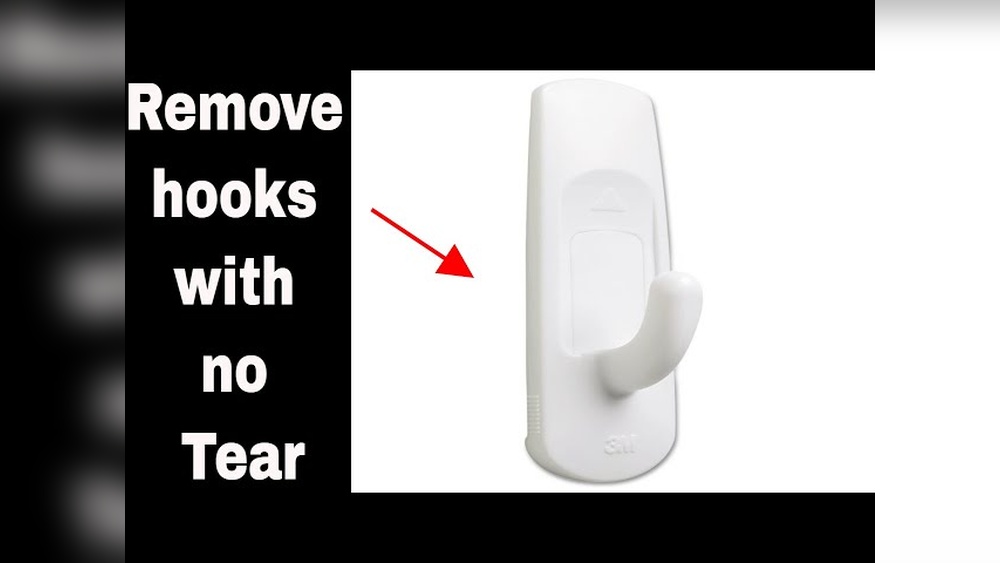
Have you ever stuck a hook on your wall, only to wonder how to remove it without damaging the paint or leaving a sticky mess behind? You’re not alone.
Removing stick-on hooks can be tricky, but with the right tips, you can get your walls looking clean and smooth again. You’ll discover simple, effective methods to take off those hooks easily and safely. Keep reading—you’ll be surprised how quick and stress-free this task can be!
Types Of Stick On Hooks
Stick on hooks offer a simple way to organize spaces without drilling holes. They come in different types, each with unique features. Understanding these types helps in choosing the right hook and removing it safely later.
Plastic Adhesive Hooks
Plastic adhesive hooks have a sticky back that sticks to walls. They are usually small and hold light items like keys or small decorations. The adhesive is strong but can sometimes leave residue. Removing them carefully helps protect the wall surface.
Command Strips
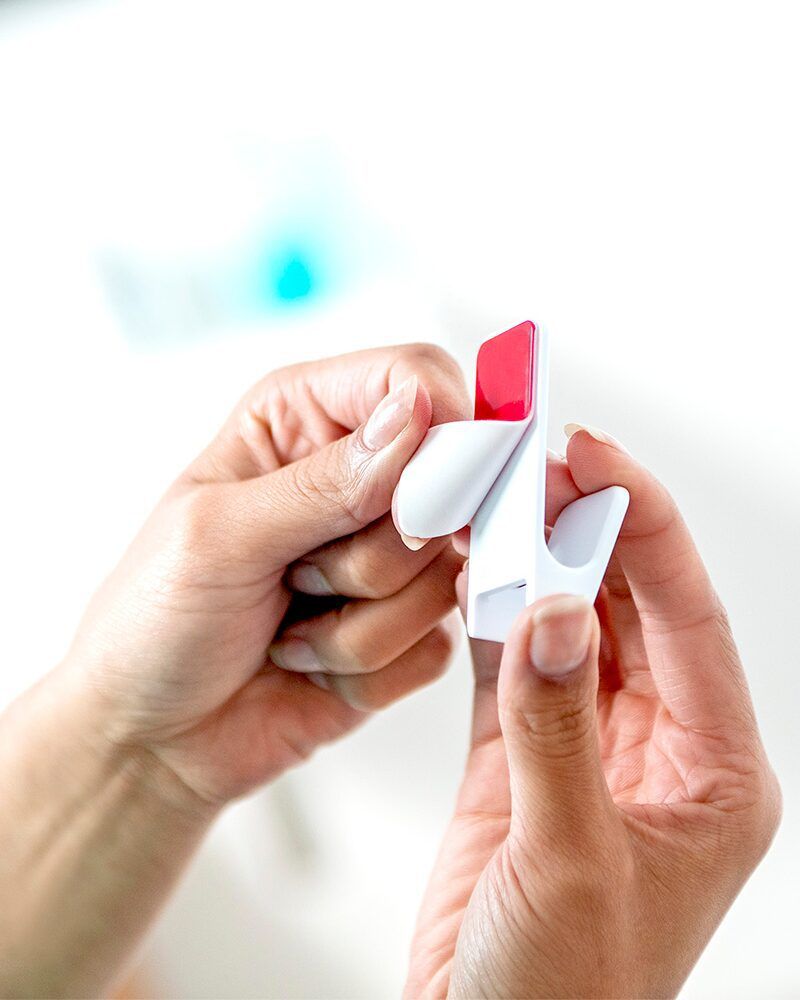
Command strips use a special adhesive that holds firmly but peels off cleanly. They come with strips that stretch to release the hook without damage. These hooks are popular for hanging pictures and heavier items. Their design focuses on easy removal and no wall marks.
Reusable Hooks
Reusable hooks use adhesives that can be washed and reapplied. They are great for temporary needs or moving hooks around. These hooks often use gel or silicone pads for sticking. They hold medium weight and avoid wall damage when removed properly.
Tools You’ll Need
Removing stick on hooks from walls needs a few simple tools. These tools help you avoid damage and clean the wall properly. Having the right items makes the job easier and faster.
Hair Dryer
A hair dryer softens the glue behind the hook. Warmth loosens the adhesive, making removal smooth. Use a low heat setting to protect your wall. Hold the dryer a few inches away for best results.
Dental Floss
Dental floss works like a thin cutting wire. Slide it gently behind the hook’s base. Saw back and forth to cut the glue layer. This method reduces wall damage and keeps paint intact.
Cleaning Supplies
After removing the hook, some glue may remain. Use mild soap and water to clean the wall. A soft cloth or sponge helps wipe away residue. Avoid harsh chemicals that can harm paint or wallpaper.
Step-by-step Removal Methods
Removing stick on hooks from walls can be tricky. Using the right method helps avoid damage. Follow these simple steps to remove hooks safely. Each method works well for different wall types and hook brands.
Using Heat To Loosen Adhesive
Heat softens the glue that holds the hook. Use a hairdryer on low heat. Hold it close to the hook for 30 seconds. This warms the adhesive and makes it easier to peel. Gently pull the hook away from the wall. Stop if you feel resistance. Heat again and try slowly.
Floss Technique For Gentle Removal
Dental floss works well to cut through adhesive. Slide a piece of floss behind the hook. Use a gentle sawing motion to go back and forth. The floss will separate the glue from the wall. Keep pulling gently until the hook releases. This method reduces wall damage.
Peeling Off Slowly
Slow peeling prevents wall paint from peeling off. Hold the hook base and pull upwards slowly. Keep the hook parallel to the wall. Pull steadily without quick jerks. Stop if the hook feels stuck. Wait a few minutes and try again. This method works best on smooth walls.
Credit: www.velcro.com
Tips To Avoid Wall Damage
Removing stick-on hooks can be tricky without hurting your walls. Many people face paint peeling, marks, or leftover glue. Use smart methods to keep walls safe and clean. These tips help avoid damage and make removal easier.
Avoiding Paint Peeling
Slow and steady is the best approach. Pull hooks gently at a low angle. Avoid yanking or quick movements. Warm the adhesive with a hairdryer first. Heat softens glue and reduces paint pulling. Test a small area before full removal.
Protecting Wall Surface
Place a plastic card behind the hook edge. This shields paint from direct pressure. Use soft cloth or sponge to clean after removal. Avoid harsh scrubbing that can scratch or peel paint. Keep walls dry and clean to prevent damage.
Handling Stubborn Residue
Use mild solutions like warm soapy water or vinegar. Apply with a soft cloth and rub gently. Avoid strong chemicals that harm paint or wallpaper. For tough glue, try rubbing alcohol sparingly. Always test on a hidden spot first.
Removing Residual Adhesive
Removing residual adhesive from walls can be tricky. Stick-on hooks often leave sticky marks behind. These marks attract dust and make walls look dirty. Cleaning them carefully protects your paint and wallpaper.
Different methods work well for different surfaces and adhesives. Gentle techniques help avoid damage. Try these easy ways to remove leftover glue safely.
Using Rubbing Alcohol
Rubbing alcohol dissolves sticky residue quickly. Dab some on a cotton ball or cloth. Gently rub the adhesive in small circles. The glue will start to break apart. Wipe away the softened residue with a clean cloth. Test a small area first to check for paint damage.
Applying Vinegar Or Oil
White vinegar and cooking oil can loosen glue. Vinegar’s acidity breaks down sticky bonds. Oil helps slide the residue off the wall. Soak a cloth in vinegar or oil. Hold it on the adhesive for a few minutes. Rub gently until the glue comes off. Clean the area afterward with soapy water to remove any oily film.
Commercial Adhesive Removers
Adhesive removers work on tough glue spots. Choose a product safe for your wall type. Apply a small amount to the sticky area. Let it sit according to the instructions. Use a soft cloth to wipe away the glue. Always test the remover on a hidden spot first. This prevents unwanted damage or discoloration.

Credit: www.youtube.com
Preventing Future Damage
Preventing damage to your walls is important when using stick on hooks. Walls can peel, chip, or get sticky marks if hooks are not chosen or used properly. Small steps before and after applying hooks help keep walls clean and smooth. Learning the right way saves time and money on repairs.
Choosing The Right Hooks
Select hooks made for your wall type. Some hooks suit painted walls, others work on tiles or wood. Check the weight limit of the hook. Using a hook that holds too much weight causes damage. Pick hooks with strong but gentle adhesives. These stick well without ruining paint.
Preparing Wall Surface
Clean the wall before putting on a hook. Use a soft cloth and mild cleaner to remove dust and oils. Dry the area completely. Do not apply hooks on wet or rough surfaces. Smooth surfaces help hooks stick better and reduce peeling. Avoid walls with loose paint or wallpaper.
Proper Hook Removal Techniques
Remove hooks slowly and carefully. Pull the adhesive strip straight down, not outwards. This prevents paint from peeling. If the hook is hard to remove, heat it with a hair dryer for a few seconds. Warm adhesive loosens and comes off easier. Clean leftover glue with rubbing alcohol gently.
Credit: www.youtube.com
Frequently Asked Questions
How Do I Safely Remove Stick On Hooks From Walls?
Gently pull the hook off by holding the base and stretching the adhesive tab. Avoid force to prevent wall damage. Use heat with a hairdryer if the adhesive is stubborn. Clean residue with rubbing alcohol after removal for a smooth finish.
Can Stick On Hooks Damage Painted Walls?
Yes, removing stick on hooks carelessly can peel paint or leave marks. Use slow, steady pulls and heat if necessary. Proper removal techniques protect your paint and prevent costly repairs. Always test removal methods on a small area first.
What Tools Help Remove Stick On Hooks Easily?
A hairdryer, dental floss, and rubbing alcohol are key tools. Heat softens adhesive, floss slides behind to separate hook, and alcohol cleans residue. These simple tools minimize wall damage and make removal quick and effective.
How To Remove Sticky Residue Left By Hooks?
Apply rubbing alcohol or adhesive remover to a cloth. Rub gently on the residue until it dissolves. Avoid harsh scrubbing to protect paint. This method cleans the wall without damage or staining.
Conclusion
Removing stick on hooks from walls does not have to be hard. Use gentle heat or slow pulling to avoid damage. Clean the wall with mild soap after removal. Patience helps keep your walls smooth and clean. Now, your walls look fresh without any marks.
Simple steps make a big difference in home care. Try these tips next time you need to remove hooks. Your walls will thank you for the careful touch.