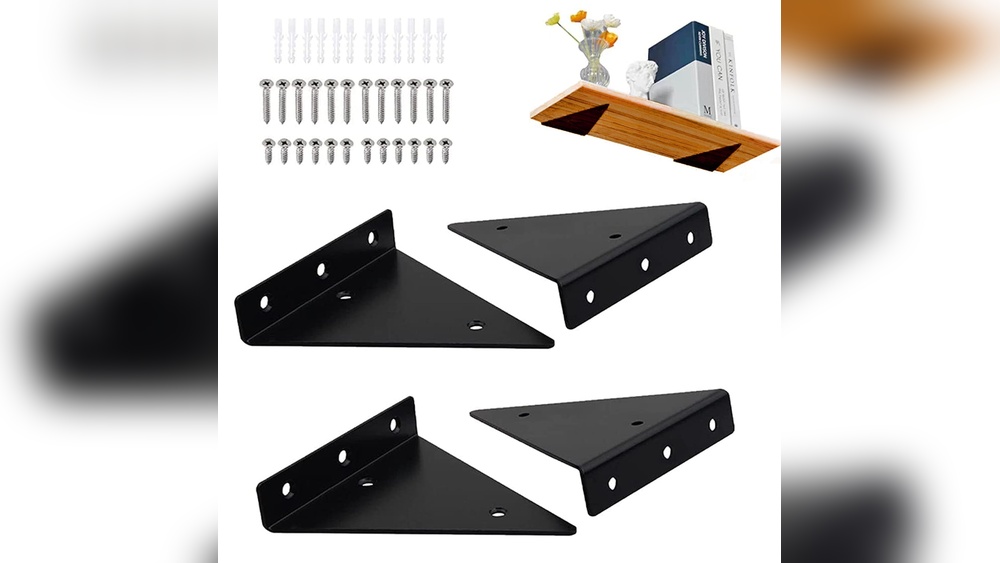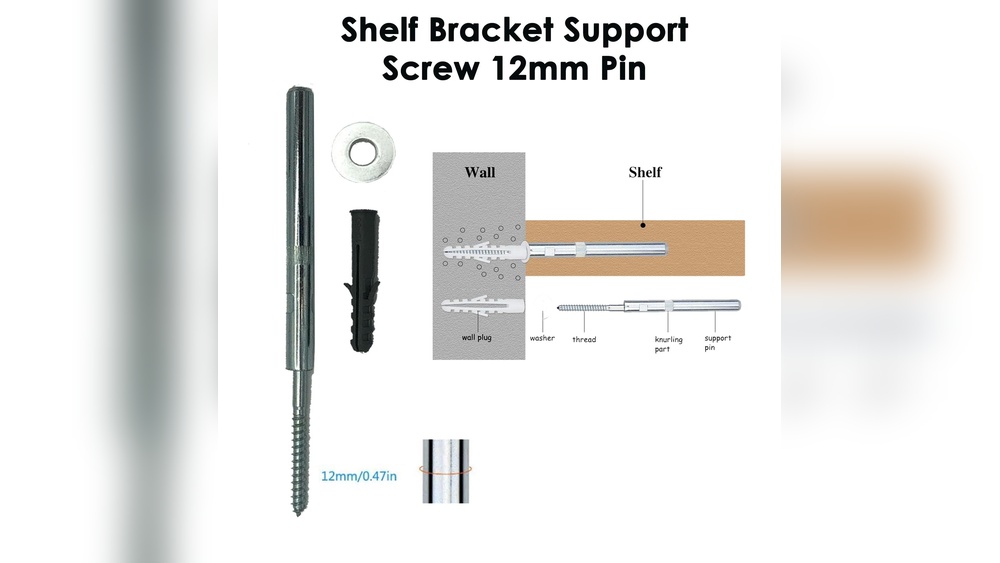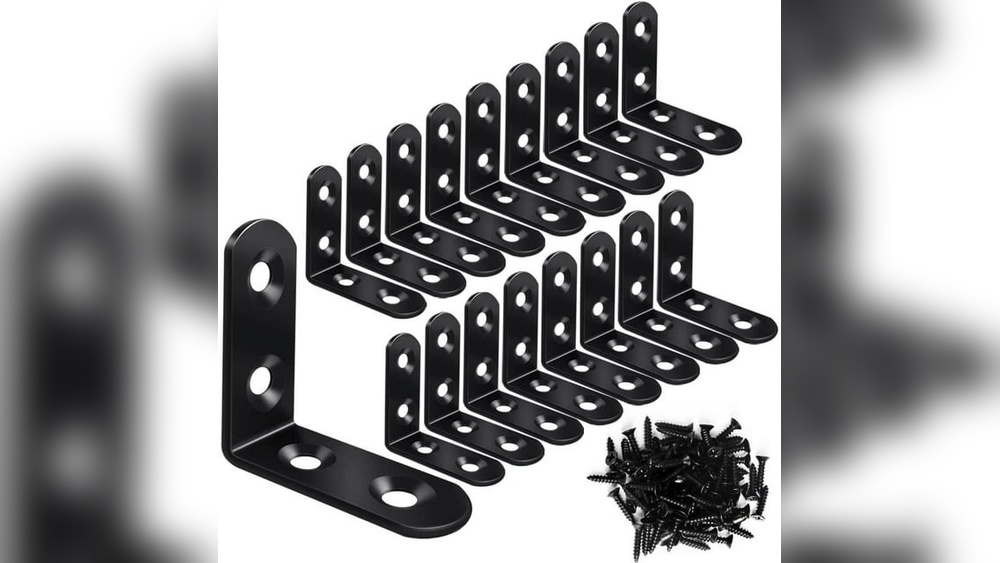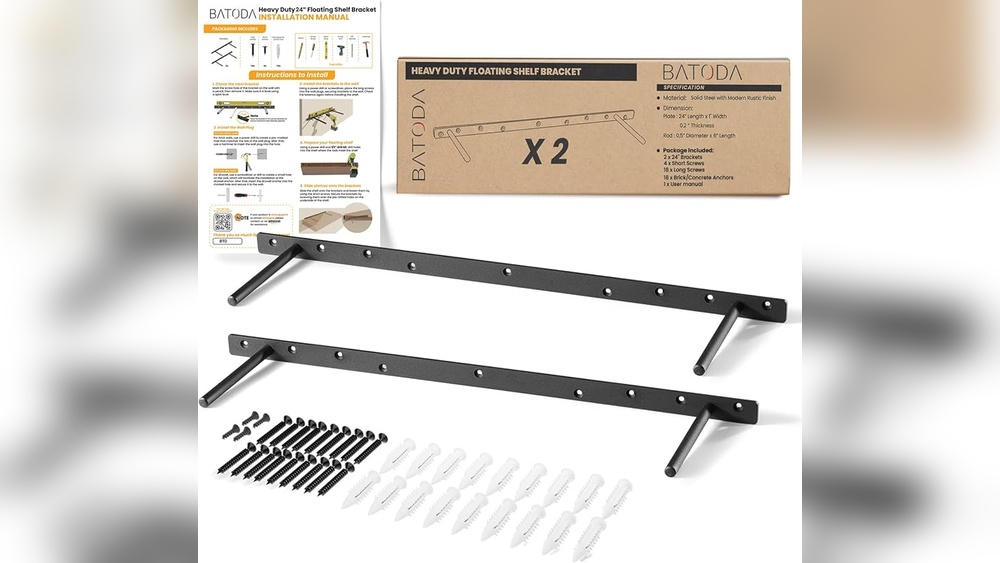
Are you wondering what size screw to use for your shelf bracket? Choosing the right screw might seem simple, but it’s actually key to keeping your shelves strong and safe.
The wrong size can lead to wobbly shelves or even damage your walls. You’ll discover exactly which screws work best for different types of brackets and walls. By the end, you’ll feel confident about picking the perfect screw to support your shelves securely.
Keep reading to avoid common mistakes and make your shelf installation a breeze.
Credit: www.bedbathandbeyond.com
Choosing The Right Screw Size
Choosing the right screw size for a shelf bracket is important for safety and durability. The right screws hold the shelf firmly and prevent it from falling. Using screws that are too small can cause the shelf to wobble or collapse. Screws that are too long may damage the wall or bracket. This guide helps find the perfect screw size for your shelf brackets.
Factors Affecting Screw Size
Material of the wall affects screw size. Drywall needs different screws than wood or concrete. The weight of the shelf and items on it matters too. Heavier loads require thicker and longer screws for support. The size of the bracket holes also limits the screw size. Choose screws that fit the holes well without being too loose or tight.
The type of screw head is important for a secure fit. Flat-head screws sit flush with the bracket surface. This prevents damage to the shelf or wall. Thread type affects grip strength. Coarse threads work better in drywall, while fine threads suit wood better.
Common Screw Sizes For Shelf Brackets
Most shelf brackets use screws sized between 8 and 12. Length usually ranges from 1.5 to 3 inches. For wood walls, 8 wood screws of 2 to 2.5 inches work well. For drywall, use anchors with 8 screws at 1.5 to 2 inches long. Concrete walls need masonry screws or anchors, often 10 or larger, about 2 to 3 inches long.
Check the bracket manufacturer’s instructions for recommended screw sizes. Using the suggested size ensures a strong hold. Always match screws to the wall type and shelf weight. This keeps shelves safe and sturdy for daily use.

Credit: www.amazon.com
Types Of Screws For Shelf Brackets
Choosing the right screw for your shelf brackets is important. Different screws work best for different wall types and materials. The right screw ensures the shelf stays secure and safe. Here are the common types of screws used for shelf brackets.
Wood Screws
Wood screws are ideal for wooden walls or studs. They have a sharp point to grip the wood tightly. These screws come in various lengths and thicknesses. Use wood screws for strong and stable shelf support.
Drywall Screws
Drywall screws are designed for drywall surfaces. They have a thin, sharp thread to penetrate drywall easily. These screws are not strong enough alone for heavy shelves. Pair them with anchors for better hold.
Masonry Screws
Masonry screws work well with brick, concrete, or stone walls. They have a tough, special design to cut into hard surfaces. Use masonry screws with a drill to make holes first. These screws provide a firm hold for heavy shelves.
Measuring Screw Length And Diameter
Choosing the right screw size is key for strong shelf support. Measuring the screw length and diameter helps you pick the best screws. This ensures the shelf bracket holds firmly on the wall and carries weight safely.
Understanding these measurements avoids damage to the wall or shelf. It also makes installation easier and more secure. Let’s explore how to measure screw length and diameter correctly.
Determining Screw Length
Screw length is the total part that goes into the wall and bracket. Measure from the screw tip to the head bottom. The screw must be long enough to go through the bracket and deep into the wall.
For drywall, choose screws that reach the studs behind. For concrete or brick, use anchors and longer screws for a firm hold. Too short screws risk a weak shelf. Too long screws can damage the wall or stick out.
Selecting Screw Diameter
Screw diameter is the thickness of the screw shaft. It affects how much weight the screw can carry. Thicker screws hold more weight but need bigger holes.
Match the screw diameter with the bracket holes. Check the bracket manual for recommended sizes. Using the wrong diameter can make the bracket loose or unstable. Choose screws that fit snugly without forcing them in.

Credit: www.lowes.com
Material Considerations
Choosing the right screw size for a shelf bracket depends greatly on the materials involved. Screws must fit both the bracket and the wall to hold weight safely. Material considerations help ensure strong, lasting shelves.
Different bracket and wall materials have different needs. Understanding these helps pick the correct screw size and type. This reduces damage and improves shelf stability.
Bracket Material Compatibility
Metal brackets need screws that match their holes and thickness. Steel or iron brackets often use thicker screws for strength. Aluminum brackets require screws that do not cause corrosion.
Wooden brackets work best with wood screws. These screws grip wood fibers tightly. Plastic brackets need screws designed to avoid cracking the material.
Wall Material Impact
Drywall requires anchors with screws to hold weight. The screw size depends on the anchor used. Concrete walls need masonry screws or anchors for secure fixing.
Brick walls also need heavy-duty anchors and screws. Wood walls allow direct screwing, but choose screws long enough to reach studs. This ensures strong support for your shelves.
Installation Tips For Secure Shelving
Installing shelf brackets correctly is key to strong, stable shelves. Using the right screws and techniques helps avoid damage and keeps shelves safe. Follow these simple tips for secure shelving that lasts.
Pre-drilling Holes
Pre-drilling holes makes screw installation easier and safer. It prevents wood from splitting and ensures screws go in straight. Use a drill bit slightly smaller than the screw diameter. Mark the spots where brackets will attach before drilling.
Using Anchors And Supports
Anchors add strength when attaching brackets to drywall or hollow walls. Choose anchors rated for the shelf’s weight. Insert anchors before screwing the bracket. For heavy loads, use wall studs or additional supports to increase stability.
Common Mistakes To Avoid
Choosing the right screw size for shelf brackets is important. Many people make common mistakes that weaken the shelf support. These errors can cause shelves to fall or damage the wall. Avoid these mistakes to keep your shelves strong and safe.
Using Incorrect Screw Size
Using screws that are too small can make the shelf unstable. Small screws may not hold the bracket firmly. Large screws can split the bracket or wall material. Choose screws that fit the bracket holes exactly. The length should be enough to anchor into the wall securely.
Ignoring Wall Type
Different walls need different screws. Drywall needs anchors or longer screws for support. Masonry walls require special masonry screws or plugs. Using the wrong screws for your wall weakens the hold. Always check your wall type before buying screws. This step keeps the shelf safe and steady.
Tools Needed For Installation
Installing shelf brackets requires the right tools to ensure a strong hold. Using proper tools makes the process easier and faster. It also helps avoid mistakes that can damage your wall or shelf. Below are essential tools you need for the job.
Screwdrivers And Drills
A screwdriver or drill is necessary to secure screws firmly. A drill with multiple speed settings works best for different surfaces. Use a screwdriver for small adjustments or tight spaces. Choose a drill bit size that matches the screw size. This prevents stripping and ensures a tight fit. Cordless drills offer more freedom of movement during installation.
Measuring And Marking Tools
Accurate measurement is key to level shelves and correct bracket placement. Use a tape measure to find the right height and distance. A pencil helps mark screw holes before drilling. A level ensures the shelf is straight and balanced. Marking tools reduce errors and save time during installation.
Frequently Asked Questions
What Size Screw Is Best For Shelf Brackets?
The best screw size for shelf brackets is typically 8 or 10. Length depends on wall type but usually 1. 5 to 2. 5 inches. This size ensures strong support and stability for most shelving needs.
How To Choose Screw Length For Shelf Brackets?
Choose screw length based on wall material. For drywall, use 2 to 2. 5 inches. For wood studs, 1. 5 to 2 inches works well. Proper length ensures the bracket anchors securely without damaging the wall.
Can I Use Smaller Screws For Shelf Brackets?
Smaller screws are not recommended as they may not support heavy loads. Use screws that match the bracket holes and wall type for safety. Proper screw size prevents shelf instability and potential accidents.
Are Wood Screws Better For Shelf Brackets?
Wood screws are ideal for mounting shelf brackets on wooden studs. They provide strong grip and durability. For drywall, use anchors with appropriate screws to ensure secure installation.
Conclusion
Choosing the right screw size ensures your shelf bracket holds strong. Use screws that fit the bracket holes and the wall type. Too small screws may cause the shelf to fall. Too large screws can damage the wall or bracket.
Always check weight limits and materials before fixing. A secure shelf keeps your items safe and your space neat. Simple steps make a big difference in shelf stability. Trust your measurements and tools for the best results.