When you’re setting up shelves, one question often pops up: should the bracket’s length be longer, or its width? This might seem like a small detail, but it can make a big difference in how strong and stable your shelves are.
Choosing the right bracket size can save you from sagging shelves or even accidents. If you want your shelves to hold your favorite books, decorations, or kitchen tools safely, understanding which dimension matters more is key. Keep reading, and you’ll discover simple tips to pick the perfect shelf bracket that fits your needs perfectly.
Shelf Bracket Basics
Shelf brackets are simple but important tools for supporting shelves. They hold the shelf and its load firmly against the wall. Choosing the right bracket size affects how strong and stable the shelf will be.
Understanding shelf brackets helps you pick the best type for your needs. It also ensures your shelves last longer and work better.
Purpose Of Shelf Brackets
Shelf brackets support the weight of shelves and their contents. They transfer the load to the wall. This prevents shelves from sagging or falling. Brackets keep shelves level and steady. They can also add style to a room.
Common Materials Used
Brackets come in many materials. Steel is strong and durable. It suits heavy loads and modern looks. Aluminum is lighter and resists rust. Wood brackets offer a classic, warm feel. Plastic brackets are cheap but less strong. Choose a material that fits your shelf use and design.

Credit: www.amazon.com
Length Vs Width Explained
Shelf brackets come in different sizes. The two main parts are length and width. Choosing the right size is important for strong shelves. Understanding length and width helps pick the best bracket. Each part plays a different role in support and stability.
Knowing what length and width mean will make it easier to choose. The size needed depends on the weight and size of the items on the shelf. Let’s explore these two dimensions and how they affect shelf strength.
Defining Length And Width
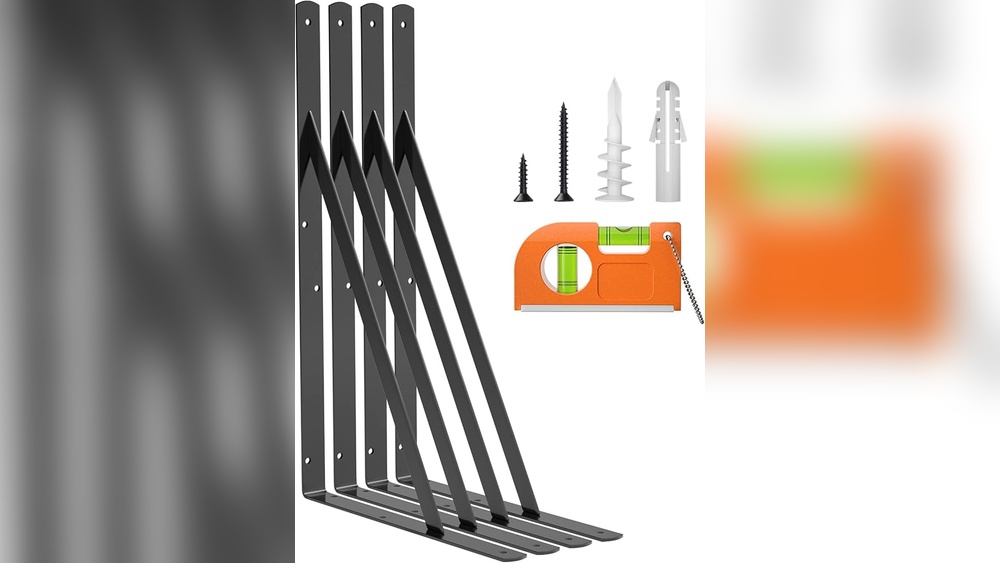
Length is the part of the bracket that goes from the wall outwards. It holds the shelf up from underneath. Width is the part that runs along the wall. It attaches the bracket firmly to the wall surface.
Length supports the shelf’s depth. Width supports the bracket’s hold on the wall. Both must work together to keep shelves safe and steady.
How Each Affects Shelf Support
Longer length gives better support for deep shelves. It stops the shelf from bending or sagging. But too long a length can cause the bracket to flex under heavy weight.
Wider width spreads the weight across a bigger wall area. It stops the bracket from pulling away from the wall. Wider brackets hold better on drywall or weak walls.
The best shelf brackets balance length and width. Enough length for shelf depth. Enough width for strong wall attachment. This balance keeps shelves safe and strong for daily use.
Factors Influencing Bracket Size
Choosing the right shelf bracket size depends on several important factors. These factors help decide whether the length or width of the bracket should be longer. Understanding these points ensures your shelf stays strong and stable.
Each factor affects the bracket size differently. It is key to match the bracket size with the shelf and wall type. Let’s explore the main factors that influence the bracket size.
Shelf Depth And Load Capacity
Shelf depth directly affects bracket length. A deeper shelf needs a longer bracket for support. The bracket should reach close to the shelf edge.
Load capacity also matters. Heavier items require stronger brackets. Longer brackets distribute weight evenly and reduce bending.
Short brackets work for light loads and shallow shelves. For heavy or deep shelves, choose longer brackets to keep stability.
Wall Type And Mounting Options
Wall material impacts bracket size and mounting method. Drywall, brick, or concrete each need different screws and anchors.
Stronger walls allow the use of longer brackets that hold more weight. Fragile walls might require shorter brackets and extra supports.
Mounting options also influence bracket width. Some brackets have adjustable arms for better fit and strength. Choose brackets designed for your wall type.

Credit: wallniture.com
Choosing The Right Length
Choosing the right length for shelf brackets is key to a strong shelf. The length affects how much weight the shelf can hold. It also impacts the shelf’s balance and safety. Picking the correct length helps avoid damage to walls and furniture.
Longer brackets give more support but need enough space. Short brackets fit smaller shelves but hold less weight. Knowing the shelf’s use helps decide the bracket length.
Weight Distribution Benefits
Longer brackets spread the weight better across the wall. This stops pressure points and reduces the chance of the shelf bending. Weight spreads evenly, protecting both the shelf and wall. This is important for heavy items or many objects on the shelf.
Impact On Shelf Stability
Stability improves with longer brackets as they support more surface area. This means less wobble and stronger hold. Short brackets may cause the shelf to tip or sag. A stable shelf keeps items safe and prevents accidents.
Determining Appropriate Width
Determining the right width for a shelf bracket is key to keeping your shelf steady. The width affects how well the bracket holds weight and fits your space. Choosing the right width helps your shelf last longer and hold heavier items safely.
Bracket Arm Strength
The arm strength depends on the bracket’s width. Wider arms spread the load better. This reduces bending and stress on the bracket. A narrow arm may bend under heavy weight. Stronger arms support heavier shelves and items. Always match bracket width to the weight you plan to hold.
Space Constraints Considerations
Space around the shelf limits the bracket width. A wide bracket may not fit in tight spaces. Narrow brackets work well for small or narrow shelves. Measure the available space before choosing width. Pick a bracket that fits without blocking doors or walkways. Balance width with the room you have to avoid problems.
Expert Recommendations
Experts suggest choosing the right shelf bracket size for safety and style. The length and width affect how much weight a shelf can hold. A good balance between these two dimensions is important. This ensures the shelf stays strong and looks neat.
Ideal Length-to-width Ratios
The length of the bracket should usually be longer than its width. A common ratio is about 4:1 or 5:1. For example, a bracket 20 inches long might be 4 or 5 inches wide. This ratio supports the shelf well without bending. A wider bracket alone does not add much strength. Length helps hold the shelf steady, especially under heavy loads.
Tips For Different Shelf Uses
For heavy items, choose longer brackets with strong materials. This gives more support and reduces sagging. For lighter items or decorative shelves, shorter brackets work fine. Wider brackets can help keep the shelf stable but do not replace length. In kitchens or garages, pick brackets that suit the shelf size and items stored. Proper bracket size keeps shelves safe and long-lasting.
Installation Best Practices
Installing shelf brackets properly ensures safety and durability. The right method prevents damage and holds weight well. Focus on correct placement and secure fixing for the best results.
Proper Bracket Placement
Place brackets evenly along the shelf length. The wider the shelf, the more brackets you need. Keep brackets close to wall studs for strong support. Avoid placing brackets too far from each other. This stops the shelf from sagging under weight.
Securing Brackets For Maximum Support
Use strong screws that fit the bracket holes well. Drill pilot holes to prevent wood from splitting. Tighten screws firmly, but do not over-tighten. Check that brackets sit flush against the wall. This keeps shelves stable and safe to use.
Common Mistakes To Avoid
Choosing the right shelf bracket length and width is important. Many make mistakes that reduce shelf safety and strength. Knowing these errors helps you build better shelves. Avoid these common pitfalls to keep your shelves stable and long-lasting.
Overloading Shelves
Putting too much weight on shelves is a big mistake. Even strong brackets can bend or break if overloaded. Always check the weight limit of your bracket. Use longer or wider brackets for heavier items. This spreads the weight and prevents damage.
Ignoring Wall Material Limits
Wall type affects bracket strength. Drywall alone cannot hold heavy shelves. Brackets need to attach to studs or solid surfaces. Using anchors made for your wall material is key. Ignoring this can cause shelves to fall and cause damage.

Credit: www.amazon.com
Frequently Asked Questions
Should Shelf Bracket Length Be Longer Than Width?
Shelf bracket length should be longer than width. Length supports the shelf depth, while width stabilizes side-to-side movement. A longer length ensures better weight distribution and prevents sagging, making the shelf more durable and functional.
How Does Bracket Length Affect Shelf Stability?
Bracket length directly impacts shelf stability by supporting the shelf’s depth. Longer brackets provide stronger support for heavier items. Short brackets may cause shelves to tilt or collapse under weight, so choosing the right length is crucial for safety and durability.
Is Width Or Length More Important For Shelf Brackets?
Length is generally more important than width for shelf brackets. Length supports the shelf depth and weight capacity. Width mainly prevents side-to-side sway. Both matter, but length plays the key role in holding and stabilizing the shelf.
Can A Short Bracket Hold Heavy Shelves Safely?
Short brackets often can’t hold heavy shelves safely. They provide less support and increase stress on mounting points. Longer brackets distribute weight better and reduce the risk of shelf failure, especially with heavier loads.
Conclusion
Choosing the right shelf bracket size matters for strength and balance. Length usually supports the shelf better than width. A longer bracket holds weight and stops sagging. Width helps with wall stability but plays a smaller role. Think about what you want to place on the shelf.
Heavy items need longer brackets for safety. Measure the space carefully before buying brackets. Simple steps lead to sturdy and lasting shelves. A good bracket makes your shelf work well and look neat.