If you’ve ever tried to remove the pad on your Lincoln floor jack, you know it can be tricky. But don’t worry—this guide will walk you through the simple steps to get it done quickly and safely.
Whether you’re replacing a worn-out pad or just doing some maintenance, understanding how to remove it properly can save you time and frustration. Keep reading, and you’ll have your floor jack ready to work like new in no time.
Tools Needed
Removing the pad on your Lincoln floor jack needs the right tools. Using correct tools makes the job easier and safer. Prepare all items before starting. This saves time and avoids frustration.
Basic Tools
You will need a few simple tools. A wrench set is important to loosen bolts. A screwdriver helps with screws holding the pad. Pliers come handy for gripping parts. Keep a clean cloth nearby to wipe dirt.
Safety Gear
Safety is key during the process. Wear gloves to protect your hands from sharp edges. Safety goggles keep dust and debris out of your eyes. Closed-toe shoes protect your feet from falling tools. Work in a well-lit area to see clearly.
Preparing The Floor Jack
Preparing your Lincoln floor jack before removing the pad is an important step. It helps to work safely and avoid damage. You need to clean the jack and position it correctly. These simple tasks make the pad removal easier and smoother.
Cleaning The Jack
Start by wiping off dirt and grease from the jack. Use a clean cloth or rag for this job. Dirt can block parts and cause problems during removal. Cleaning also helps you see the pad and its attachments clearly. Take time to remove any stuck grime around the pad area.
Positioning For Removal
Place the floor jack on a flat, stable surface. This keeps the jack steady and prevents slipping. Lower the jack fully so the pad is accessible. Make sure the jack handle is out of the way. Proper positioning gives you good control while removing the pad.
Removing The Pad
Removing the pad from your Lincoln floor jack is a simple task. It helps keep the jack clean and working well. Removing the pad also allows you to replace it if it is worn out or damaged.
Follow clear steps to take off the pad safely. Use the right tools and work carefully to avoid damage. Below is how to find and detach the pad easily.
Locating The Pad
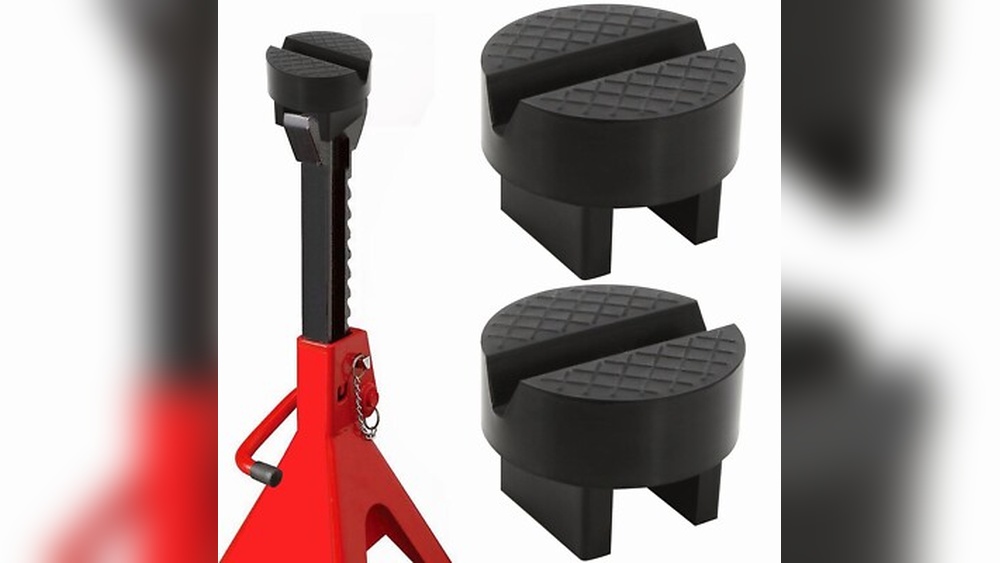
The pad sits on the jack’s lifting arm. It is the part that touches the car. Usually, it is made of rubber or a soft material. Look for a round or square piece on top of the jack’s saddle. This pad can be fixed with clips, screws, or glued in place.
Detaching The Pad
Check how the pad is attached. If there are screws, use a screwdriver to remove them. For clips, gently press or pull to release the pad. If glued, carefully pry the pad up with a flat tool. Do this slowly to avoid damage.
After removal, clean the area before placing a new pad. This keeps the jack safe and stable during use. Always handle parts with care for a long-lasting floor jack.

Credit: www.ebay.com
Inspecting The Pad And Jack
Before removing the pad on your Lincoln floor jack, start by inspecting both the pad and the jack itself. This step helps you understand the condition of the parts. It also shows if any repairs or replacements are needed. Careful inspection ensures safe and effective use of your floor jack. Let’s break down the key points of this process.
Checking For Damage
Look closely at the pad’s surface. Check for cracks, tears, or deep wear. These signs mean the pad may not hold the load safely. Also, inspect the jack’s lifting arm and saddle. Look for rust, bends, or other damage. Any damage can affect the jack’s performance and safety. Use a flashlight for a better view if needed.
Assessing Replacement Needs
Decide if the pad needs replacement. If the pad is cracked or worn out, replace it immediately. A damaged pad can slip during use. Check if the jack’s metal parts are still strong and clean. Rust or bent parts may need repair or replacement. Keeping both parts in good shape protects your vehicle and yourself.
Installing A New Pad
Installing a new pad on your Lincoln floor jack is important for safe lifting. A fresh pad protects your vehicle and the jack itself. The process is simple and only takes a few minutes.
Choosing the right pad ensures the jack works well and lasts longer. Attaching it correctly keeps it secure during use. Follow these steps carefully to install a new pad with ease.
Selecting The Right Pad
Choose a pad that fits your Lincoln floor jack model. Check the size and shape to match the old pad. Use pads made from durable rubber for good grip and protection. Avoid pads that are too soft or too hard. A proper pad prevents damage to your vehicle’s frame.
Attaching The New Pad
Place the new pad on the lifting arm of the jack. Align it so the holes or grooves match the jack’s surface. Press the pad firmly to secure it in place. Some pads snap on, while others need screws. Tighten screws if your pad uses them, but do not overtighten.
Test the pad by pressing down lightly. It should stay firmly without slipping. Now your Lincoln floor jack is ready for safe use.

Credit: www.ebay.com
Testing The Floor Jack
Testing the floor jack after removing the pad is important for safe use. It helps confirm the jack works correctly and supports the load. This step keeps you safe and protects your vehicle during lifting.
Ensuring Stability
Place the floor jack on a flat, solid surface. Check that it does not wobble or tilt. Try lifting a small weight to see if it stays steady. Stability is key to avoid accidents.
Performing A Safety Check
Inspect all parts for damage or wear before use. Look for leaks, cracks, or loose components. Test the release valve to ensure smooth operation. Proper function prevents sudden drops or failures.
Maintenance Tips
Proper care keeps your Lincoln floor jack safe and working well. Regular maintenance helps avoid costly repairs and extends the jack’s life. Focus on cleaning and knowing when to replace the pad. These simple steps keep your tool ready for use.
Regular Cleaning
Clean the pad after every use. Dirt and grease build-up can damage the pad and the jack. Use a soft cloth with mild soap and water. Avoid harsh chemicals that can weaken the pad material. Dry the pad completely before storing the jack. This prevents rust and keeps the pad in good shape.
Pad Replacement Frequency
Check the pad for cracks or wear often. Replace the pad if it shows signs of damage or thinning. A worn pad can slip and cause accidents. Generally, replace the pad every 6 to 12 months with regular use. More frequent checks are needed if the jack is used on rough surfaces. Keeping the pad in good condition ensures safety and proper lifting.

Credit: www.gen5diy.com
Frequently Asked Questions
How Do I Safely Remove The Pad On My Lincoln Floor Jack?
To remove the pad safely, first ensure the jack is lowered and stable. Use a wrench to unscrew the bolts securing the pad. Gently lift off the pad without forcing it to avoid damage.
What Tools Are Needed To Remove The Lincoln Floor Jack Pad?
You typically need a wrench or socket set to remove the pad bolts. Having a flathead screwdriver can help pry the pad if it’s stuck. Always check your jack’s manual for specific tool recommendations.
Can I Replace The Pad After Removing It From The Jack?
Yes, you can replace the pad with a compatible Lincoln floor jack pad. Ensure the new pad fits your model for proper safety and function. Reattach it securely with bolts to prevent slipping during use.
Why Would I Need To Remove The Pad From My Floor Jack?
Removing the pad is necessary for cleaning, maintenance, or replacement. It helps maintain the jack’s grip and prevents damage to your vehicle. Regular pad checks ensure safe lifting performance.
Conclusion
Removing the pad on your Lincoln floor jack is simple with the right steps. Start by loosening the bolts carefully. Keep the parts organized to avoid confusion later. Take your time and work safely. This task helps maintain your jack and keeps it working well.
Now, you can replace or clean the pad as needed. Regular care extends the life of your floor jack. Try these steps next time you need to remove the pad. You’ll find it easier than you thought.


