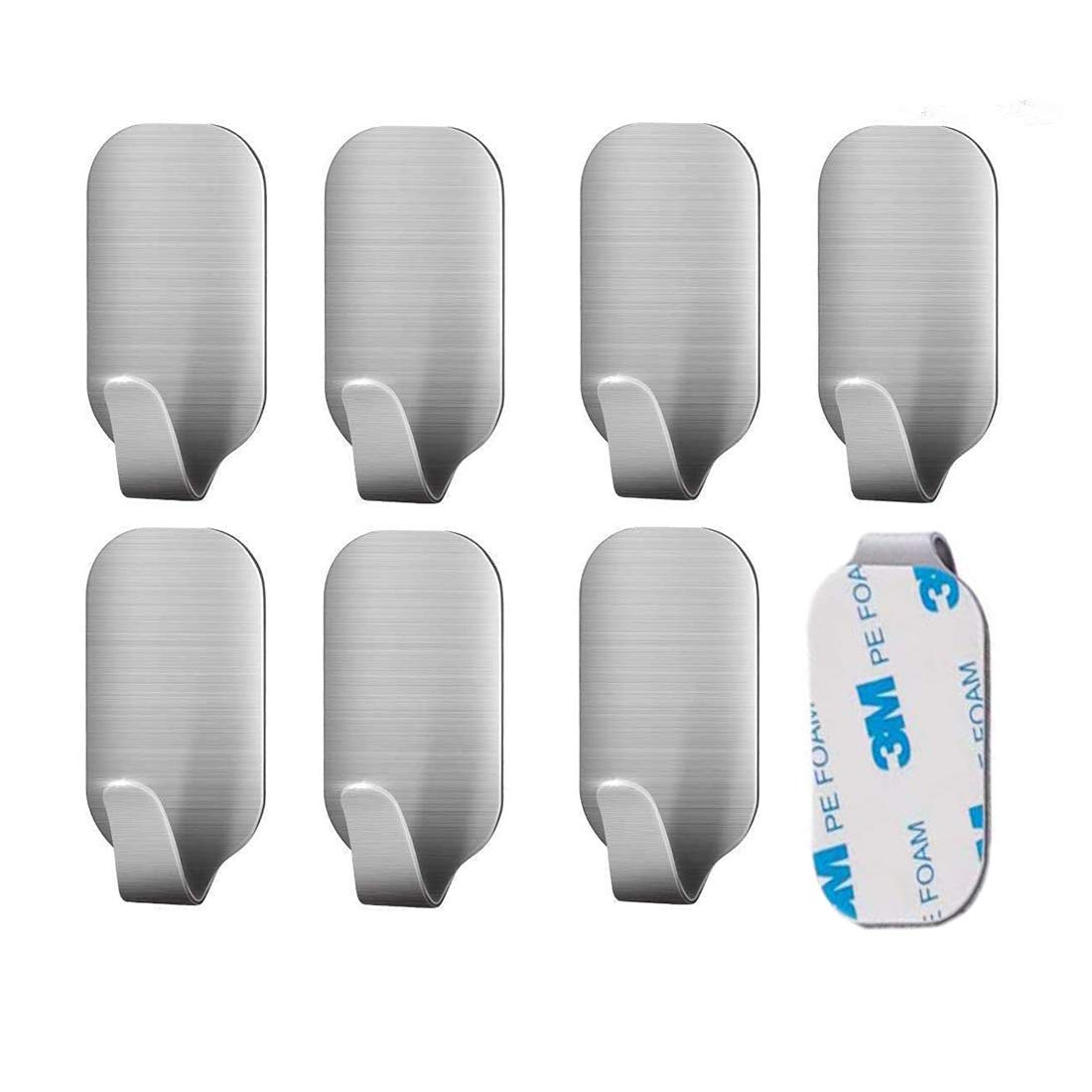
Are you tired of drilling holes in your walls every time you need a hook? Sticking wall hooks offer a simple and damage-free solution, but getting them to stick right can be tricky.
If your hooks keep falling off or won’t hold the weight, you’re not alone. In this guide, you’ll discover easy steps to make your wall hooks stay put securely. Keep reading, and you’ll learn the secrets that ensure your hooks stay strong, helping you organize your space without frustration.

Credit: www.youtube.com
Choosing The Right Wall Hooks
Preparing the wall surface is the first step to stick wall hooks properly. A clean, smooth surface helps the hooks stick better and stay longer. Taking time to prepare the wall ensures strong hold and prevents damage. Follow these steps to get the wall ready for your hooks.
Cleaning And Drying The Area
Start by cleaning the wall where you want to place the hook. Use a damp cloth or sponge with mild soap to remove dirt and dust. Dirt can stop the adhesive from sticking well. After cleaning, dry the area completely with a dry cloth. Moisture weakens the bond between the hook and wall.
Removing Old Adhesives
Old tape or sticky residues can block new adhesives. Peel off any old hooks or tape carefully. Use rubbing alcohol or adhesive remover to clean leftover sticky spots. Wipe the area clean and let it dry. This helps the new hook stick firmly without slipping.
Checking For Damage Or Paint Issues
Look closely for cracks, holes, or peeling paint on the wall. These problems affect the hook’s grip. Fix small holes with wall putty and sand smooth after drying. Avoid placing hooks on loose or damaged paint. A stable surface keeps the hook steady and safe.
Credit: hasthip.com
Preparing The Wall Surface
Installing hooks on different wall types needs different care. Each surface holds the hook differently. Knowing how to handle each wall helps hooks stay secure and last longer.
Here are simple steps for painted drywall, tile, glass, wood, and plaster walls.
Applying Hooks On Painted Drywall
Clean the wall surface with a dry cloth. Remove dust and dirt.
Peel the backing off the hook’s adhesive strip. Press the hook firmly on the wall. Hold for 30 seconds to ensure good contact.
Wait an hour before hanging items. This lets the adhesive set properly.
Mounting Hooks On Tile And Glass
Wipe the tile or glass with rubbing alcohol. This removes grease and moisture.
Do not use water or soap, as they weaken adhesion. Press the hook hard onto the surface. Hold for 30 seconds.
Leave the hook untouched for 1-2 hours. This improves stickiness on smooth surfaces.
Using Hooks On Wood And Plaster
Dust the area with a soft cloth. Make sure the surface is dry.
Apply the hook and press firmly. Hold for at least 30 seconds.
Wait 60 minutes before placing weight on the hook. This time helps the adhesive bond well on porous surfaces.
Installing Hooks On Various Walls
Maximizing adhesive strength is key to making stick wall hooks hold firmly. Proper preparation and care help the adhesive bond better. This means the hook stays put and supports weight well.
Small steps can improve the stickiness. Follow guidelines on temperature, pressing, and curing time. These details make a big difference in how strong the hook sticks.
Optimal Temperature And Humidity
Apply stick wall hooks in a room between 60°F and 80°F (15°C to 27°C). Too cold or too hot can weaken the adhesive. Avoid humid places like bathrooms or kitchens. Moisture can stop the glue from sticking well.
Pressing And Holding Techniques
After placing the hook, press it firmly against the wall. Hold it for at least 30 seconds. This pushes air out and helps glue bond tightly. Use even pressure across the hook’s base for best results.
Curing Time Before Use
Wait before hanging items on the hook. Give the adhesive 12 to 24 hours to cure fully. Rushing this step can cause hooks to fall off. Patience ensures the hook stays secure and supports weight safely.

Credit: www.liftingitalia.com
Frequently Asked Questions
What Surfaces Are Best For Sticking Wall Hooks?
Smooth, clean surfaces like tiles, glass, and painted walls work best. Avoid rough or porous surfaces for strong adhesion.
How Long Do Adhesive Wall Hooks Last?
Adhesive wall hooks typically last 6 to 12 months. Longevity depends on surface type and weight load.
Can Wall Hooks Hold Heavy Items Securely?
Most adhesive hooks support light to medium weights. Check the hook’s weight limit before use to avoid damage.
How Do I Remove Wall Hooks Without Damage?
Gently pull the adhesive tab downwards, stretching it slowly. Avoid force to prevent wall paint or surface damage.
Conclusion
Sticking wall hooks is simple with the right steps. Clean the surface well before applying the hook. Press firmly and wait for the recommended time. Avoid heavy items that may cause the hook to fall. Check the hook’s weight limit to stay safe.
With care, wall hooks can help organize your space. Try these tips for a neat and tidy room. Small changes make a big difference in your home. Keep your walls damage-free and your items secure.