When you’re hanging wall hooks, one question often comes up: how far apart should they be? Getting this spacing right can make a big difference in how your hooks look and how well they hold your items.
Too close, and it feels cramped; too far, and it might not be as functional or visually appealing. You’ll discover simple tips to space your wall hooks perfectly every time. Whether you’re organizing coats, keys, or decorations, knowing the right distance will help you create a neat and practical setup that fits your space and style.
Keep reading to find out exactly how to space your wall hooks for the best results.
Choosing Wall Hooks
Picking the right wall hooks is key for a neat space. Hooks hold items safely and add style. The right choice depends on what you hang and where.
Hooks come in many shapes and sizes. Consider the weight and size of your items. Think about the room’s look and feel too.
Types Of Wall Hooks
Wall hooks vary by design and use. Single hooks suit small items like keys or hats. Double hooks hold heavier things like coats or bags.
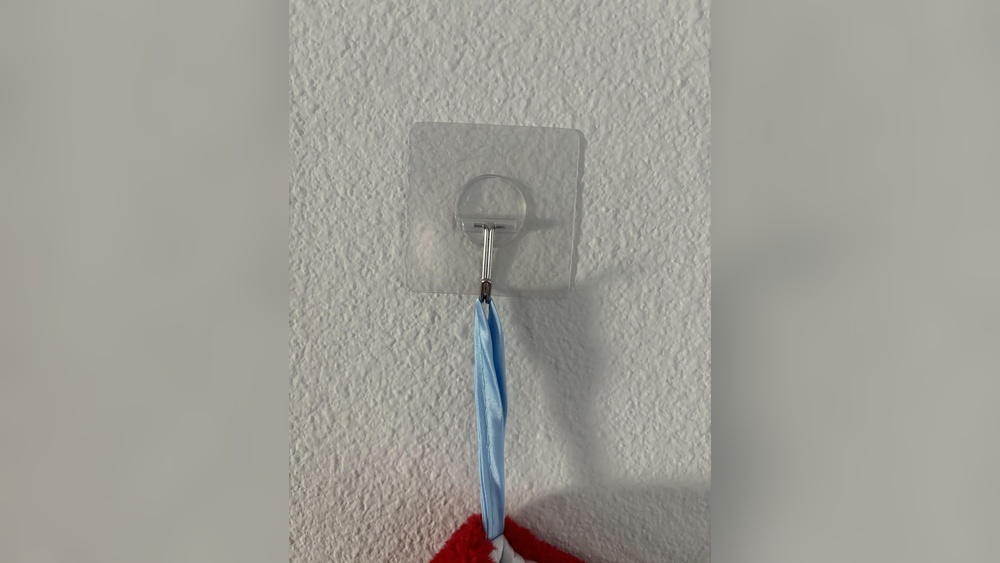
Adhesive hooks stick without drilling. They work well on smooth surfaces and light loads. Screw-in hooks are stronger and best for heavy items.
Materials And Durability
Hooks come in metal, plastic, wood, and more. Metal hooks last long and hold heavy items. Plastic hooks are light and cheap but less strong.
Wood hooks add a warm, natural look. Check the hook’s finish to avoid rust or damage. Choose materials that fit your room and use.

Credit: today.pl
Measuring Space
Measuring space is the first step to placing wall hooks correctly. It helps you decide how far apart to space each hook. Proper spacing keeps hooks functional and looks good on your wall.
Careful measurement avoids crowded or uneven hook placement. It also makes hanging items easier and safer. Taking time to measure will save effort later.
Tools Needed
Gather a tape measure or ruler to measure wall space. A pencil helps mark spots where hooks will go. A level ensures hooks stay straight. These simple tools make measuring quick and accurate.
Assessing Wall Area
Start by looking at the wall section for your hooks. Measure the total width available from side to side. Note any obstacles like switches or outlets. These may limit where hooks fit.
Think about what you plan to hang on the hooks. Heavy items need more space and stronger hooks. Light items like keys can be closer together. Adjust spacing based on your needs.
Spacing Guidelines
Spacing wall hooks correctly is key for a neat and functional space. Proper distance prevents overcrowding and allows each hook to hold items securely. It also helps maintain a balanced look on your walls. Follow these simple spacing guidelines for the best results.
Standard Distances
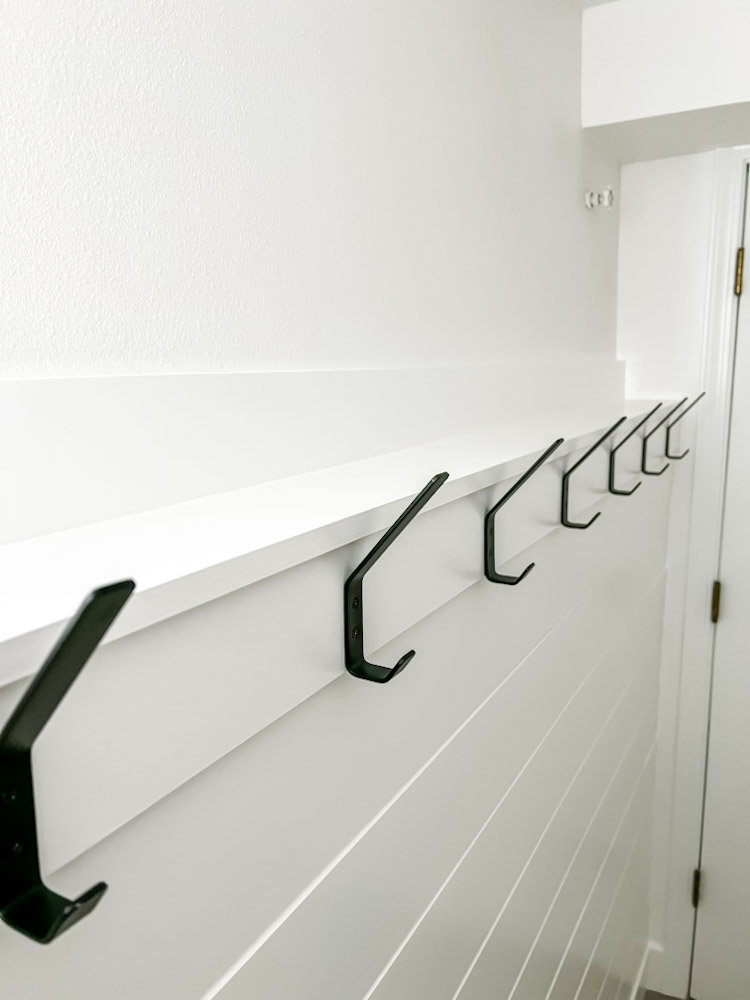
For most wall hooks, keep them 4 to 6 inches apart. This space fits everyday items like keys, hats, or light bags. It gives enough room to hang items without overlapping. Use this rule for general use hooks in hallways or bedrooms.
Spacing For Heavy Items
Heavy items need more space and stronger support. Place hooks at least 8 to 12 inches apart. This distance prevents stress on the wall and hooks. Choose hooks that can hold the weight safely. Use this spacing for coats, backpacks, or tools.
Spacing For Decorative Hooks
Decorative hooks focus on style and visual appeal. Space them evenly, about 3 to 5 inches apart. This creates a pattern that looks tidy and attractive. Use this spacing for jewelry, small bags, or light accessories.
Credit: smallishhome.com
Installation Tips
Installing wall hooks properly makes a big difference in how they hold and last. Correct spacing and secure fixing keep the hooks stable. Follow these simple installation tips for best results. Take your time and prepare well before drilling or hammering.
Marking Hook Positions
Start by deciding where the hooks will go. Measure the distance between each hook carefully. Use a pencil to mark exact spots on the wall. Check that the marks are level and evenly spaced. This step helps avoid crooked or uneven hooks.
Using Anchors And Screws
Choose anchors suitable for your wall type—drywall, plaster, or brick. Drill holes at the marked positions for anchors. Insert anchors fully for a strong grip. Screw the hooks firmly into the anchors. Tighten screws but avoid over-tightening to prevent damage.
Design Considerations
Designing the space between wall hooks affects both looks and use. It is important to plan how far apart hooks should be. Good spacing creates a neat look and makes hooks easy to use. Consider the room style and the items you will hang.
Symmetry And Balance
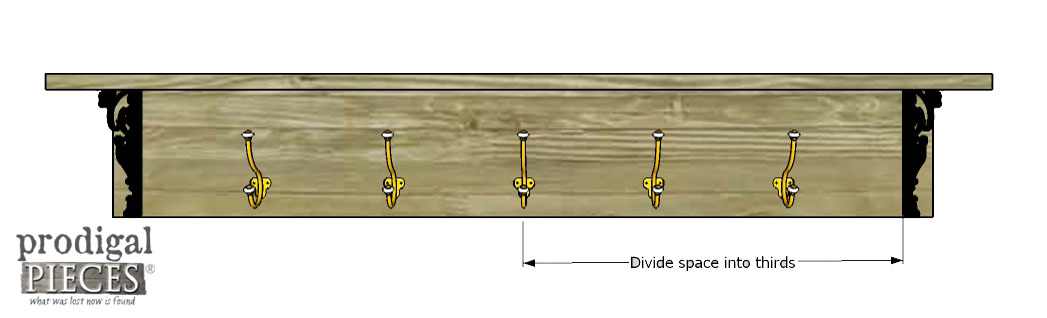
Symmetry makes spaces feel calm and organized. Placing hooks evenly helps the eye rest. Measure the wall width and mark equal distances. This creates a balanced look. Uneven spacing can seem messy and distracting. Balance does not mean all hooks must be the same. Use pairs or groups to keep harmony.
Functionality Vs. Aesthetics
Hooks must be useful and look good. Space them wide enough to hold coats or bags without crowding. Too close hooks cause items to overlap and wrinkle. Too far apart hooks can waste wall space. Think about what you hang daily. Choose spacing that fits these objects well. Look for a mix of style and ease of use.
Common Mistakes
Spacing wall hooks might seem simple, but many make common mistakes. These errors can affect the look and function of your hooks. Proper spacing helps keep things neat and easy to use. Avoid these common pitfalls to get the best results.
Overcrowding Hooks
Placing hooks too close creates clutter. Items hang unevenly and can overlap. This makes hooks hard to use and damages your wall. Leave enough space so each hook holds items comfortably. Give each hook room to breathe.
Ignoring Wall Material
Different walls need different spacing. Drywall, brick, and wood have unique strengths. Ignoring this can cause hooks to fall or damage walls. Check your wall type before choosing hook placement. Use anchors or screws suited to the material.
Adjusting Hook Placement
Adjusting the placement of wall hooks helps create the perfect balance on your wall. Proper spacing makes your hooks look neat and function well. It also avoids overcrowding or large empty spaces. Small changes can make a big difference in the overall look.
Repositioning Tips
Start by measuring the distance between hooks before moving them. Use a pencil to mark new spots lightly on the wall. Check the height and alignment for a straight row or pattern. Move hooks slowly to avoid making too many holes. Test the spacing with your items to see if it fits well.
Maintaining Wall Integrity
Use the right tools to remove hooks without damaging the wall. Avoid pulling hooks too hard to stop paint or plaster from peeling. Fill old holes with spackle or filler and smooth the surface. Let the filler dry before repainting or placing new hooks. This keeps your wall strong and clean for a fresh look.
Credit: prodigalpieces.com
Frequently Asked Questions
How Far Apart Should Wall Hooks Be Spaced?
Wall hooks should be spaced 6 to 12 inches apart. This distance allows enough room for hanging items without overcrowding. Adjust spacing based on the size and type of items you plan to hang.
What Is The Best Spacing For Heavy-duty Hooks?
For heavy-duty hooks, space them at least 12 inches apart. This provides adequate support and prevents items from overlapping or putting stress on the wall.
How To Space Hooks For Hanging Coats?
Space coat hooks 8 to 10 inches apart. This spacing ensures coats hang freely without overlapping, making it easy to access each item.
Can Spacing Vary For Decorative Wall Hooks?
Yes, spacing for decorative hooks can vary. Arrange them according to your design preference, but maintain at least 6 inches apart to avoid clutter.
Conclusion
Spacing wall hooks properly makes your space look neat and balanced. Measure the area before you start to avoid mistakes. Keep hooks far enough to hold items without crowding. This helps your walls stay strong and your items safe. A little planning saves time and keeps your room tidy.
Try different distances to see what fits best. You’ll find the right space for every hook with simple steps.