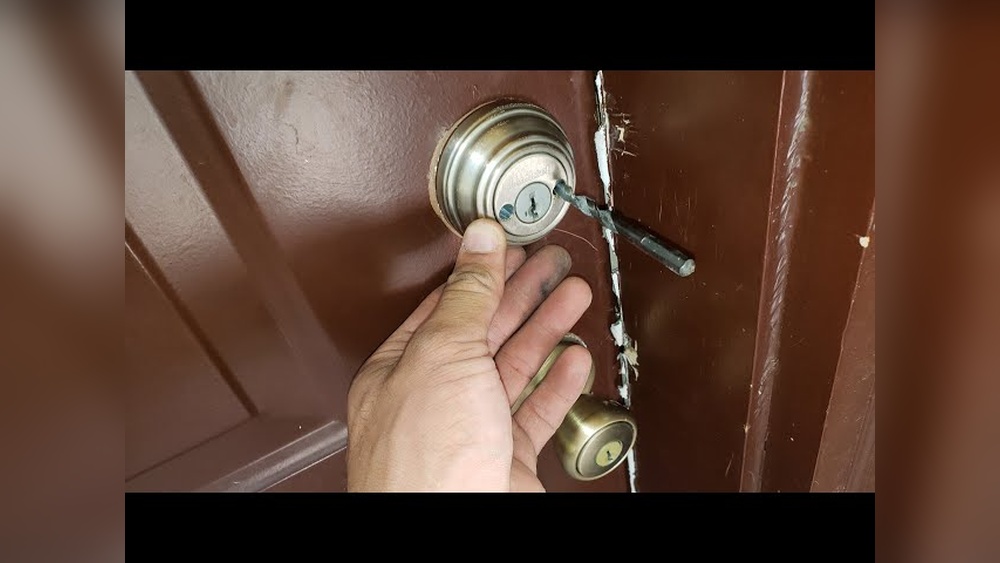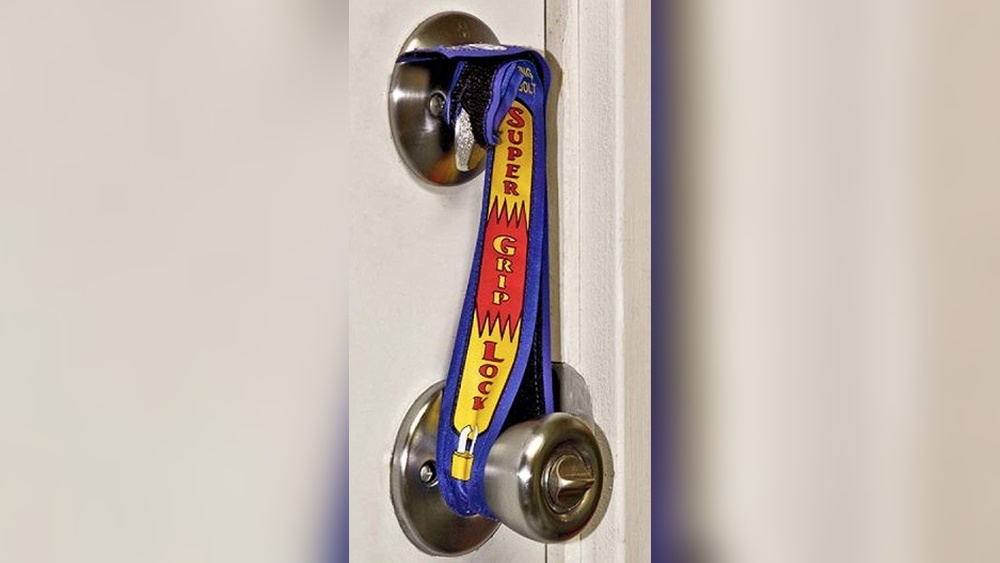
Have you ever struggled to turn your deadbolt, feeling the frustration build as the key won’t budge? You’re not alone.
A deadbolt that won’t turn can leave you stuck outside or worried about your home’s security. But before you call a locksmith, there are simple steps you can take to fix the problem yourself. In this guide, you’ll discover easy, practical tips to stop your deadbolt from turning and get your lock working smoothly again.
Keep reading—you’ll be back in control of your door in no time.

Credit: www.reddit.com
Common Reasons Deadbolts Turn
Deadbolts sometimes turn by themselves. This can be a sign of a problem. Understanding the common reasons helps fix it fast. Many causes are simple to spot and repair.
Misaligned Strike Plate
The strike plate is the metal piece on the door frame. If it is not aligned well, the deadbolt may turn easily. The bolt might not catch properly. Adjusting the plate can stop unwanted turning.
Worn Out Lock Cylinder
The lock cylinder is the part where the key goes. Over time, it can wear out and become loose. This wear makes the deadbolt turn without the key. Replacing the cylinder can solve this problem.
Loose Screws And Hardware
Screws hold the lock parts in place. If they become loose, the deadbolt may turn too freely. Tightening screws can tighten the lock. Regular checks prevent this issue from growing.
Damaged Deadbolt Mechanism
The deadbolt has many small parts inside. These can break or wear down with use. Damage inside causes the bolt to move incorrectly. Repair or replacement is often needed to fix this.
Tools Needed For Quick Fixes
Fixing a deadbolt that won’t turn often requires a few basic tools. Having the right items nearby makes the repair faster and easier. This section covers the essential tools for quick deadbolt fixes. Each tool plays a specific role in solving the problem efficiently.
Screwdrivers
Screwdrivers are vital for removing or tightening screws on the deadbolt. A flathead and a Phillips screwdriver cover most lock types. Use them to open the lock housing or adjust loose parts. Keep a small screwdriver set handy for various screw sizes.
Lubricants
Lubricants help the deadbolt move smoothly inside the lock. Choose a dry graphite or silicone spray for locks. Avoid oil-based lubricants that attract dust and dirt. Spray lubricant into the keyhole and moving parts for better turning.
Replacement Parts
Sometimes, worn-out parts cause the deadbolt to jam. Common replacements include springs, screws, and the locking cylinder. Having these parts ready speeds up repairs. Check the deadbolt model to buy the correct pieces.
Cleaning Supplies
Cleaning removes dirt and grime blocking the deadbolt’s movement. Use a soft brush or cloth to clean the lock. Mild soap and water help remove tough dirt. Ensure the lock is dry before reassembling for smooth function.
Realigning The Strike Plate
The strike plate is a small metal piece on the door frame. It catches the deadbolt when you lock the door. Sometimes, the deadbolt won’t turn because this plate is not aligned properly. Realigning the strike plate can fix this problem and make locking smooth again.
Loosening And Adjusting Screws
Start by opening the door. Use a screwdriver to loosen the screws on the strike plate. Do not remove the screws completely. This allows the plate to move slightly for adjustment.
Marking Correct Position
Next, try to close the door slowly. Watch how the deadbolt meets the strike plate. Move the plate until the bolt fits in the hole easily. Mark the new position with a pencil or marker.
Securing The Plate
Once the strike plate is in the right place, tighten the screws back. Make sure it is firm and will not move. Test the deadbolt by locking and unlocking the door several times. It should turn smoothly now.

Credit: www.youtube.com
Lubricating The Deadbolt
Lubricating the deadbolt helps stop it from turning roughly or getting stuck. It keeps the lock smooth and easier to use. Regular lubrication prevents wear and tear inside the lock mechanism. A well-lubricated deadbolt lasts longer and works better.
Choosing The Right Lubricant
Use a lubricant designed for locks. Graphite powder is a top choice. It does not attract dust or dirt. Avoid oil-based lubricants like WD-40. Oils can gum up the lock over time. Silicone-based sprays also work well and stay clean inside the lock.
Applying Lubricant Properly
First, clean the key and lock surface. Insert the key and spray the lubricant into the keyhole. Move the key in and out gently to spread the lubricant inside. Add a small amount only. Too much lubricant can cause buildup and attract dirt.
Testing The Lock Movement
After lubricating, test the deadbolt by turning the key several times. The lock should turn smoothly without sticking. If it still feels rough, apply a little more lubricant. Repeat the process until the deadbolt moves easily. Smooth lock action means successful lubrication.
Tightening Loose Components
Tightening loose components is a simple way to fix a deadbolt that won’t turn. Over time, screws and parts can become loose. This causes the lock to feel wobbly or jam. Fixing these loose parts can make your deadbolt work smoothly again.
Identifying Loose Screws
Start by checking all screws on the deadbolt. Look at the faceplate, strike plate, and lock body. Use your fingers to feel if screws move or spin easily. Loose screws can cause the lock to misalign and not turn properly. Tighten any that seem loose or out of place.
Using The Correct Screwdriver
Use a screwdriver that fits the screw heads exactly. A wrong size can strip the screws or damage the lock. Most deadbolts use Phillips or flathead screws. Check the screw type before tightening. Turn screws gently to avoid breaking them.
Ensuring Stability
After tightening screws, test the deadbolt by turning the key. The lock should feel firm and turn smoothly. If it still feels loose, check the screws again. Make sure all parts are secure without over-tightening. Proper stability helps the deadbolt work well and last longer.
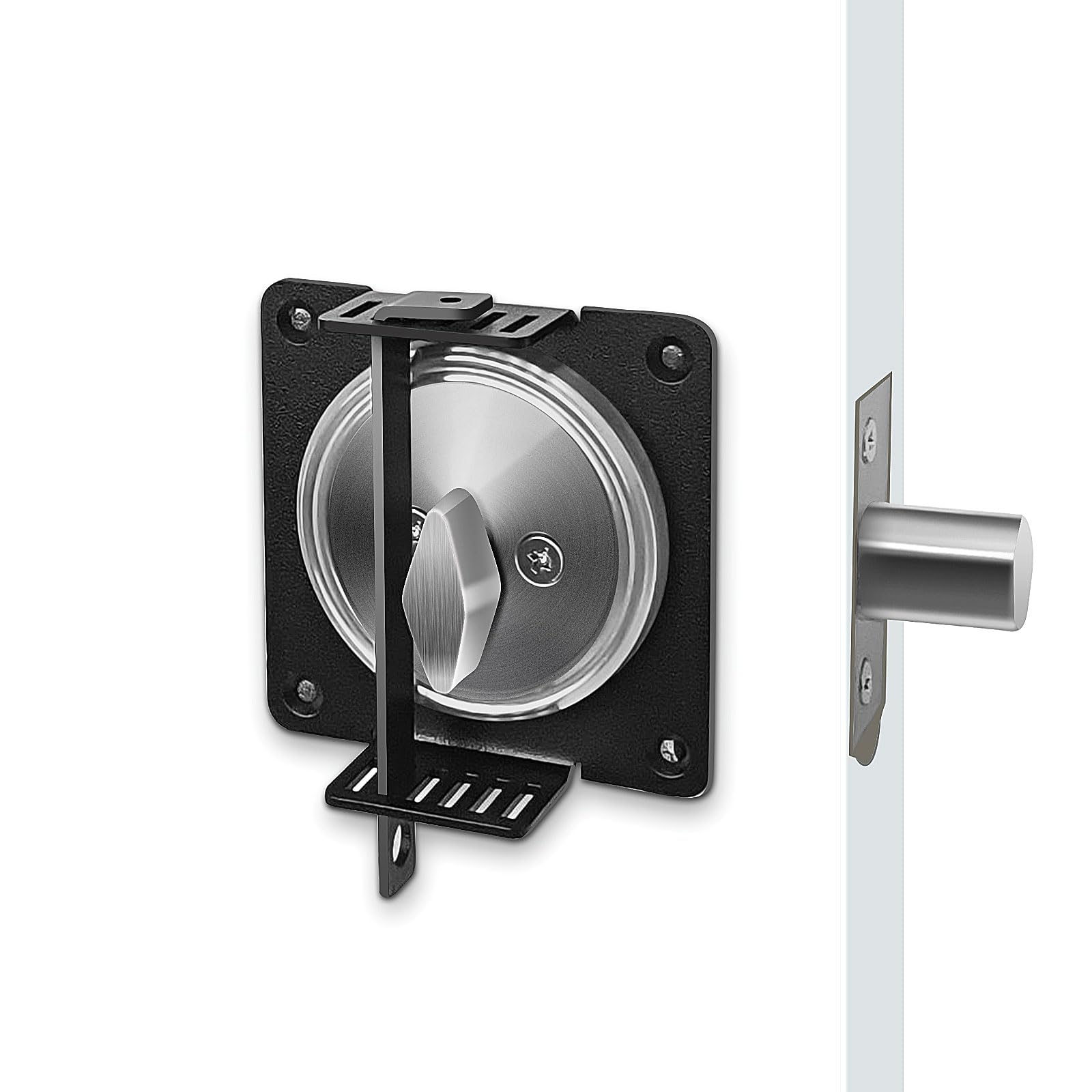
Credit: www.amazon.sa
Replacing The Lock Cylinder
Replacing the lock cylinder fixes a deadbolt that won’t turn. This part controls the key’s movement inside the lock. Swapping it out can restore smooth operation. The process needs care and the right tools. Follow these steps to change the lock cylinder safely and correctly.
Removing The Old Cylinder
Start by opening the door. Locate the screw holding the cylinder in place. It is usually on the side of the lock. Use a screwdriver to remove this screw. Insert the key and turn it slightly. Pull the cylinder straight out of the lock. If it sticks, wiggle it gently while pulling. Keep the old cylinder for comparison.
Selecting A Compatible Replacement
Match the new cylinder with the old one. Check the size and shape carefully. The keyway must fit your key type. Look for a cylinder made from strong materials. Brass or steel works well. Buy from a trusted hardware store. Avoid cheap or generic parts. The right fit ensures the deadbolt works smoothly.
Installing The New Cylinder
Insert the new cylinder into the lock. Align it with the screw hole. Use the key to turn the cylinder slightly. This helps it slide in easily. Tighten the screw to secure the cylinder. Test the deadbolt by turning the key. Make sure it moves without sticking. Adjust if needed. Your deadbolt should now work like new.
Preventive Maintenance Tips
Preventive maintenance helps keep your deadbolt working smoothly. Small efforts now save big problems later. Follow these simple tips to avoid the deadbolt from turning poorly or getting stuck.
Regular Cleaning
Dirt and dust can block the deadbolt mechanism. Clean the lock area with a soft brush or cloth. Remove grime around the keyhole and bolt. Keep the lock free from debris to ensure smooth turning.
Periodic Lubrication
Use a dry lubricant like graphite powder on the deadbolt. Avoid oil-based lubricants that attract dirt. Apply a small amount inside the keyhole and bolt. Lubrication reduces friction and helps the lock turn easily.
Checking Alignment
Check if the door and frame align properly. Misalignment makes the deadbolt hard to turn. Adjust the strike plate or hinges if needed. Proper alignment allows the bolt to slide smoothly into place.
Avoiding Excessive Force
Do not force the deadbolt to turn. Gentle turning prevents damage to the lock parts. Forcing can bend or break the internal mechanism. Use the correct key and turn slowly for best results.
Frequently Asked Questions
Why Does My Deadbolt Keep Turning Unintentionally?
A deadbolt may turn unintentionally due to loose screws or a misaligned strike plate. Worn internal parts or a faulty lock cylinder can also cause this issue. Regular maintenance and proper installation help prevent unwanted deadbolt movement.
How Can I Fix A Deadbolt That Turns Too Easily?
Tighten the mounting screws and check the strike plate alignment. Lubricate the lock mechanism with graphite powder or silicone spray. If the issue persists, replacing worn parts or the entire lock may be necessary.
What Tools Do I Need To Stop A Deadbolt From Turning?
You typically need a screwdriver, lubricant, and possibly replacement screws or parts. A drill or chisel may be needed for strike plate adjustment. Having a measuring tape and level helps ensure proper alignment during fixes.
Can Lubrication Prevent A Deadbolt From Turning Freely?
Yes, lubricating the lock mechanism reduces friction and prevents sticking. Use graphite powder or silicone-based lubricants for best results. Avoid oil-based lubricants, as they attract dust and cause buildup.
Conclusion
Stopping a deadbolt from turning can save you time and worry. Small fixes often solve the problem quickly. Check the key, lock, and door alignment first. Keep your lock clean and well-oiled for smooth use. Regular care helps avoid future issues.
A stuck deadbolt does not mean a big repair. Simple steps can bring your lock back to work. Stay patient and try each tip carefully. Your door will lock and unlock with ease again.