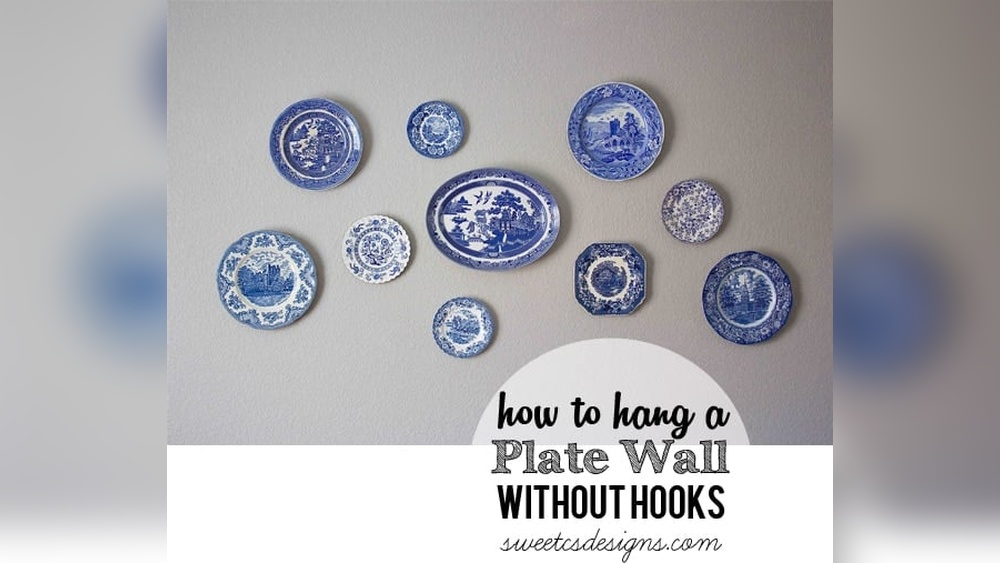
Want to hang something on your plaster wall but unsure how to do it without causing damage? Drilling a hook into plaster can seem tricky, but with the right approach, you can do it safely and securely.
In this guide, you’ll learn simple steps to drill into your plaster wall with confidence. By the end, you’ll know exactly how to get your hooks in place without cracks or crumbles. Keep reading, and you’ll turn your blank wall into a space that truly feels like yours.
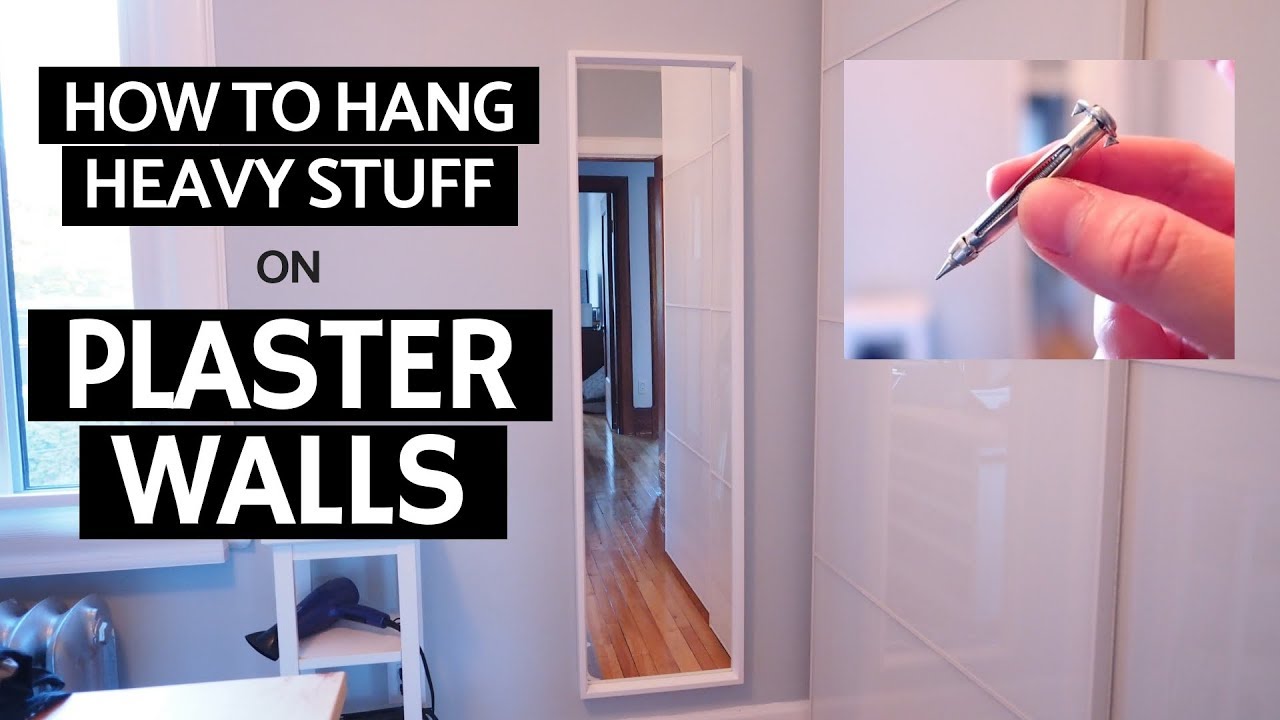
Credit: www.youtube.com
Tools And Materials Needed
Drilling a hook into a plaster wall requires the right tools and materials. Using proper equipment makes the task easier and safer. It also helps protect the wall from damage. Gather everything you need before starting. This saves time and avoids frustration.
Choosing The Right Drill
Pick a drill with a variable speed setting. A cordless drill is easy to handle. Choose a drill bit made for plaster or masonry. A small bit, about 3 to 4 mm, works best. It creates a clean hole without cracking the plaster.
Selecting Hooks For Plaster Walls
Use hooks designed for plaster or drywall. Self-drilling hooks are simple to install. Screw-in hooks need a pilot hole first. Choose hooks that hold the weight of your item. Avoid heavy hooks for plaster walls to prevent damage.
Additional Supplies
Have a wall anchor or plug ready for extra support. Use a pencil to mark drill spots. A tape measure helps with correct placement. Keep a small hammer nearby for anchors. Safety glasses protect your eyes from dust. A vacuum or brush cleans up debris after drilling.
Preparing The Wall
Preparing the wall is the first step before drilling a hook into plaster. It ensures the hook will hold firmly without causing damage. Careful preparation saves time and effort later.
Locating Studs And Avoiding Wiring
Find studs behind the plaster to secure the hook strongly. Use a stud finder tool for accuracy. Avoid electrical wiring by checking with a wire detector. This step prevents accidents and wall damage.
Marking The Drill Spot
Mark the exact spot to drill with a pencil. Measure twice to be sure of the location. A clear mark helps guide the drill and keeps the hole neat.
Checking Wall Condition
Inspect the plaster for cracks or loose areas. Weak plaster can crumble when drilled. Choose a strong, stable spot to avoid falling debris.
Drilling Into Plaster
Drilling into plaster requires a gentle touch and the right tools. Plaster walls can crack or crumble if drilled too quickly or with the wrong bit. Taking time to prepare and use the correct settings helps ensure a clean hole. This makes hanging hooks easier and keeps your wall looking good.
Setting The Drill Speed
Set the drill to a low speed. High speed can cause the plaster to crack. Slow drilling lets you control the bit better. It also reduces heat, which can damage the wall.
Using The Correct Drill Bit
Choose a masonry or carbide-tipped bit. These bits cut through plaster smoothly. Avoid using wood or metal bits. They can cause chipping and uneven holes.
Drilling With Care
Start drilling with light pressure. Let the bit do the work. Stop often to clear dust from the hole. This prevents clogging and helps drill deeper. Always check the wall for wires or pipes before drilling.

Credit: www.youtube.com
Installing The Hook
Installing a hook into a plaster wall requires care to avoid damage. The right steps make the hook hold well and last long. Follow these instructions to secure your hook firmly and safely.
Inserting Anchors If Needed
Plaster walls can be fragile. Drywall anchors help hold the hook firmly. First, drill a hole that matches the anchor size. Gently push the anchor into the hole. Tap lightly with a hammer to fit it flush. Anchors give extra support for heavier items. Use anchors when the hook will hold weight.
Securing The Hook
Place the hook into the anchor or directly into the wall. Turn it clockwise to screw it in. Use your hand or a screwdriver for better grip. Screw until the hook feels tight but avoid over-tightening. Over-tightening can crack the plaster. Make sure the hook is straight and stable.
Testing Hook Stability
Give the hook a gentle pull to check its hold. It should not move or wiggle. Test with the item you want to hang. Start with a light weight to be safe. If the hook feels loose, remove and try again. A stable hook keeps your items secure and your wall safe.
Tips For Long-lasting Support
Ensuring a hook stays secure in a plaster wall takes care and the right approach. These tips will help your hooks hold firm for a long time. Proper support prevents damage to the wall and keeps your items safe.
Weight Limits For Plaster Hooks
Check the weight limit on the hook package. Exceeding the limit can cause the hook to pull out. Light hooks usually hold up to 10 pounds. For heavier items, choose stronger hooks or anchors. Always weigh your item before hanging it.
Maintenance And Inspection
Regularly check your hooks for any signs of wear or loosening. Tighten or replace hooks if they feel loose. Look for cracks or damage around the hook area. Early fixes stop bigger problems and keep your wall safe. Clean hooks and wall areas to avoid dust buildup.
Alternatives For Heavy Items
Use wall anchors or toggle bolts for heavy objects. These provide extra support inside the wall. Consider using a stud finder to place hooks on studs. Studs hold more weight than plaster alone. For very heavy items, use a mounting board or shelf bracket for extra safety.

Credit: lifehacker.com
Frequently Asked Questions
How Do I Drill Into A Plaster Wall Safely?
To drill into a plaster wall safely, use a masonry bit and drill slowly. Avoid applying too much pressure to prevent cracks. Always check for wires or pipes behind the wall before starting.
What Tools Do I Need To Drill A Hook In Plaster?
You need a drill with a masonry bit, a wall anchor, a screwdriver, and the hook. A stud finder and a pencil are helpful for marking the spot.
Can I Drill Directly Into Plaster Without Anchors?
Drilling directly without anchors is not recommended. Plaster is brittle and may not support weight. Use wall anchors to ensure the hook stays secure and stable.
How Do I Find The Right Spot To Drill A Hook?
Use a stud finder to locate studs behind the plaster. Mark the spot with a pencil. Avoid drilling near electrical wires or plumbing pipes for safety.
Conclusion
Drilling a hook into a plaster wall is simple with the right steps. Use a drill bit made for plaster to avoid cracks. Mark the spot clearly before drilling to stay accurate. Take your time and drill slowly to protect the wall.
Secure the hook tightly but gently. Now, you can hang items safely and neatly. Practice a little, and it will become easy. Your walls will hold hooks without damage. Enjoy your newly hung decorations or tools!