Have you ever worried about your floor jack slipping or rolling while you’re working under your car? It’s a real safety risk that can cause accidents and damage.
But don’t let that stop you from getting the job done. You’ll learn simple and effective ways to secure your floor jack so it stays put. By the time you finish reading, you’ll feel confident that your jack won’t move unexpectedly, keeping you and your vehicle safe.
Keep reading to discover easy tips that make a big difference every time you use your floor jack.
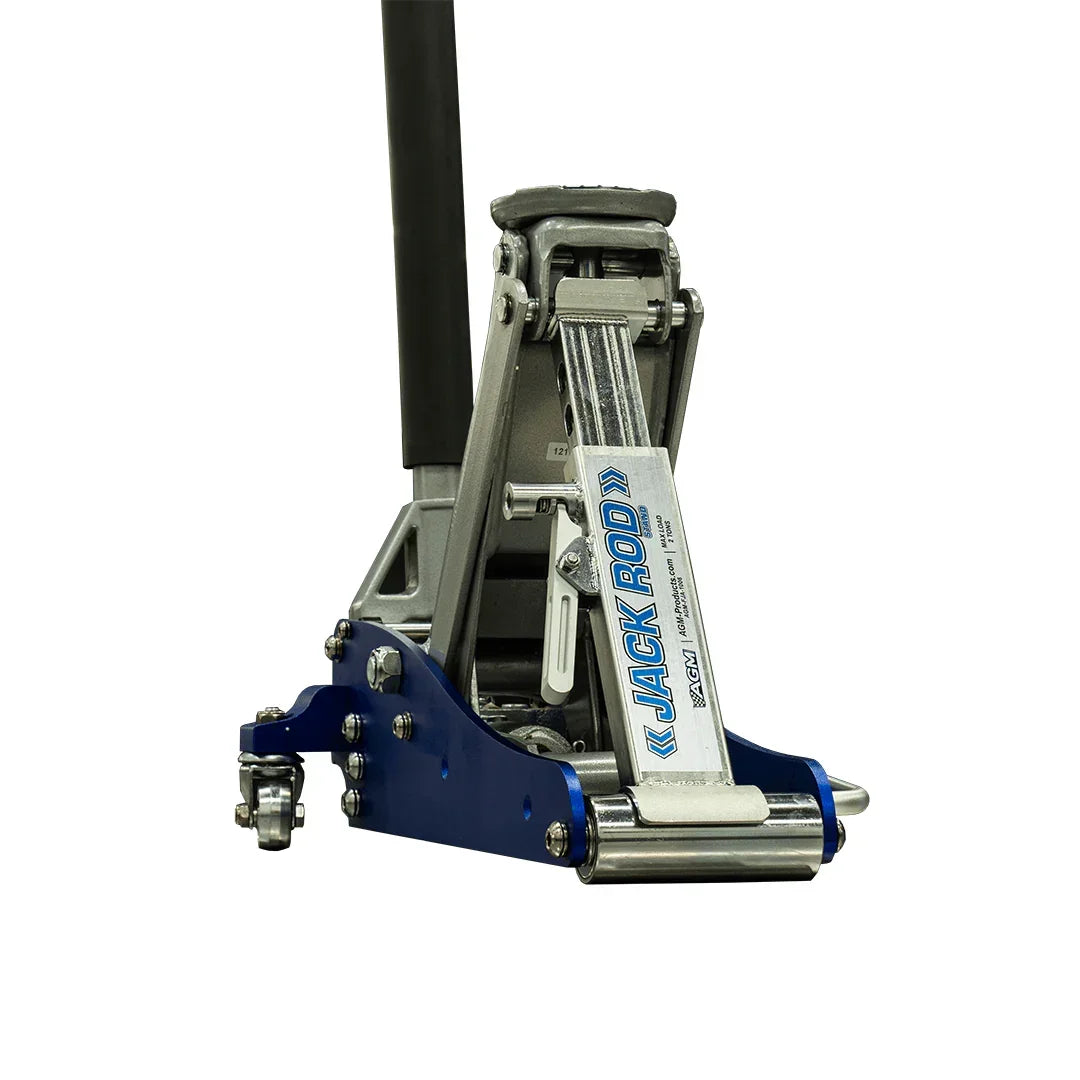
Credit: agm-products.com
Choosing The Right Floor Jack
Choosing the right floor jack is key to keeping your vehicle safe and stable. A good floor jack fits your needs and holds weight without slipping or rolling. This section helps you pick the perfect jack for your work. Knowing types, weight limits, and build quality makes your choice easier.
Types Of Floor Jacks
There are several types of floor jacks. Hydraulic jacks use fluid to lift heavy loads smoothly. Scissor jacks are small and portable but lift less weight. Bottle jacks have a compact design and strong lift power. Pick one based on your work and storage space.
Weight Capacity Considerations
Always check the weight capacity before buying a floor jack. It must support your vehicle’s weight safely. Buying a jack with higher capacity than needed adds extra safety. Overloading a jack can cause it to fail or roll unexpectedly.
Material And Build Quality
Strong materials improve jack stability and durability. Steel jacks are heavy but very sturdy. Aluminum jacks are lighter and easier to carry. Look for solid welds and a wide base. A strong build keeps the jack steady and stops it from rolling.
Preparing The Surface
Preparing the surface is the first step to keep a floor jack from rolling. A safe and steady base stops accidents. It also helps the jack hold the vehicle securely. Taking time to prepare the ground makes the job easier and safer.
Flat And Stable Ground
Choose a flat spot to place the floor jack. The ground must be firm and level. Soft or rough surfaces can cause the jack to tip or move. Concrete or solid pavement works best. Check for cracks or holes that might affect balance.
Using Wheel Chocks
Wheel chocks add extra safety by blocking the wheels. Place them on both sides of the tires that stay on the ground. This stops the vehicle from rolling while you work. Use strong chocks made of rubber or metal. Position them close to the tires for a tight fit.
Avoiding Slopes And Uneven Areas
Never use a floor jack on a slope or uneven ground. Slopes cause the jack to slip or roll. Uneven areas make the jack unstable. Both conditions increase the risk of injury or damage. Always find a level spot before starting any lifting work.
Positioning The Floor Jack
Positioning the floor jack correctly is key to keeping it from rolling. Proper placement keeps the vehicle stable and prevents accidents. This section covers how to place the jack right, line it up, and ensure firm contact.
Correct Placement Points
Identify the vehicle’s recommended lifting points. These are usually on the frame or designated spots. Placing the jack here avoids damage to the car. Check the owner’s manual or use markings on the vehicle. Avoid soft or uneven surfaces for placement.
Aligning The Jack Properly
Place the jack so it stands straight under the lifting point. Make sure the jack handle is easy to reach. Avoid angling the jack. A straight alignment helps distribute weight evenly. This reduces the risk of slipping or rolling.
Ensuring Secure Contact
Check the jack pad touches the vehicle firmly. The pad must fit snugly under the lifting point. Use a rubber pad if needed to avoid slipping. Confirm there is no gap between the jack and the vehicle. Secure contact keeps the jack stable during lifting.
Securing The Floor Jack
Securing a floor jack is essential to keep it stable and safe during use. A floor jack can roll or slip if not properly secured. This can cause accidents or damage to your vehicle. Taking the right steps to secure the jack ensures a safer working environment. Here are some simple ways to keep your floor jack steady.
Using Jack Stands
Jack stands provide extra support after lifting the vehicle. Place them under the car at strong points. Lower the jack slowly so the weight rests on the stands. This prevents the jack from bearing the full weight. Jack stands stop the jack from moving or rolling unexpectedly. Always use stands on a flat, hard surface for best results.
Locking Mechanisms
Many floor jacks have built-in locking features. Engage these locks once the jack is in position. Locks stop the wheels or the jack arm from moving. This adds an extra layer of security. Check the locking parts regularly to ensure they work well. A locked jack reduces the risk of slipping or rolling.
Additional Safety Accessories
Wheel chocks are simple tools that block the vehicle’s wheels. Place them in front and behind the wheels on the ground. Chocks keep the car from rolling during lifting. Some users add rubber mats under the jack for better grip. Using these accessories improves overall stability. Safety accessories make your work safer and easier.
Operating Safety Practices
Operating a floor jack safely is important to stop it from rolling or slipping. Following good safety steps helps protect you and your vehicle. Use slow, careful moves. Watch the jack’s balance. Avoid pushing it beyond limits. These habits keep you safe and your work steady.
Slow And Controlled Lifting
Lift the vehicle slowly with the jack. Quick or sudden moves can cause the jack to slip. Use steady pressure on the handle. This keeps the jack stable under the load. Slow lifting helps prevent accidents and damage.
Avoiding Overextension
Do not raise the jack higher than its safe limit. Overextension can make the jack unstable. Check the maximum height before lifting. Stop lifting once you reach that point. Overextending risks the jack tipping or failing.
Monitoring Stability During Use
Keep an eye on the jack’s position as you work. Make sure it stays firm on the ground. Look for any signs of movement or slipping. Adjust or stop if the jack shifts. Stability is key to safe floor jack use.

Credit: www.reddit.com
Maintenance And Inspection
Maintaining and inspecting your floor jack is key to keep it safe and steady. Regular care helps stop rolling and other problems. It also makes sure your jack lasts longer and works well every time you use it.
Regular Checks For Wear
Check your floor jack often for signs of wear. Look for cracks, dents, or bent parts. Inspect the wheels to see if they move smoothly. Worn parts can cause the jack to roll or fail. Replace any parts that look weak or damaged right away.
Lubrication And Cleaning
Keep the moving parts of your floor jack clean and well-lubricated. Dirt and rust can make it hard to move. Use a light oil on joints and wheels to keep them smooth. Clean the jack with a dry cloth after each use. Avoid water or harsh chemicals that can cause rust.
Replacing Damaged Parts
Replace any damaged parts as soon as you find them. Broken wheels, bent arms, or worn locks affect safety. Use parts that fit your jack model exactly. Do not try to fix serious damage with tape or glue. Proper parts keep the jack stable and stop it from rolling.
Emergency Precautions
Emergency precautions are vital when using a floor jack. A sudden slip can cause serious injury or damage. Knowing how to act fast and safely helps prevent accidents. Stay calm and follow simple steps to handle any issue.
Responding To Jack Slippage
Stop working immediately if the jack slips. Do not try to move the vehicle by hand. Lower the jack slowly and carefully. Keep clear of the vehicle’s weight. Call for help if needed to avoid injury.
Safe Lowering Techniques
Turn the release valve slowly to lower the jack. Do it gently to avoid sudden drops. Watch the vehicle as it lowers. Make sure it stays steady on the ground. Never stand under a vehicle while lowering.
Using Backup Supports
Always place jack stands under the vehicle after lifting. Use strong and stable stands rated for the vehicle’s weight. Do not rely only on the floor jack. Backup supports keep the vehicle steady and safe. Check stands before use for any damage.

Credit: www.reddit.com
Frequently Asked Questions
How Do You Prevent A Floor Jack From Rolling?
To prevent rolling, place wheel chocks around the jack’s wheels. Engage the jack’s parking brake if available. Always use the jack on a flat, stable surface to enhance safety.
What’s The Best Way To Secure A Floor Jack?
Use wheel chocks and lock the jack’s wheels. Store the jack in a stable position. Avoid placing it on slopes or uneven ground to prevent movement.
Can I Use Blocks To Stop A Floor Jack From Rolling?
Yes, wooden or rubber blocks can block the wheels. Ensure blocks fit snugly to prevent slipping. This adds extra security when working on inclined surfaces.
Why Is Securing A Floor Jack Important?
Securing a floor jack prevents accidents caused by rolling or slipping. It protects both the user and the vehicle. Safety measures reduce risks during lifting operations.
Conclusion
Securing a floor jack stops it from rolling and keeps you safe. Use wheel chocks or blocks to hold it firmly in place. Always check the ground is flat and strong before lifting. Tighten any loose parts on the jack for extra safety.
These simple steps protect you and your vehicle during work. Stay careful and take time to secure the jack well. Safety makes any job easier and worry-free.