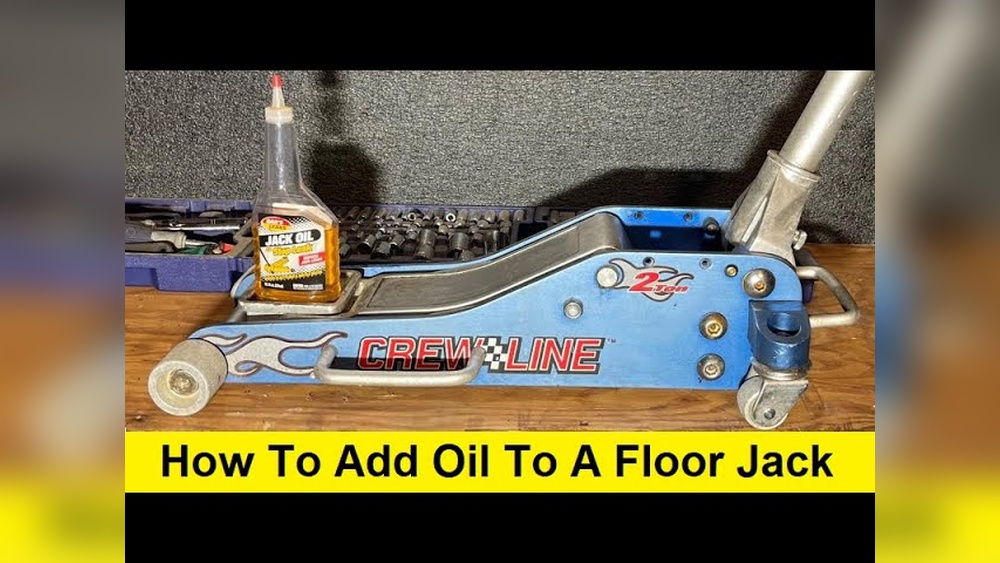
If you use a floor jack regularly, you know how important it is to keep it working smoothly. But do you know the simple step that can save your jack from damage and keep it lifting safely?
Installing oil in your floor jack is the key. Without the right oil or proper filling, your jack can fail when you need it most. In this guide, you’ll learn exactly how to install oil in your floor jack quickly and correctly.
Follow these easy steps, and you’ll extend the life of your jack while making every lift safer and easier. Ready to keep your tools in top shape? Let’s get started.
Choosing The Right Oil
Choosing the right oil for your floor jack is very important. The correct oil keeps the jack working smoothly. It also stops damage and wear. Using the wrong oil can cause leaks or failure. This guide helps you select the best oil for your floor jack.
Types Of Hydraulic Oil
Hydraulic oils come in different types. Mineral oil is common and works well in many jacks. Synthetic oil lasts longer and handles heat better. Some oils have special additives to stop rust and foam. Check your floor jack manual to see the suggested type. Using the right type keeps the jack safe and efficient.
Recommended Oil Viscosity
Viscosity means how thick or thin the oil is. Floor jacks need oil with the right viscosity to work well. Usually, oils with ISO 32 or ISO 46 viscosity are best. Thin oil flows easily but may leak. Thick oil protects parts but may slow movement. Choose oil with the viscosity your jack maker suggests.
Avoiding Contaminated Fluids
Clean oil is key for a strong floor jack. Dirt or water in the oil can cause damage. Always use fresh, sealed oil from a trusted source. Do not mix old oil with new. Before adding oil, clean the jack’s reservoir. Keeping oil pure helps the jack last longer and work better.
Preparing The Floor Jack
Preparing the floor jack is the first step to a smooth oil replacement. A clean and well-positioned jack makes the process easier. Gathering the right tools saves time and avoids frustration. Follow these steps to get your floor jack ready.
Cleaning The Jack
Start by wiping down the entire floor jack. Remove dirt, dust, and grease from all surfaces. Use a clean cloth and some mild detergent if needed. Clean areas around the oil fill plug carefully. A clean jack helps prevent contaminants from entering the oil system.
Positioning For Oil Replacement
Place the floor jack on a flat, stable surface. Keep it level to avoid oil spills. Lower the jack completely before starting. Make sure the oil fill plug is easy to reach. Proper positioning helps drain old oil fully and refills smoothly.
Gathering Necessary Tools
Collect all tools before starting the oil change. You will need a wrench or socket set to open the fill plug. Have a clean container ready to catch old oil. Prepare a funnel for pouring new oil. Gloves and rags are useful to keep hands clean.
Draining Old Oil
Draining old oil from your floor jack is a key step before adding new fluid. Removing the used oil helps keep the jack working smoothly. Clean oil prevents damage and extends the jack’s life. Follow these steps to safely drain the old oil.
Locating The Drain Plug
First, find the drain plug on your floor jack. It is usually at the base or near the oil reservoir. Check the jack’s manual if unsure. The plug looks like a small bolt or screw. Make sure the jack is on a flat surface for easy access.
Safely Removing Old Fluid
Use a wrench to slowly loosen the drain plug. Let the old oil flow into a container. Be careful; the oil may be dirty or hot. Allow all the oil to drain out. Wipe the area clean before replacing the plug.
Disposing Of Used Oil Properly
Never pour old oil down the drain or on the ground. Used oil is harmful to the environment. Place the oil in a sealed container. Take it to a local recycling center or auto shop. Proper disposal keeps nature safe and clean.

Credit: www.youtube.com
Adding New Oil
Adding new oil to your floor jack is key for smooth and safe operation. Over time, old oil loses its power to lubricate and protect the jack’s parts. Fresh oil keeps the hydraulic system working well and extends the jack’s life. Follow these steps carefully to add new oil without causing damage.
Filling The Reservoir
Start by locating the oil reservoir cap on your floor jack. Clean the area around the cap to stop dirt from entering. Unscrew the cap slowly and set it aside. Use a funnel to pour the correct hydraulic oil into the reservoir. Fill it until the oil level reaches the recommended mark.
Checking Oil Levels
After filling, check the oil level using the dipstick or sight glass. Make sure the oil is neither too low nor too high. If needed, add or remove oil in small amounts to reach the ideal level. Proper oil levels ensure the jack lifts smoothly and safely.
Avoiding Overfilling
Do not fill the reservoir beyond the marked limit. Overfilling can cause oil to leak or pressure to build up inside. This may damage seals or other parts of the jack. Always fill slowly and check levels often to prevent overfilling.
Bleeding Air From The System
Bleeding air from the system is a key step after adding oil to a floor jack. Air trapped inside can cause the jack to work poorly or fail to lift properly. Removing this air ensures the jack moves smoothly and safely.
This process improves the jack’s performance and extends its life. It involves finding trapped air, releasing it, and checking the jack’s operation. Each step is simple but important.
Identifying Air Trapped In Jack
Signs of air trapped in the jack include spongy or uneven lifting. The handle may feel loose or soft when pumped. The jack might not hold weight steadily or lift fully. These symptoms suggest air needs to be bled out.
Steps To Release Air Bubbles
First, open the release valve slightly to let out pressure. Pump the handle slowly several times to push air up. Keep the valve open until no air bubbles appear in the oil. Tighten the valve securely after all air escapes.
Testing For Smooth Operation
Close the release valve fully. Pump the handle to lift the jack. The movement should feel firm and steady. Lower the jack smoothly without jerks. Repeat pumping to ensure consistent, smooth action. Proper operation means air is fully removed.

Credit: www.wikihow.com
Maintaining Your Floor Jack
Maintaining your floor jack is key to keeping it safe and working well. Regular care helps avoid breakdowns and costly repairs. Simple checks and timely oil changes keep the jack lifting smoothly. Follow these steps to ensure your floor jack lasts longer and works reliably.
Regular Oil Checks
Check the oil level often. Low oil can cause poor lifting performance. Use the correct type of hydraulic oil. Open the fill plug and look inside to see the oil level. Add oil if it looks low. Clean oil keeps the jack parts moving smoothly.
Signs Of Oil Leakage
Look for oil spots under the jack. Oil leaks mean the seals might be broken. Leaking oil reduces hydraulic pressure. This can make the jack fail to lift properly. Fix leaks quickly to avoid damage. Watch for wet or oily areas on the jack’s body.
Scheduling Routine Maintenance
Set a schedule to service your floor jack. Check oil, seals, and moving parts every few months. Replace old oil and worn parts as needed. Regular maintenance stops small problems from growing. Keep a record of all checks and repairs. This helps track the jack’s condition over time.

Credit: www.wikihow.com
Frequently Asked Questions
How Often Should I Change Oil In A Floor Jack?
You should change the oil in your floor jack every 6 to 12 months. Regular oil changes keep the jack operating smoothly and prevent damage. Check the manufacturer’s guidelines for specific recommendations based on usage frequency.
What Type Of Oil Is Best For Floor Jacks?
Use high-quality hydraulic jack oil or ISO 32 hydraulic oil. Avoid motor oil or other lubricants as they can damage the jack’s seals and reduce performance. Always refer to your floor jack manual for the recommended oil type.
How Do I Safely Add Oil To A Floor Jack?
First, lower the jack completely and clean the fill plug area. Remove the plug carefully and pour oil slowly to avoid overfilling. After filling, replace the plug securely and test the jack for smooth operation.
Can I Use Automotive Oil Instead Of Hydraulic Oil?
No, automotive oil is not suitable for floor jacks. Hydraulic jack oil has specific properties that ensure proper pressure and seal protection. Using the wrong oil can cause leaks and damage, reducing the jack’s lifespan.
Conclusion
Installing oil in a floor jack keeps it working well. Clean oil helps the jack lift smoothly and last longer. Check the oil level often to avoid damage. Use the right oil type for your specific jack. Follow safety steps carefully during the process.
Regular oil changes save money on repairs later. Keep your floor jack ready for any lifting job. Simple care makes a big difference in performance.