Have you ever found yourself locked out, staring at a deadbolt lock that just won’t budge? It’s frustrating, stressful, and can happen when you least expect it.
What if you had a simple tool like a knife and knew the right technique to open that lock without calling a locksmith? In this guide, you’ll discover easy, step-by-step methods to unlock a deadbolt with a knife safely and effectively.
Keep reading—you’ll learn practical tips that could save you time and hassle in an emergency.

Credit: www.youtube.com
Tools Needed
Opening a deadbolt lock with a knife requires the right tools. Choosing the correct knife and safety gear is important. These tools make the process easier and safer. Below is a guide to the essential items you need.
Types Of Knives
Use a thin, strong knife for this task. A butter knife or a small pocket knife works well. Avoid knives with wide or thick blades. A flexible blade helps slide into the lock better. A dull knife can make the process harder and unsafe.
Safety Equipment
Wear gloves to protect your hands from cuts. Safety glasses shield your eyes from small metal pieces. A stable surface helps keep the lock steady. Keep the area well-lit to see clearly. These steps reduce the risk of injury during the task.

Credit: www.wikihow.com
Assessing The Lock
Before trying to open a deadbolt lock with a knife, you must assess the lock carefully. This step helps you understand what type of lock you are dealing with. It also shows if the lock has any damage that could affect your attempt. Taking time to check the lock improves your chances of success.
Lock Type Identification
Identify the type of deadbolt lock first. Look at the keyhole shape and the lock’s size. Some deadbolts have a simple design, while others are more complex. A single-cylinder deadbolt uses a key on one side and a thumb turn inside. A double-cylinder deadbolt needs a key on both sides. Knowing the type guides your approach with the knife.
Damage Check
Check the lock for any visible damage. Look for cracks, rust, or loose parts. A damaged lock might open more easily or could be harder to pick. Note any scratches or marks that show previous attempts to open it. This information helps you decide how much force to use or if you need a different tool.
Preparing The Knife
Preparing the knife is a key step to open a deadbolt lock with it. You need the right knife and careful handling. A small, thin blade works best for this task. Avoid knives with wide or thick blades. The goal is to fit the blade into the lock without breaking it. Safety matters most. Hold the knife firmly and stay focused.
Knife Positioning
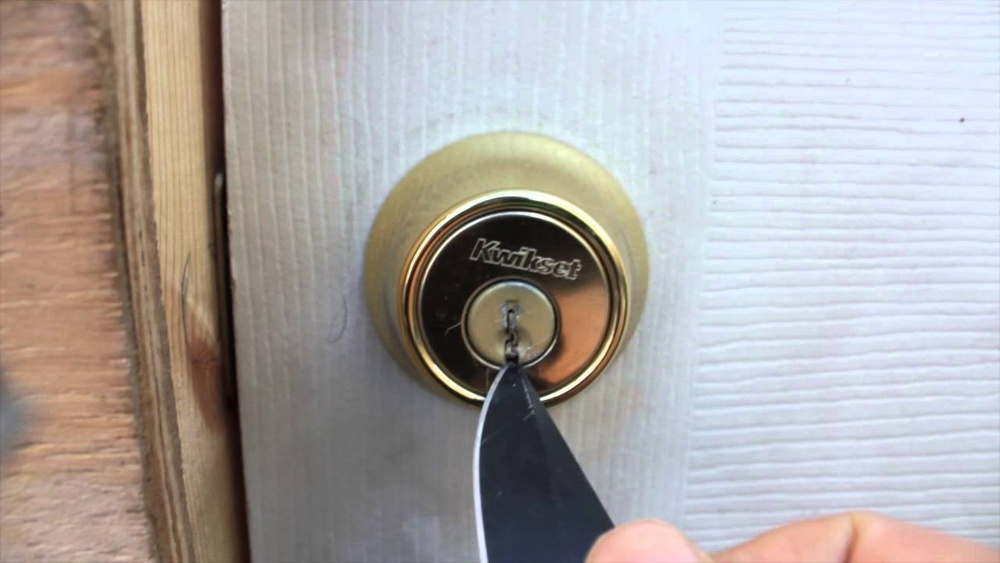
Hold the knife so the blade points straight at the lock. Insert the tip gently into the gap near the lock’s edge. Keep the blade flat against the lock surface. Avoid pushing too hard to stop damage. Move the knife slowly to find the right angle. This helps the blade slide into the lock easily. Keep your hand steady to control the knife better.
Blade Handling Tips
Grip the knife handle tightly but not too hard. Use your thumb and fingers to guide the blade with control. Do not twist the knife quickly; slow movements work best. Keep your wrist straight to avoid slips. Watch the blade tip carefully to prevent bending. Stop if you feel too much resistance. A steady, careful touch makes the process safer and easier.

Credit: www.wikihow.com
Techniques To Open The Lock
Opening a deadbolt lock with a knife requires careful techniques. These methods use the knife to move parts inside the lock. Patience and a steady hand help a lot. The following techniques show two common ways to try opening the lock.
Sliding Method
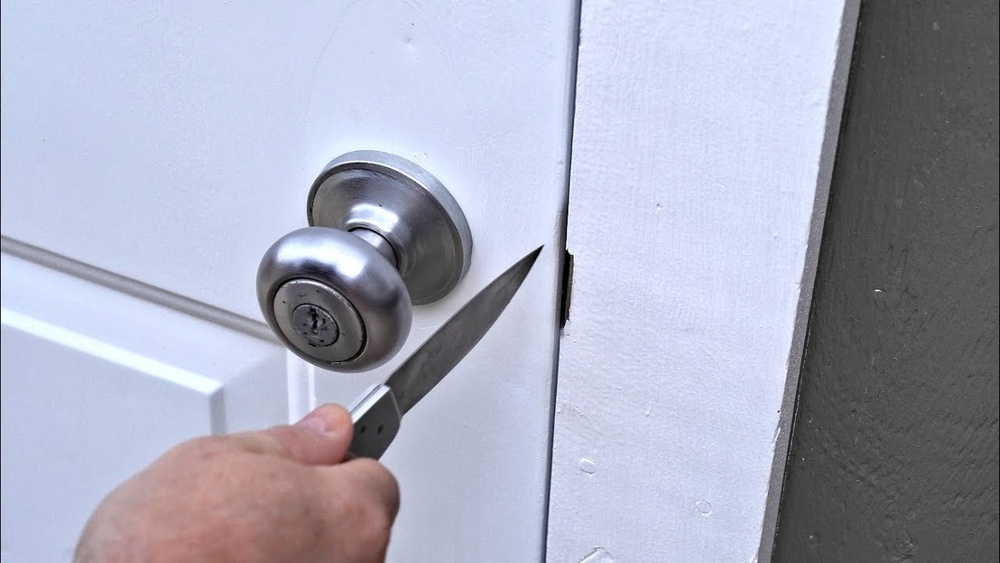
Use a thin, sturdy knife for this method. Insert the knife blade between the door and the frame. Slide the knife down toward the latch bolt. Push the blade gently to move the bolt back. Keep the knife steady and apply slow pressure. The goal is to force the bolt to retract. This method works best on simple deadbolts with weak springs.
Lever Method
Insert the knife blade into the gap near the deadbolt. Use the knife as a lever to push the bolt. Try to catch the edge of the bolt with the knife tip. Apply pressure outward to shift the bolt. This method needs precise control and patience. It works on some locks with a loose bolt mechanism.
Troubleshooting Common Issues
Troubleshooting common issues can save time and reduce frustration. Opening a deadbolt lock with a knife is tricky. Small problems can block your progress. This section covers two frequent issues and how to fix them quickly.
Stuck Deadbolt
A deadbolt may get stuck due to dirt or rust inside. Try moving the knife gently to avoid damage. Use light pressure to push or pull the bolt. Sometimes, tapping the lock softly helps loosen it. Avoid forcing the knife hard, or the lock may break. If stuck, try wiggling the knife slowly side to side. This can free the bolt and allow it to move.
Knife Slippage
Knife slippage happens when the blade slips out of place. Keep your hand steady and hold the knife firmly. Use a knife with a thin, stiff blade for better control. Avoid using a flexible or dull blade that bends easily. Place the knife carefully inside the lock’s gap. Move it slowly to keep it from sliding out. Wearing gloves can improve your grip and reduce slippage.
When To Call A Professional
Trying to open a deadbolt lock with a knife can be tricky. Sometimes, the lock is too complex or delicate to handle alone. Knowing when to call a professional locksmith saves time and prevents damage.
Signs Of Complex Locks
Some deadbolts have extra security features. These locks may have hardened steel or multiple locking points. If the lock feels very stiff or won’t turn, it might be complex. Also, electronic or smart deadbolts need special tools and skills. Avoid forcing these locks. They need expert help.
Avoiding Damage
Using a knife on a deadbolt can scratch or break the lock. This may cause the door or lock to fail later. Forcing the knife can damage the door frame too. Professionals use the right tools to protect your door. Calling a locksmith helps avoid costly repairs.
Safety Precautions
Opening a deadbolt lock with a knife can be risky. Safety must come first. This section covers important safety rules. These rules protect you and others from harm or trouble.
Personal Safety
Always wear gloves to protect your hands. A knife can slip and cause cuts. Use a knife with a sturdy handle. Weak knives may break and hurt you. Work in a well-lit area to see clearly. Avoid rushing to prevent accidents. Keep your fingers away from the blade’s path.
Legal Considerations
Know the law in your area. Opening locks without permission can be illegal. Only try this on locks you own or have permission to open. Using this method on someone else’s property can lead to fines or jail. Always respect others’ property and privacy. If unsure, seek professional help to avoid legal trouble.
Frequently Asked Questions
Can You Open A Deadbolt Lock With A Knife?
Yes, it is possible but difficult. A knife can sometimes manipulate the lock’s latch or cylinder. However, this requires skill, the right type of knife, and specific lock conditions.
What Type Of Knife Works Best To Open Deadbolts?
A thin, sturdy knife like a butter knife or a flathead can be useful. It needs to fit between the door frame and the latch to apply pressure and slide the bolt back.
Is Opening A Deadbolt With A Knife Legal?
Only attempt to open a deadbolt with a knife on locks you own or have permission to access. Unauthorized entry is illegal and punishable by law.
How Can I Improve Success When Using A Knife On Deadbolts?
Apply steady pressure and wiggle the knife carefully to manipulate the latch. Patience and gentle movements reduce the risk of damaging the lock or door.
Conclusion
Opening a deadbolt lock with a knife takes care and patience. It is not always easy or quick. Using the right technique helps avoid damage. Practice on old locks first to gain skill. Always stay calm and focused during the process.
Remember, this method is for emergencies only. Respect others’ property and privacy at all times. Knowing these steps can save you trouble someday. Keep safety and caution as your top priorities.