Are you tired of struggling to hang heavy items on your walls, only to have screws slip out or walls crack? Knowing how to put wall anchors with a drill can make all the difference.
It’s a simple skill that gives your walls the strength they need to hold up shelves, mirrors, or artwork securely. In this guide, you’ll learn easy, step-by-step instructions that anyone can follow, even if you’ve never used wall anchors before.
Keep reading, and you’ll gain the confidence to tackle your next project like a pro—no more worrying about your decorations falling down!
:max_bytes(150000):strip_icc()/how-to-use-and-discard-anchor-screws-1822671-Final-ec8091ccf65241b1b1f888549f25003a.jpg)
Credit: www.thespruce.com
Choosing The Right Wall Anchors
Choosing the right wall anchors is key for a strong hold. Using the wrong type can cause damage or fail to support weight. Understand the types, match them to your wall, and know the weight limits. This helps you pick anchors that keep your items safe and secure.
Types Of Wall Anchors
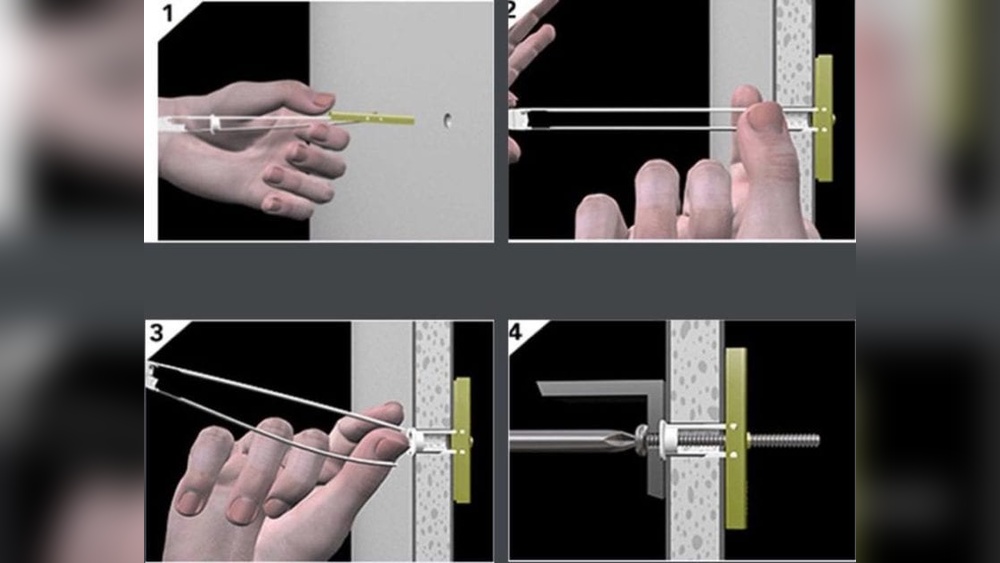
There are several types of wall anchors. Plastic expansion anchors are common and good for light loads. Toggle bolts work well for heavy objects and hollow walls. Molly bolts expand inside the wall for medium strength. Choose based on how much weight you need to support.
Matching Anchors To Wall Material
Different walls need different anchors. Drywall anchors work best in drywall or plaster. Concrete and brick need anchors made for masonry. Hollow walls require anchors that spread inside the cavity. Check your wall type before picking an anchor to ensure a secure fit.
Weight Capacity Considerations
Each anchor has a weight limit. Always check the package for maximum weight. Add extra support for heavy items like shelves or TVs. Using anchors rated for the correct weight prevents accidents. Never guess or use anchors with low weight limits.
Credit: www.homedepot.com
Tools Needed For The Job
Before starting to put wall anchors with a drill, gather all the right tools. Using the correct tools makes the job easier and safer. It also helps the wall anchors hold better and last longer.
Selecting The Correct Drill Bit
Choose a drill bit that matches the size of the wall anchor. The hole must be the right size for the anchor to fit tightly. Too big or too small can cause the anchor to fail. Check the anchor packaging for the drill bit size suggestion. Use a sharp, clean drill bit for smooth drilling.
Additional Tools And Materials
Besides the drill and drill bit, some extra tools help the job. A screwdriver is needed to insert the anchor after drilling. A hammer may help to tap the anchor gently into the hole. A pencil or marker is useful to mark the drill spots on the wall. Safety glasses protect your eyes from dust and debris. A level ensures the anchors are straight for hanging items properly.
Preparing The Wall
Preparing the wall is the first step before putting wall anchors with a drill. This step ensures the anchors fit tightly and hold well. Proper preparation prevents damage and makes the job easier.
Take your time to prepare the wall carefully. It helps you avoid mistakes and unsafe conditions.
Marking Drill Points
Start by deciding where to place the wall anchors. Use a pencil to mark the exact drill points on the wall. Measure twice to keep marks accurate and even.
Keep the marks clear but light. This helps you drill in the right spots without confusion.
Checking For Obstacles Behind The Wall
Check for pipes, wires, or studs behind the wall before drilling. Use a stud finder or a wall scanner tool for this.
Drilling into wires or pipes can be dangerous and cause costly damage. Make sure the area is safe to drill.
Drilling The Hole
Drilling the hole is the first step to install wall anchors properly. It creates space for the anchor to fit securely. The right drilling technique makes sure the anchor holds tight and doesn’t slip out. Follow simple steps to drill accurately and safely.
Setting The Drill Speed
Set the drill speed based on the wall material. Use a slow speed for hard surfaces like concrete or brick. Higher speed works for soft walls like drywall. Slow speed keeps the drill bit from overheating. It also helps you control the drill better.
Drilling At The Right Depth And Angle
Measure the anchor length before drilling. Mark the drill bit with tape to avoid drilling too deep. Hold the drill straight, at a 90-degree angle to the wall. This keeps the hole clean and the anchor secure. Drill slowly and stop when you reach the marked depth.
Inserting The Wall Anchor
Inserting the wall anchor is a key step for a strong hold. It sets the base to hold screws tightly. Follow the right method for best results. The anchor must fit well into the drilled hole. This step needs care and precision.
Pushing Or Tapping The Anchor In
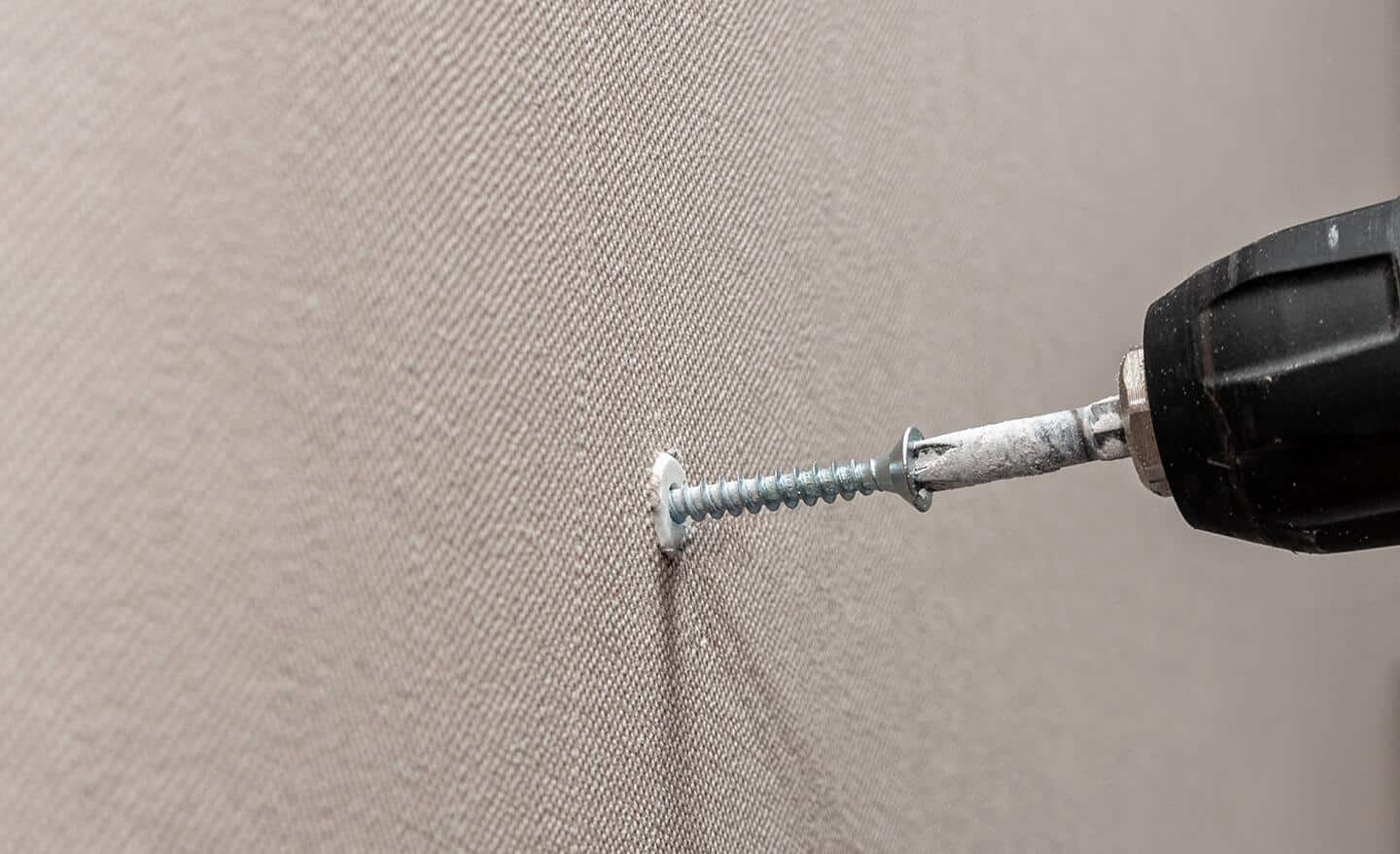
Start by placing the anchor at the hole’s opening. Push it gently with your fingers. If it resists, use a hammer to tap softly. Tap until the anchor is flush with the wall surface. Avoid pushing too hard to prevent damage. The anchor should sit snugly without bending or breaking.
Ensuring A Secure Fit
Check the anchor’s fit by wiggling it slightly. It should not move or fall out. A loose anchor will fail to hold screws securely. If loose, try a larger anchor or re-drill the hole. A tight fit means the wall can support the weight. This step ensures stability for your mounted item.
Attaching Fixtures
Attaching fixtures to the wall is the final step after placing wall anchors. This step holds your items firmly and safely. Proper attachment ensures your fixtures stay in place without damage. Follow clear steps to attach fixtures correctly and avoid common mistakes.
Choosing The Right Screws
Select screws that fit the wall anchors perfectly. The screw diameter should match the anchor size. Too small screws will not hold well. Too large screws can break the anchor or the wall. Use screws made of strong material like steel. Check the length of screws; it must be long enough to pass through the fixture and into the anchor securely.
Tightening Without Damaging The Anchor
Turn the screw slowly and steadily. Stop when the fixture is tight against the wall. Over-tightening can crack the anchor or damage the wall. Use a screwdriver or drill with a clutch setting. This helps control the force applied. If you feel resistance, stop turning. Leave the screw snug but not too tight. This keeps the fixture safe and stable for long use.
Tips For Strong Support
Strong support is key when installing wall anchors with a drill. Proper steps help secure your items and prevent damage. Follow these tips to ensure the anchors hold tight and last long.
Avoiding Common Mistakes
Choose the right anchor size for your wall and load. Drilling a hole too big or small weakens the hold. Always drill a hole that matches the anchor’s size exactly.
Do not skip cleaning the hole. Dust and debris reduce grip strength. Use a brush or blow air to clear the hole before inserting the anchor.
Do not force the anchor in. If it doesn’t fit easily, check the hole size again. Forcing can crack the wall or damage the anchor.
Testing The Anchor’s Strength
After installation, gently pull on the anchor to test its grip. It should feel firm with no movement. A loose anchor means you need to redo the hole and anchor.
Hang a lightweight object first. Check if the anchor holds well without slipping. Gradually increase the weight if it feels stable.
Use a level to confirm your item sits straight. Uneven weight can weaken the anchor’s hold over time.

Credit: www.uglyducklinghouse.com
Frequently Asked Questions
What Tools Are Needed To Put Wall Anchors With A Drill?
You need a drill, drill bit, wall anchors, screwdriver, and a pencil. These tools ensure proper hole size and secure anchor installation.
How Do I Choose The Right Drill Bit Size?
Select a drill bit matching the wall anchor diameter. This ensures a snug fit and prevents anchor failure.
Can I Use Wall Anchors On Drywall Or Plaster?
Yes, wall anchors work well on drywall and plaster. They provide extra support for hanging objects safely.
How Deep Should I Drill For Wall Anchors?
Drill a hole slightly deeper than the anchor length. This allows the anchor to fit fully and hold firmly.
Conclusion
Putting wall anchors with a drill is simple and safe. Choose the right anchor for your wall type. Drill a hole carefully and insert the anchor straight. Tighten screws slowly to avoid damage. This method holds items firmly on walls.
Practice a few times to gain confidence. Strong walls mean secure shelves, pictures, and more. Now, you can hang things with ease and trust.

