Have you ever faced the frustration of a stuck deadbolt that just won’t budge? When your key won’t turn or the lock feels jammed, it can throw off your entire day—and make you feel helpless right at your own door.
But don’t worry, you’re not alone, and there’s a simple way to fix this. In this guide, you’ll discover easy, step-by-step methods to remove a stuck deadbolt without calling a locksmith. Keep reading, and you’ll be back in control of your lock—and your peace of mind—in no time.

Credit: www.hunker.com
Common Causes Of A Stuck Deadbolt
A stuck deadbolt can cause major frustration at home or work. Understanding common causes helps fix the problem quickly. Many factors can make the deadbolt hard to move or jammed. Knowing these reasons helps you decide what to do next.
Weather And Temperature Effects
Cold weather makes metal parts shrink. This can cause the deadbolt to stick inside the lock. Heat can make wood around the door swell. Swollen wood pushes against the deadbolt, stopping it from moving smoothly. Moisture from rain or snow also affects the lock. It can make parts expand or freeze, leading to a stuck deadbolt.
Misalignment Issues
Doors shift over time. Hinges may loosen, causing the deadbolt to misalign. When the deadbolt and strike plate do not line up, the bolt cannot slide easily. Misalignment happens often after new locks are installed. Poor installation or settling of the building also causes this problem. A simple adjustment can sometimes fix it.
Rust And Corrosion
Rust builds up on metal parts due to moisture exposure. Corrosion thickens the deadbolt and lock mechanism. This buildup stops smooth movement and can cause the deadbolt to jam. Locks near the ocean or in humid areas are more prone to rust. Regular cleaning and lubrication help prevent rust.
Worn Or Damaged Components
Old locks wear out over time. Springs inside the lock can weaken or break. The bolt may become bent or chipped. Keys also wear down, making it hard to turn the lock. Damaged parts cause the deadbolt to stick or fail. Replacing worn components often restores proper function.
Tools Needed For Deadbolt Removal
Removing a stuck deadbolt requires the right tools for the job. Having these tools ready makes the process smoother and safer. This section lists essential items to prepare before starting.
Basic Hand Tools
Start with screwdrivers. Both flat-head and Phillips types are useful.
A wrench or pliers help loosen tight parts. A hammer may be needed for gentle taps.
A utility knife can cut through paint or sealant around the lock.
Lubricants And Cleaners
Use a spray lubricant like WD-40 to loosen rusty parts. It helps free stuck mechanisms.
Cleaning spray removes dirt and grime inside the lock. It improves smooth movement.
Replacement Parts
Have extra screws and bolts on hand. Old ones may break or strip during removal.
Keep a new deadbolt lock ready. You might need to replace the old one after removal.
Spare keys can also help test the lock after fixing or replacing it.
Step-by-step Deadbolt Removal
Removing a stuck deadbolt can seem hard. Follow these simple steps to take it out safely. This guide breaks down the process into clear parts. Each step helps you avoid damage to your door and lock.
Prepare The Door And Lock
Start by checking the door and lock carefully. Clear any objects near the door. Use a flashlight to see the lock parts well. Make sure the door is open or slightly ajar. This gives space to work and makes the removal easier.
Remove The Interior Knob Or Handle
Find the screws holding the inside knob or handle. Use a screwdriver to take out these screws. Keep the screws safe for later use. Pull the knob or handle away from the door gently. This step reveals the deadbolt assembly behind it.
Unscrew The Deadbolt Assembly
Look for screws on the deadbolt plate inside the door edge. Use the screwdriver to remove these screws. Hold the plate firmly to avoid dropping it. After removing the screws, the deadbolt assembly should be loose. Prepare to pull it out carefully.
Extract The Deadbolt Mechanism
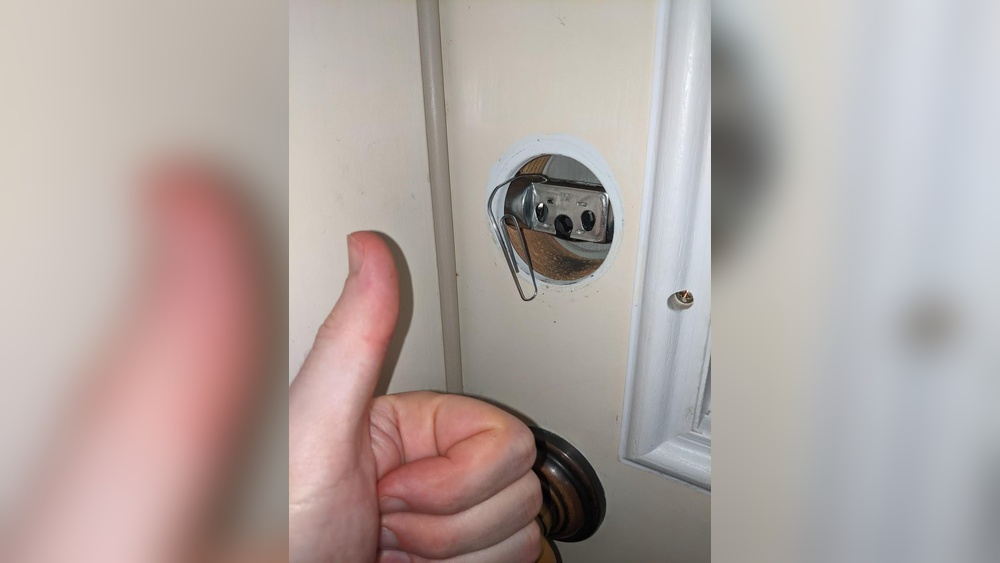
Grab the deadbolt mechanism with your hand. Pull it straight out from the door edge. If it sticks, wiggle it gently to free it. Avoid using force that could break the door. Once removed, check the mechanism for damage or dirt.

Credit: www.youtube.com
Quick Fixes To Free A Stuck Deadbolt
A deadbolt can get stuck for several reasons. Dirt, misalignment, or worn parts often cause this problem. Quick fixes can help free the deadbolt without calling a locksmith. These simple steps save time and effort. Try these easy methods before seeking professional help.
Lubricate The Lock Cylinder
Start by applying a lubricant to the lock cylinder. Use graphite powder or a silicone-based spray. Avoid oil-based lubricants that attract dust. Spray the lubricant into the keyhole and turn the key gently. This helps loosen stuck parts inside the lock.
Realign The Strike Plate
The strike plate may be out of place. Check if the deadbolt hits the plate correctly. Loosen the screws holding the strike plate. Move it slightly up, down, or sideways. Tighten the screws and test the deadbolt again. Proper alignment allows the bolt to slide smoothly.
Tighten Loose Screws
Loose screws can cause lock problems. Check all screws on the door and lock. Use a screwdriver to tighten any loose screws. This stabilizes the deadbolt and lock mechanism. A firm lock fits better and works without sticking.
Replace Damaged Parts
Damaged parts may block the deadbolt’s movement. Inspect the bolt, strike plate, and lock cylinder. Look for cracks, bends, or worn areas. Replace any broken or worn parts with new ones. New components restore the lock’s function and prevent future sticking.
Preventing Future Deadbolt Issues
Preventing future deadbolt issues saves time and stress. Small steps keep your lock working smoothly. Regular care avoids jams and stuck bolts. Follow these tips to keep your deadbolt in good shape.
Regular Maintenance Tips
Clean your deadbolt every few months. Use a soft cloth to wipe dirt and dust. Lubricate the lock with graphite or a silicone-based spray. Avoid oil-based lubricants as they attract dirt. Test the lock after maintenance to ensure smooth operation.
Seasonal Adjustments
Changes in weather affect your door and lock. Wood doors can swell in summer and shrink in winter. Check the deadbolt fit during each season. Adjust screws or strike plates to prevent misalignment. This keeps the bolt sliding easily without sticking.
Choosing Quality Locks
Invest in well-made deadbolts with good reviews. Strong materials resist wear and damage better. Simple designs are easier to maintain and fix. Choose locks with good warranties for extra security. Quality locks reduce the risk of future problems.

Credit: www.reddit.com
Frequently Asked Questions
How Do I Unlock A Stuck Deadbolt Without Damage?
To unlock a stuck deadbolt, first lubricate the keyhole and bolt with graphite powder or WD-40. Gently wiggle the key while turning. Avoid forcing it to prevent damage. If it still won’t turn, try tapping the bolt lightly or consult a locksmith for safe removal.
What Tools Are Needed To Remove A Stuck Deadbolt?
Common tools include a screwdriver, lubricant, pliers, and sometimes a drill. A lubricant like WD-40 helps loosen the mechanism. Screwdrivers assist in removing the lock’s faceplate. Pliers can help manipulate the bolt. Always use tools carefully to avoid damaging the door or lock.
Can I Fix A Stuck Deadbolt Myself?
Yes, you can fix a stuck deadbolt by cleaning, lubricating, and realigning the lock. Start with lubrication and gentle manipulation. If the bolt or key is damaged, replacement might be necessary. Simple fixes often solve the issue, but complex problems may require professional help.
Why Does My Deadbolt Get Stuck Frequently?
Deadbolts stick due to dirt buildup, rust, or misalignment. Weather changes can cause the door to swell, affecting bolt movement. Lack of lubrication increases friction inside the lock. Regular maintenance like cleaning and lubricating prevents frequent sticking.
Conclusion
Removing a stuck deadbolt can feel tricky but is doable. Use the right tools and stay patient throughout the process. Small steps often fix the problem without damage. If the deadbolt still won’t budge, calling a locksmith might help. Keep your lock clean and well-oiled to avoid future issues.
Taking care of your door hardware saves time and stress. Remember, safety matters most—don’t force parts too hard. You can fix a stuck deadbolt with care and simple steps.