Are you struggling to fit a new deadbolt into your door because the hole is just too small? You’re not alone.
Many homeowners face this exact problem when upgrading their locks. The good news is, enlarging a deadbolt hole is easier than you might think—and you don’t need to be a professional to do it. You’ll discover simple, step-by-step techniques to safely and accurately enlarge your deadbolt hole.
By the end, you’ll have the confidence to improve your door security without costly repairs or frustration. Keep reading to unlock the secrets to a perfect fit every time.

Credit: diy.stackexchange.com
Tools Needed
Enlarging a deadbolt hole requires the right tools. Using the correct tools makes the job easier and safer. This section lists all tools needed for the task.
Power Drill
A power drill is essential for making precise holes. Choose a drill with adjustable speed for better control.
Hole Saw Bit
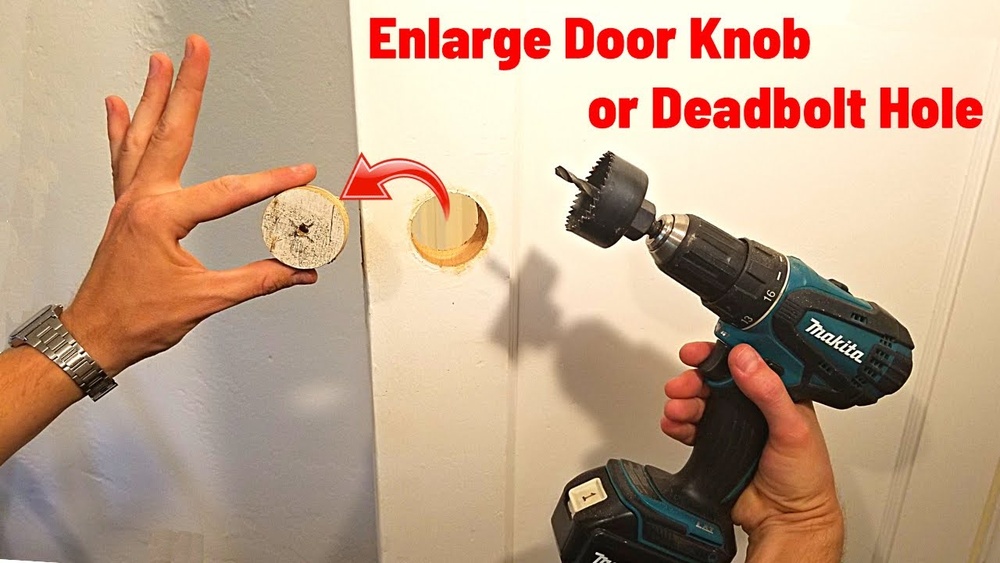
A hole saw bit matches the deadbolt size. It helps cut a clean, round hole in the door.
Spade Bit
Spade bits help enlarge existing holes. They come in various sizes for different needs.
Measuring Tape
Measure the door and hole size accurately. This ensures the new hole fits perfectly.
Pencil Or Marker
Mark the exact spot to enlarge the hole. Clear marks guide your drilling process.
Chisel
A chisel cleans up rough edges after drilling. It shapes the hole for a snug deadbolt fit.
Safety Glasses
Wear safety glasses to protect your eyes from debris. Always prioritize safety during drilling.
Measure The Existing Hole
Measuring the existing hole is the first step to enlarge a deadbolt hole correctly. Accurate measurements help avoid mistakes and ensure a perfect fit for your new deadbolt. Take your time and use the right tools for precise results.
Measure The Diameter Of The Hole
Use a tape measure or caliper to find the hole diameter. Place the tool across the widest part of the hole. Note the size in inches or millimeters. This number shows how much you need to enlarge the hole.
Check The Backset Distance
The backset is the distance from the door edge to the hole center. Use a ruler to measure this length carefully. Most deadbolts need a backset of either 2 3/8 inches or 2 3/4 inches. Knowing this helps pick the right deadbolt size.
Measure The Door Thickness
Measure the door’s thickness at the lock area. Use a tape measure to get this number. Deadbolts come in different sizes for door thickness. This step ensures the deadbolt will fit securely and work well.
Mark The New Hole Size
Marking the new hole size is an important step when enlarging a deadbolt hole. This step ensures the hole fits the lock perfectly. Take your time to measure and mark carefully. A well-marked hole guides your drilling and cutting.
Accurate marks prevent mistakes and save time. Use the right tools to get clear, precise lines. This part of the process sets the foundation for a secure deadbolt installation.
Gather The Right Measuring Tools
Start by collecting tools like a tape measure, pencil, and a hole template. These help you measure the needed hole size. The template often comes with the deadbolt. It shows the exact dimensions to mark.
Measure the current hole’s diameter first. Use the tape measure or caliper for accuracy. Write down this measurement. Knowing the old size helps you mark the new, larger hole correctly.
Determine The New Hole Size
Check your lock’s instructions for the new hole size. Usually, the new hole is bigger than the old one. Mark this size on the door surface using the template or your measurements.
Mark The Hole’s Center Point
Find the exact center of the new hole on the door. Use a pencil to make a small dot. This center point is your drill’s starting spot. It keeps the hole aligned properly.
Draw The Outline Of The New Hole
Use the hole template or a compass to draw the circle. Make sure the outline matches the new hole size exactly. A clear outline helps guide your drilling and cutting tools.
Double-check Your Marks
Before drilling, review all your marks carefully. Measure again to confirm accuracy. Mistakes here can cause fitting problems later. Take a moment to ensure everything is perfect.
Choose The Right Drill Bit
Choosing the right drill bit is key to enlarging a deadbolt hole safely and accurately. A proper drill bit helps you avoid damaging the door or lock. It also makes the job faster and cleaner.
Different drill bits fit different materials and hole sizes. Using the wrong bit can crack wood or ruin metal. Knowing which bit to pick will save time and effort.
Types Of Drill Bits For Deadbolt Holes
Wood drill bits work best for wooden doors. They have sharp points that start the hole easily. For metal doors, use high-speed steel bits. These bits cut through metal smoothly. Spade bits are good for quick wood drilling. Hole saw bits create larger holes but need careful control.
Choosing The Right Size
Match the drill bit size with the deadbolt’s specifications. The hole should be slightly bigger than the lock’s body. Too small a bit will not fit the lock. Too large a bit weakens the door. Check the deadbolt’s instructions for correct measurements.
Material Matters
Consider the door material before selecting a drill bit. Softwood needs different bits than hardwood. Metal doors require bits designed for metal cutting. Using the right bit material prevents damage and wear. It also improves drilling speed and smoothness.
Drill The Enlarged Hole
Drilling the enlarged hole is an important step in fitting a deadbolt properly. This process requires care and precision. The goal is to make the hole just the right size for the deadbolt to fit securely.
Using the right tools and technique will help avoid damage to the door. Preparing the area and marking the spot clearly also makes drilling easier. Safety is key during this step to prevent accidents.
Choose The Correct Drill Bit Size
Select a drill bit slightly larger than the original hole. Check the deadbolt instructions for exact measurements. Using the right size prevents the deadbolt from being loose or too tight.
Mark The Drilling Area Clearly
Use a pencil or tape to mark the drilling spot. Ensure the mark is centered and visible. This helps guide the drill and keeps the hole accurate.
Secure The Door Firmly
Clamp the door or keep it steady to avoid movement. A stable door reduces the risk of slipping or uneven holes. Stability ensures a smooth drilling process.
Drill Slowly And Steadily
Start drilling at a slow speed to control the hole size. Apply gentle pressure and let the drill do the work. Slow drilling prevents splintering and damage to the door surface.
Check The Hole Size Frequently
Stop drilling occasionally to test the hole size. Use the deadbolt or a measuring tool for accuracy. Adjust drilling as needed to reach the perfect fit.
Smooth The Edges
Smoothing the edges of the deadbolt hole is an important step after enlarging it. Rough edges can cause problems when installing the lock. They may damage the lock or prevent it from fitting properly. A smooth hole ensures the deadbolt works well and lasts longer.
Take time to carefully smooth the edges. It helps the lock sit tight and look neat. Use simple tools and follow easy steps to get the best result.
Tools Needed For Smoothing Edges
Prepare a round file or a sanding block. Fine-grit sandpaper also works well. These tools help remove sharp bits and rough spots. Choose tools that fit the hole size for better control.
How To Smooth The Edges Safely
Hold the file or sandpaper at an angle. Move it gently around the hole edge. Keep the pressure even and steady. Check often to avoid removing too much material. This method keeps the hole shape correct and smooth.
Check The Hole For Sharp Spots
Run your finger carefully around the hole edge. Feel for any sharp or rough areas. Smooth these spots again with the file or sandpaper. Repeat until the entire edge feels clean and even.
Test The Deadbolt Fit
Testing the deadbolt fit is a key step after enlarging the hole. It ensures the lock fits well and works smoothly. A tight or loose fit can cause problems with locking and unlocking. Taking time to test the fit saves effort later.
Check the deadbolt’s position in the hole. It should slide in without force. If it feels stuck, the hole may need more smoothing or widening. If it moves too freely, the hole might be too big.
Insert The Deadbolt Carefully
Place the deadbolt gently into the enlarged hole. Avoid pushing hard. The lock should fit snugly without gaps. Adjust the hole size as needed before fixing the lock permanently.
Check The Alignment
Make sure the deadbolt lines up with the door’s edge plate. Misalignment can cause the bolt to jam. Adjust the hole or plate position for a straight fit. Proper alignment improves security and ease of use.
Test The Lock Mechanism
Turn the key or knob several times. The bolt should move smoothly in and out. Any resistance means the hole or lock needs tweaking. Smooth operation is crucial for daily use and safety.
Make Final Adjustments
After testing, mark any tight spots. Use a file or drill to fine-tune the hole. Re-test after each adjustment. Aim for a secure but easy fit to keep the door safe.

Credit: www.youtube.com
Tips For Preventing Damage
Enlarging a deadbolt hole can be tricky. Mistakes can cause damage to your door or lock. Protect your door by using careful methods. Follow these tips to prevent damage and get a clean result.
Use The Right Tools
Select tools designed for wood or metal. A hole saw or spade bit works well. Avoid using tools that are too big or dull. Sharp tools make cleaner cuts and reduce splintering.
Measure Twice, Cut Once
Mark the hole size carefully on your door. Double-check measurements before drilling. Small errors can cause big problems. Take your time to ensure precision.
Drill Slowly And Steadily
Apply gentle pressure when drilling. Fast drilling can crack the wood or metal. Keep the drill steady to avoid uneven holes. Slow work prevents mistakes and damage.
Protect The Door Surface
Place painter’s tape over the drilling spot. Tape stops splinters and keeps the surface smooth. It also helps mark the hole location clearly. This simple step saves your door’s finish.
When To Seek Professional Help
Enlarging a deadbolt hole might seem simple at first. Yet, some situations need expert help. Knowing when to call a professional can save time and avoid damage. It ensures your door stays strong and secure.
Complex Door Materials
Some doors are made of hard materials like metal or fiberglass. These need special tools and skills to work on. Trying to enlarge the hole yourself can cause cracks or other damage. Professionals have the right equipment for these materials.
Incorrect Measurements
Measuring the hole wrong can cause problems. If the hole is too big or off-center, the lock might not fit properly. Fixing this mistake can be tricky. A professional locksmith can correct the hole size and alignment with precision.
Damaged Door Frame
If the door frame is weak or cracked, enlarging the hole may worsen the damage. Experts can assess the door’s condition first. They can repair or reinforce the frame before changing the hole size. This keeps the door safe and stable.
Unusual Lock Types
Some deadbolts require special hole sizes or shapes. Custom locks need careful adjustments. Professionals know the specific needs of different locks. They ensure the hole matches the lock perfectly for smooth operation.
Lack Of Proper Tools
Enlarging a deadbolt hole needs certain drills and bits. Without these, the job becomes hard and unsafe. Using the wrong tools can ruin the door or lock. Professionals come prepared with all necessary tools for a clean job.

Credit: diy.stackexchange.com
Frequently Asked Questions
How Do You Enlarge A Deadbolt Hole Safely?
Use a hole saw slightly larger than the existing hole. Mark the center, drill slowly, and keep the drill steady to avoid splintering wood.
What Tools Are Needed To Enlarge A Deadbolt Hole?
You need a power drill, a hole saw bit, measuring tape, pencil, and safety goggles for protection.
Can I Enlarge A Deadbolt Hole Without Damaging The Door?
Yes, by measuring carefully and drilling slowly, you can avoid damage. Use painter’s tape to prevent splinters.
What Size Hole Saw Is Best For Deadbolt Enlargement?
Typically, a 2-1/8 inch hole saw fits most deadbolt locks. Confirm your lock size before selecting the bit.
Conclusion
Enlarging a deadbolt hole can improve your door’s security and fit. Use the right tools and measure carefully before starting. Take your time and follow each step with care. This helps avoid mistakes and damage to the door. A properly sized hole makes installing the deadbolt easier.
You can do this project with basic skills and patience. Stay safe and wear protective gear while working. Now, you are ready to improve your door’s strength confidently.