If you’ve ever worked in a crawl space, you know how frustrating it is when your floor jacks start sinking into the soft ground. It slows down your work, makes the space unsafe, and can even damage your equipment.
But what if there was a simple way to keep your jacks steady and secure every time you need them? You’ll discover easy, practical tips to stop your floor jacks from sinking—helping you work faster, safer, and with less stress.
Keep reading, and you’ll never have to worry about sinking jacks again.
Credit: www.baycrawlspace.com
Causes Of Floor Jack Sinking
Floor jacks in crawl spaces can sink due to several common causes. Understanding these causes helps prevent damage and ensures safety. The main reasons involve the ground beneath the jack and the conditions inside the crawl space. Each factor affects how well the jack holds its position.
Soil Composition And Moisture
Soft or loose soil does not support heavy weight well. Clay or sandy soil can shift under pressure. Moisture in the soil makes it weaker and more prone to sinking. Wet soil loses its firmness, causing the jack to sink deeper. Dry, compact soil offers the best support for floor jacks.
Weight Distribution Challenges
Uneven weight on the floor jack creates pressure points. Concentrated weight pushes the jack into the soil more quickly. The size and shape of the jack’s base also matter. A small base puts more pressure on the ground. A wider base spreads the weight and reduces sinking risks.
Crawl Space Conditions
Crawl spaces often have limited clearance and poor ventilation. These conditions lead to dampness and mold growth. Moist air increases soil moisture and weakens its strength. Debris and uneven ground in crawl spaces also affect jack stability. Keeping the space clean and dry helps prevent sinking.
Choosing The Right Floor Jack
Choosing the right floor jack is key to stopping it from sinking in a crawl space. The right jack supports your floor well and stays steady on soft ground. Picking the correct type, weight capacity, and materials helps keep your jack safe and your space secure.
Types Of Floor Jacks
Floor jacks come in many types. Bottle jacks are small and easy to move. Hydraulic jacks lift heavy loads smoothly. Scissor jacks use a screw mechanism and work well for light jobs. Choose a type that fits your crawl space size and the work you need.
Load Capacity Considerations
Always check the load capacity of a floor jack. The jack must hold the weight of the floor or object safely. Using a jack with too low capacity risks sinking or breaking. Pick a jack with a higher load limit than your floor weight for safety.
Material And Durability
Strong materials make jacks last longer and resist damage. Steel jacks are tough and handle heavy loads well. Aluminum jacks are lighter but still strong. Choose a durable jack that can stand moisture and dirt in crawl spaces without rusting or weakening.
Preparing The Crawl Space
Preparing the crawl space is a key step to stop floor jacks from sinking. A well-prepared area supports the jacks better and keeps your home safe. This part of the home often collects dirt, moisture, and loose soil. Fixing these issues first makes a big difference.
Clearing Debris And Leveling
Remove all debris such as leaves, wood, and trash from the crawl space. Clear dirt piles and old materials that block the floor. After cleaning, check the ground for uneven spots. Use a shovel to level the surface. A flat, smooth floor helps jacks stay steady and strong.
Moisture Control Techniques
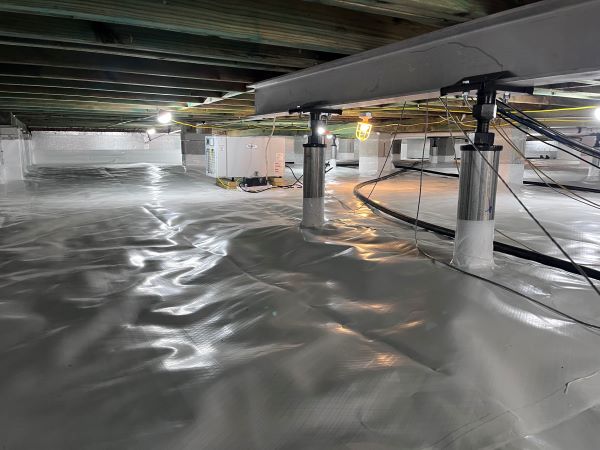
Moisture makes the soil soft and weak. Keep the crawl space dry by sealing cracks and vents. Use a vapor barrier, a plastic sheet, to cover the ground. This stops water from rising up. A dry crawl space holds the jack firm without sinking.
Improving Ground Stability
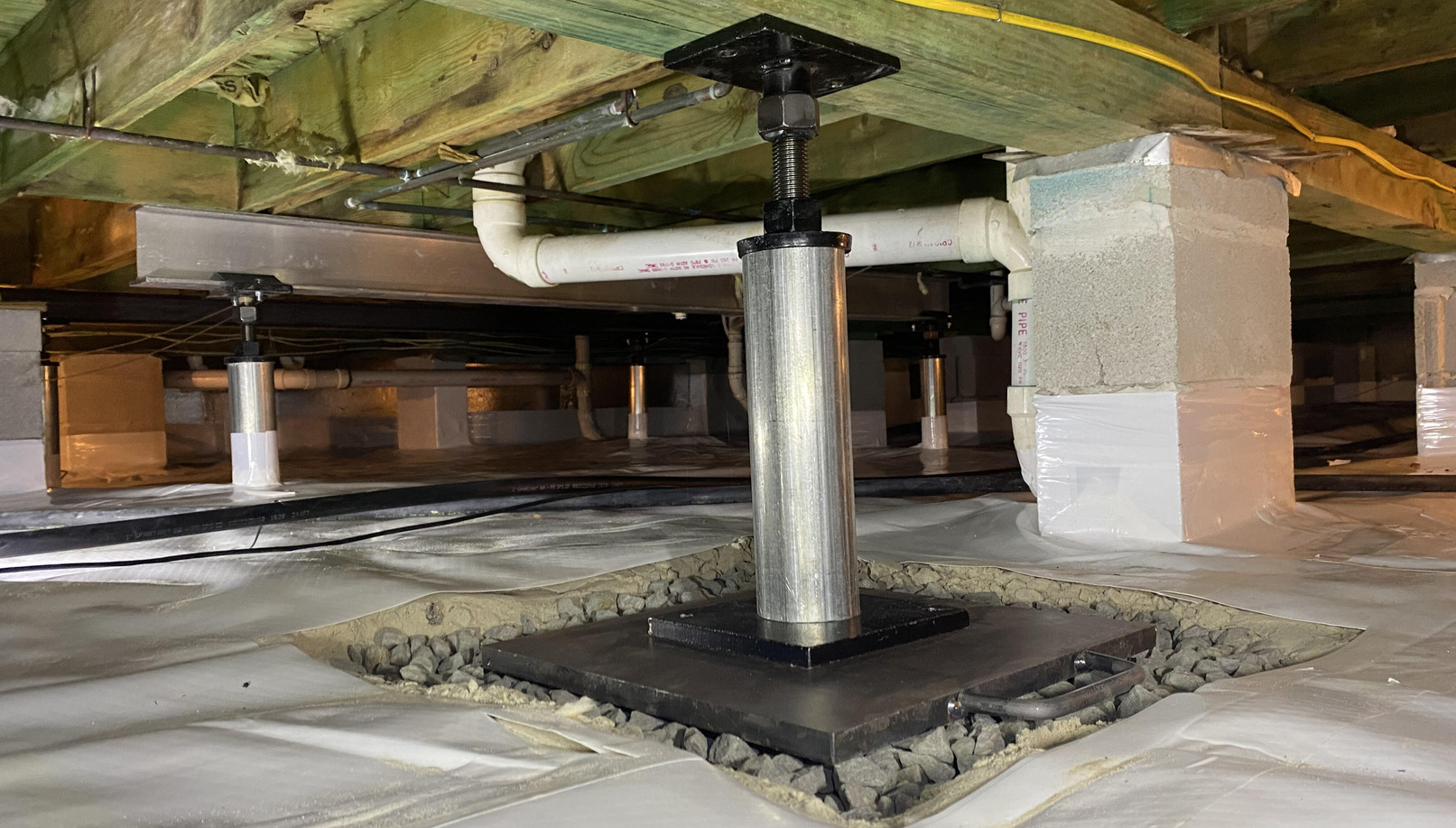
Add materials like gravel or crushed stone to the soil. These improve drainage and make the ground tougher. Compact the soil after adding materials to avoid loose spots. Strong ground stops jacks from slipping or sinking. This keeps the floor stable and secure.
Credit: www.baycrawlspace.com
Techniques To Prevent Sinking
Floor jacks in crawl spaces often sink into soft or uneven ground. This can cause instability and safety issues. Preventing sinking keeps your jack steady and your work safe. Several simple techniques help spread the weight and support the jack properly.
Using Support Pads Or Plates
Support pads or plates go under the jack’s base. They spread the load over a larger surface. This reduces pressure on the ground. Common materials include metal or hard plastic. These pads prevent the jack from digging into soft soil.
Adding Wooden Or Metal Base
Placing a wooden or metal base under the jack stabilizes it. A thick piece of wood or metal sheet works well. It creates a firm platform for the jack. This base stops the jack from sinking into mud or loose dirt. Make sure the base is wide enough for good balance.
Spreading Load Over Larger Area
Spreading the load reduces ground pressure. Use wide boards or metal sheets to increase contact area. The wider the surface, the less chance of sinking. This method works well on soft or uneven ground. It helps keep the jack level and safe during use.
Maintenance And Monitoring
Proper maintenance and monitoring are key to stopping floor jacks in crawl spaces from sinking. Regular care helps catch problems early. It also keeps the jacks stable and safe. A routine check saves time and money later. This section covers easy steps to maintain and watch your jacks closely.
Regular Inspection Tips
Check your floor jacks at least once a month. Look for signs of sinking or tilting. Notice any cracks or soft spots on the ground. Use a level tool to see if the jack stands straight. Listen for unusual noises when the jack supports weight. Take notes of any changes. Early detection prevents serious damage.
Adjusting Jack Position
Move the jack slightly if it starts to sink or lean. Shift it to a firmer ground spot nearby. Always lift the load carefully before adjusting. Keep the jack base flat on the soil. Avoid sharp or sudden movements. Small adjustments keep the jack balanced. This helps spread the weight evenly.
Handling Ground Shifts
Ground shifts happen due to moisture or soil settling. Add gravel or wooden boards under the jack base. This improves support and prevents sinking. Use a moisture barrier to reduce soil wetness. Check the area after heavy rain or storms. Fix any uneven ground quickly. Proper ground care keeps jacks steady longer.
Alternative Support Solutions
Keeping floor jacks stable in a crawl space is a common challenge. Sinking jacks can cause uneven support and damage. Using alternative support solutions helps prevent this problem. These options provide safer and more reliable support under your home.
Hydraulic Jack Alternatives
Hydraulic jacks are common but can sink on soft ground. Steel screw jacks offer a strong, adjustable alternative. They spread weight evenly and resist sinking better. Another option is bottle jacks with wider bases. These provide more surface area and better stability. Using wood blocks under jack bases also helps. It creates a solid platform and stops sinking.
Permanent Support Systems
Permanent supports give long-lasting stability in crawl spaces. Steel columns or piers are driven deep into the ground. They carry heavy loads without shifting or sinking. Concrete footings provide a strong base for these supports. Installing these systems requires careful measurement and setup. They reduce the need for temporary jacks and constant adjustments.
Professional Assistance Options
Experts can assess crawl space conditions and recommend solutions. Structural engineers design support systems tailored to your home. Contractors install permanent supports safely and correctly. Professionals also check for moisture issues that weaken soil. Their help ensures lasting stability and peace of mind.

Credit: www.foundationrepairofca.com
Frequently Asked Questions
How Can I Prevent Floor Jacks From Sinking In Crawl Spaces?
Use sturdy, wide base plates or plywood under jacks to distribute weight evenly. This prevents sinking on soft or uneven crawl space soil.
What Materials Work Best Under Floor Jacks In Crawl Spaces?
Thick plywood, metal jack pads, or solid concrete blocks provide stable support. These materials help spread the load and reduce soil compression.
Why Do Floor Jacks Sink In Crawl Spaces?
Floor jacks sink due to soft, loose, or moist soil that can’t bear heavy loads. Uneven ground and lack of proper base support worsen sinking issues.
How Often Should I Check Floor Jacks In Crawl Spaces?
Inspect floor jacks every 3 to 6 months for stability. Regular checks help detect sinking early and prevent structural damage.
Conclusion
Keeping floor jacks from sinking in crawl spaces takes simple steps. Use sturdy boards or metal plates under the jacks. Check the ground for soft spots before placing jacks. Keep an eye on jack positions during work. These tips help keep your project safe and steady.
A stable jack means less risk of accidents or damage. Taking time to prepare saves effort later. Strong support keeps your crawl space work easier and safer. Small changes make a big difference in jack stability.