Hanging something on a concrete wall can feel tricky if you don’t know the right steps. Maybe you want to hang a picture, a shelf, or some decorations, but you’re unsure how to get a hook to stay firmly in place.
Don’t worry—you’re closer to solving this than you think. In this guide, you’ll learn simple, clear methods to put a hook on your concrete wall without damage or hassle. By the end, you’ll have the confidence to hang anything securely and make your space look just the way you want.
Ready to get started? Let’s dive in!
Credit: www.youtube.com
Choosing The Right Hook
Choosing the right hook for a concrete wall is important. The right hook holds your items safely and lasts long. Several factors affect which hook fits best. Knowing these helps you pick the perfect hook for your needs.
Types Of Hooks For Concrete
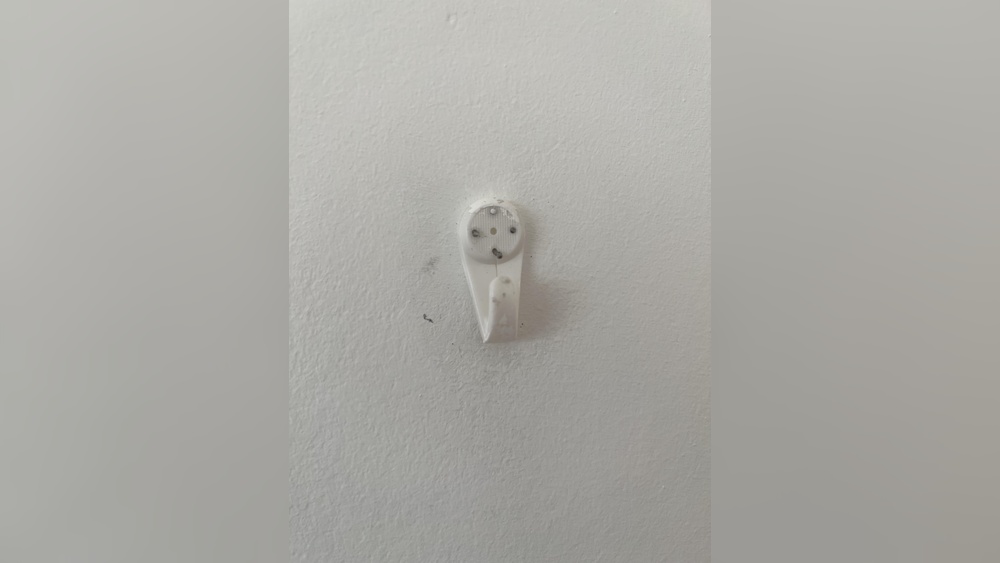
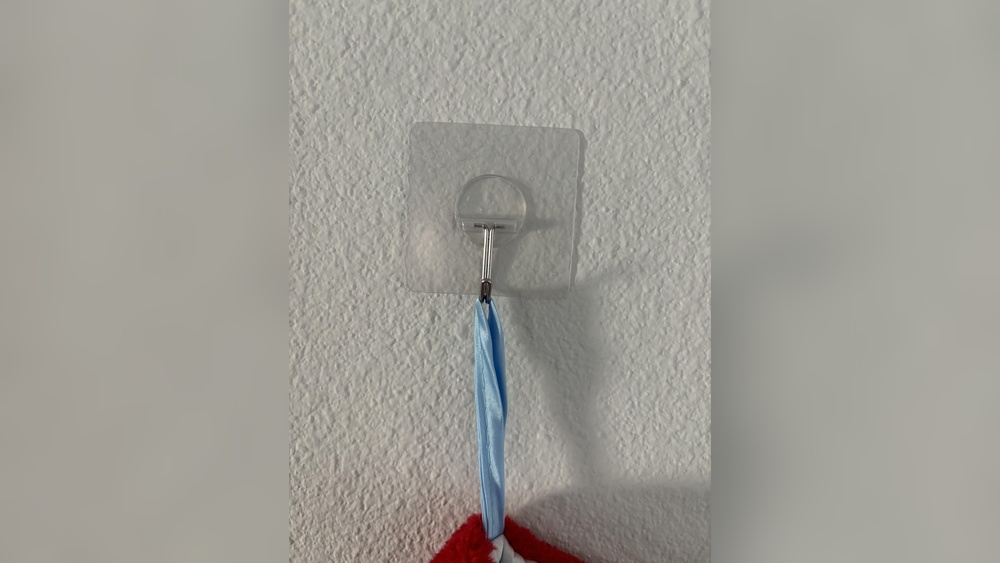
Concrete walls need strong hooks. Some common types are screw hooks, expansion hooks, and adhesive hooks. Screw hooks go deep into the wall. Expansion hooks widen inside the hole for a tight fit. Adhesive hooks stick to the surface and need no drilling. Each type works best for different uses.
Weight Capacity Considerations
Check the hook’s weight limit before buying. The hook must hold your item’s weight safely. Heavy items need hooks with high weight capacity. Light hooks can break under heavy load. Always choose a hook that supports more than your item’s weight.
Material And Durability
Hooks come in metal, plastic, or stainless steel. Metal hooks are strong but can rust. Stainless steel hooks resist rust and last longer. Plastic hooks suit light items and dry areas. Pick material based on where you place the hook and the item’s weight.

Credit: www.wikihow.com
Gathering Necessary Tools
Before you start putting a hook on a concrete wall, gather all the tools you need. Having the right tools makes the job easier and safer. It also helps you finish the work faster and with better results.
Below are the key tools you must have ready. Each tool plays an important role in the process. Knowing what to use and why helps you avoid mistakes.
Drill And Drill Bits
A good drill is essential for making holes in concrete. Use a hammer drill if you have one. It works better on hard surfaces like concrete.
Choose drill bits made for concrete. These bits are stronger and last longer. Pick the right size bit for the anchors you will use. Too small or too big can cause problems.
Anchors And Screws
Anchors hold the hook firmly in the concrete. There are many types like plastic, metal, and sleeve anchors. Pick anchors that fit your hook and wall thickness.
Match screws to the anchors. The screws must fit tightly in the anchors to hold well. Using the wrong screws can make the hook loose or fall.
Safety Gear
Protect yourself by wearing safety gear. Use safety glasses to protect your eyes from dust and debris. Wear gloves to protect your hands from sharp edges and rough surfaces.
A dust mask can help you avoid breathing in harmful dust. Closed shoes protect your feet from falling tools or debris. Safety gear keeps you safe and comfortable while working.
Preparing The Concrete Wall
Preparing the concrete wall is the first step to putting a hook safely and securely. This step helps the hook stay strong for a long time. You need to get the wall ready before you drill or place the hook. Proper preparation also avoids damage to the wall and keeps the hook stable.
Cleaning The Surface
Start by cleaning the wall surface. Remove dust, dirt, and loose particles. Use a brush or a damp cloth to wipe the area. A clean surface helps the hook stick better. Dirt can make the hook slip or fall later.
Marking The Hook Position
Next, decide where to put the hook. Use a pencil or marker to make a small mark. Measure carefully to place the hook at the right height and spot. Clear marking saves time and avoids mistakes during drilling.
Checking For Obstructions
Check inside the wall for wires or pipes. Use a stud finder or wall scanner. Avoid drilling into electric wires or water pipes. This prevents accidents and damage. Safety comes first when installing hooks on concrete walls.
Drilling Into Concrete
Drilling into concrete is a key step to hang hooks securely. It requires the right tools and careful technique. Concrete is hard and dense, so the drill bit must be strong. The process creates dust and debris that need managing. Follow simple steps to drill clean, precise holes for your hooks.
Selecting The Drill Bit Size
Choose a drill bit that matches the hook anchor size. The bit should be slightly smaller than the anchor diameter. This ensures a tight fit and strong hold. Use a masonry drill bit designed for concrete. Avoid regular bits as they wear out fast or break. Check the anchor package for recommended drill bit size.
Drilling Technique Tips
Start drilling at a low speed to avoid slipping. Hold the drill steady and apply firm pressure. Let the drill bit do the work without forcing it. Drill straight into the wall, not at an angle. Pause occasionally to remove the bit and clear dust. Finish drilling to the depth needed for the anchor.
Dealing With Dust And Debris
Concrete dust can be messy and harmful to breathe. Use a vacuum or brush to clear dust during drilling. Place tape or a small container under the hole to catch debris. Wear a dust mask and safety glasses for protection. Clean the hole fully before inserting the anchor to ensure a strong grip.
Installing Anchors
Installing anchors is a key step to hang hooks on a concrete wall. Anchors hold the hook firmly in place. Without anchors, the hook can easily fall off. Choosing the right anchor and placing it correctly ensures strong support.
Types Of Anchors For Concrete
Concrete walls need special anchors. Plastic anchors work for light loads. Metal anchors offer stronger hold for heavy items. Wedge anchors expand inside the hole for tight grip. Sleeve anchors also expand and fit snugly. Pick anchors based on the weight of what you hang.
Proper Insertion Methods
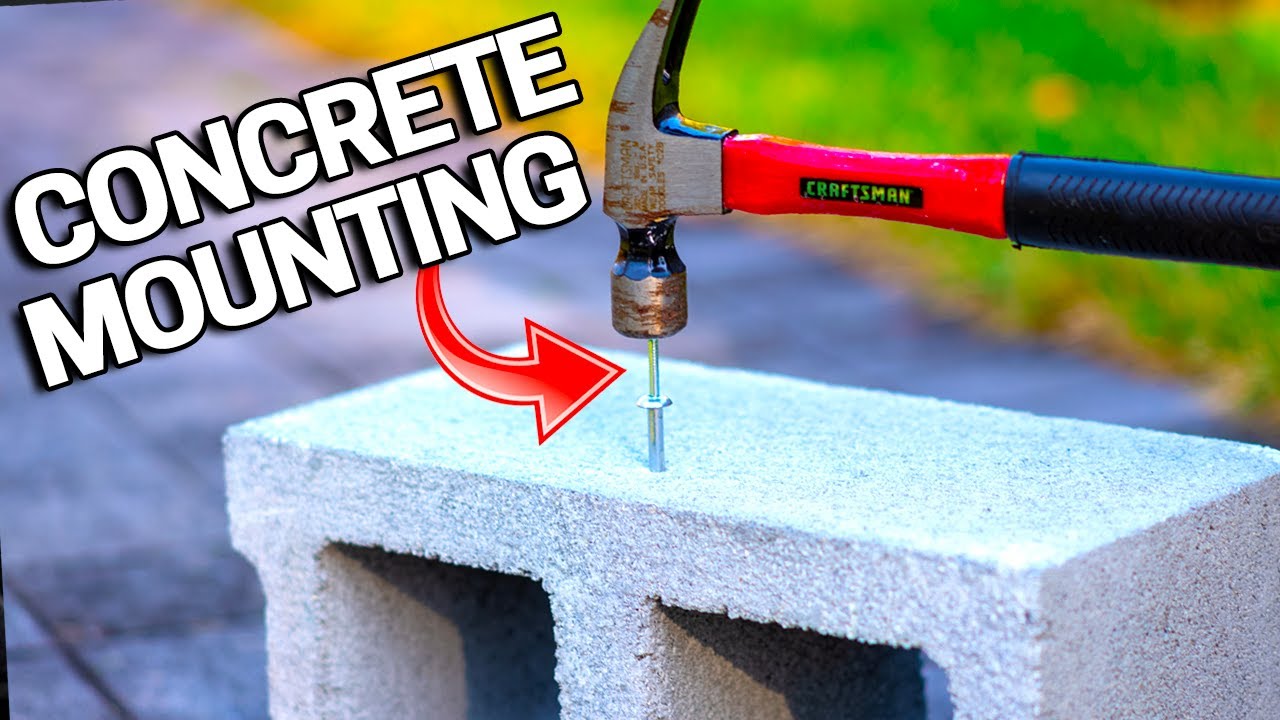
Drill a hole slightly smaller than the anchor. Use a hammer to gently tap the anchor into the hole. Do not force it hard to avoid damage. The anchor should fit flush with the wall surface. Follow the anchor’s instructions for the best results.
Ensuring A Tight Fit
After inserting, test the anchor’s hold by pulling lightly. Tighten screws slowly to avoid loosening the anchor. If the anchor moves, remove and try a bigger size. A tight fit keeps the hook steady and safe. Check the fit before hanging heavy objects.
Attaching The Hook
Attaching a hook to a concrete wall requires care and the right tools. This step ensures the hook stays in place and holds weight safely. Follow simple steps to attach hooks firmly.
Choosing The Correct Screw
Select screws made for concrete or masonry. These screws have special threads for gripping hard surfaces. Use the right length to reach deep into the wall. Avoid screws that are too short or thin.
Securing The Hook Firmly
Drill a hole matching the screw size into the concrete. Clean out dust from the hole for better grip. Place the hook’s base over the hole and insert the screw. Tighten the screw with a screwdriver or drill until firm.
Testing The Hold Strength
Gently pull the hook after installation. Check if it moves or feels loose. Apply a bit more force to test stability. If the hook stays steady, it is secure and ready to use.
Troubleshooting Common Issues
Putting a hook on a concrete wall may seem easy. Still, some common problems can make the task tricky. Knowing how to fix these issues saves time and avoids damage. Here are common problems and clear solutions.
Loose Hooks
Loose hooks happen when the anchor does not hold well. Check if the hook is screwed tightly. Sometimes, the hole is too big or the anchor is weak. Use a stronger anchor or a smaller drill bit. Clean out dust from the hole for better grip.
Cracking Concrete
Drilling can cause cracks in old or weak concrete. Avoid using too much force. Use a hammer drill with a suitable bit. Drill slowly and steadily. Smaller holes reduce stress on the wall. If cracks appear, fill them with concrete patch before drilling again.
Incorrect Drill Hole Size
Wrong hole size affects hook strength. A hole too large makes the hook loose. A hole too small can break the anchor or wall. Match the drill bit size to the anchor size exactly. Measure carefully and test the drill bit on a scrap piece.

Credit: www.amazon.com
Maintenance Tips For Longevity
Keeping hooks on concrete walls strong and safe needs regular care. Simple steps can help your hooks last longer and hold better. Follow these easy maintenance tips to protect your hooks and the wall.
Regular Inspections
Check hooks often for signs of damage or rust. Look for cracks in the concrete near the hook. Catching small problems early stops bigger issues later. Inspections help keep your hooks safe and secure.
Re-tightening Hooks
Over time, hooks may loosen from use or weather. Tighten them carefully with the right tools. Do this regularly to keep hooks firm in the wall. Loose hooks can cause accidents or damage.
Protecting Against Weather
Weather can wear down hooks and concrete. Use rust-resistant hooks or apply protective coatings. Cover hooks during heavy rain or snow if possible. These steps reduce rust and keep hooks strong longer.
Frequently Asked Questions
What Tools Are Needed To Put A Hook On A Concrete Wall?
You need a drill with a masonry bit, wall plugs, screws, and a hammer. These tools ensure a secure and stable hook installation on concrete walls.
How Do You Choose The Right Hook For Concrete Walls?
Select hooks designed for heavy-duty use and concrete mounting. Ensure the hook matches the weight and type of items you plan to hang.
Can I Install Hooks Without Drilling Into Concrete?
No, drilling is necessary to create holes for wall plugs. Surface adhesives are not reliable for heavy loads on concrete walls.
How Deep Should The Drill Hole Be For Concrete Hooks?
Drill holes about 1. 5 inches deep for most wall plugs. This depth ensures the plug and screw fit securely and hold the hook firmly.
Conclusion
Putting a hook on a concrete wall is easier than it seems. Choose the right tools and follow safety steps. Mark the spot clearly and drill carefully. Use anchors for strong support and screw the hook tightly. This method holds your items safely and keeps your wall damage-free.
With practice, you will gain confidence and skill. Try it yourself and enjoy a neat, organized space. Small efforts make a big difference in your home.