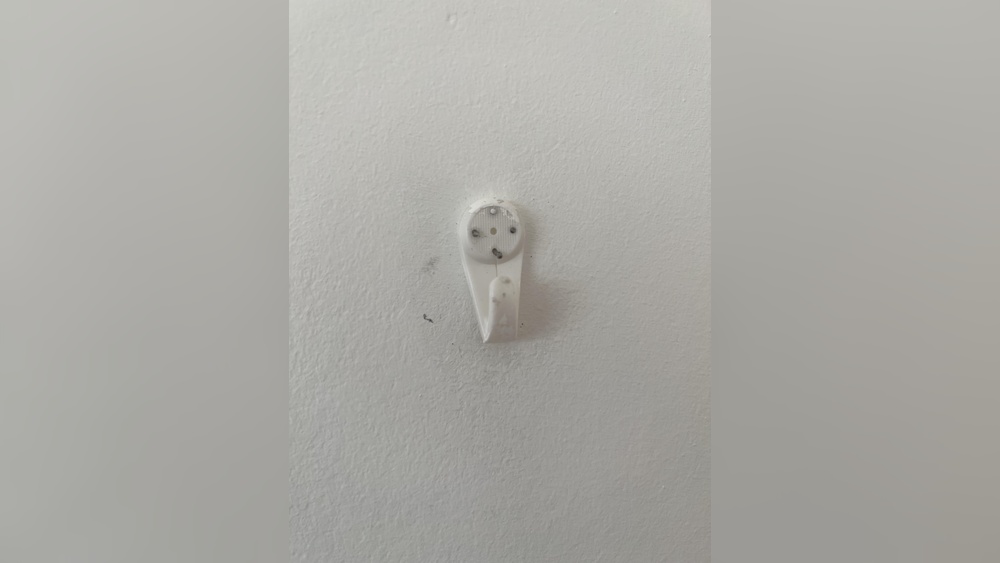
Have you ever tried to remove a plastic hook from your wall, only to end up with sticky residue or even damage? You’re not alone.
Those little hooks can be tricky to get off cleanly, and if you’re not careful, you might ruin your paint or wallpaper. But don’t worry—there are simple, effective ways to remove plastic hooks without leaving a mess behind. Keep reading, and you’ll discover easy steps that will save your walls and your patience.
Types Of Plastic Hooks
Plastic hooks are popular for hanging items without heavy tools. They come in several types, each with unique features and removal methods. Knowing the type helps remove hooks safely without wall damage.
Adhesive Hooks
Adhesive hooks stick to walls using strong glue. They hold light to medium weight objects. These hooks leave little to no marks when removed correctly. Peeling slowly and pulling the tab helps avoid wall damage.
Suction Cup Hooks
Suction cup hooks attach by creating a vacuum seal. They work best on smooth, non-porous surfaces like tiles or glass. Removing them is simple—just pull the tab or edge to break the seal. They cause no wall damage.
Nail And Screw Hooks
Nail and screw hooks need holes in the wall for support. They hold heavier items securely. Removing these hooks leaves small holes that need filling. Use a screwdriver or hammer to take them out carefully.

Credit: diy.stackexchange.com
Common Wall Surfaces
Removing plastic hooks from walls can be tricky. Different wall surfaces need different care. Knowing your wall type helps prevent damage. It also makes removal easier and cleaner.
Here are some common wall surfaces and how to handle them.
Painted Walls
Painted walls are delicate. Peel off hooks slowly to avoid paint peeling. Warm the adhesive with a hairdryer. This softens the glue and helps removal. Use dental floss or fishing line to slide behind the hook. Gently saw back and forth to loosen the adhesive. Clean leftover glue with a mild soap solution.
Wallpapered Walls
Wallpaper can tear easily. Avoid pulling hooks straight off. Soften the adhesive using a warm, damp cloth. Press the cloth on the hook for a few minutes. Carefully lift the hook from one side. Use dental floss for stubborn glue. Remove residue with a wallpaper-safe adhesive remover. Test any cleaner on a hidden spot first.
Tile And Glass Surfaces
Tiles and glass are smooth and hard. Hooks usually come off easier here. Start by warming the hook with a hairdryer. Gently pull the hook away from the surface. Use rubbing alcohol to wipe off sticky glue. Avoid using sharp tools to prevent scratches. Clean the area with a soft cloth afterward.
Preparation Steps
Before removing plastic hooks from walls, prepare properly. Preparation helps protect your wall and makes the process smoother. Take a few minutes to gather tools and clear the area. This keeps things safe and easy.
Gathering Tools
Collect all tools needed for hook removal. Common tools include a hairdryer, dental floss, a putty knife, and rubbing alcohol. A soft cloth helps clean the wall afterward. Having everything ready saves time and effort.
Clearing The Area
Remove items near the hook to avoid damage. Clear shelves, furniture, or decorations close to the wall. This creates space to work safely. Keep pets and children away during the process. A clear area reduces accidents and makes cleanup easier.

Credit: www.walmart.com
Removing Adhesive Hooks
Removing plastic hooks from walls can be tricky. These hooks stick firmly with adhesive. Removing them carefully protects your paint or wallpaper. Use simple methods to soften the glue and peel the hook away gently. Follow these easy steps to remove adhesive hooks without damage.
Using Heat To Soften Adhesive
Heat helps soften the sticky glue behind the hook. Use a hairdryer on low heat. Hold it close to the hook for about 30 seconds. The warmth loosens the adhesive, making removal easier. Avoid using too much heat to protect the wall surface.
Peeling Off Slowly
Start peeling the hook slowly from one corner. Pull gently at a low angle to avoid wall damage. Keep pulling steadily, not fast. Slow peeling prevents paint from coming off. If you feel resistance, apply more heat to soften the glue again.
Cleaning Residue
After removing the hook, some sticky residue may stay on the wall. Use rubbing alcohol or warm soapy water on a soft cloth. Rub the area gently until the residue disappears. Dry the wall with a clean towel to finish. This keeps the wall clean and smooth.
Removing Suction Cup Hooks
Suction cup hooks stick to walls using a strong seal. Removing them needs care to keep the wall safe. Pulling too hard can cause damage. This section guides you through safe removal steps.
Breaking The Seal Gently
Start by finding the edge of the suction cup. Use your fingernail or a flat object to lift it slowly. Don’t pull the hook straight out. Lift the edge little by little. This breaks the suction without force. Air will enter under the cup. The seal will loosen and the hook will come off easily.
Avoiding Wall Damage
Avoid sharp tools that can scratch the wall. Don’t yank or twist the hook fast. If the suction cup leaves marks, clean the area with warm soapy water. Dry it well to stop water stains. Use gentle rubbing if sticky residue remains. This protects the wall’s paint and surface.

Credit: www.youtube.com
Removing Nail And Screw Hooks
Removing nail and screw hooks from walls needs care to avoid damage. These hooks hold well but can leave holes or marks when taken off. Doing the job right helps keep your walls smooth and ready for new decorations.
Unscrewing Carefully
Start by holding the hook steady. Turn the screw or nail slowly counterclockwise. Use the right screwdriver to avoid slipping. Stop if the wall feels weak or crumbles. Pull the hook gently once the screw is loose. This prevents extra wall damage.
Filling Small Holes
After removing the hook, check for small holes or dents. Use wall filler or spackle to cover these spots. Apply a small amount with a putty knife. Smooth it evenly over the hole. Let it dry completely before sanding. Sand lightly to blend the patch with the wall surface.
Preventing Wall Damage
Removing plastic hooks from walls can cause damage if done carelessly. Protecting your wall is important to keep it smooth and clean. Simple steps can help avoid holes, scratches, or paint peeling. Follow safe methods to keep your walls intact during hook removal.
Using Proper Tools
Choose tools made for wall hooks. Use a plastic card or a putty knife. These tools help loosen the hook gently. Avoid metal tools that can scratch or dent the wall. A hair dryer can soften adhesive for easier removal.
Avoiding Excessive Force
Pull the hook slowly and steadily. Do not yank or twist hard. Strong force can peel paint or break drywall. Take your time and work carefully. Soft pressure helps remove hooks without damage.
Cleaning After Hook Removal
After removing plastic hooks from your wall, cleaning the area is crucial. Leftover marks or sticky residue can spoil your wall’s look. Proper cleaning helps restore the wall’s smooth, clean surface. It also prepares the wall for repainting or new hooks.
Removing Sticky Residue
Sticky residue is common after peeling off plastic hooks. Use a soft cloth with warm, soapy water to start. Gently rub the sticky spots in a circular motion.
For tougher residue, try rubbing alcohol or a small amount of vinegar. Test on a hidden spot first to avoid damage. Avoid harsh scrubbing which can harm paint or wallpaper.
Another option is using a commercial adhesive remover. Follow the instructions carefully. Always wipe the area with a damp cloth afterward to remove any leftover chemicals.
Restoring Wall Appearance
Once sticky residue is gone, check the wall for damage. Small holes or scratches can be fixed with spackle or wall filler. Apply with a putty knife and smooth it out.
Let the filler dry completely. Then, sand lightly with fine-grit sandpaper for a smooth finish. Wipe away dust with a damp cloth before painting.
If paint has peeled, touch up the area with matching paint. Use thin layers and let each dry before adding more. This keeps your wall looking fresh and neat.
Tips For Reusing Walls
Keeping walls clean and undamaged is important when removing plastic hooks. Walls show wear and tear easily. Tips for reusing walls help keep them smooth and fresh. These tips save time and money on repairs. Simple steps make a big difference in wall care.
Choosing Damage-free Hooks
Select hooks that do not harm the wall. Look for adhesive hooks made for paint or wallpaper. They leave no marks or holes behind. Avoid nails or screws that create permanent damage. Use hooks with a gentle grip to prevent paint peeling. Test a small spot before full use. This helps ensure the wall stays intact.
Proper Installation Techniques
Clean the wall surface before applying hooks. Dust and dirt reduce hook adhesion. Press hooks firmly for a few seconds to stick well. Follow the product’s instructions carefully. Let the adhesive set before hanging items. Avoid heavy objects that exceed hook limits. Remove hooks slowly by pulling the tab down. This reduces peeling or paint damage.
Frequently Asked Questions
How Can I Safely Remove Plastic Hooks From Walls?
To safely remove plastic hooks, gently pull the hook while holding the base. Use heat from a hairdryer to soften adhesive if needed. Avoid harsh force to prevent wall damage.
What Tools Help Remove Plastic Hooks Without Wall Damage?
Common tools include a hairdryer, dental floss, or a plastic putty knife. Heat softens adhesive, floss slides behind hooks, and a putty knife lifts gently.
How Do I Remove Sticky Residue After Plastic Hooks?
Use rubbing alcohol or adhesive remover on a cloth. Rub the residue gently until it dissolves. Clean the area with mild soap and water afterward.
Can I Reuse Plastic Hooks After Removal?
Most plastic hooks lose adhesive strength after removal. To reuse, apply new adhesive strips or glue. Check hook condition to ensure secure reattachment.
Conclusion
Removing plastic hooks from walls does not have to be hard. Use gentle methods to avoid damage. Warm the adhesive with a hairdryer for easier removal. Slowly peel off the hook to protect your paint. Clean any leftover glue with rubbing alcohol or soap.
Taking time and care helps keep your walls looking nice. You can remove hooks without leaving marks behind. Keep these tips in mind for your next wall project. Simple steps make the task quick and stress-free.


